Information
Landmark: ChristianiaCity: Copenhagen
Country: Denmark
Continent: Europe
Christiania, Copenhagen, Denmark, Europe
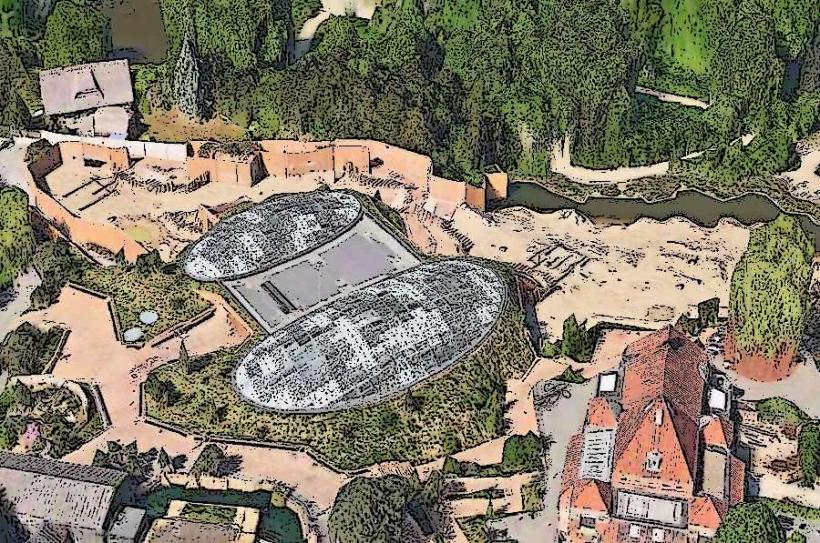
Christiania is a self-proclaimed autonomous neighborhood located in the Christianshavn district of Copenhagen, Denmark, established on a former military base.
Visual Characteristics
The area features a diverse collection of self-built houses, many constructed from repurposed materials, exhibiting varied architectural styles and vibrant murals. Buildings range from single-story structures to multi-level dwellings, often integrated with surrounding green spaces and canals. The overall aesthetic is eclectic and organic, with a strong emphasis on individual expression rather than uniform design.
Location & Access Logistics
Christiania is situated in the eastern part of Christianshavn, approximately 2.5 kilometers southeast of Copenhagen city center. Access is primarily via Prinsessegade or Bådsmandsstræde. Public transportation includes bus lines 9A and 2A, with stops near the main entrances. The nearest Metro station is Christianshavn St. (M1/M2 line), a 10-minute walk away. Limited street parking is available on surrounding roads, but it is generally advised to use public transport or bicycles due to restricted vehicle access within Christiania itself.
Historical & Ecological Origin
Christiania was established in 1971 when a group of squatters occupied abandoned military barracks and grounds. The site, originally known as Bådsmandsstrædes Kaserne, had been a military area since the 17th century. The occupation evolved into a social experiment and self-governing community, founded on principles of collective ownership and self-management.
Key Highlights & Activities
Visitors can walk through the unique residential areas, observe the diverse architecture, and explore various art galleries and workshops. The area hosts several cafes, restaurants, and music venues. Specific activities include visiting the Green Light District (Pusher Street), exploring the lake and canal areas, and attending local events or concerts, which are often advertised on-site.
Infrastructure & Amenities
Public restrooms are available at various points within Christiania, often near cafes or community centers. Shade is provided by numerous trees and building structures throughout the area. Cell phone signal (4G/5G) is generally reliable. Multiple food vendors, cafes, and restaurants offer a range of dining options, from street food to sit-down meals.
Best Time to Visit
The best time to visit Christiania is during daylight hours, particularly between late morning and late afternoon, to fully experience the atmosphere and open establishments. The summer months (June to August) offer the most favorable weather conditions for walking and outdoor activities. Photography is generally permitted in public areas, but discretion is advised, especially in the Green Light District.
Facts & Legends
Christiania is known for its unique legal status, operating under a special law that grants it a degree of self-governance within Denmark. The community is credited with the invention of the Christiania bike, a popular cargo bicycle design. A local "secret" tip is to explore the lesser-known paths around the lake and canal for quieter views and unique house designs away from the main thoroughfares.
Nearby Landmarks
- Church of Our Saviour: 0.8km West
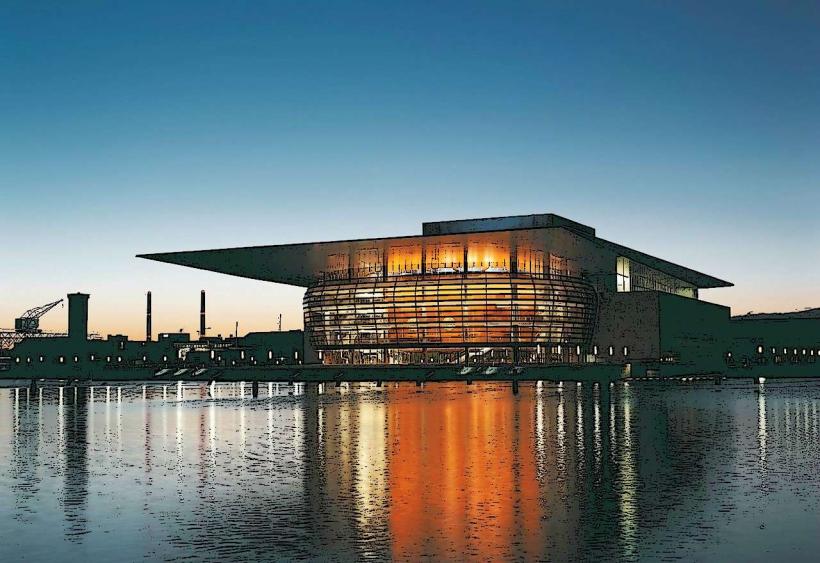
- Copenhagen Opera House: 1.2km North
- Christianshavn Canal: 0.5km West
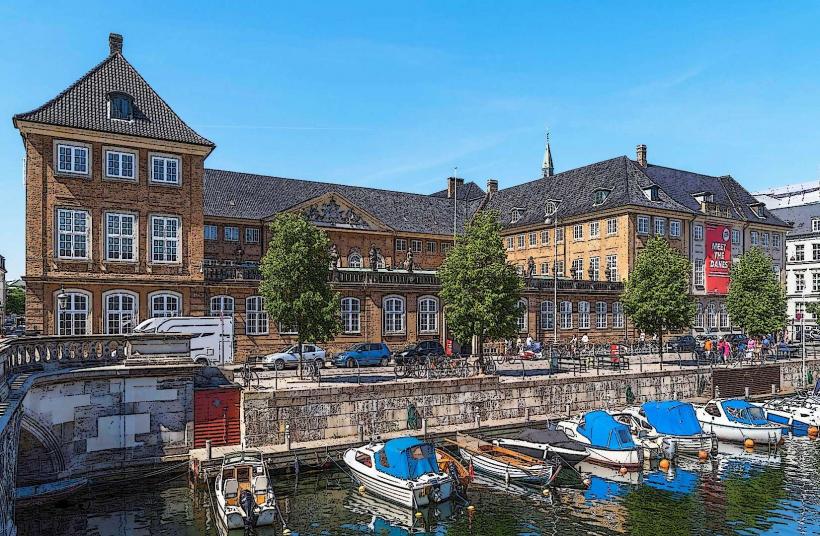
- National Museum of Denmark: 2.5km Northwest
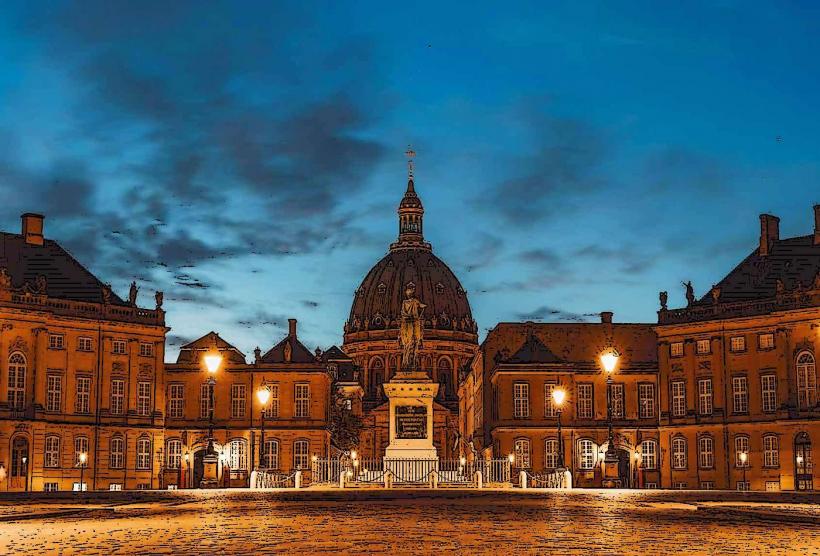
- Amalienborg Palace: 2.0km Northwest