Information
Landmark: St. Alban's ChurchCity: Copenhagen
Country: Denmark
Continent: Europe
St. Alban's Church, Copenhagen, Denmark, Europe
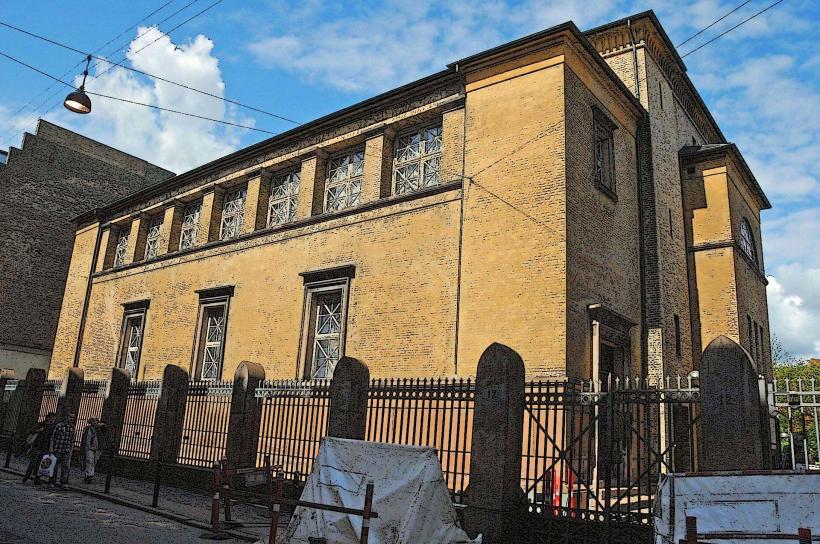
St. Alban's Church is an Anglican church located on Langelinie in Copenhagen, Denmark, serving the city's English-speaking community.
Visual Characteristics
The church is constructed in the Victorian Gothic Revival style, characterized by its red brick exterior with limestone dressings and a slate roof. It features a prominent spire reaching approximately 49 meters in height. The architectural design includes pointed arches, buttresses, and decorative stonework typical of 19th-century English ecclesiastical architecture. Stained glass windows depict various biblical scenes and figures.
Location & Access Logistics
St. Alban's Church is situated at Langelinie 40, 2100 Copenhagen Ø, adjacent to the Kastellet fortress and the Gefion Fountain. It is approximately 2.5 kilometers north of Copenhagen city center. Public transport access is via Østerport Station, which is served by S-train lines A, B, C, E, H, and regional trains, located 0.5 kilometers west. Bus line 26 stops directly on Langelinie, a short walk from the church. Limited paid street parking is available along Langelinie and surrounding streets; however, spaces can be scarce, especially during peak tourist seasons.
Historical & Ecological Origin
Construction of St. Alban's Church commenced in 1885 and it was consecrated on 17 September 1887. The architect was Arthur Blomfield, a prominent English architect known for his ecclesiastical designs. Its original purpose was to provide a dedicated place of worship for the growing English community in Copenhagen and for British sailors visiting the port.
Key Highlights & Activities
Visitors can attend regular Sunday services, which are conducted in English. The church's interior features notable stained glass windows and a detailed altar. Observing the Victorian Gothic architectural details, including the intricate brickwork and spire, is a primary activity. The church grounds offer a quiet space for reflection.
Infrastructure & Amenities
Restroom facilities are available within the church premises during opening hours. The surrounding area, including the Kastellet and nearby parks, provides ample shade from trees. Cell phone signal (4G/5G) is consistently strong throughout the location. Several kiosks and cafes offering refreshments and light meals are located within a 0.5-kilometer radius, particularly near the Gefion Fountain and along Langelinie.
Best Time to Visit
The church is generally open to visitors during specific hours, typically in the late morning and early afternoon. For photography, the morning light provides optimal illumination of the exterior, particularly the eastern facade. The months of May through September offer the most favorable weather conditions for visiting Copenhagen. There are no specific tide requirements as the church is not directly affected by water levels.
Facts & Legends
St. Alban's Church is often referred to as the "English Church" by locals due to its Anglican affiliation and the language of its services. A unique historical detail is that the building materials, including the red brick and limestone, were largely imported from England, emphasizing its British origins and connection. The church bells were cast by John Taylor & Co of Loughborough, England.
Nearby Landmarks
- Kastellet: 0.1km West
- Gefion Fountain: 0.1km South
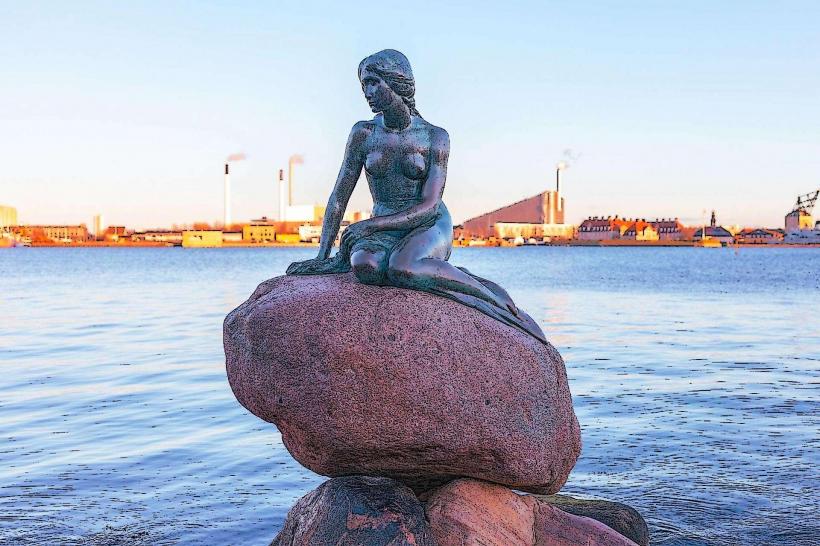
- The Little Mermaid: 0.5km North
- Designmuseum Danmark: 1.2km South
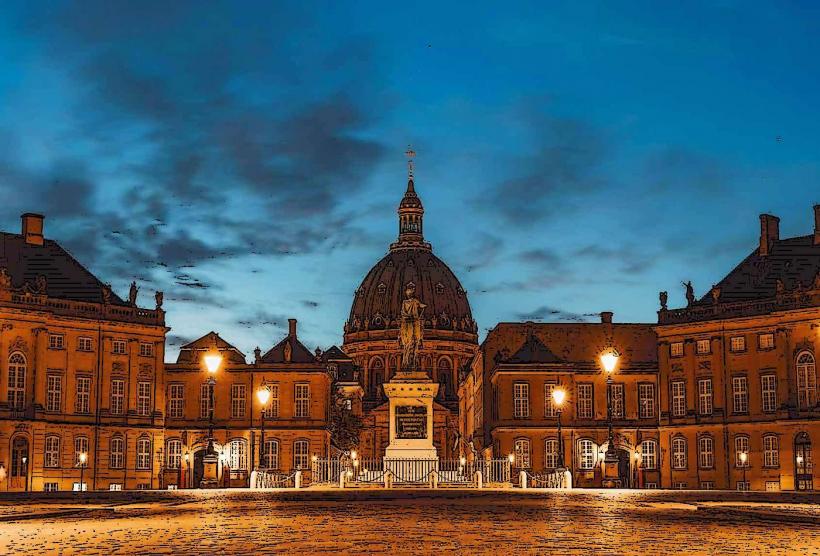
- Amalienborg Palace: 1.5km South-West