Information
Landmark: Ny Carlsberg GlyptotekCity: Copenhagen
Country: Denmark
Continent: Europe
Ny Carlsberg Glyptotek, Copenhagen, Denmark, Europe
Visual Characteristics
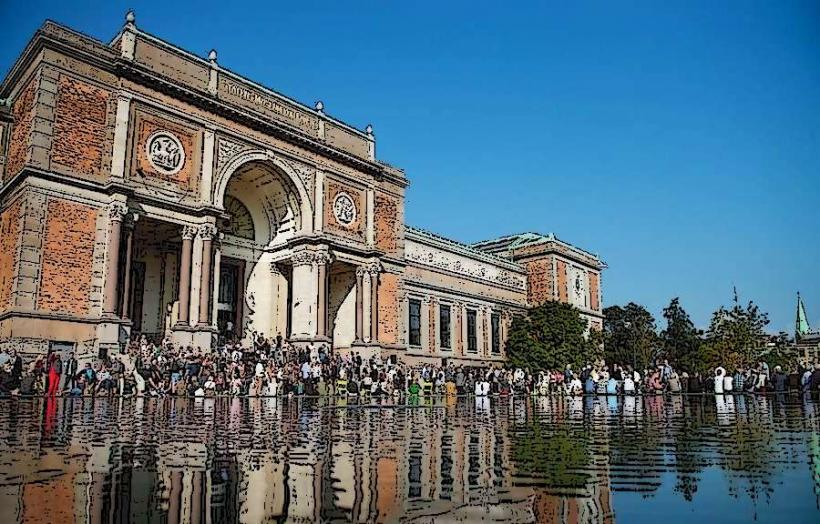
The museum comprises two main buildings. The original Dahlerup building, completed in 1897, features a Neo-Renaissance style with red brick facades, granite details, and a prominent dome. Its central feature is the Winter Garden, an enclosed space with a glass roof, palm trees, and a fountain. The later Kampmann building, added in 1906, exhibits a more restrained Neo-Classical design with light-colored stone and large windows, connecting seamlessly to the older structure. The overall complex presents a substantial, multi-winged footprint.
Location & Access Logistics
The Glyptotek is located at Dantes Plads 7, 1556 Copenhagen V. It is approximately 0.5 km south of Rådhuspladsen (City Hall Square) and directly across from Tivoli Gardens. Public transport access includes bus lines 1A, 2A, 5C, and 6A, which stop near the museum. The nearest metro station is Rådhuspladsen (City Hall Square) on the M3 (Cityring) and M4 lines, approximately a 5-minute walk. Limited street parking is available in the vicinity, typically paid, and several commercial parking garages are within a 10-minute walk, such as the one under Axel Towers.
Historical & Ecological Origin
The museum was founded by brewer Carl Jacobsen, son of the founder of Carlsberg Breweries. The initial Dahlerup building was constructed between 1892 and 1897, designed by architect Vilhelm Dahlerup. Its original purpose was to house Jacobsen's extensive private art collection, which he later donated to the Danish state and the City of Copenhagen. The Kampmann building, designed by architect Hack Kampmann, was added in 1906 to accommodate Jacobsen's growing collection of ancient art.
Key Highlights & Activities
Visitors can view extensive collections of ancient Egyptian, Greek, and Roman sculptures and artifacts. The French Impressionist collection includes works by artists such as Monet, Renoir, Degas, and a significant collection of sculptures by Rodin. The Danish Golden Age collection features paintings and sculptures from the 19th century. The central Winter Garden offers a tropical environment for relaxation. The museum regularly hosts temporary exhibitions.
Infrastructure & Amenities
Restrooms are available on multiple floors. A café, Picnic, is located within the museum, offering light meals and beverages. A museum shop sells books, reproductions, and gifts. Cloakroom facilities are provided for coats and bags. The museum offers free Wi-Fi access. Cell phone signal (4G/5G) is generally strong throughout the building. The entire museum is wheelchair accessible, with elevators connecting all levels.
Best Time to Visit
The museum is generally less crowded on weekday mornings, particularly Tuesday through Thursday, shortly after opening. For optimal lighting in the Winter Garden, visiting during midday offers good natural light. The collections are indoors, making it suitable for visits year-round, regardless of weather. Summer months (June-August) can see higher visitor numbers due to tourism.
Facts & Legends
Carl Jacobsen, the founder, was known for his passion for art and his philanthropic endeavors. He stipulated that the museum should always be free to the public on Sundays, a tradition that continues today. The museum's name, "Glyptotek," is derived from the Greek words "glyptos" (carved) and "theke" (storage place), literally meaning a collection of sculptures.
Nearby Landmarks
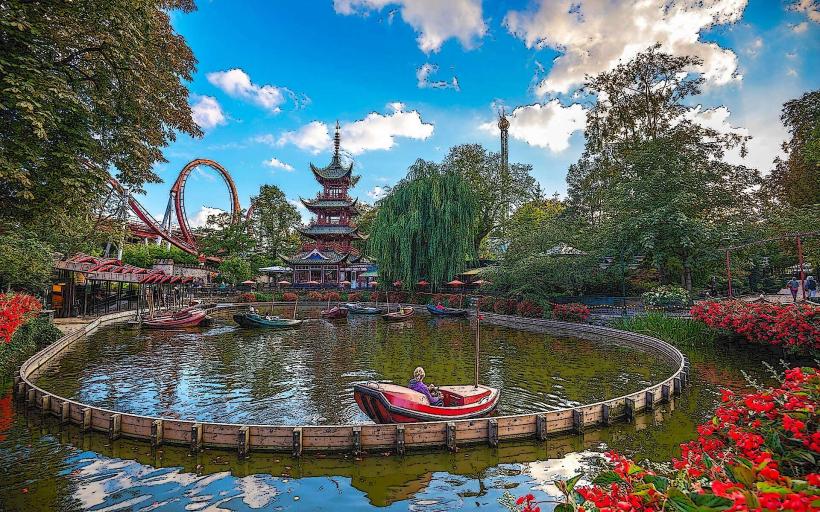
- Tivoli Gardens: 0.1km South-West
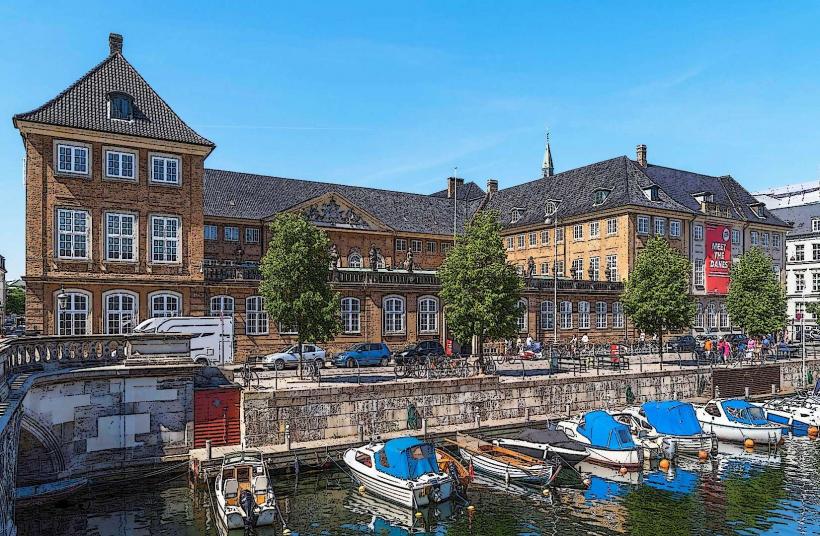
- National Museum of Denmark: 0.5km North
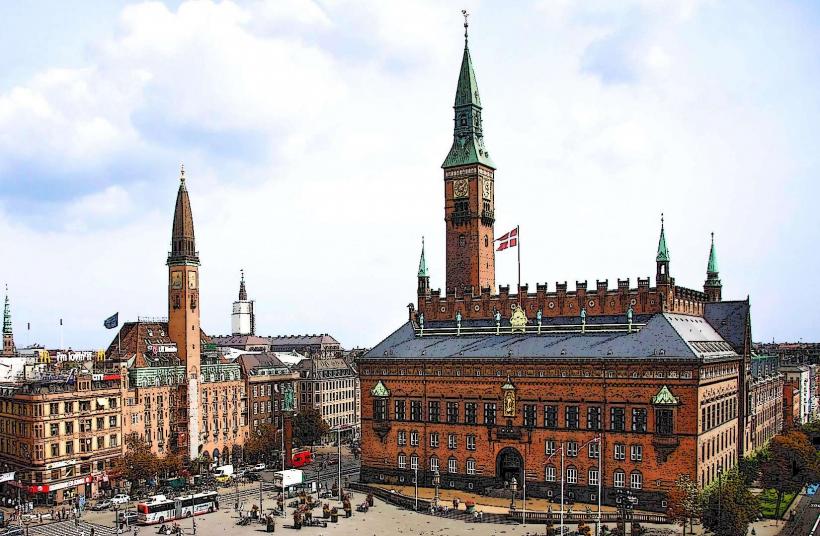
- Copenhagen City Hall Square (Rådhuspladsen): 0.5km North
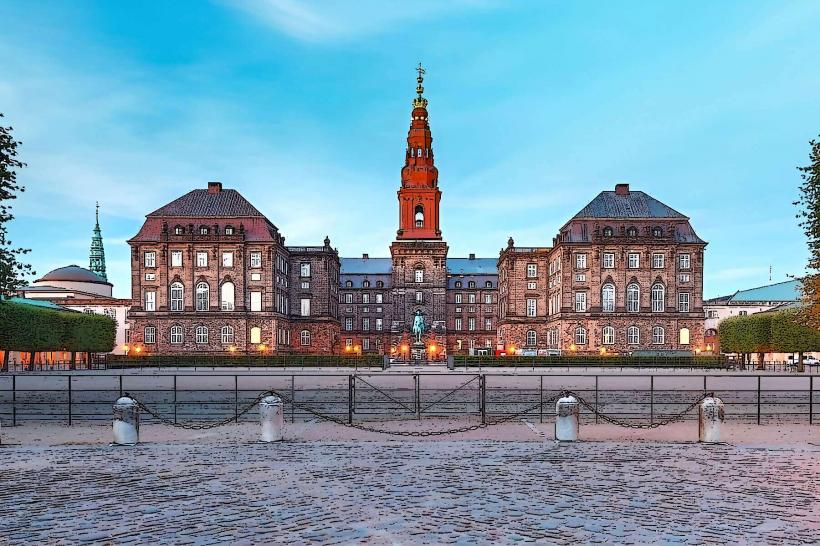
- Christiansborg Palace: 0.8km North-East
- Strøget (Pedestrian Shopping Street): 0.7km North