Information
Landmark: Opera HouseCity: Copenhagen
Country: Denmark
Continent: Europe
Opera House, Copenhagen, Denmark, Europe
Visual Characteristics
The building features a large, cantilevered roof extending over the entrance plaza. Exterior materials include dark grey metal, glass, and a light-colored Jura Gelb limestone from Germany. The interior foyer is characterized by extensive use of maple wood, creating a warm, golden hue. The main auditorium is shaped like a horseshoe and primarily uses dark wood and red velvet seating. The structure stands approximately 38 meters tall at its highest point, with a total area of 41,000 square meters. Its architectural style is modern functionalism.
Location & Access Logistics
The Opera House is situated at Ekvipagemestervej 10, 1438 Copenhagen K. It is located approximately 2.5 kilometers east of Copenhagen city center, across the harbor from the Royal Danish Playhouse. An underground parking garage provides 300 spaces for visitors. Public transport options include the 9A bus line, which has a stop directly outside the main entrance. Additionally, the Havnebus (harbor bus) lines 991 and 992 offer direct boat transfers to the Opera House pier from various points along the harbor, including Nyhavn and Christianshavn.
Historical & Ecological Origin
Construction of the Opera House commenced in 2001 and was completed in 2004, with the official inauguration on January 15, 2005. The building was designed by architect Henning Larsen. Its construction was fully funded by the A.P. Møller and Chastine Mc-Kinney Møller Foundation, which then donated it to the Danish state. The original purpose was to establish a modern, world-class facility for opera and ballet, replacing older, less suitable venues.
Key Highlights & Activities
Attending opera, ballet, and classical music performances is the primary activity. Guided tours of the building's architecture, including backstage areas and technical facilities, are available on select days. Visitors can dine at the Restaurant OPUS or the Opera Café. The large glass foyer offers panoramic views of the Copenhagen harbor and the city skyline.
Infrastructure & Amenities
Restrooms are located on all public levels of the building. The main foyer provides extensive open space with natural light and some seating, but dedicated shaded outdoor areas are limited. Cell phone signal (4G/5G) is consistently available throughout the premises. A café and a restaurant are situated within the Opera House, offering food and beverage services before performances and during intermissions.
Best Time to Visit
For attending performances, evenings are the standard time. For architectural viewing and guided tours, late morning or early afternoon hours typically offer optimal natural light for both interior and exterior observation. The building is accessible year-round. While there are no specific seasonal requirements for access, the summer months (June-August) provide milder outdoor temperatures for enjoying the harbor views from the plaza.
Facts & Legends
The Copenhagen Opera House is one of the most expensive opera houses ever built, with a construction cost of approximately 2.5 billion DKK (around 370 million USD at the time). A notable design conflict arose between architect Henning Larsen and the A.P. Møller Foundation during the planning phase, particularly concerning the glass facade and the stage's integration, leading to several compromises in the final design. The foundation insisted on certain aesthetic and functional elements, such as the large cantilevered roof, which became a defining feature.
Nearby Landmarks
- Royal Danish Playhouse: 0.8km West
- Nyhavn: 1.2km West
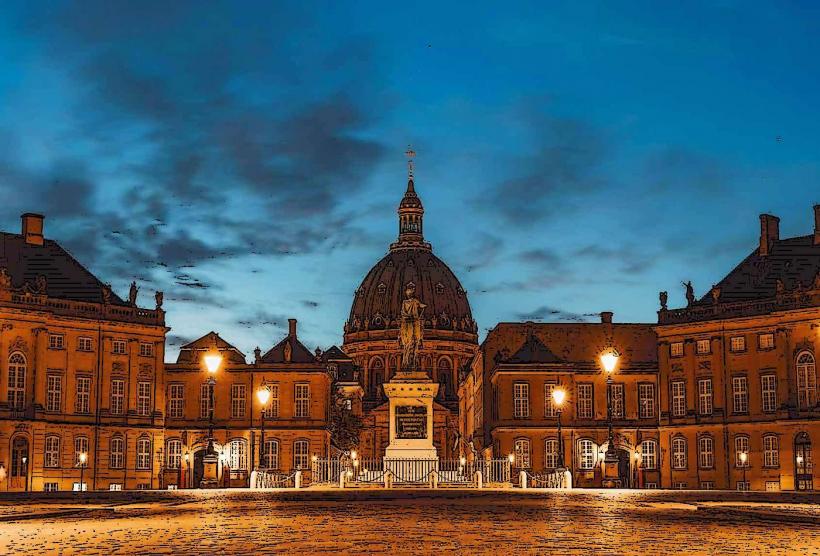
- Amalienborg Palace: 1.5km West
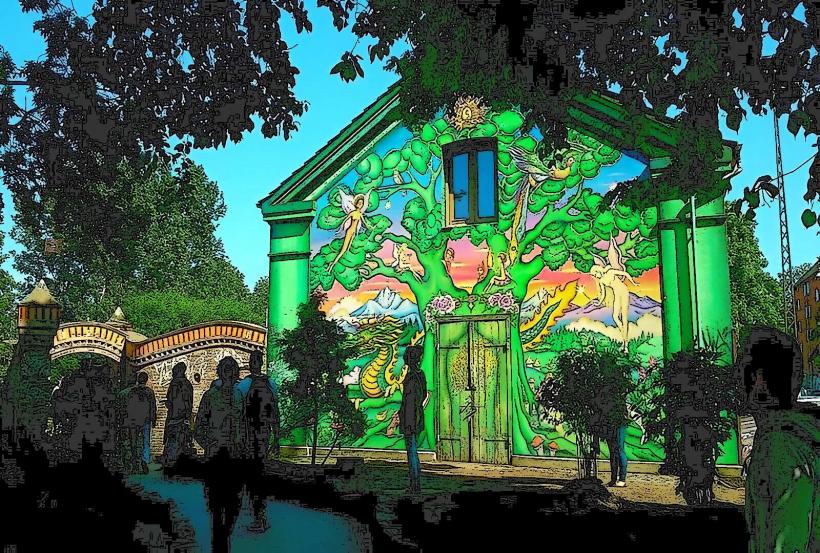
- Christiania: 1.8km Southwest
- Church of Our Saviour: 2.0km Southwest