Information
Landmark: Esbjerg Train StationCity: Esbjerg
Country: Denmark
Continent: Europe
Esbjerg Train Station, Esbjerg, Denmark, Europe
Esbjerg Train Station is a primary railway hub located in the city of Esbjerg, Denmark. It serves as a crucial transportation point connecting Esbjerg with other Danish cities and the wider European rail network.
Visual Characteristics
The station building is constructed primarily of red brick, featuring a classical architectural style with elements of Italianate influence. It presents a symmetrical facade with arched windows and a prominent central clock tower. The roof is typically gabled, covered with dark tiles. The structure maintains a functional yet dignified appearance, characteristic of late 19th-century Danish railway architecture.
Location & Access Logistics
The station is centrally located at Jernbanegade 25, 6700 Esbjerg, approximately 0.5km east of the city's main square. Access by car is via local city streets, with paid parking facilities available at nearby multi-story car parks such as Q-Park Broen, located within 100 meters. Several local bus lines, including routes 1A, 2A, and 3A, have stops directly outside the station entrance, providing connections throughout the city.
Historical & Ecological Origin
The Esbjerg Train Station was constructed in 1872, designed by architect N.P.C. Holsøe. Its original purpose was to facilitate the transport of goods and passengers, supporting the rapid development of Esbjerg as a port city following the loss of Schleswig to Prussia, which necessitated a new Danish west coast harbor.
Key Highlights & Activities
The primary activities at Esbjerg Train Station involve boarding and disembarking trains operated by DSB and Arriva, purchasing tickets from automated machines or service counters, and accessing various platforms. The station functions as a transit point for regional and intercity rail services.
Infrastructure & Amenities
The station provides public restrooms, sheltered waiting areas on platforms and within the main concourse, and consistent 4G/5G cellular signal coverage. Several kiosks and small cafes are located within the station building, offering food and beverage options.
Best Time to Visit
The station operates daily. For general transit, the station is accessible during all operational hours. For photography of the exterior architecture, daylight hours are suitable, with morning or late afternoon light potentially enhancing facade details. There are no specific seasonal or tidal requirements for visiting the station.
Facts & Legends
Esbjerg Train Station was a cornerstone in the planned development of Esbjerg, a city that was essentially created from scratch in the late 19th century. The railway line connecting Esbjerg to Lunderskov, and thus the national network, opened simultaneously with the station, making it integral to the city's economic and demographic growth.
Nearby Landmarks
- Torvet (Main Square): 0.2km West
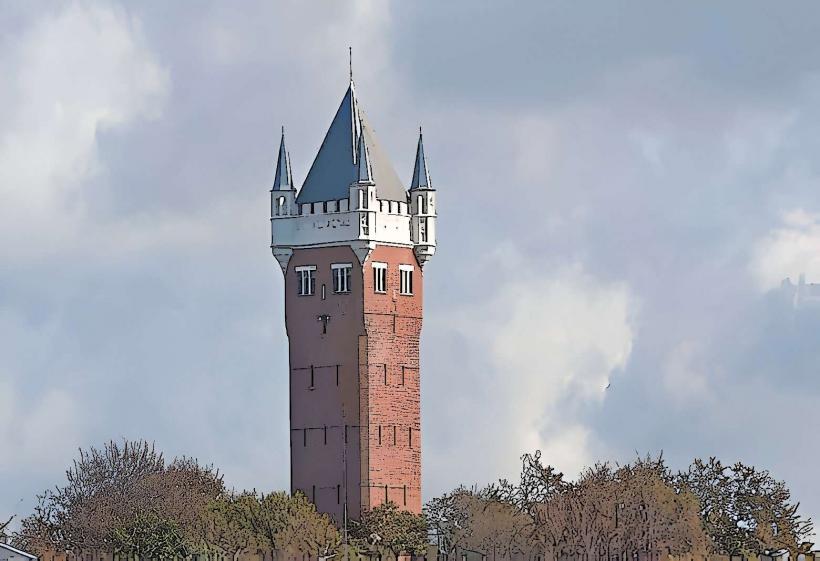
- Esbjerg Water Tower (Vandtårnet): 0.5km West
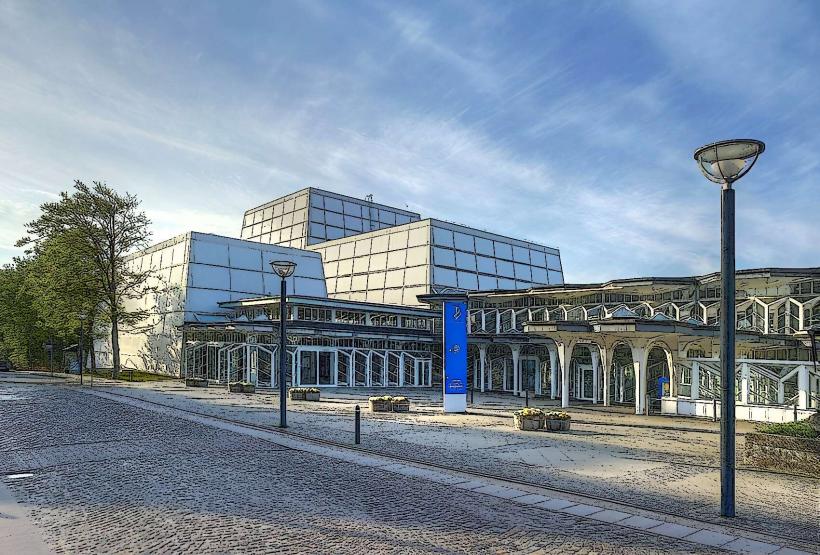
- Musikhuset Esbjerg (Concert Hall): 0.6km North-West
- Esbjerg Kunstmuseum (Art Museum): 0.7km North-West
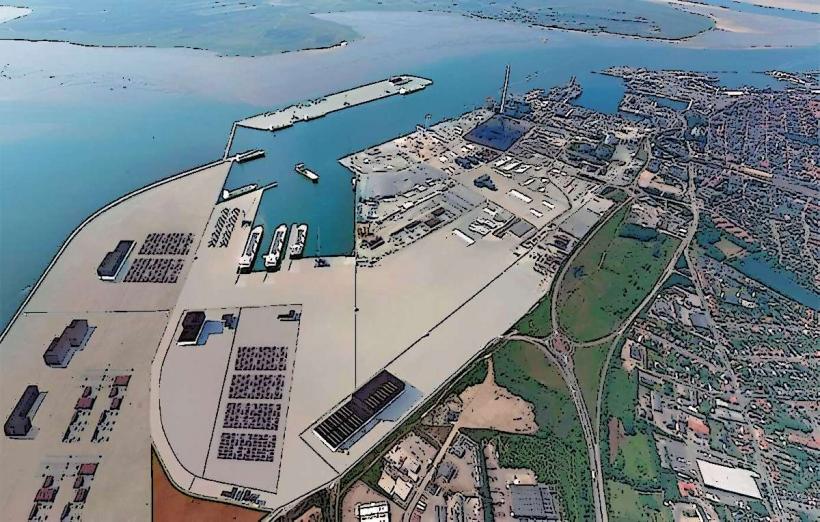
- Esbjerg Havn (Harbour): 1.5km South-West