Information
City: Saint PhilipCountry: Barbados
Continent: North America
Saint Philip, Barbados, North America
Saint Philip is the largest parish in Barbados, occupying the southeastern "corner" of the island. It is defined by its flat, windswept plains, dramatic limestone cliffs, and a mix of rugged Atlantic beaches and rapidly developing residential estates.
Historical Timeline
1645: Established as one of the original six parishes.
1816: The site of the Bussa Rebellion, the largest slave revolt in Barbadian history, which began on the Bayley’s Estate in Saint Philip.
1880s: The Crane Resort opened, becoming the first resort hotel in the Caribbean.
Modern Era: Transitioned from a sugar-dependent economy to the island's primary "growth corridor" for middle-class housing and renewable energy projects.
Geography & Climate
Topography: Predominantly flat and low-lying compared to the central parishes. The coastline is characterized by sheer limestone cliffs and hidden coves.
Climate: The parish is the driest on the island. It receives constant, cooling "Trade Winds" from the Atlantic, making it a preferred location for residents seeking a cooler environment without high elevation.
Top Landmarks & Attractions
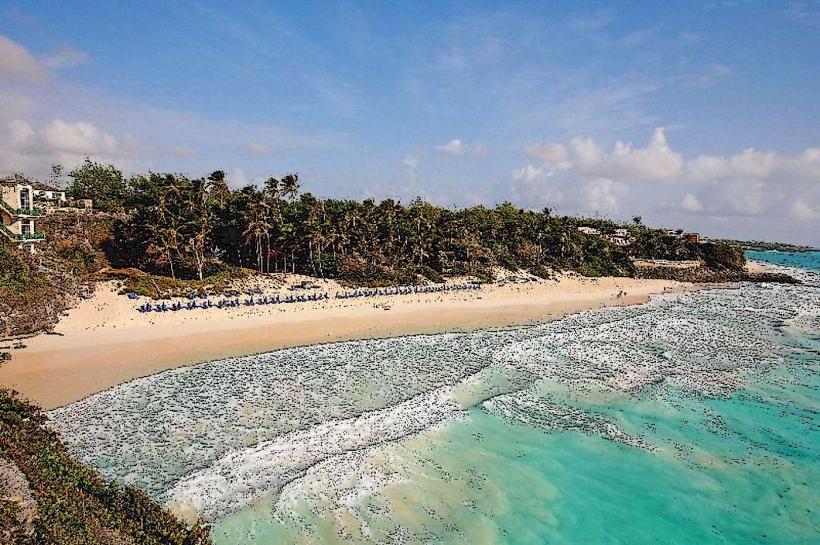
The Crane Beach: Consistently ranked among the best beaches in the world, famous for its pink-tinged sand and dramatic cliffside backdrop.
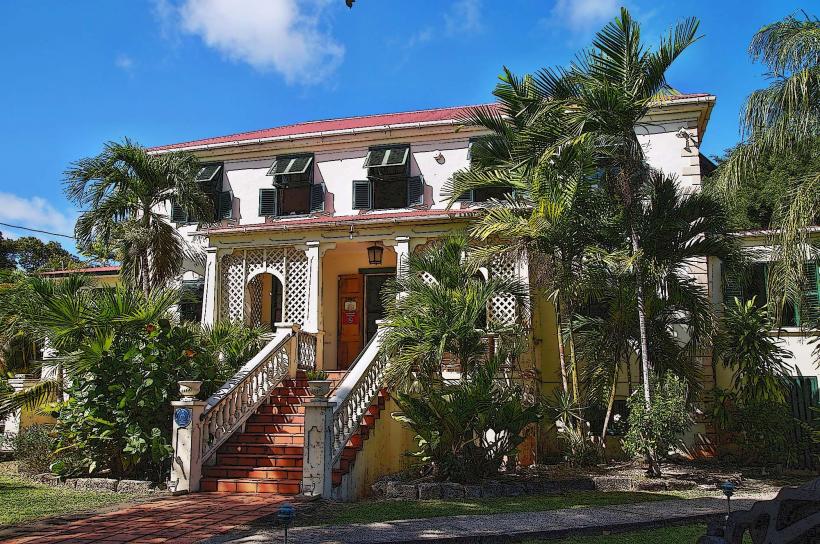
Sunbury Plantation House: A 300-year-old historic home that survived several fires. It features the island's most extensive collection of horse-drawn carriages and period furniture.
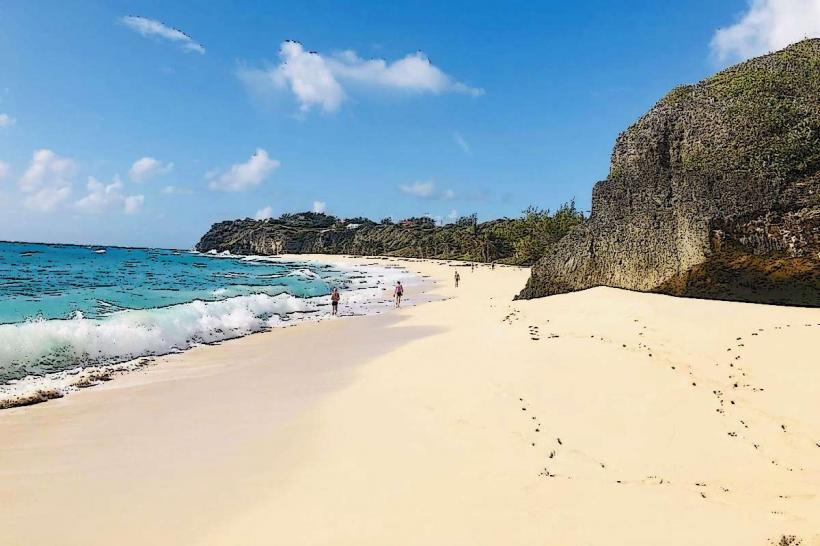
Bottom Bay: A picturesque, secluded cove enclosed by high coral cliffs and swaying coconut palms. It is a popular site for photography and picnics.
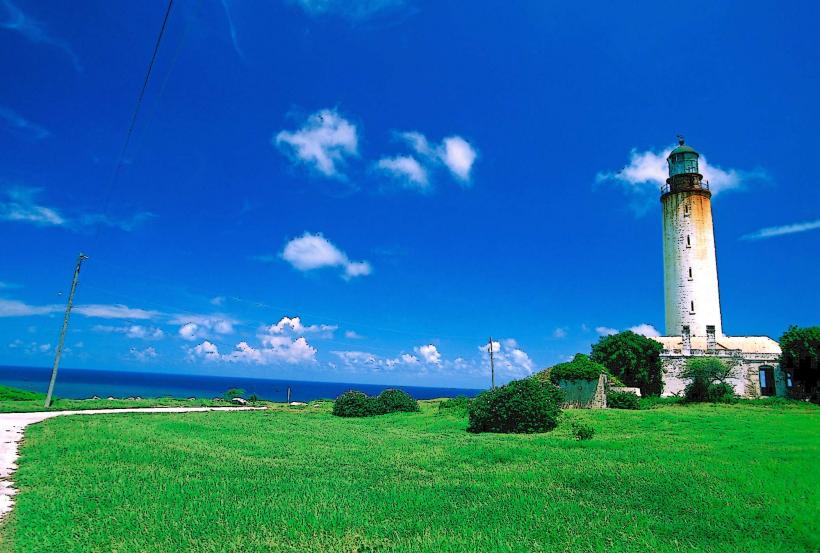
Ragged Point Lighthouse: Located at the easternmost point of the island, offering views that extend along the entire rugged windward coast.
Bushy Park Circuit: A world-class FIA-grade racing facility that hosts international motorsports events, including the Race of Champions.
Transportation & Logistics
Air: Grantley Adams International Airport (BGI) is located on the border between Saint Philip and Christ Church, making the parish highly accessible for international arrivals.
Road: The ABC Highway terminates near the airport, connecting to major arteries like the Errol Barrow Highway.
Public Transport: Served by the "Six Roads" bus terminal, which acts as the central hub for the eastern part of the island.
Commercial Hub: Six Roads
The town of Six Roads is the administrative and commercial heart of Saint Philip.
Layout: Named for the six roads that converge at the central roundabout.
Services: Features a large complex with supermarkets (Emerald City), banks, doctors' offices, and a post office.
Safety & Health
Marine Safety: The Atlantic coast of Saint Philip is dangerous. Beaches like Bottom Bay, Harrismith, and Crane Beach have extremely powerful undertows and large waves. Swimming is only advised for expert swimmers, and even then, staying close to shore is mandatory.
Security: Generally very safe and quiet. Standard precautions apply at secluded beaches like Bottom Bay, where visitors should avoid leaving valuables in cars.
Digital & Financial Infrastructure
4G and 5G coverage is excellent. Six Roads is the primary financial center for the parish, hosting several ATMs and branches of major banks like Republic Bank and CIBC FirstCaribbean.
Local Cost Index
1 Espresso (Six Roads): ~$7.00 BBD ($3.50 USD)
1 Day Pass at The Crane: ~$50.00 – $100.00 BBD ($25.00 – $50.00 USD)
1 Traditional Bajan "Pudding and Souse": ~$20.00 – $35.00 BBD ($10.00 – $17.50 USD)
Facts & Legends
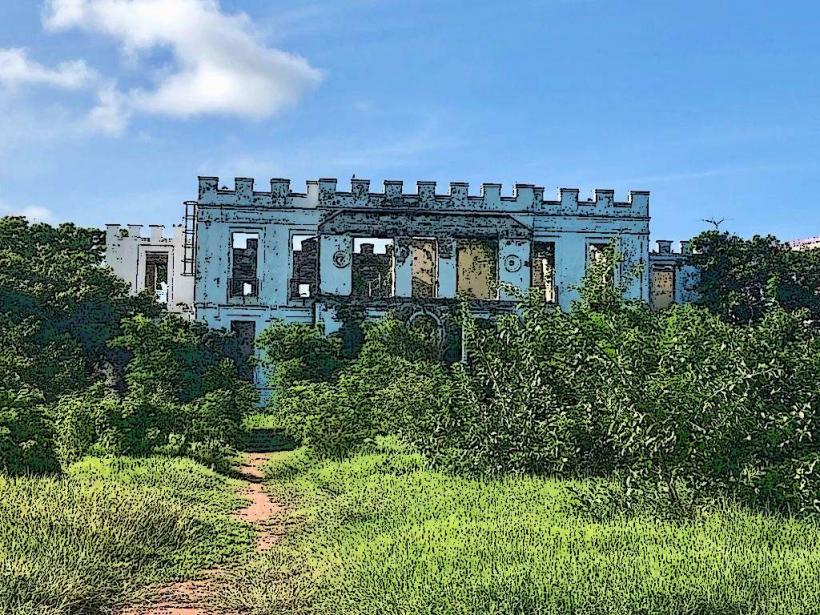
A verified historical fact is that Saint Philip was the birthplace of Bussa, the national hero who led the 1816 uprising. Local legend claims that the "Sam Lord" of Sam Lord’s Castle (a now-ruined Georgian mansion) used to hang lanterns in coconut trees to lure passing ships onto the jagged reefs, allowing him to plunder the wreckage for his vast fortune.