Information
City: SamosCountry: Greece
Continent: Europe
Samos, Greece, Europe
Samos is the ninth most populous Greek island, located in the Eastern Aegean. It is geographically distinguished by its two massive mountain massifs, Mount Kerkis and Mount Ampelos, and its proximity to the Turkish coast, separated by the 1.6-km Mycale Strait. It is historically significant as a center of Ionian culture and the birthplace of Pythagoras, Epicurus, and Aristarchus.
Historical Timeline
In the 6th century BC, under the tyrant Polycrates, Samos was a dominant maritime power. It achieved UNESCO World Heritage status for its ancient engineering and religious monuments. During the 19th century, it operated as the Autonomous Principality of Samos-a semi-independent state under Ottoman suzerainty-before formally uniting with Greece in 1913.
Demographics & Population
As of 2026, the permanent population is approximately 33,800. The island maintains a stable population year-round due to its diverse economy, which includes a thriving university presence (University of the Aegean) and a globally renowned wine industry.
Urban Layout & Key Districts
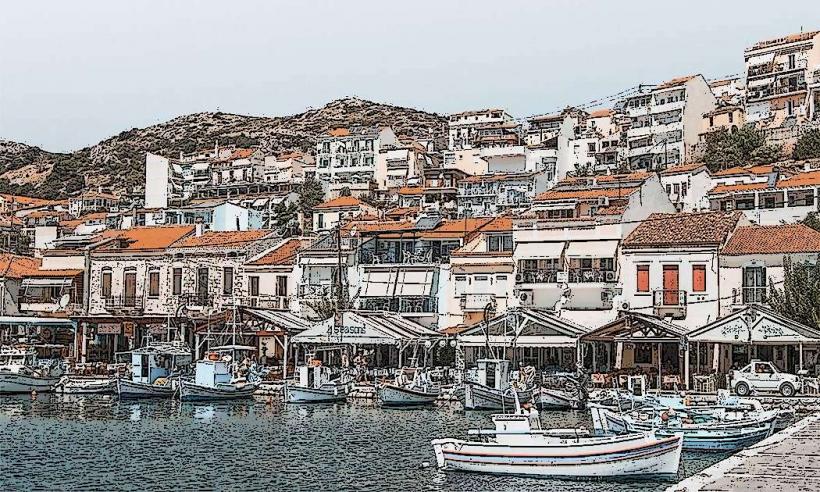
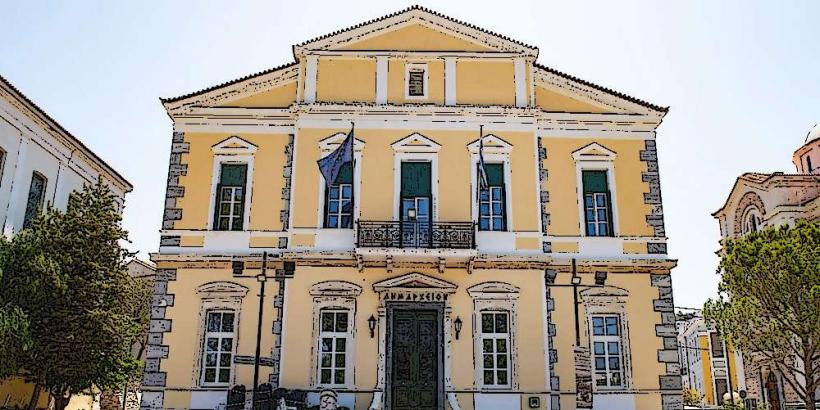
Vathy (Samos Town): The capital and main port in the northeast; a mix of neoclassical waterfront buildings and the traditional hillside neighborhood of Ano Vathy.
Pythagoreio: The primary historical and tourist hub in the southeast, built over the ruins of the ancient capital.
Karlovasi: The second-largest town and a northern port; an industrial-chic center with neoclassical tanneries, the University of the Aegean campus, and a vibrant student life.
Marathokampos: A southwestern region featuring the slopes of Mt. Kerkis, traditional stone villages, and the coastal resort of Kampos.
Kokkari: A picturesque northern fishing village, widely regarded as the island’s most aesthetic destination.
Top Landmarks
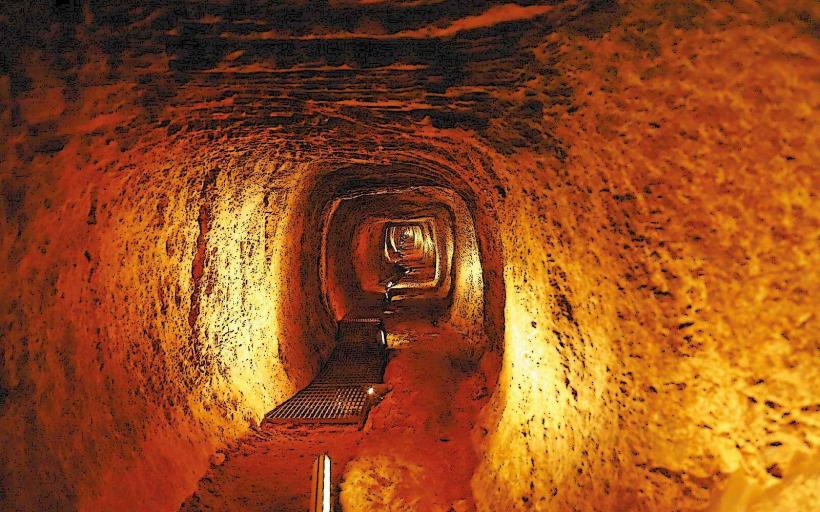
Tunnel of Eupalinos: A 1,036-meter underground aqueduct built in the 6th century BC. It is an engineering marvel, as it was dug simultaneously from both ends with mathematical precision.
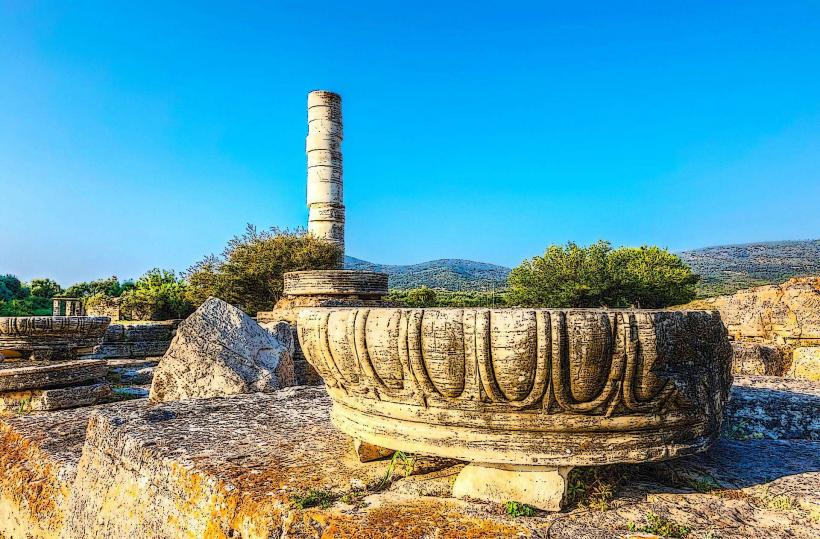
Heraion of Samos: The ruins of the colossal Temple of Hera, once the largest in Greece. Today, a single standing column (Kolona) remains.
Cave of Pythagoras: Located on the slopes of Mt. Kerkis, where the mathematician allegedly hid from the tyrant Polycrates.
Monastery of Panagia Spiliani: A church built inside a large cave overlooking Pythagoreio.
Potami Waterfalls: A series of natural pools and falls near Karlovasi, accessible via a forest trail and a short swim.
Transportation Network (2026)
Air: Samos International Airport "Aristarchos" (SMI). New direct flight connections from the UK (Jet2) and Scandinavia have expanded for the 2026 season.
Sea: Two main ports (Vathy and Karlovasi) connect to Piraeus and the North Aegean islands. Daily ferries run to Kuşadası, Turkey (approx. 45–90 minutes).
Road: Samos is a large, mountainous island. While a public bus (KTEL) connects the main towns, a car or high-cc scooter is necessary for the steep mountain routes.
Digital Integration: 2026 travel initiatives have implemented QR-coded info points and digital maps at all major archaeological sites.
Safety & Environment
Samos is safe, with a community-focused atmosphere.
Wildfires: Like much of the Aegean, Samos is high-risk for wildfires in July and August.
Nature: The island is home to the golden jackal and rare bird species in the Alyki wetlands.
Infrastructure: Tap water is safe for washing but bottled water is preferred for drinking in most rural areas.
The Muscat Wine Economy
Samos is world-famous for its Muscat grapes, grown on stone-walled terraces up to 900m elevation.
Samos Muscat: A PDO sweet wine. The Catholic Church has a long-standing privilege of using Samos wine for the Holy Eucharist.
Museum of Samos Wine: Located in Vathy, housed in a 19th-century stone winery.
Local Cost Index
1 Espresso (Freddo): €3.00–€4.50
1 Bottle of Samos Vin Doux: €8.00–€12.00
1 Standard Lunch: €16.00–€26.00
1 Car Rental (Daily): €35.00–€55.00 (High season)
Facts & Legends
Legend names Samos as the birthplace of Hera; her marriage to Zeus was said to have taken place here. A verified historical fact: Aristarchus of Samos was the first known human to propose a heliocentric model of the solar system, placing the Sun at the center 1,800 years before Copernicus.