Information
City: San FranciscoCountry: USA California
Continent: North America
San Francisco, USA California, North America
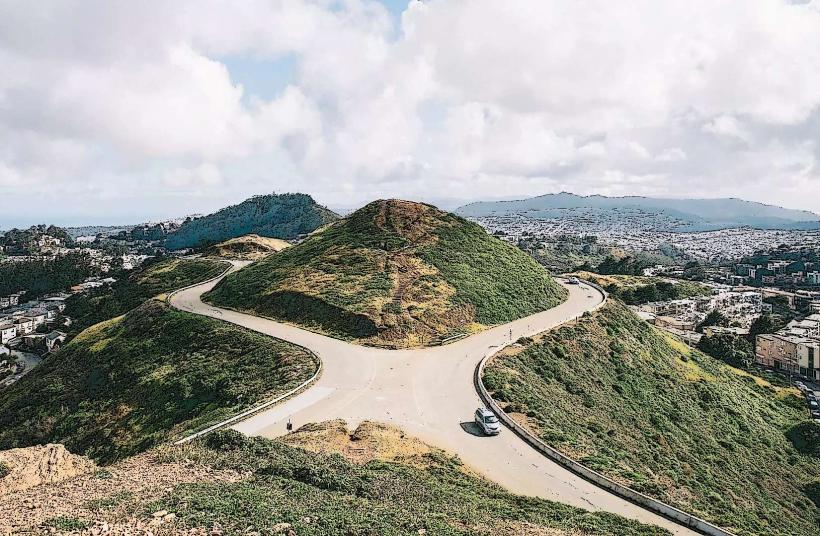
San Francisco is the financial, commercial, and cultural center of Northern California. Situated on a 46.9-square-mile (121-square-kilometer) peninsula between the Pacific Ocean and San Francisco Bay, it is defined by its steep hills, Victorian architecture, and dense urban fabric.
Historical Timeline
Founded in 1776 by Spanish colonists as the Presidio of San Francisco, the city was transformed by the 1848 California Gold Rush, which turned a small settlement into a major world port. In 1906, a catastrophic earthquake and subsequent fire destroyed 80% of the city. San Francisco was rebuilt rapidly and became a hub for 1960s counterculture (the "Summer of Love") and later the epicenter of the global technology boom due to its proximity to Silicon Valley.
Demographics & Population
The estimated population for 2026 is 790,000. The city has a high population density (the second highest in the U.S. after New York City). The demographic is approximately 39% White (non-Hispanic), 37% Asian, 15% Hispanic/Latino, and 5% Black or African American. It maintains one of the highest median household incomes in the United States.
Urban Layout & Key Districts
The city is laid out in a grid over more than 40 hills.
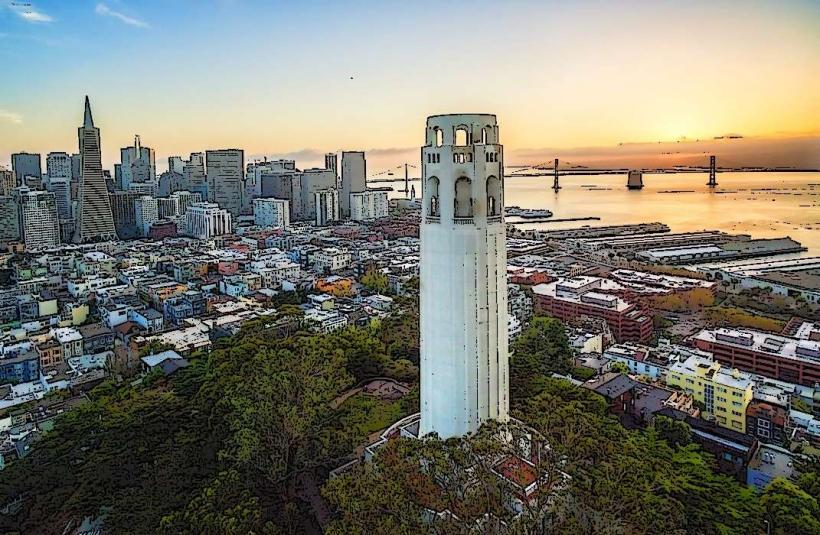
The Financial District (FiDi): The city's business core, featuring the Transamerica Pyramid and Salesforce Tower.
Mission District: A vibrant, historically Latino neighborhood known for murals, tech-gentrification, and a diverse culinary scene.
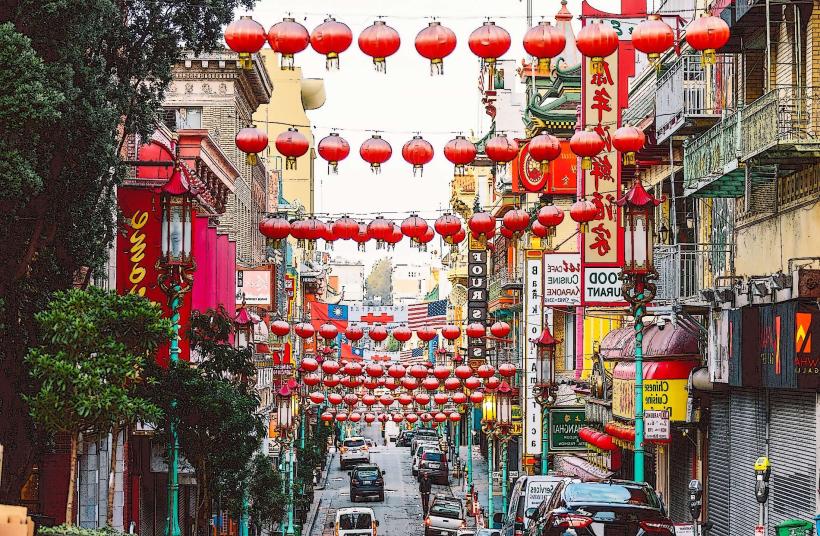
Chinatown: The oldest and one of the largest Chinatowns in North America.
The Castro: A world-renowned center for LGBTQ+ culture and history.
Haight-Ashbury: The historic heart of the hippie movement, now a mix of vintage shops and high-end boutiques.
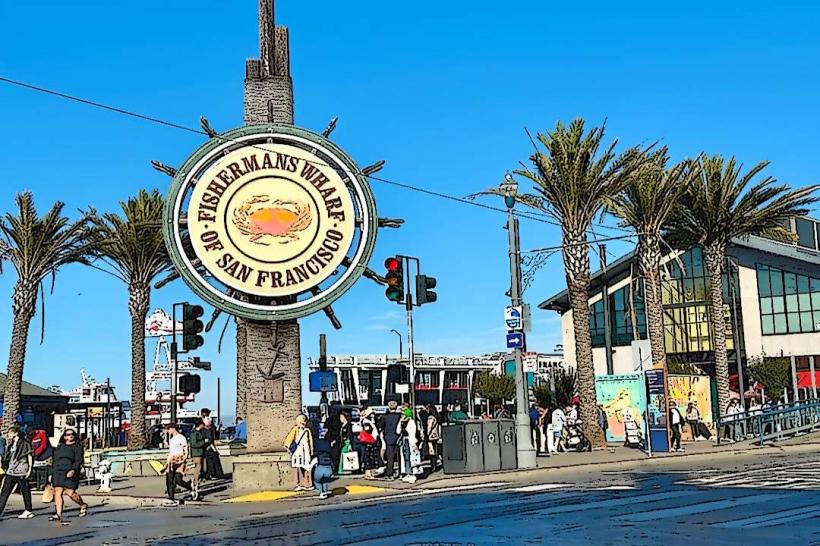
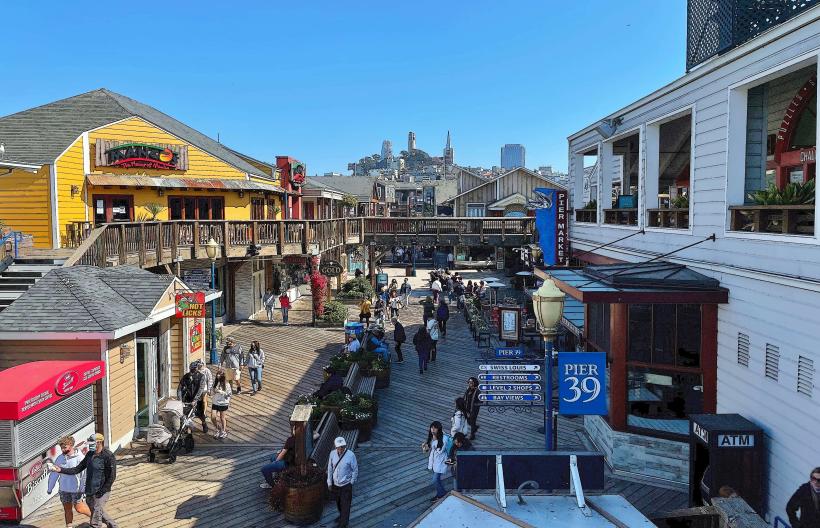
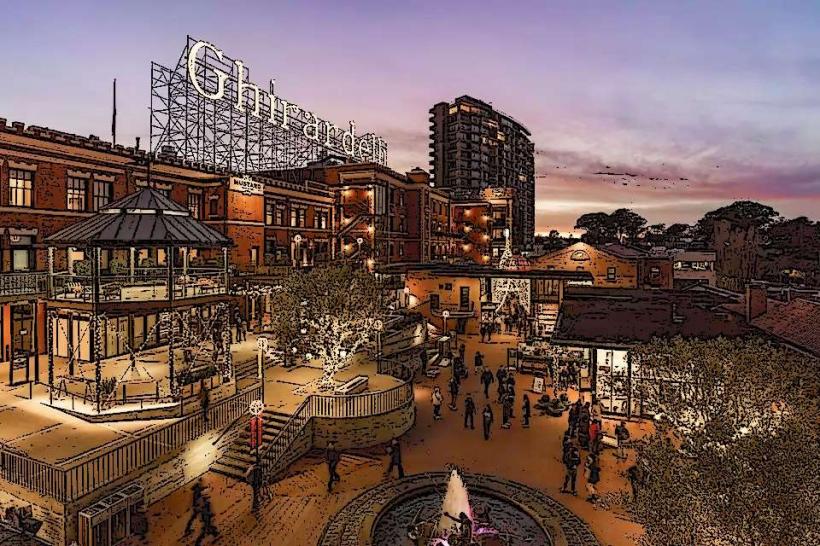
Fisherman's Wharf: The primary tourist hub, including Pier 39 and Ghirardelli Square.
Top City Landmarks
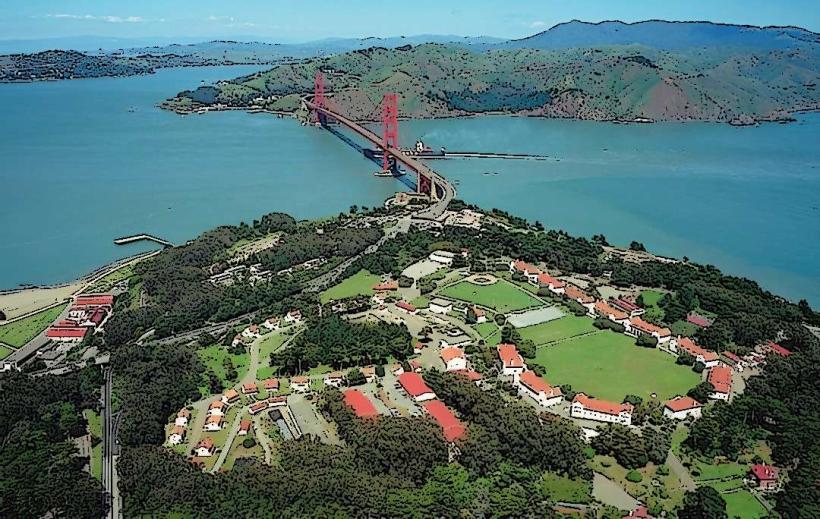
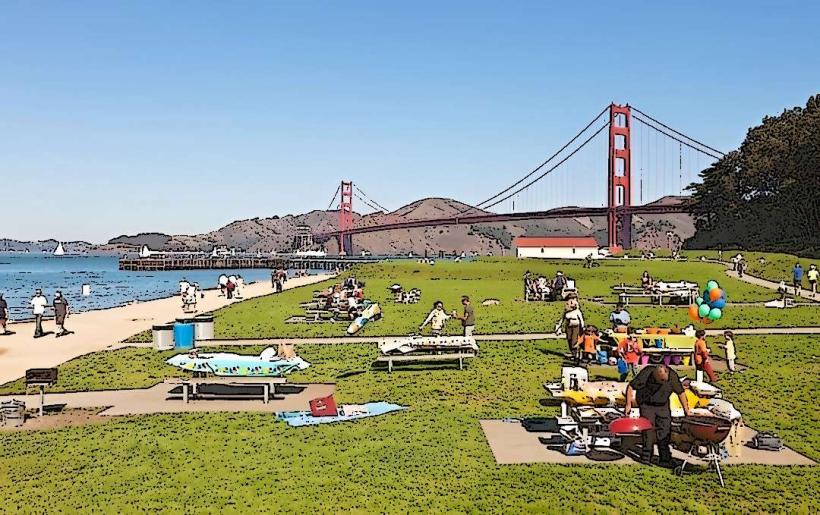
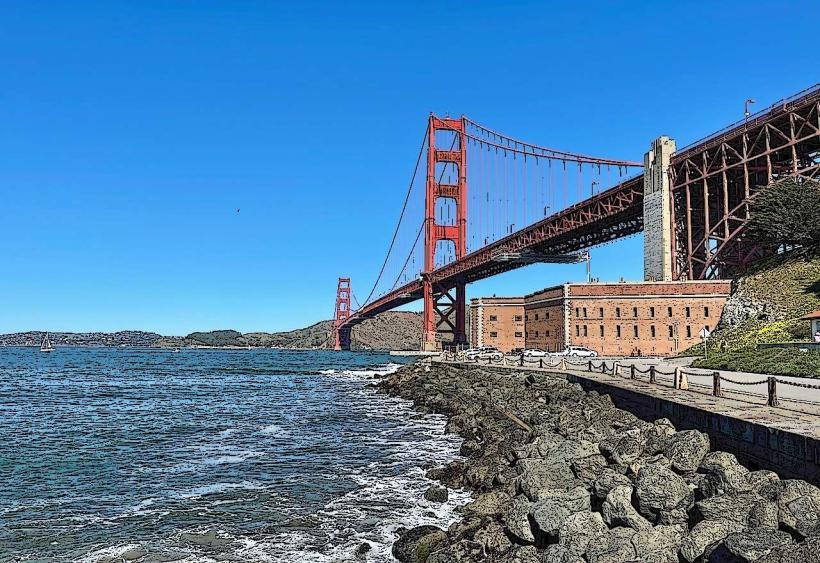
Golden Gate Bridge: The iconic 1.7-mile (2.7 km) orange suspension bridge connecting the city to Marin County.
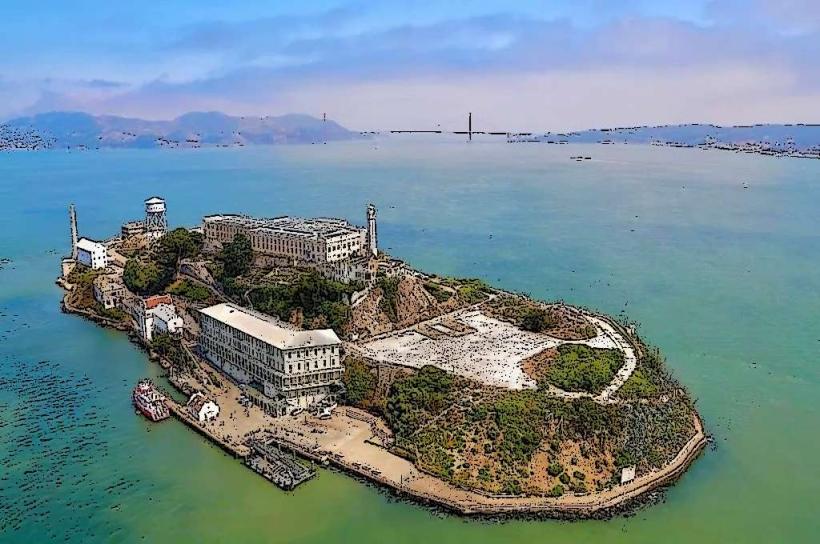
Alcatraz Island: The former federal prison located 1.25 miles (2.0 km) offshore; accessible via ferry.
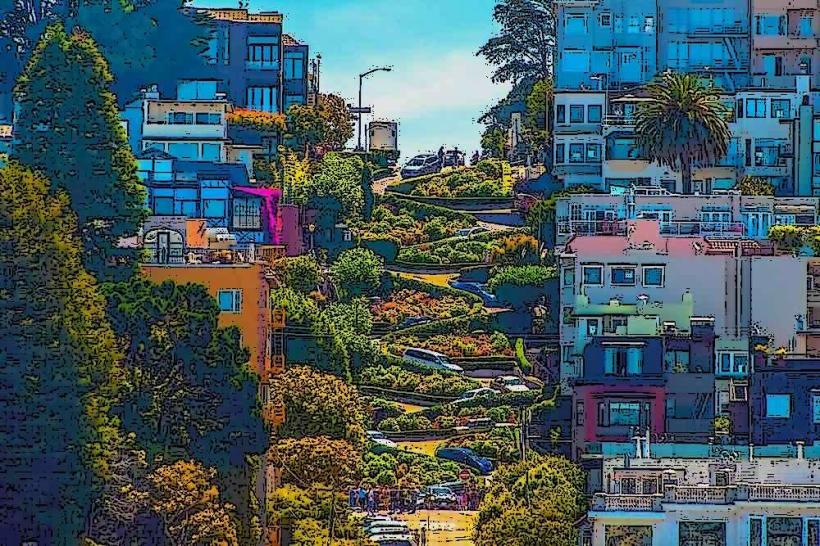
Lombard Street: Known as the "crookedest street in the world" due to its eight sharp hairpin turns.
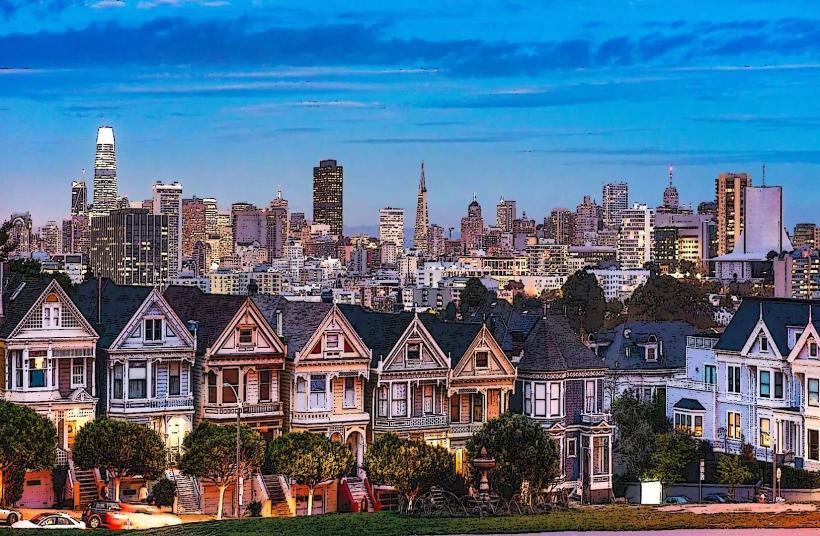
Painted Ladies: A row of Victorian houses in Alamo Square set against the city skyline.
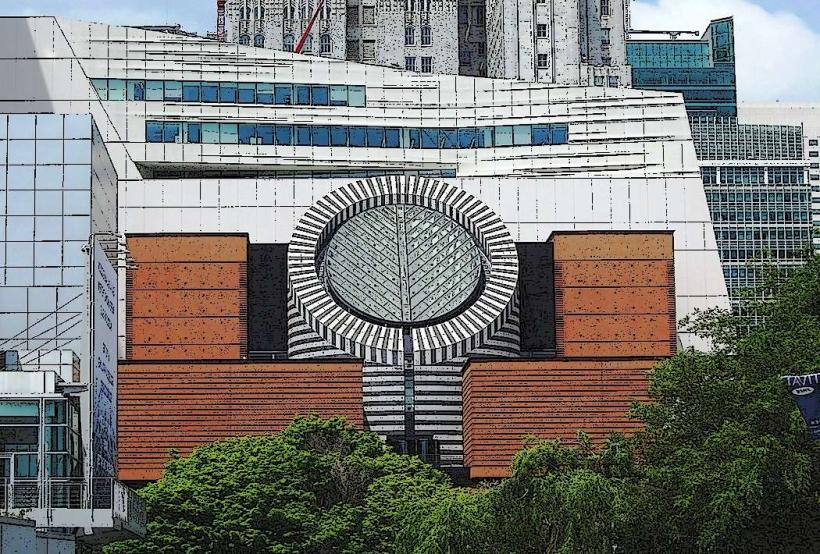
SFMOMA: The San Francisco Museum of Modern Art, housing one of the largest collections of contemporary art in the U.S.
Transportation Network
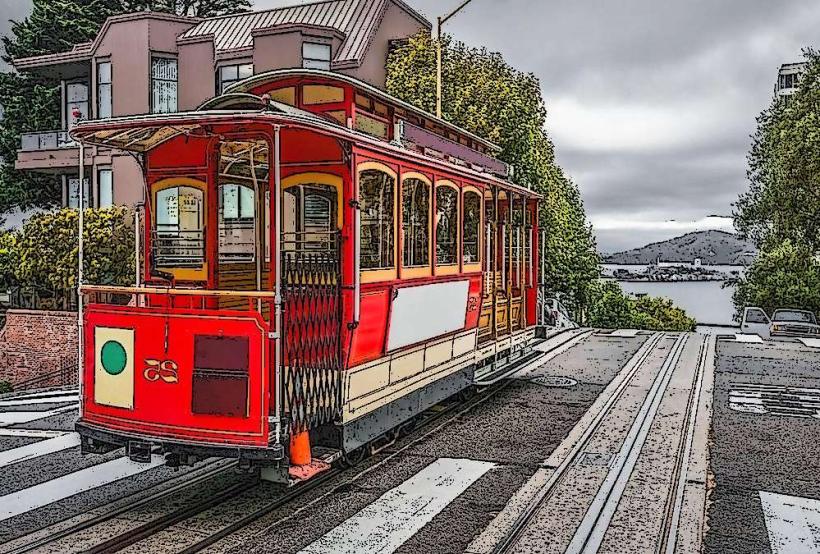
San Francisco International Airport (SFO) is the primary hub. Intra-city transit is managed by Muni (buses and light rail) and the historic Cable Cars. Regional transit to the East Bay and San Jose is handled by BART (Bay Area Rapid Transit) and Caltrain. The city is highly walkable but features extreme vertical grades. Ridesharing (Uber/Lyft) and autonomous vehicles (Waymo) are ubiquitous.
Safety & "Red Zones"
Safety is a significant concern in specific areas.
The Tenderloin & SOMA: These districts experience high levels of visible homelessness, open-air drug use, and petty crime.
Property Crime: The city has exceptionally high rates of vehicle break-ins ("smash-and-grabs"); travelers are strictly advised never to leave items in parked cars.
Natural Hazards: The city sits near the San Andreas and Hayward faults; seismic preparedness is mandatory.
Digital & Financial Infrastructure
Internet connectivity is among the fastest globally (100–2000 Mbps). The US Dollar (USD) is the currency. Cashless transactions are the norm; many businesses do not accept physical currency. Sales tax is 8.625%.
Climate & Air Quality
The city has a Mediterranean climate (Csb) with significant maritime influence.
"Karl the Fog": A thick marine layer frequently shrouds the city, especially in summer.
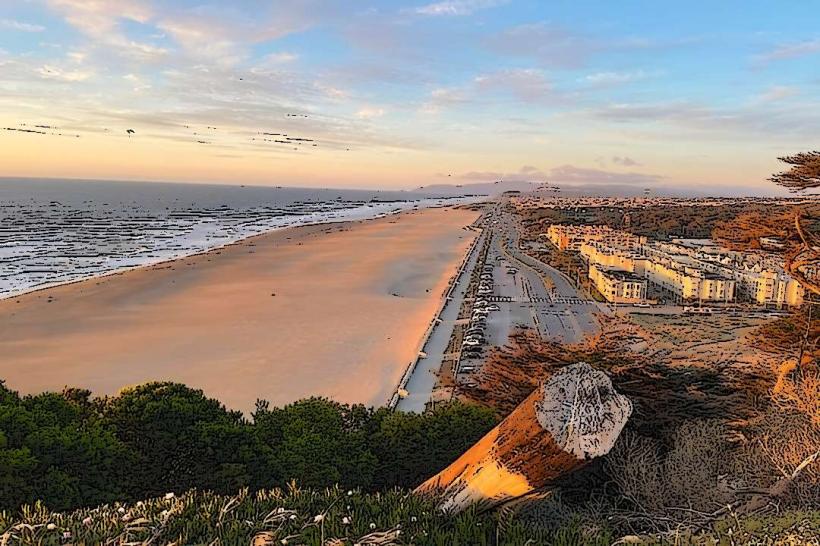
Microclimates: Temperatures can vary by 10°F (5°C) between the fog-swept Sunset District and the sunny Mission District.
Air Quality: Generally high due to ocean breezes, though it can be severely impacted by wildfire smoke from the interior during autumn.
Culture & Social Norms
San Francisco is socially progressive and informal. "Business casual" often means tech-oriented attire (hoodies/jeans). Tipping (18–25%) is expected in restaurants. Public smoking of tobacco is heavily restricted, whereas cannabis use is legalized and common.
Accommodation Zones
Union Square: Central location for luxury hotels and shopping.
Nob Hill: Quiet, upscale district with historic hotels and views.
Marina District: Recommended for a local feel with proximity to the Palace of Fine Arts and the bridge.
Local Cost Index
1 Espresso: $5.00 – $7.00
1 Standard Lunch: $20.00 – $30.00
1 Cable Car Ride: $8.00
Nearby Day Trips
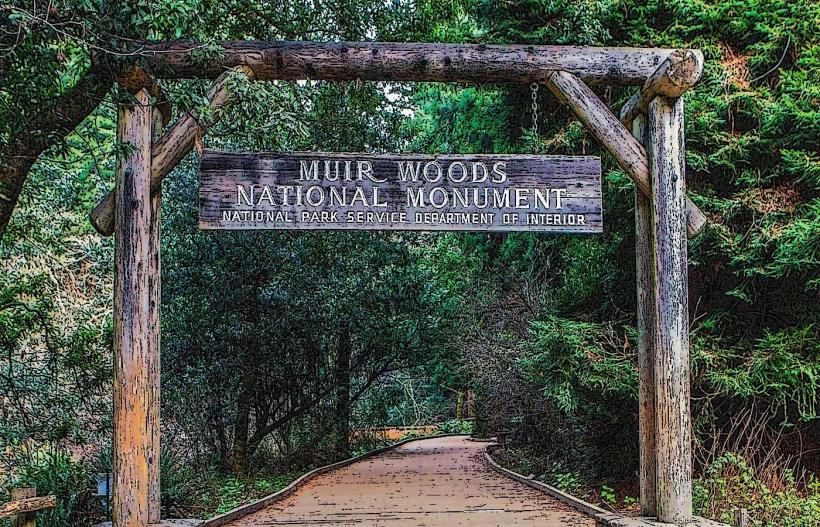
Muir Woods: 16 miles (26 km) north (Ancient coastal redwoods).
Napa & Sonoma Valleys: 50 miles (80 km) north (World-class wine regions).
Silicon Valley (Palo Alto/Mountain View): 35 miles (56 km) south.
Point Reyes National Seashore: 37 miles (60 km) northwest.
Facts & Legends
The Golden Gate Bridge was originally intended to be painted black and yellow stripes (as requested by the Navy for visibility), but the architect chose "International Orange" to complement the natural landscape. A verified fact: the city is built on top of dozens of abandoned 19th-century ships that were buried as the waterfront was filled in during the Gold Rush. Local legend states that "the coldest winter I ever spent was a summer in San Francisco," a quote often misattributed to Mark Twain.