Information
City: Sant Ferran de Ses RoquesCountry: Balearic Islands
Continent: Europe
Sant Ferran de Ses Roques, Balearic Islands, Europe
Sant Ferran de Ses Roques is an inland village located in the center of Formentera. Historically, it was the island’s counter-culture hub during the 1960s and 70s and remains a focal point for the local artistic and music community.
Historical Timeline
The village grew around its 18th-century church, though the area remained largely agrarian until the mid-20th century. During the hippie movement, it became a global meeting point for musicians and intellectuals. It currently functions as the island's informal cultural alternative to the administrative capital of Sant Francesc.
Demographics & Population
The population is approximately 3,000. The demographic is characterized by a high concentration of permanent residents, local artisans, and long-term expatriates. The economy is based on small-scale commerce, traditional trades, and seasonal hospitality.
Urban Layout & Key Districts
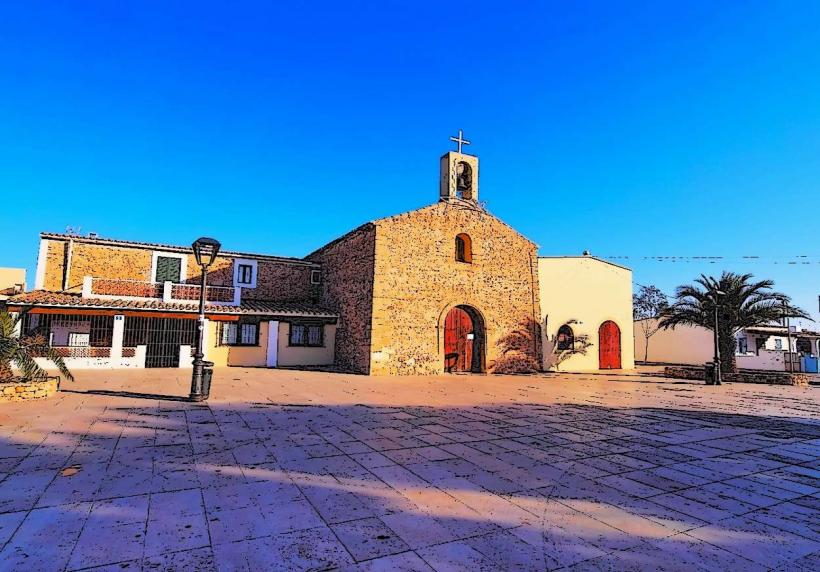
Plaça de l’Església: The central pedestrian square and primary social space.
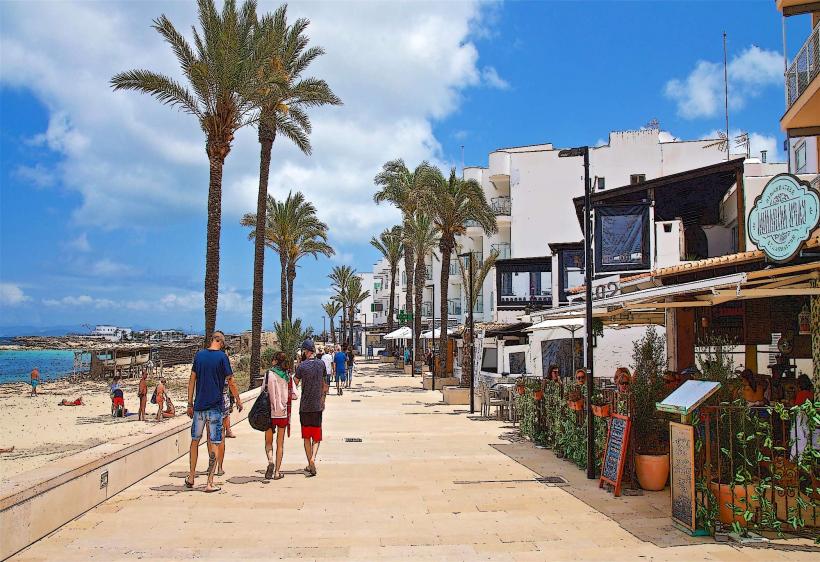
Main Pedestrian Thoroughfare: Features a high density of traditional bars, restaurants, and craft shops.
Es Pujols (North): The neighboring coastal resort district, which is the main tourist center of the island.
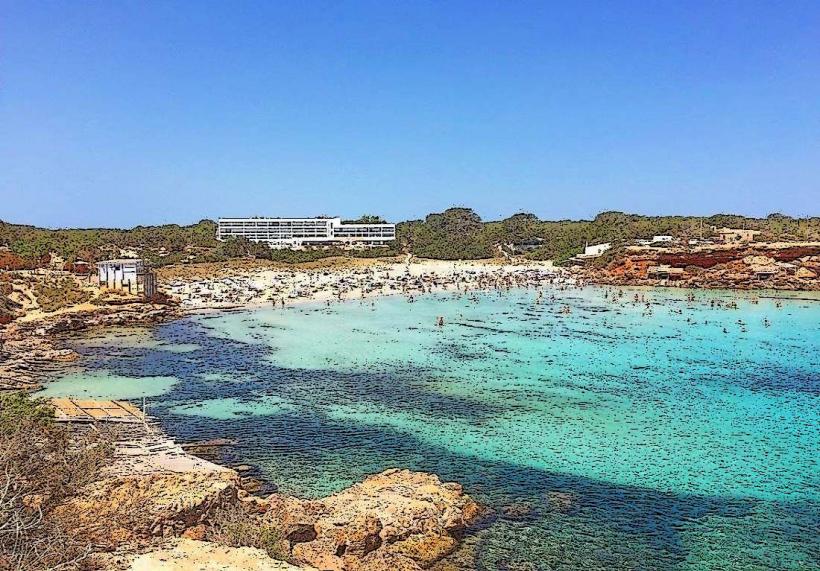
Cala en Baster (East): A rocky coastal area known for boat caves carved into the limestone.
Top Landmarks
Sant Ferran Church: A 19th-century sandstone church, notable for its austere design and central location.
Fonda Pepe: A legendary bar and hostel that served as the epicenter of the hippie movement in the 1960s; it was frequented by members of Pink Floyd and Bob Dylan.
Art and Craft Markets: Held in the evening during summer months, showcasing local painters and jewelry makers.
Cala en Baster: A natural limestone inlet featuring traditional dry-dock caves for local fishing boats.
Transportation Network
Road: Situated at a major crossroads on the PM-820, linking La Savina to El Pilar de la Mola.
Bus: TIB lines 1 and 2 provide frequent daily connections across the island.
Cycling: Strategically located for "Green Routes" (Rutes Verdes) 6, 7, and 8.
Parking: Restricted in the pedestrian core; public parking is situated on the village periphery.
Safety & "Red Zones"
Road Hazards: The main intersection in Sant Ferran is one of the busiest on the island; caution is required when navigating scooters.
Coastal Cliffs: Cala en Baster has sheer drops with no safety barriers; unauthorized climbing is prohibited.
Water Scarcity: Tap water is non-potable; use bottled water for consumption.
Digital & Financial Infrastructure
4G/5G coverage is consistent. The currency is the Euro (€). ATMs are available along the main street. Contactless payment is standard in most establishments.
Climate & Air Quality
Mediterranean climate; extremely dry. The village is slightly more sheltered from sea winds than coastal areas. Air quality is excellent.
Culture & Social Norms
Live Music: Known for its "Musica a la Mar" and regular live performances in the square.
Artistic Identity: Many residents are professional artisans; local workshops are often open to the public.
Cuisine: Specialized in Flaó (goat cheese and mint cake) and Orelletes (traditional fried pastries).
Local Cost Index (EUR)
1 Espresso: €1.50–€2.50
1 Standard Dinner: €25.00–€40.00
1 Pint of Beer (Fonda Pepe): €4.00–€6.00
Nearby Day Trips
Es Pujols: 5 minutes north; the island's primary nightlife and sandy beach area.
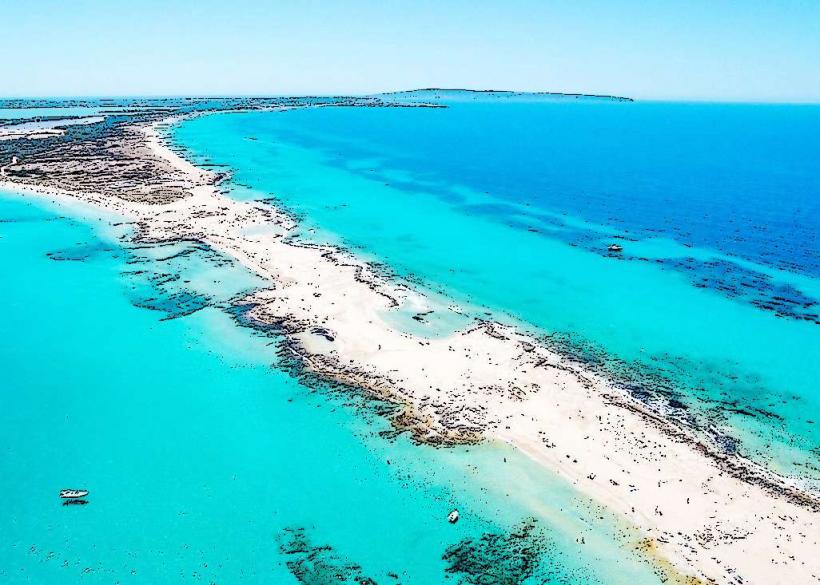
Platja de Migjorn: 10 minutes south; a 5 km stretch of pristine beach and dunes.
Facts & Legends
Legend says that the members of Pink Floyd wrote parts of their early music while staying in the village during the 1960s. A geographic fact: Sant Ferran is equidistant from the island's three main capes (Cap de Barbaria, Punta de sa Creu, and La Mola). Historically, the village maintained its "bohemian" character longer than any other settlement in the Balearics, resisting large-scale hotel development in favor of traditional guesthouses.