Information
City: SengleaCountry: Malta
Continent: Europe
Senglea, Malta, Europe
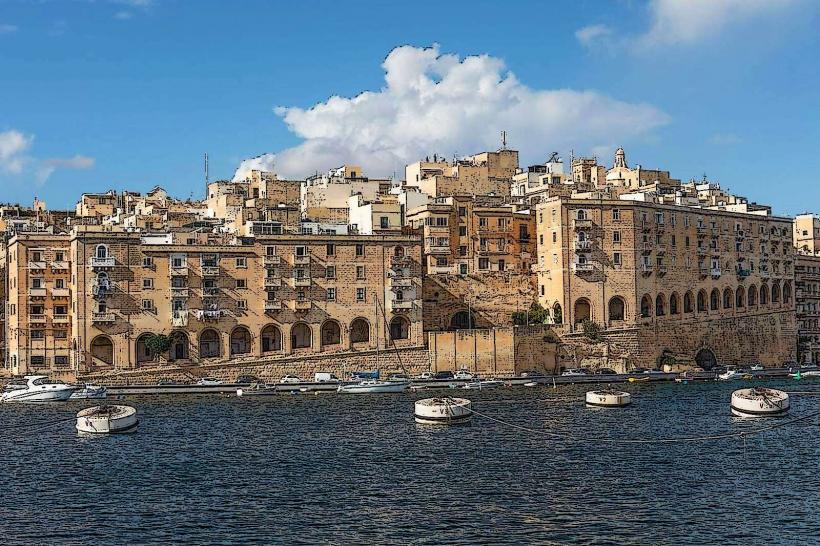
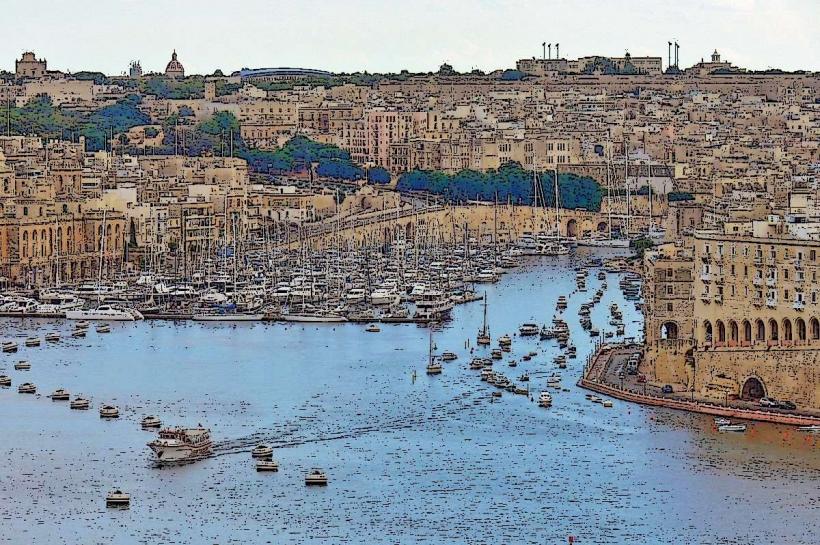
Senglea (L-Isla) functions as the primary defensive and residential pivot of the Three Cities (Cottonera). Situated on a narrow, elevated peninsula between French Creek and Dockyard Creek, it serves as a specialized node for naval history, traditional Maltese rowing (Regatta), and Baroque sacred art. It is defined by its title Civitas Invicta (The Unconquered City), its grid-patterned Romanesque urban design, and its 2026 role as a finalized showcase for heritage-led urban regeneration and sustainable harbour transport.
Historical Timeline
1552: Foundation stone of Fort St. Michael laid; designed by Pedro Pardo to protect the Grand Harbour.
1554: Named Senglea after Grand Master Claude de la Sengle, who transformed the hunting ground into a fortified city.
1565: The primary target of the Ottoman land and sea assault during the Great Siege; despite extreme pressure, the city never fell.
1941: Sustained the heaviest aerial bombardment in Malta during WWII, aimed at HMS Illustrious; 75% of the city was destroyed.
2026 Context: In early 2026, Senglea is a lead participant in the "Grand Harbour Clean Air" initiative, which has finalized the shore-to-ship power infrastructure in the neighboring Corradino docks to eliminate cruise and cargo ship emissions.
Demographics & Population
The urban population is approximately 2,720 (2026 estimate). It is the smallest and most densely populated of the Three Cities. The demographic is characterized by a strong local identity, though 2026 has seen a specialized rise in boutique tourism and Michelin-listed hospitality. In 2026, Senglea operates a specialized "Heritage Living" scheme, providing subsidies for residents to maintain the traditional lime-washed facades of the peninsula.
Urban Layout & Key Districts
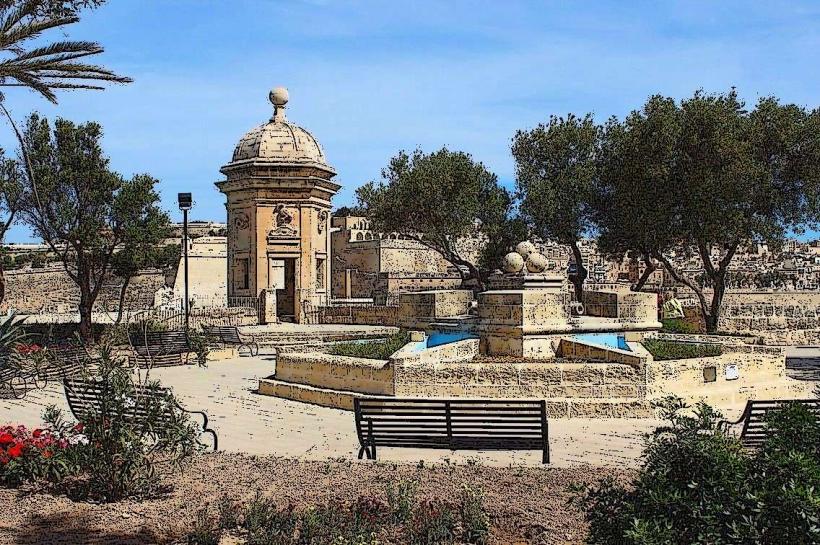
The Bastion Tip (Senglea Point): The specialized vantage point containing the Gardjola Gardens; offering a tactical view of Valletta and Fort St. Angelo.
Victory Street: The specialized primary axis; a narrow spine containing the Basilica and the city's most significant religious shrines.
Senglea Waterfront: A specialized pedestrian promenade along Dockyard Creek; features restored 18th-century warehouses now converted into high-end restaurants.
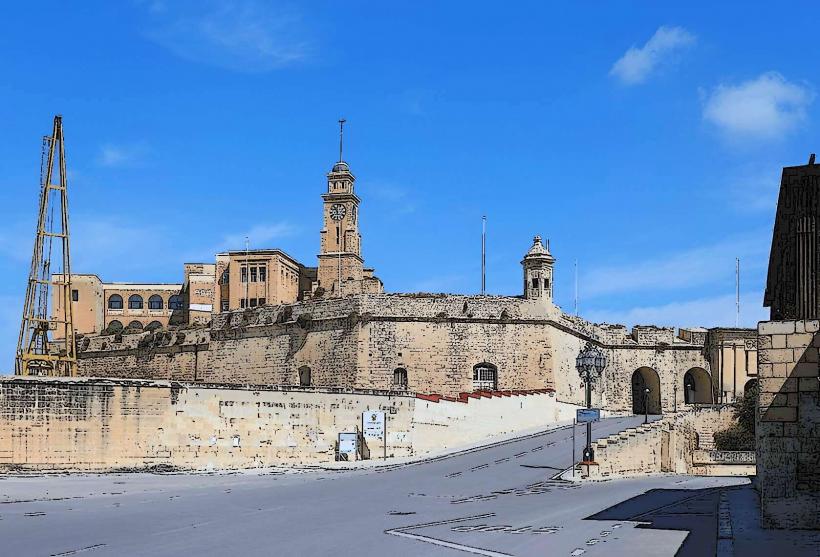
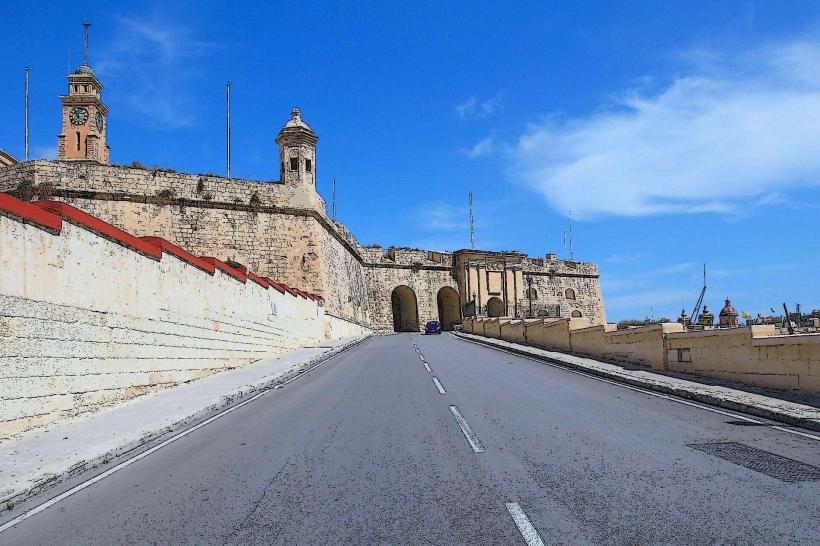
The Main Gate: The specialized land-side entry; featuring the remaining ramparts of Fort St. Michael and the "Città Invicta" monument.
Top City Landmarks
Gardjola Gardens: A specialized 16th-century sentry post featuring the Gardjola (Watchtower); famous for its carved symbols (an eye, an ear, and a crane) representing vigilance.
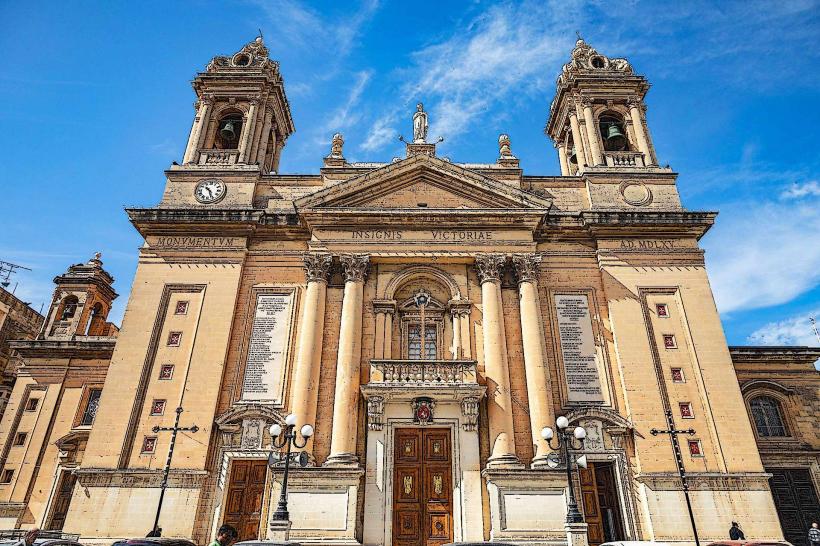
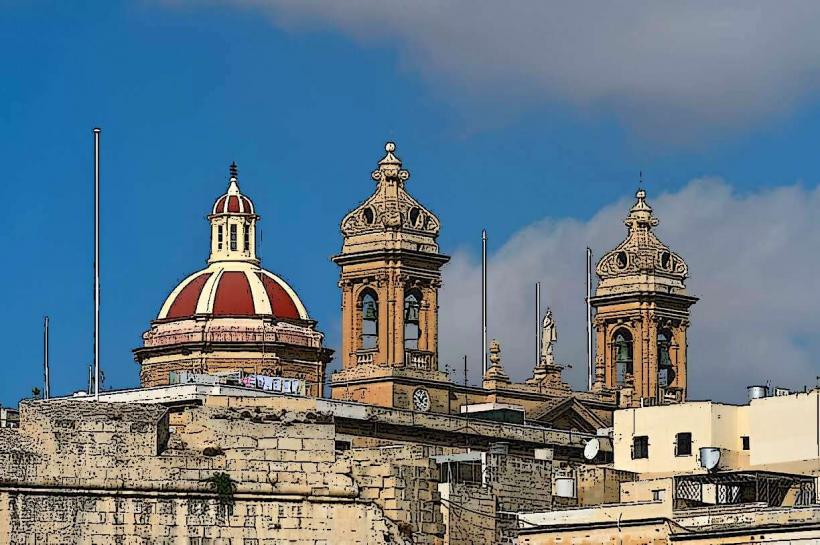
Basilica of the Nativity of Mary (Marija Bambina): A specialized site of pilgrimage; contains the miraculous statue of Christ the Redeemer (Ir-Redentur), one of Malta's most revered religious artifacts.
Madonna tan-Nofs (Our Lady of the Center): A specialized 18th-century statue in the city center; originally erected as a thank-offering after Senglea was the only city spared from the 1676 plague.
The Maċina: A specialized 16th-century bastion used historically for "masting" (fitting masts to) galleys; now a luxury hotel and cultural landmark.
Fort St. Michael (Remnants): The specialized defensive core; though largely demolished for post-war development, its base structures define the city's landward defenses.
The Senglea Gate: A specialized Baroque entrance; serves as the primary gateway for the 2026 electric shuttle services entering the city.
Transportation & 2026 Logistics
Three Cities Ferry: In 2026, the Valletta-Senglea catamaran operates on a finalized 15-minute high-frequency schedule, serving as the primary link to the capital.
Water Taxis (Dgħajsa): Specialized traditional gondolas provide point-to-point transit across the Grand Harbour. In 2026, several are equipped with silent electric outboard motors.
2026 Transit Fare: A return ferry ticket for adults is €2.80, while single bus journeys via the Tallinja card are €2.00 (Winter 2025/2026 rate).
Parking: Strictly regulated. In 2026, the Cottonera Multi-Storey Hub in Bormla serves as the primary interceptor for non-resident vehicles visiting Senglea.
Safety & Environment
The general safety level is high. Warning: The streets are exceptionally narrow and steep; 2026 traffic regulations strictly prohibit non-resident vehicles from Victory Street between 10:00 AM and 6:00 PM. In 2026, Senglea utilizes the "Città Verde" system, a specialized sensor network monitoring sea vibration and stone humidity to protect the peninsula's stability.
Local Cost Index (2026 Estimates)
1 Espresso (Waterfront): €1.80 – €2.50
Al Fresco Dinner for Two: €50.00 – €85.00
Return Ferry to Valletta: €2.80
Monthly Rent (1-BR Authentic House): €850 – €1,200
Price per m² (View-front property): €5,500 – €7,500
Facts & Legends
Senglea is the site of the "Victory Day Regatta" (September 8), a specialized rowing competition where the city has historically won the most titles. Legend states that during the Great Siege, the city was so impenetrable that the Ottoman commanders refused to believe it was defended by humans, claiming "even the stones of Senglea fight back." A verified fact is that Senglea was the first city in Malta to be built on a pre-planned grid system, preceding Valletta by over a decade. Historically, the city’s residents were exempted from certain taxes in perpetuity as a reward for their "Invincible" defense of the harbour.