Information
City: ShenzhenCountry: China
Continent: Asia
Shenzhen, China, Asia
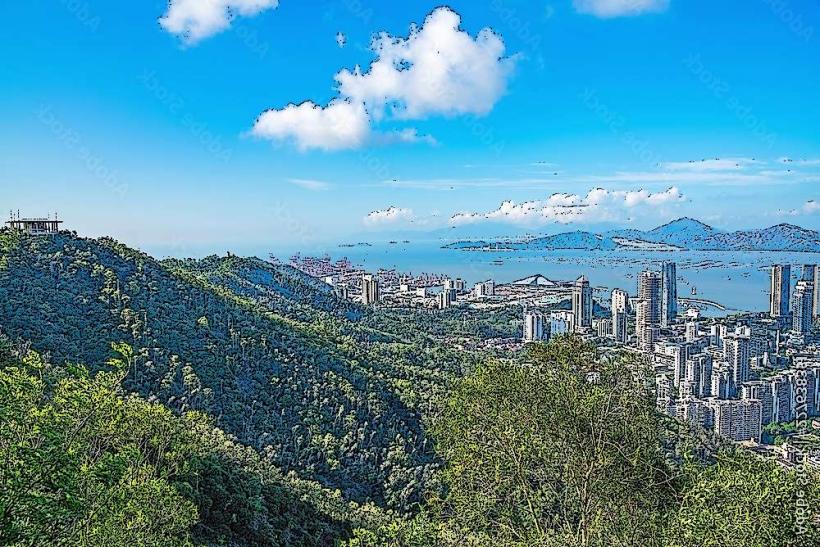
Shenzhen is a major sub-provincial city in Guangdong Province and the core of China’s "Silicon Valley." Situated immediately north of Hong Kong, it has evolved from a collection of fishing villages into a global technology and hardware manufacturing hub.
Historical Timeline
In 1979, the area was a rural border town. In 1980, under Deng Xiaoping, it was designated as China's first Special Economic Zone (SEZ). This status allowed for market-oriented reforms and foreign investment that catalyzed unprecedented urban growth. The primary event shaping the current urban form was the rapid transition from "world's factory" to a high-tech innovation center, marked by the 2017 completion of the Ping An Finance Centre and the 2020s focus on the "Greater Bay Area" integration.
Demographics & Population
The 2026 estimated population is approximately 17.8 million. It is China’s youngest megacity, with a median age of approximately 32 years. The demographic is almost entirely composed of migrants from other Chinese provinces; Mandarin is the lingua franca over the regional Cantonese.
Urban Layout & Key Districts
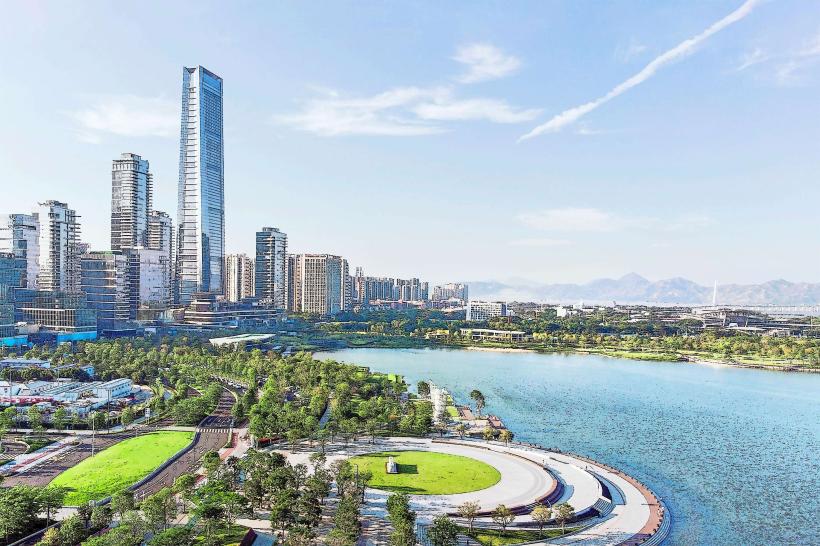
The city is linear, stretching 45 km east-to-west along the coast. The 2 most important districts are Nanshan (the technology hub containing Tencent and DJI, located West) and Futian (the financial and administrative center, located Central).
Top City Landmarks
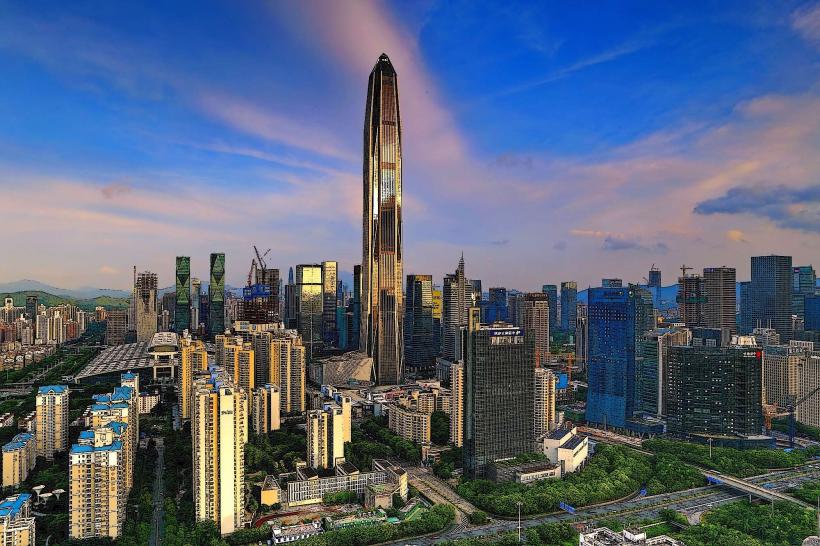
Ping An Finance Centre (599m)
Lianhuashan Park (Statue of Deng Xiaoping)
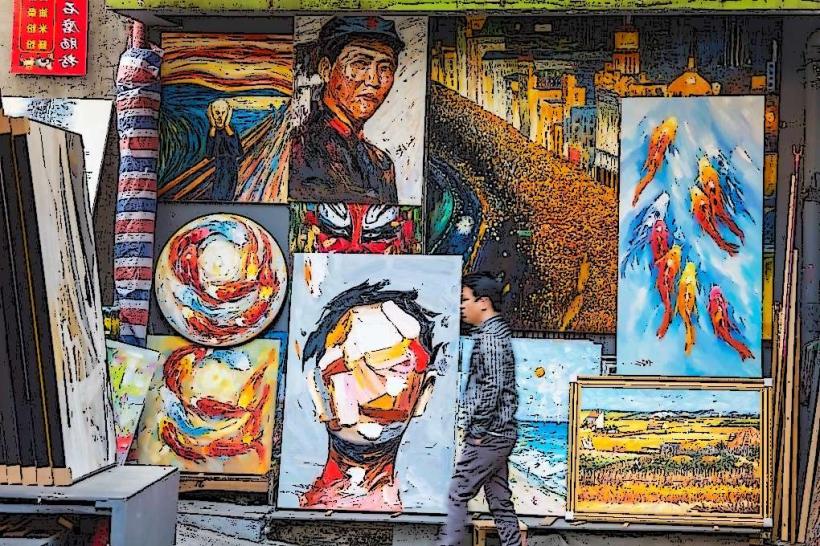
OCT Loft (Contemporary art and design district)
Sea World (Shekou waterfront)
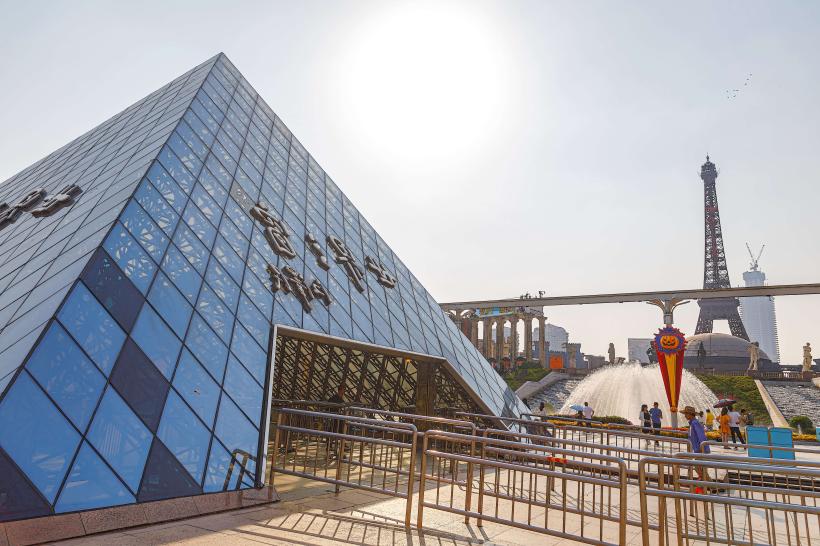
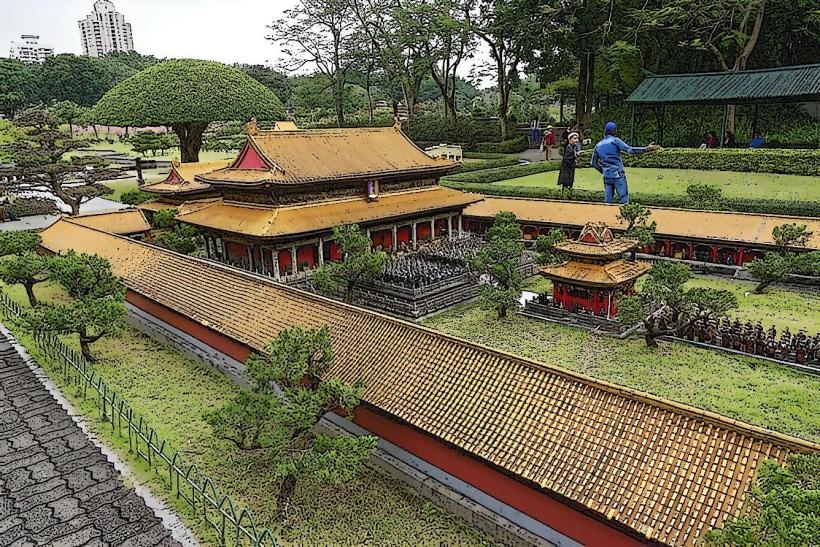
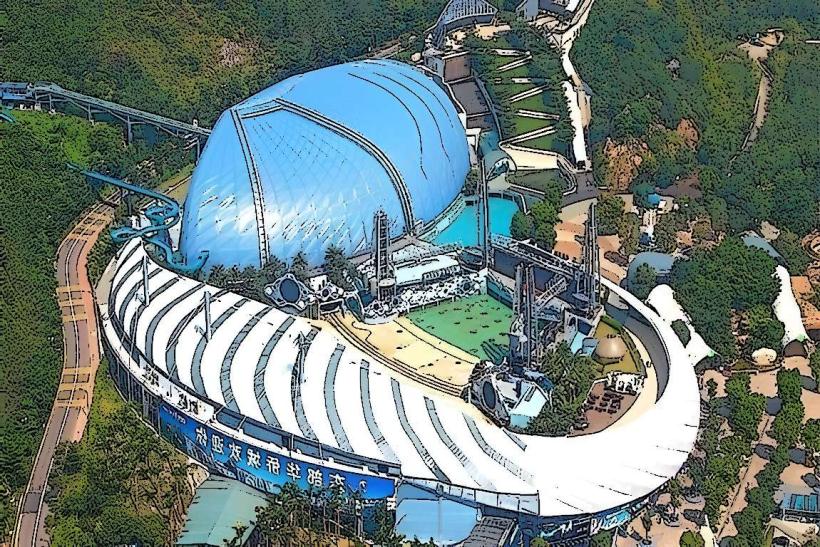
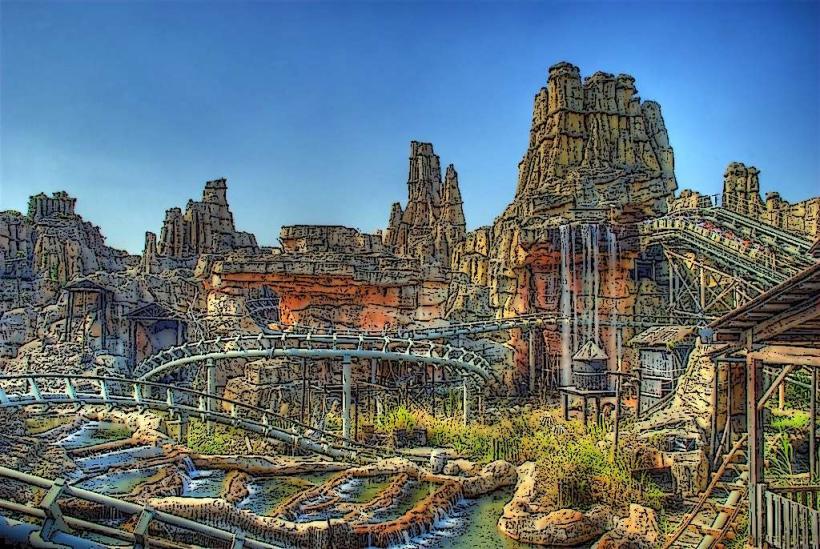
Window of the World / Splendid China (Theme parks)
Transportation Network
Movement is supported by a 16-line metro system (over 550 km) that is fully automated in many sections. Shenzhen is unique for having a 100% electric public bus and taxi fleet. Didi is the dominant ride-hailing service. High-speed rail connects Futian to Hong Kong West Kowloon in 14 minutes. Shenzhen Bao'an International Airport (SZX) is the primary air gateway.
Safety & "Red Zones"
The general safety level is exceptionally high. There are no "red zones." Street crime is negligible due to ubiquitous facial-recognition surveillance and high employment rates. Standard caution is advised at the Luo Hu Commercial City border crossing for aggressive sales tactics and pickpocketing.
Digital & Financial Infrastructure
Shenzhen is the world's most advanced digital payment ecosystem. Internet speeds average 400–600 Mbps with universal 5G. WeChat Pay (headquartered in Nanshan) and Alipay are mandatory; physical cash is frequently refused. As of 2026, the Digital Yuan (e-CNY) is the primary medium for government transactions and public transport. International credit cards are accepted in high-end hotels but must be linked to WeChat/Alipay for daily use.
Climate & Air Quality
Shenzhen has a humid subtropical climate. Winters are mild and dry (15°C); summers are long, hot, and extremely humid (32°C+). Air quality is significantly better than in northern Chinese cities due to the coastal location and total electrification of transport. The primary weather risk is typhoons (July–September).
Culture & Social Norms
The local culture is defined by the slogan "Time is Money, Efficiency is Life." It is a highly meritocratic, "work-first" environment. Tipping is not practiced. Dress code is "tech-casual" (hoodies and sneakers are common even in business meetings). The Huaqiangbei electronics market is the cultural heart of the city's hardware hacker and "shanzhai" heritage.
Accommodation Zones
Futian CBD: Stay here for proximity to the convention center, high-end malls, and the Hong Kong border.
Nanshan (Houhai/Shekou): Stay here for the technology district, international schools, and Western-style dining/nightlife.
Local Cost Index
1 Espresso: 32 RMB ($4.50 USD)
1 Standard Lunch (Rice Set/Noodles): 40 RMB ($5.60 USD)
1 Metro Trip (Average): 6 RMB ($0.85 USD)
Nearby Day Trips
Hong Kong: 15–30 minutes by rail or ferry.
Dapeng Fortress: 55 km (1.5 hours by car) - 600-year-old walled village.
Dongguan: 60 km (45 minutes by rail) - Manufacturing heartland.
Facts & Legends
Shenzhen is the "Hardware Capital of the World"; it is estimated that 90% of the world's consumer electronics are sourced or assembled within a 100 km radius. A local legend involves the "Shenzhen Speed," referring to the 1980s construction of the Guomao Building at a rate of one floor every three days. A verified historical oddity is that the city has no "Old Town" in the traditional sense, as almost every structure in the city core was built after 1980.