Information
City: ShumenCountry: Bulgaria
Continent: Europe
Shumen, Bulgaria, Europe
Shumen functions as the primary administrative, cultural, and industrial hub of Northeastern Bulgaria. Situated at the eastern foot of the Shumen Plateau, it serves as a specialized node for Bulgarian foundational history, military archaeology, and high-altitude paragliding. It is defined by its proximity to the first two capitals of the Bulgarian state (Pliska and Preslav) and its role as the birthplace of the first modern Bulgarian orchestra and theater.
Historical Timeline
Shumen is one of the oldest settlements in the region, with layers dating to the Iron Age.
First Bulgarian Empire (7th–11th Century): The city functioned as a vital defensive fortress protecting the nearby capitals of Pliska and Veliki Preslav.
Ottoman Period: Transformed into a major military stronghold forming the "Strategic Quadrilateral" (along with Ruse, Varna, and Silistra).
1882: Became the site of the first brewery in Bulgaria (Shumensko Pivo), founded by Czech master brewer Franz Milde.
2026 Context: The city is undergoing specialized urban renewal, including the 2026 "Smart Plateau" initiative to digitize hiking trails and enhance safety for paragliders.
Demographics & Population
The urban population is approximately 69,950 (2026 estimate). The demographic is specialized toward mechanical engineering, education (Shumen University), and the food industry. Shumen is characterized by a significant Turkish minority (roughly 13%), contributing to a diverse cultural landscape and a distinct culinary tradition.
Urban Layout & Key Districts
The city is built along the slopes leading to the plateau, with a clear distinction between the historic high ground and the modern valley.
The Shumen Plateau: A specialized natural park 3 km from the center; it houses the city’s most significant monuments and offers specialized sites for rock climbing and mountain biking.
City Center (Peshak): A specialized pedestrian axis featuring the Drama-Puppet Theatre and the Regional Historical Museum.
Bilyakovets & Industrial Zone: Specialized northern and eastern sectors housing the city’s manufacturing plants and the brewery.
Kyoshkovete Park: A specialized recreational forest at the western edge of the city, serving as the gateway to the plateau's eco-trails.
Top City Landmarks
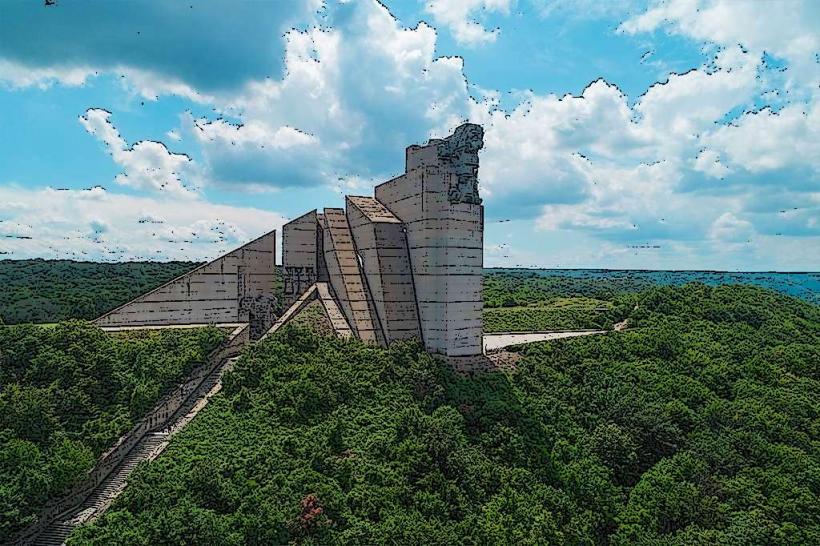
Founders of the Bulgarian State Monument: A specialized brutalist masterpiece (1981) visible from 30 km away; it uses massive concrete sculptures and mosaics to depict the history of the First Bulgarian Empire.
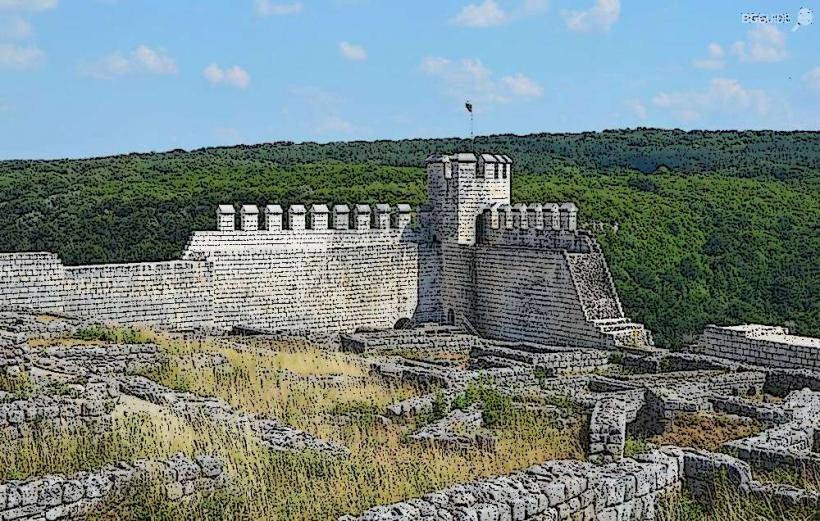
Shumen Fortress: A specialized archaeological reserve on the plateau featuring restored walls and a tower; it has been occupied by Thracians, Romans, Byzantines, and Bulgarians over 3,000 years.
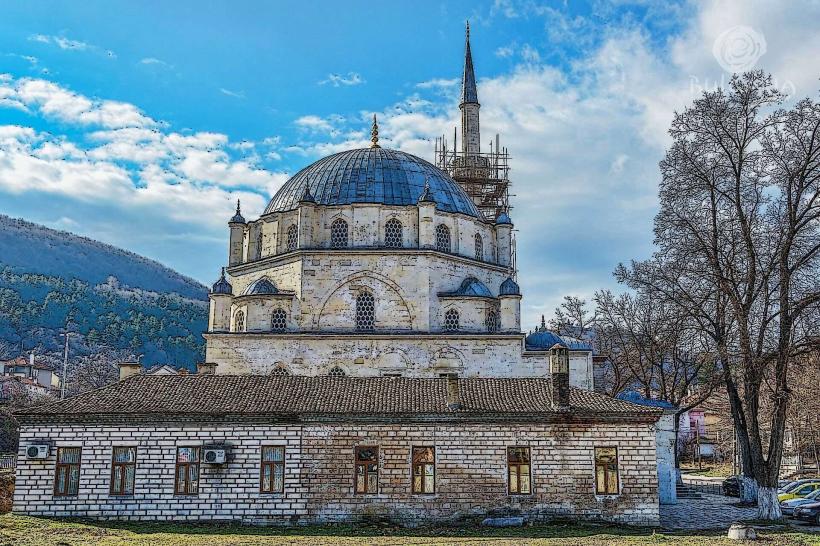
Tombul Mosque: A specialized 1744 structure; it is the largest mosque in Bulgaria and an architectural masterpiece of the Ottoman "Tulip Period."
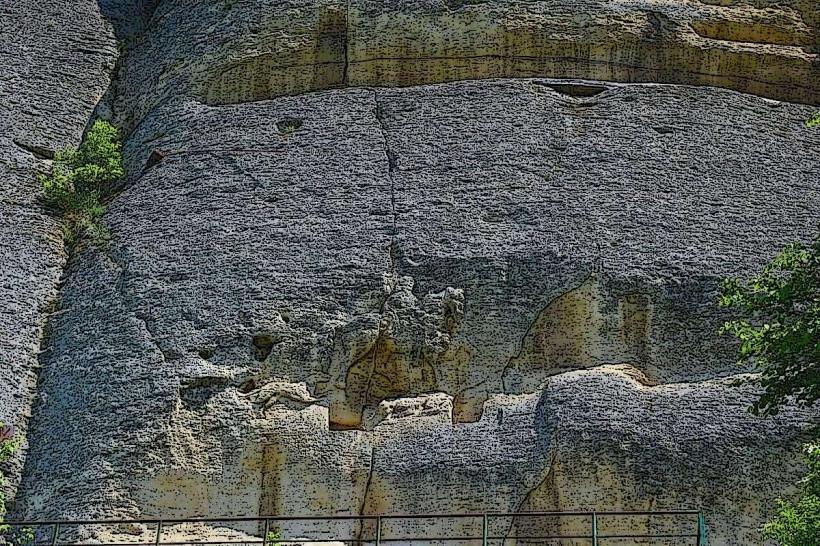
Madara Rider: 15 mins away; a specialized UNESCO World Heritage site featuring a 23-meter-high rock relief of a knight, the only one of its kind in Europe.
Regional Historical Museum: Houses a specialized collection of over 150,000 items, including the world’s oldest processed gold from the nearby Varna-type cultures.
Biserna Cave: A specialized 2.7-km karstic cave on the plateau, recently opened with modern lighting systems to showcase its unique stalactites.
Transportation & 2026 Logistics
Shumen is a specialized transport node connecting the A2 (Hemus Highway) to the interior.
Hemus Highway (A2): In 2026, the highway segments are undergoing modernization to decrease transit time to Sofia (3.5 hours) and Varna (50 minutes).
Railway Hub: A primary stop on the Sofia–Varna line; in 2026, the station utilizes a modernized digital ticketing system and improved cargo platforms for the industrial sector.
Paragliding: Shumen is a specialized European center for paragliding; in 2026, the "Air Park Shumen" offers daily transport to the plateau launch sites.
Safety & Environment
The general safety level is high. Shumen is statistically secure. Warning: In 2026, the plateau trails are strictly monitored for fire safety during the dry July–August season. Travelers should note that street reconstruction on key arteries like "Sveti Kliment Ohridski" may cause localized traffic delays through early 2026.
Local Cost Index (2026 Estimates)
1 Espresso: 2.50 – 4.00 BGN
1 Shumensko Beer (0.5L): 3.50 – 5.50 BGN
1 Portion of Kyufte: 6.00 – 9.00 BGN
Madara Rider Entry: 10.00 BGN
Monthly Rent (1-BR Center): 450 – 700 BGN
Nearby Day Trips
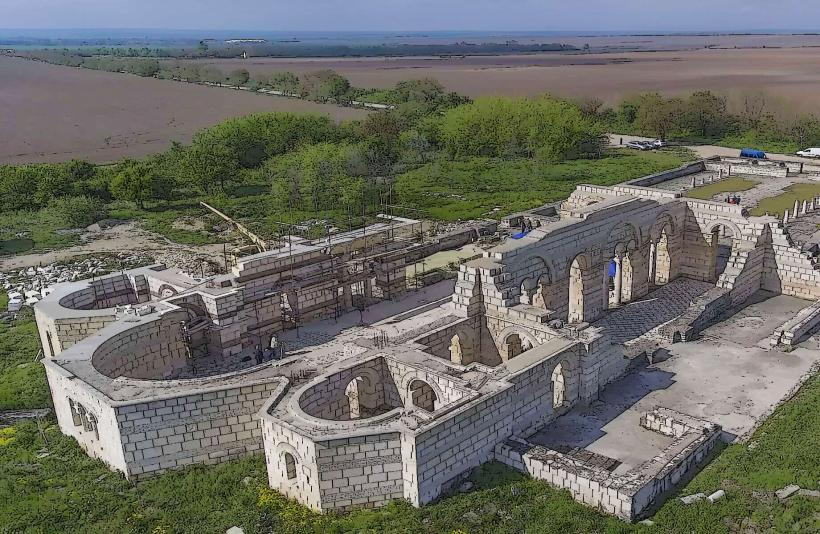
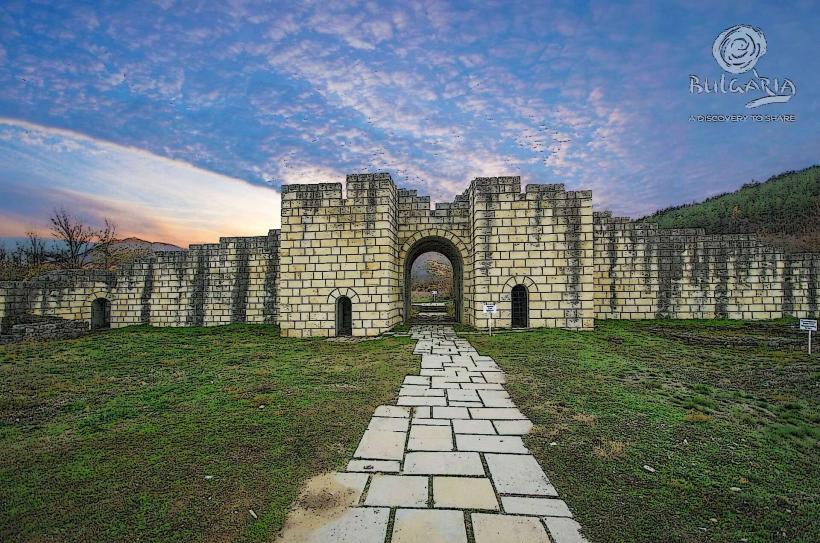
Pliska: 20 mins away; a specialized archaeological park featuring the ruins of the first Bulgarian capital and the Great Basilica.
Veliki Preslav: 25 mins away; the second Bulgarian capital, known for its "Golden Church" and specialized medieval ceramics.
Rock Monasteries of Khan Krum: 15 mins away; specialized 12th-century hermitages carved into the limestone cliffs.
Facts & Legends
Shumen is the site where Bulgarian beer was first industrially produced. Legend states that the Madara Rider represents a khan who achieved such a victory that the mountain itself bowed to him, allowing him to carve his image. A verified fact is that the Tombul Mosque contains a specialized library with over 5,000 rare manuscripts. Historically, the city hosted the first Bulgarian symphony orchestra in 1850, earning it the reputation as a "Cradle of Bulgarian Culture."