Information
Landmark: PreslavCity: Shumen
Country: Bulgaria
Continent: Europe
Preslav, Shumen, Bulgaria, Europe
Veliki Preslav was the second capital of the First Bulgarian Empire, serving as the state's administrative and cultural center from 893 to 972 AD. It is located on the northern slopes of the Balkan Mountains, approximately 20km southwest of Shumen, and is recognized as the site of the "Golden Age" of Bulgarian literature and arts.
Visual Characteristics
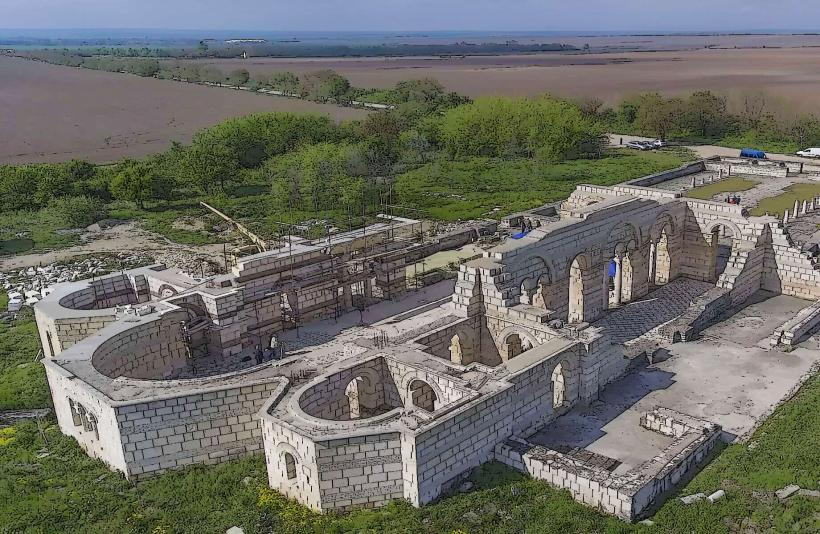
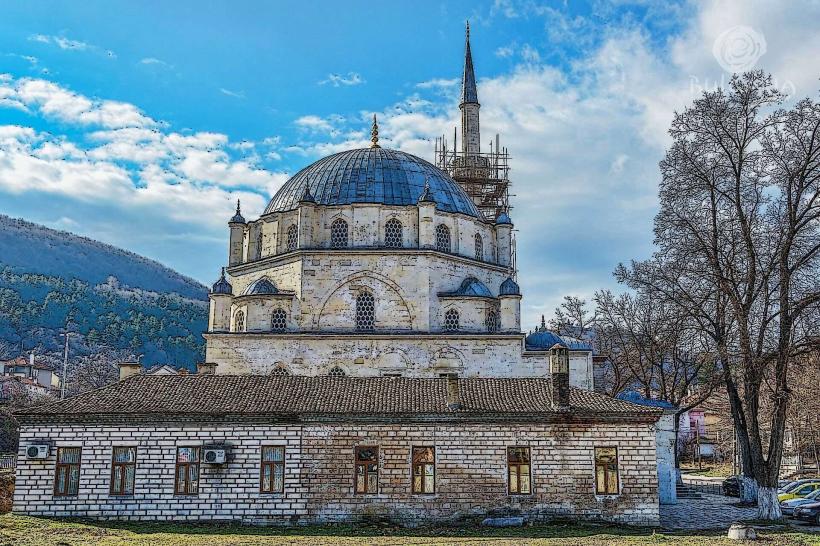
The site features monumental ruins constructed from massive white limestone blocks, characteristic of the "Preslav-Pliska" architectural style. The most prominent structure is the Round (Golden) Church, which displays a rare dodecagonal (twelve-sided) floor plan with remnants of marble columns and colorful mosaic floors. The surrounding landscape consists of excavated foundations, thick fortress walls, and the remains of the Royal Palace, set against a backdrop of rolling green hills and dense forest.
Location & Access Logistics
The archaeological reserve is situated 2km south of the modern town of Veliki Preslav. Access is via the II-7 national road from Shumen. There is a large, designated parking area at the entrance to the museum and the archaeological site. While local buses connect Shumen to modern Veliki Preslav, the final 2km to the ruins are best covered by taxi or private vehicle.
Historical & Ecological Origin
Preslav was established by Tsar Simeon the Great in 893 AD to replace Pliska and symbolize the nation's transition to Christianity and the Slavic alphabet. The city was designed to rival Constantinople in architectural grandeur. Geologically, it occupies a strategic position in the Ticha River valley, utilizing local limestone deposits for its high-walled fortifications and palace complexes.
Key Highlights & Activities
Visitors can explore the foundations of the Royal Palace and the Patriarchal Complex. The Round Church is the primary architectural highlight, showcasing the remains of its unique rotunda. The on-site Archaeological Museum houses the "Preslav Treasure," a collection of 10th-century gold and silver jewelry, along with the world's largest collection of lead seals and intricate ceramic icons.
Infrastructure & Amenities
The reserve includes a modern, climate-controlled museum with a ticket office and a souvenir shop. Public restrooms are located within the museum building. Information boards are provided in Bulgarian, English, and German. 4G/5G cell signal is strong throughout the site. Food vendors and cafes are located in the nearby modern town, with limited options at the site entrance.
Best Time to Visit
The optimal months for visiting are May, June, and September. For photography, the late afternoon light emphasizes the white limestone textures of the Round Church. The museum and ruins are open year-round, but spring visits offer the best balance of clear skies and vibrant greenery surrounding the ruins.
Facts & Legends
Preslav was the birthplace of the Preslav Literary School, where the Cyrillic alphabet was significantly developed and refined. A specific historical oddity is the "Preslav Painted Ceramics," a unique 10th-century artistic technique involving glazed tiles used to decorate churches; no other medieval European city produced this specific style of decorative ceramic icon at the time.
Nearby Landmarks
Patleina Monastery – 2.5km South
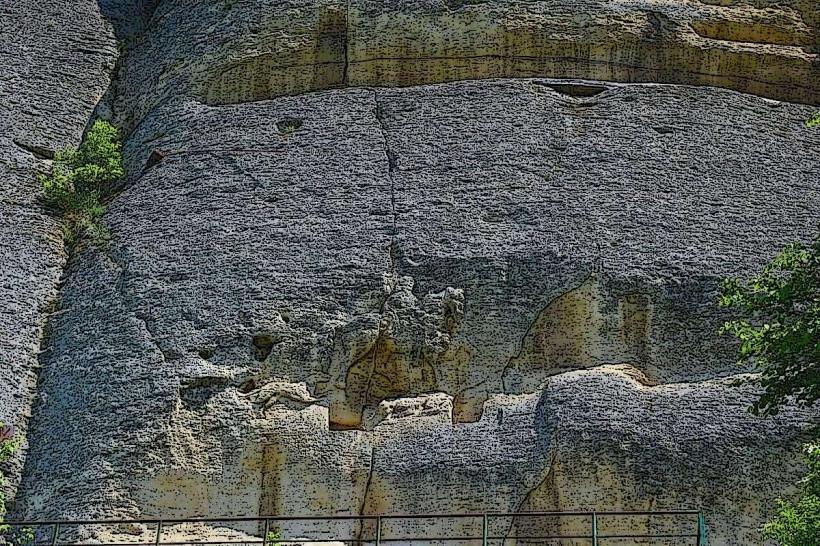
Madara Rider (UNESCO) – 35km Northeast
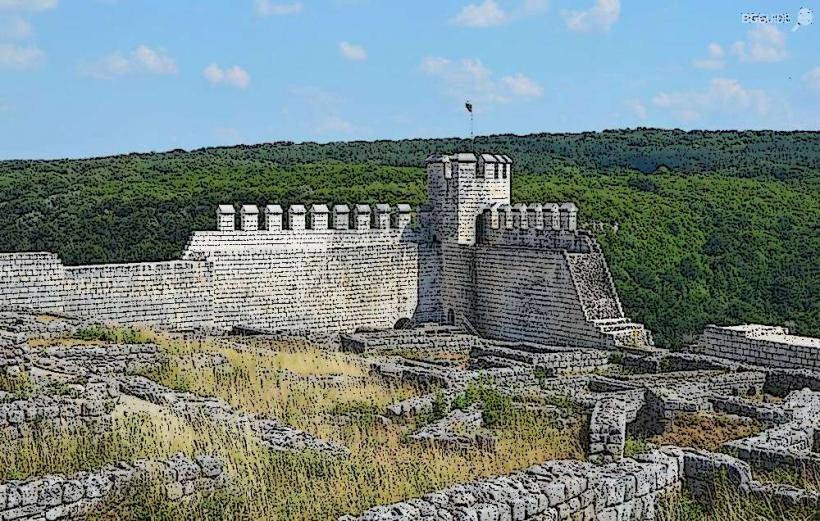
Shumen Fortress – 22km Northeast
Ticha Reservoir – 8km Southwest
Omurtag Bridge – 1.2km East