Information
City: SomborCountry: Serbia
Continent: Europe
Sombor, Serbia, Europe
Sombor functions as the primary cultural and ecological pivot of northwestern Serbia. Situated in the West Bačka District near the borders of Hungary and Croatia, it serves as a specialized node for Serbian Baroque architecture, traditional carriage transport, and massive urban afforestation. It is defined by its moniker "The Greenest City in Europe," its 120 km of tree-lined avenues, and its 2026 role as a pioneer in age-friendly municipal governance and ecological preservation.
Historical Timeline
14th Century: First recorded as Cobor-Szent-Mihály, a Hungarian fortress settlement.
1749: Declared a "Free Royal City" by Empress Maria Theresa, marking the start of its architectural and civic zenith.
1903: Implementation of the specialized hackberry (bođoš) planting program to combat dust and manage groundwater, creating the city's modern green identity.
2025–2026: Joined the WHO Global Network for Age-Friendly Cities; in 2026, it is the second Serbian city to fully integrate an Older Adult Citizens Council into municipal decision-making.
Demographics & Population
The urban population is approximately 41,800, while the wider administrative area houses roughly 70,160 (2026 estimate). The demographic is 64% ethnic Serb, with significant Hungarian (10%), Croatian (7%), and Bunjevci minorities. Sombor faces a specialized demographic shift with over 32% of residents aged 64 or older, driving 2026 municipal policies focused on accessible urban design and geriatric care services.
Urban Layout & Key Districts
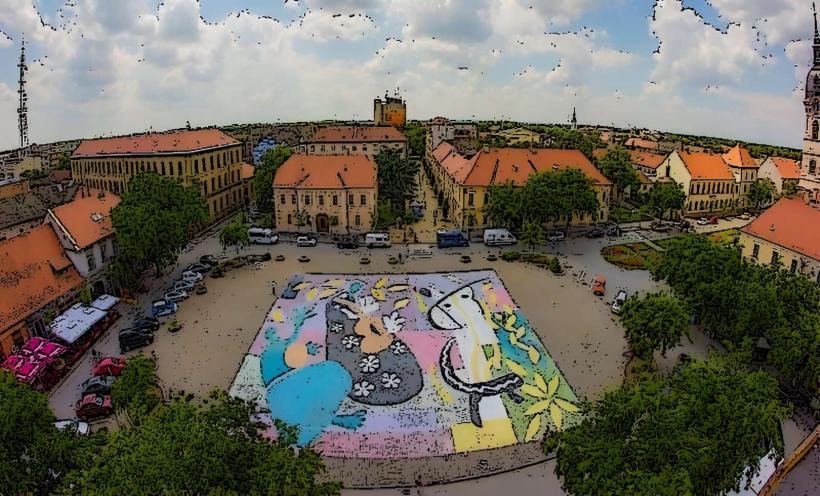
The Venac (The Wreath): A specialized historic core formed by four boulevards (named after WWI dukes) that follow the path of the former city moat; it contains the highest concentration of Baroque and Neoclassical heritage.
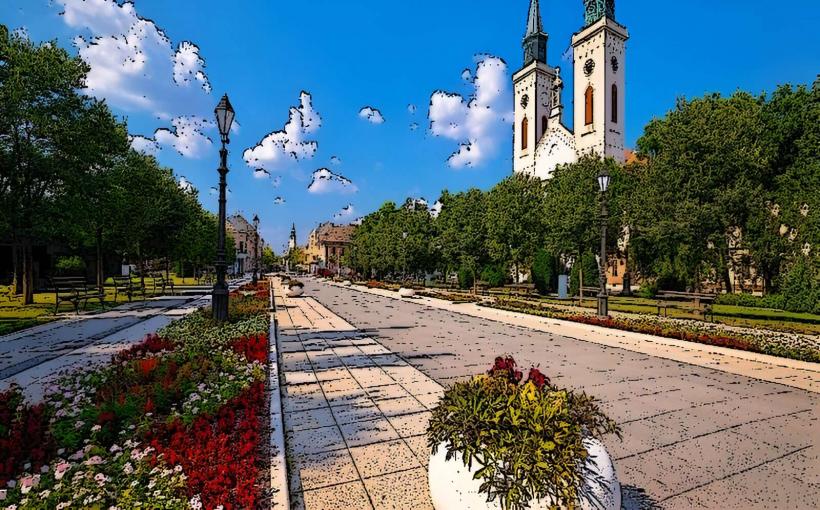
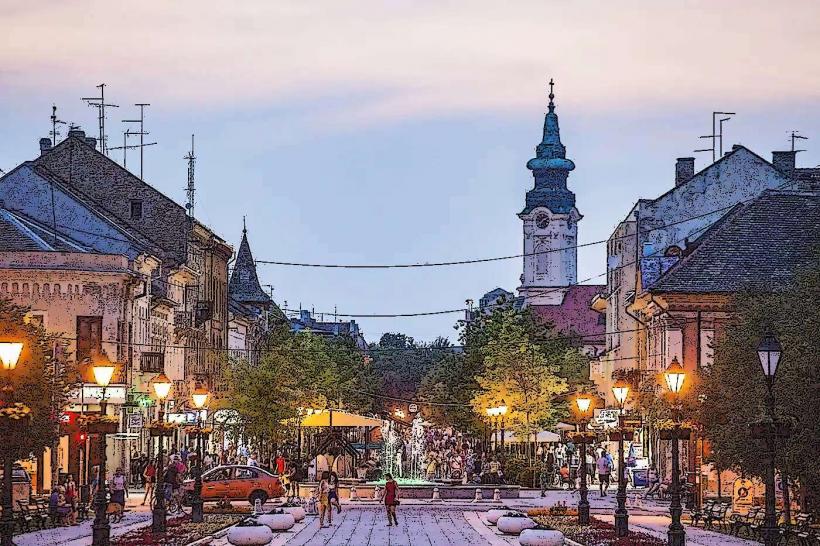
Main Pedestrian Street (Kralja Petra I): The specialized commercial and social spine of the city, noted for its refurbished facades and outdoor cafe culture.
The Great Bačka Canal Zone: A specialized industrial and recreational district on the outskirts, used for water transport and leisure activities.
Gornje Podunavlje: A specialized nature reserve nearby, forming part of the UNESCO "Mura-Drava-Danube" Biosphere Reserve.
Top City Landmarks
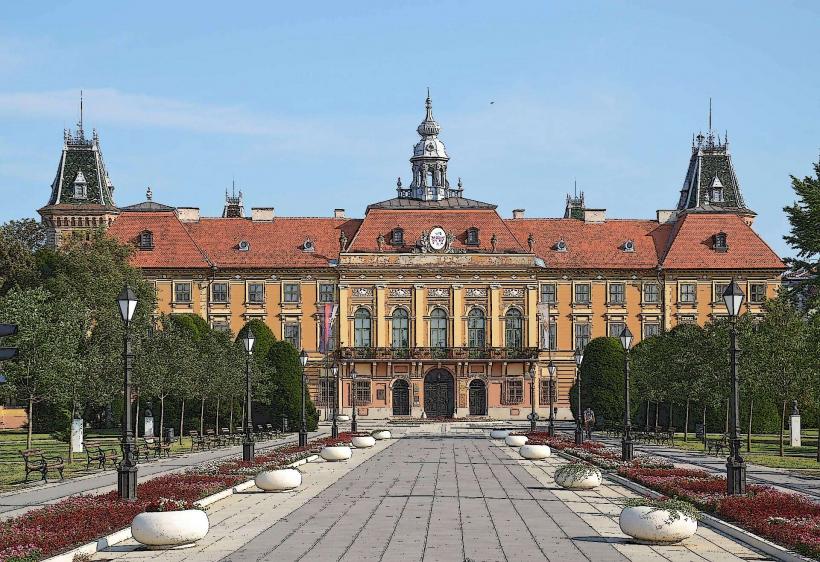
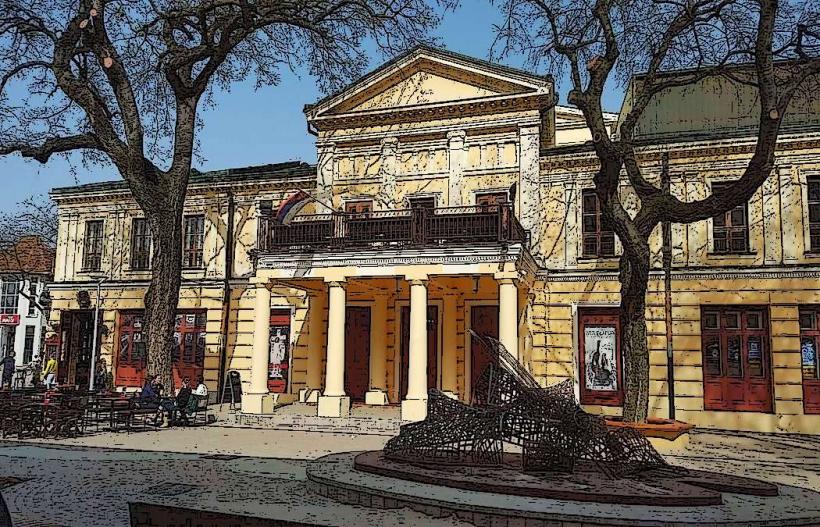
Sombor County Hall (Županija): A specialized Neoclassical masterpiece built in 1808; it houses the "Battle of Senta", the largest oil painting on canvas in Serbia (7x4 meters).
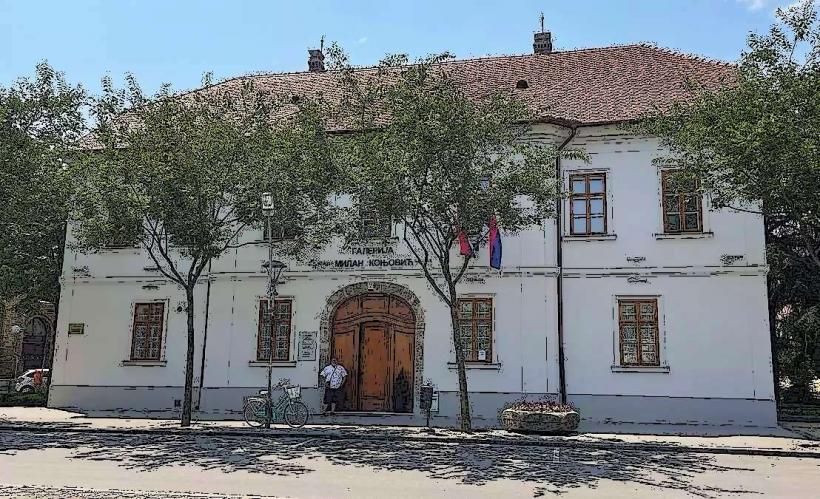
Milan Konjović Gallery: A specialized museum dedicated to the famous expressionist painter; contains over 500 works donated by the artist to his hometown.
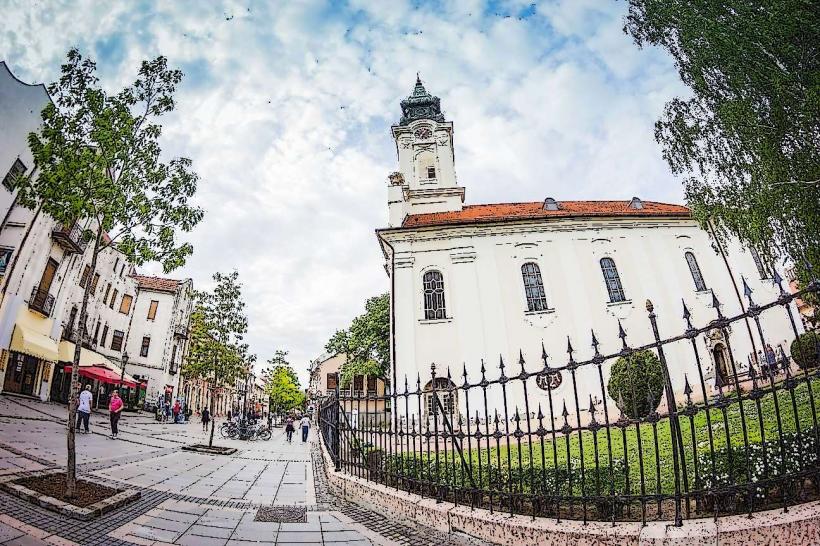
The Carmelite Church: A specialized 1904 structure known for its two massive towers and its position as one of the tallest religious buildings in Vojvodina.
Church of St. George: A specialized 18th-century Baroque church featuring a highly valuable iconostasis and trade-guild banners from the city's merchant era.
The Pasa Tower: The oldest building in the city (16th century), serving as the only remaining structure from the Ottoman occupation period.
The Green Fountain: A specialized landmark in the center made of Zsolnay ceramics, serving as the primary meeting point within the Venac.
Transportation & 2026 Logistics
Slow Travel: Sombor is famous for its Fiacres (horse-drawn carriages); in 2026, these remain a specialized and regulated form of tourist transport rather than just a gimmick.
Railway: Connected to the national rail network; 2026 schedules link Sombor to the high-speed rail hub in Subotica, allowing transit to Belgrade in roughly 2.5 hours.
Cycling: Due to its flat Pannonian topography and 18,000+ trees, Sombor is a specialized regional leader in bicycle-first urban mobility.
Great Bačka Canal: Serves as a specialized waterway for the transport of agricultural goods and as a key component of the regional irrigation network.
Safety & Environment
The general safety level is very high. Warning: Sombor is a "City of Silence" after 10:00 PM; municipal noise ordinances are strictly enforced to preserve the residential quality of the Venac. In 2026, the city operates the "Bođoš Network", a specialized digital monitoring system that tracks the health of the 7,500 hackberry trees and local air quality.
Local Cost Index (2026 Estimates)
1 Espresso (Main Street): €1.20 – €1.70
Traditional "Fiaker" Lunch: €12.00 – €18.00
Horse-Drawn Carriage Ride (30 mins): €10.00 – €15.00
Monthly Rent (1-BR Center): €280 – €400
1 kg of Sombor Cheese: €6.00 – €9.00
Facts & Legends
Sombor is the site of the "Oldest Teacher Training Faculty" in the Balkans, established in 1778. Legend states that the hackberry trees were brought from the Mississippi Valley specifically because their "rugged leaves" were the best natural filters for the dust of the Pannonian winds. A verified fact is that Sombor has more than 120 kilometers of tree-lined alleys, more than many European capitals. Historically, the city was so culturally dominant that it was referred to as the "Serbian Athens" alongside Novi Sad, serving as a primary refuge for Serbian intelligentsia during the Habsburg era.