Information
Country: SerbiaContinent: Europe
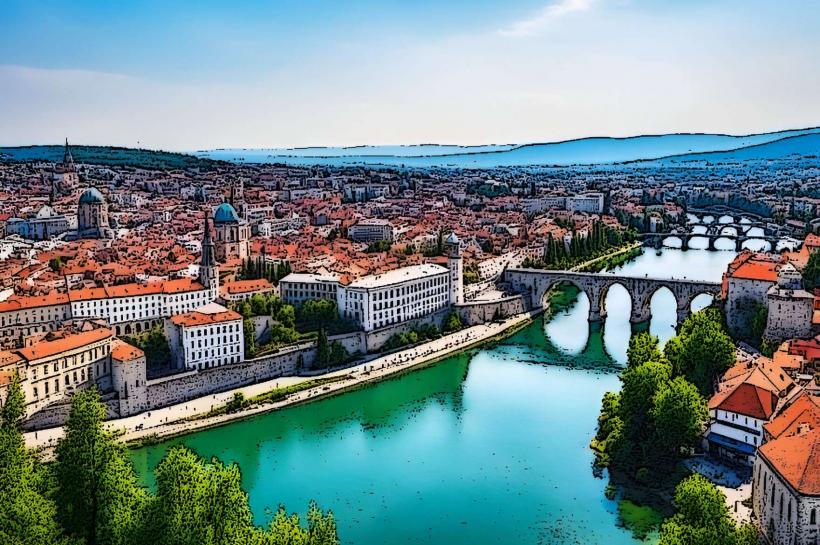
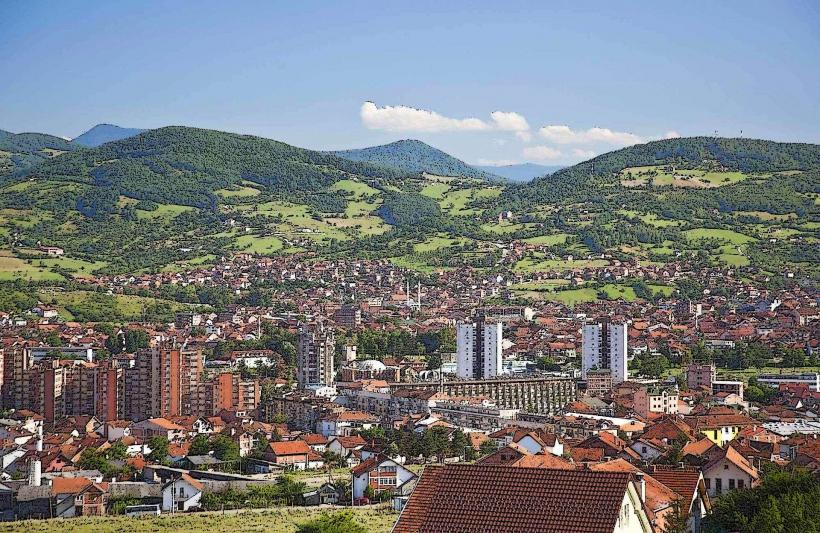
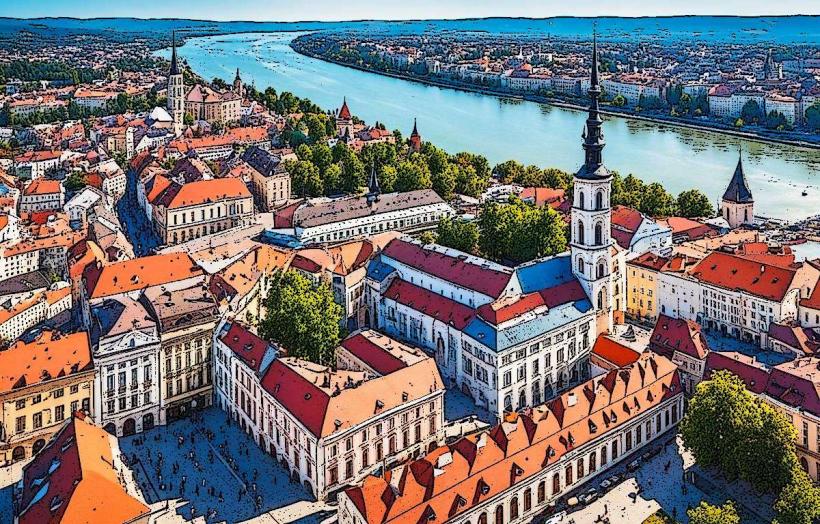
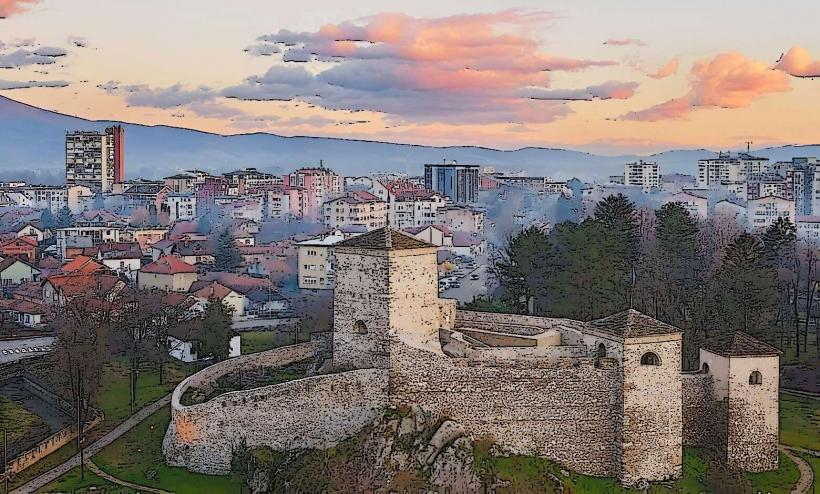
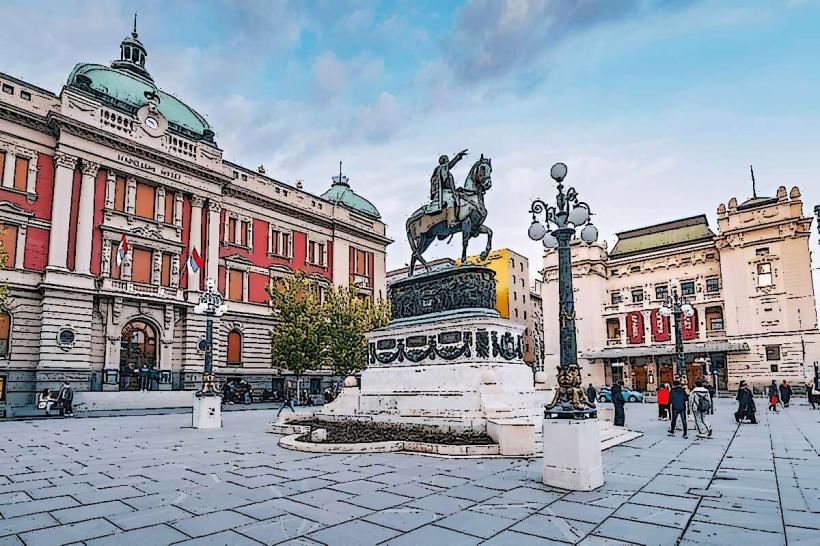
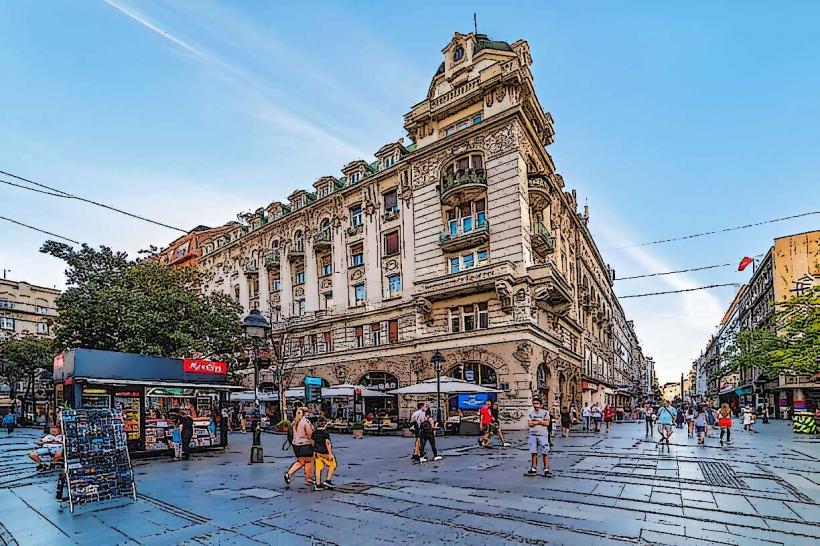
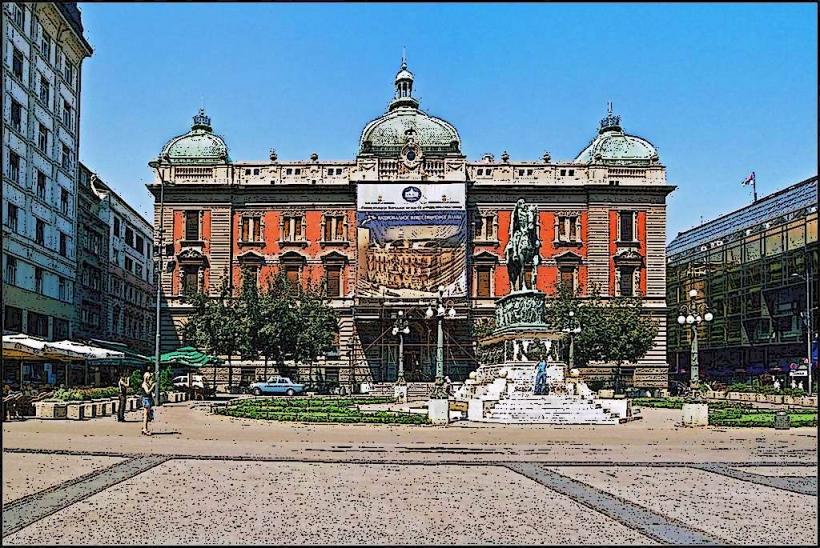
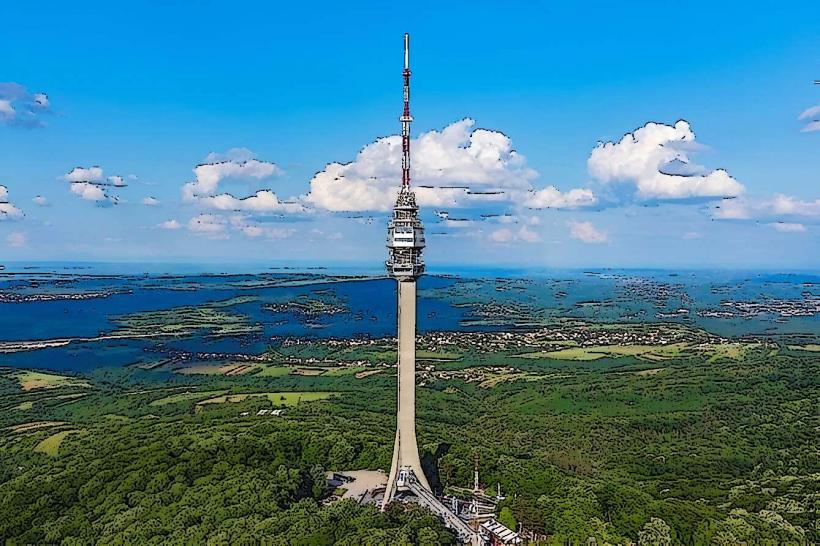
Serbia, Europe
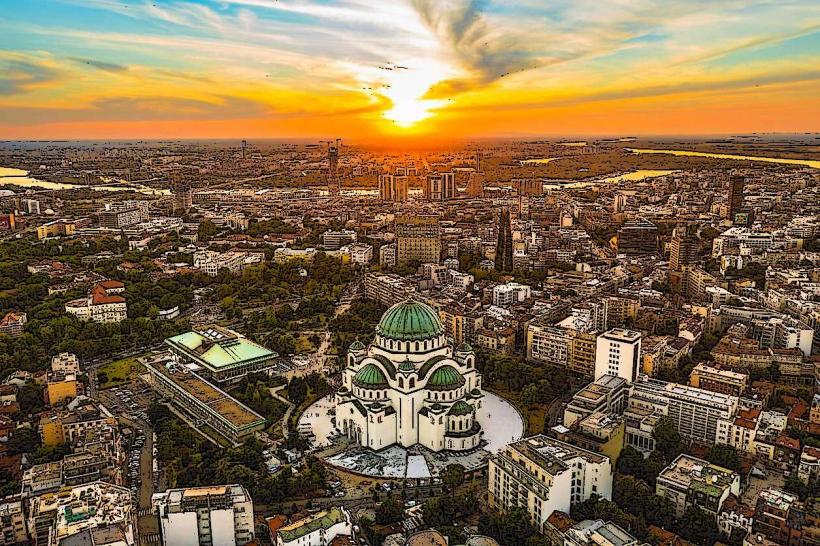
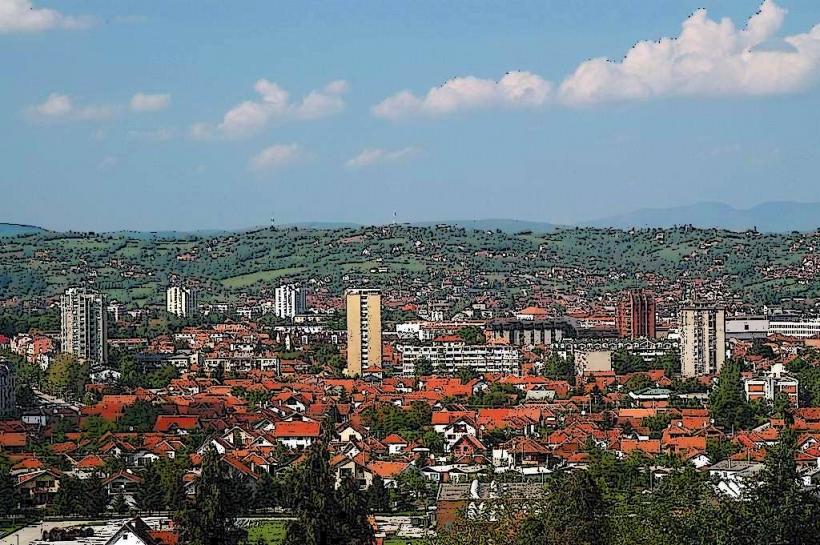
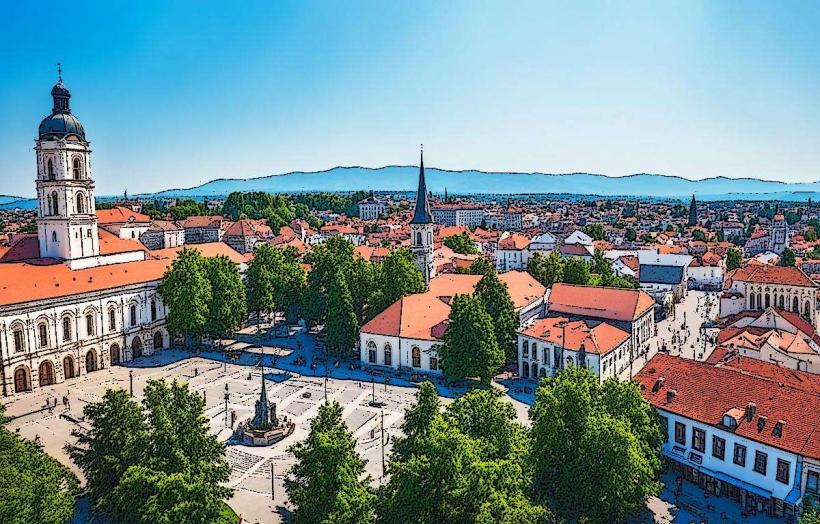
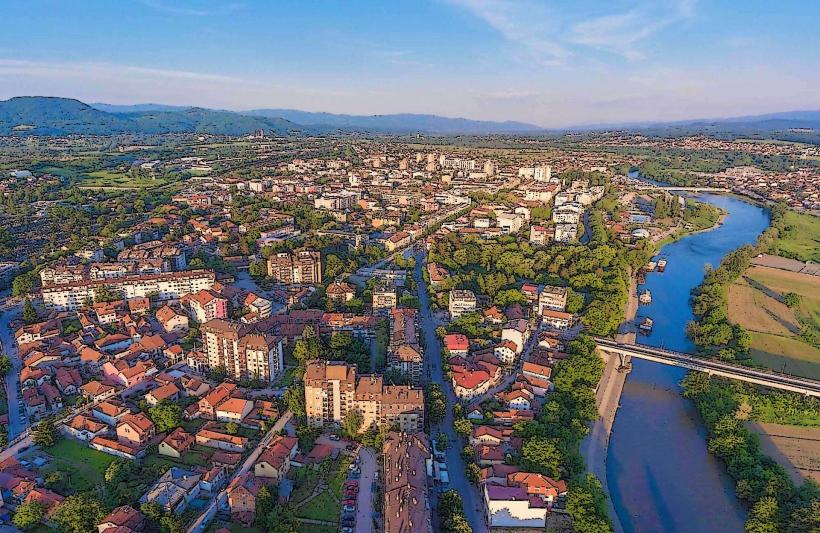
Serbia is located in the central part of the Balkan Peninsula, bordering Hungary to the north, Romania and Bulgaria to the east, North Macedonia to the south, and Montenegro, Bosnia and Herzegovina, and Croatia to the west. The nation's topography transitions from the fertile Pannonian Plain in the north to mountainous limestone massifs in the south; the capital city is Belgrade.
Visa & Entry Policy
Citizens of the US, UK, and EU do not require a visa for stays up to 90 days within any 180-day period. Travelers with a valid multiple-entry Schengen, UK, or US visa may also enter visa-free for the same duration. As of 2026, Serbia continues to align its visa policies with EU standards, necessitating periodic verification of entry requirements for non-Western nationals. Passports must be valid for at least three months beyond the date of departure.
Language & Communication
The official language is Serbian. English proficiency is high in Belgrade, Novi Sad, and among the younger demographic, though it remains low in rural areas. Serbian is the only European language to officially utilize synchronic digraphia, employing both the Cyrillic and Latin alphabets.
Currency & Payment Systems
The currency is the Serbian Dinar (RSD). Contactless "tap-to-pay" and card payments are universal in urban retail, supermarkets, and hotels. However, Serbia remains a cash-intensive society; physical currency is required for small purchases, traditional green markets (pijaca), and many cafes outside major city centers. ATMs (Bankomat) are widely available.
National Transport Grid
Intercity travel is primarily served by an extensive coach network; major carriers include Lasta and Niš-Ekspres. The rail network, managed by Srbija Voz, features a high-speed "Soko" service connecting Belgrade and Novi Sad, while other lines are undergoing modernization. Air Serbia operates domestic flights between Belgrade and Niš.
Digital Infrastructure
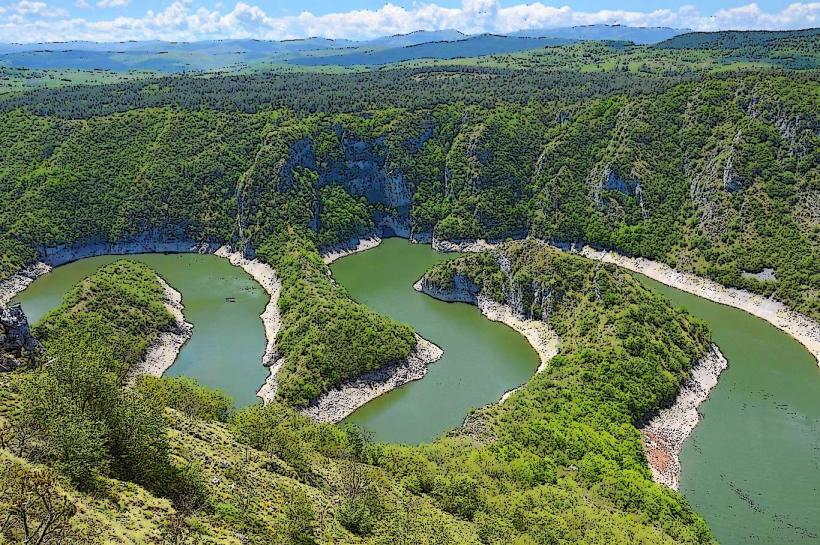
Primary mobile network providers are Yettel, A1, and Telekom Srbija (mts). 5G coverage is widespread in Belgrade, Novi Sad, and major tourist hubs as of 2026. 4G reliability is high across most of the country, though signal voids occur in deep river gorges and the dense forests of the south.
Climate & Seasonality
The climate is moderate continental with four distinct seasons. Summers (June–August) are hot, frequently exceeding 30°C, while winters are cold and snowy. The wettest months are typically May and June due to heavy convective rainfall. Air quality in valley cities can be poor during the winter heating season.
Health & Safety
No mandatory vaccinations are required. Tick-borne encephalitis is a risk in forested areas and long grass during spring and summer. The universal emergency number is 112; specific lines are 192 (Police), 193 (Fire), and 194 (Ambulance).
Top 3 Major Regions & Cities
Belgrade & Central Serbia: Primary hub is Belgrade.
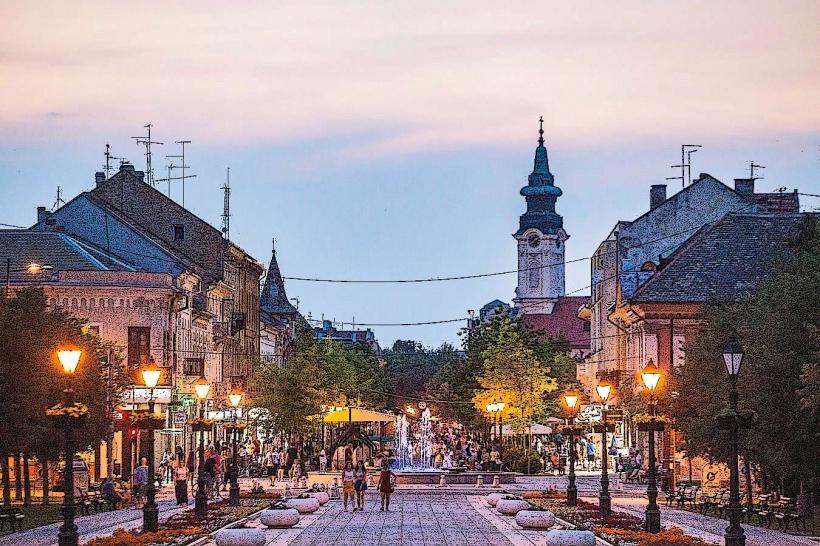
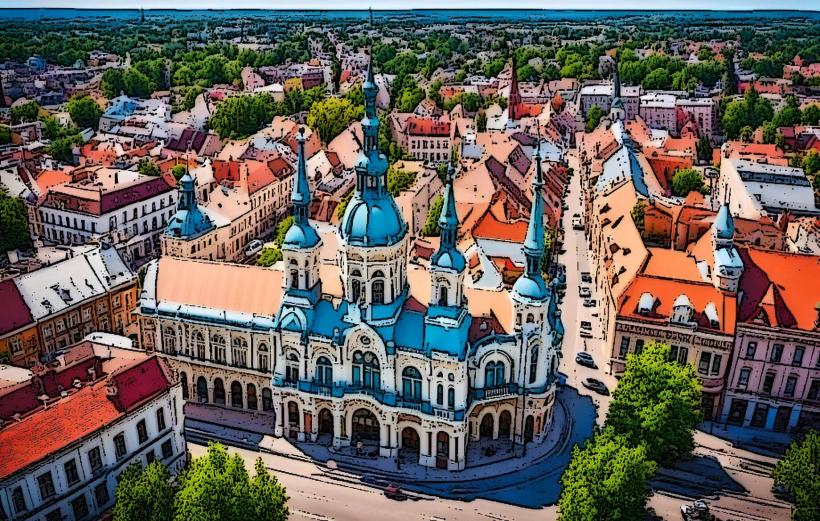
Vojvodina: Primary hub is Novi Sad.
Southern Serbia: Primary hub is Niš.
Local Cost Index
1L Water: 70 RSD ($0.65 USD)
1 Domestic Beer: 250 RSD ($2.35 USD)
1 Sim Card (Data Plan): 1,800 RSD ($17.00 USD)
Facts & Legends
Serbia is the birthplace of 18 Roman emperors, including Constantine the Great, who was born in the city of Naissus (modern-day Niš). According to historical records, the word "vampire" is the only Serbian word used internationally; it entered Western languages in the early 18th century following official Austrian reports on alleged "vampire" activity in rural Serbian villages, specifically regarding the case of Petar Blagojević.