Information
Landmark: Zemun Old TownCity: Belgrade
Country: Serbia
Continent: Europe
Zemun Old Town, Belgrade, Serbia, Europe
Zemun Old Town is a historic urban area located on the right bank of the Danube River, approximately 8 kilometers northwest of Belgrade's city center in Serbia. It functions as a distinct cultural and administrative municipality within the greater Belgrade metropolitan area.
Visual Characteristics
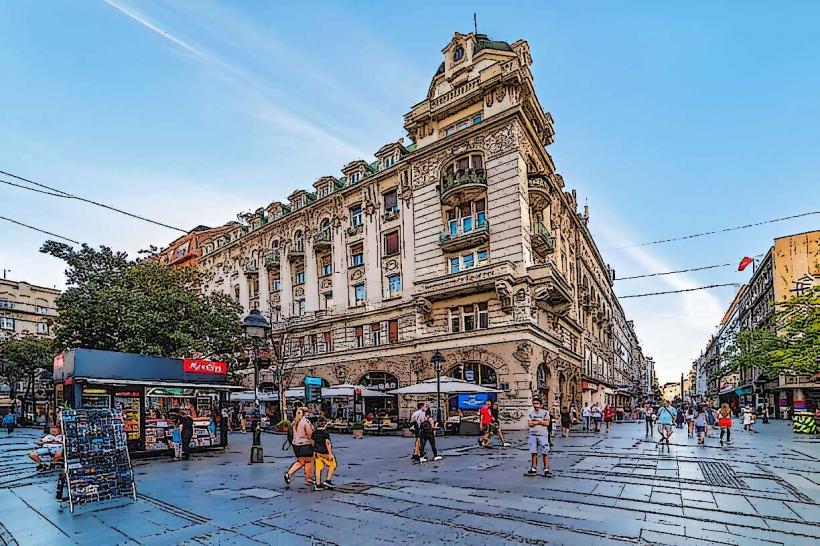
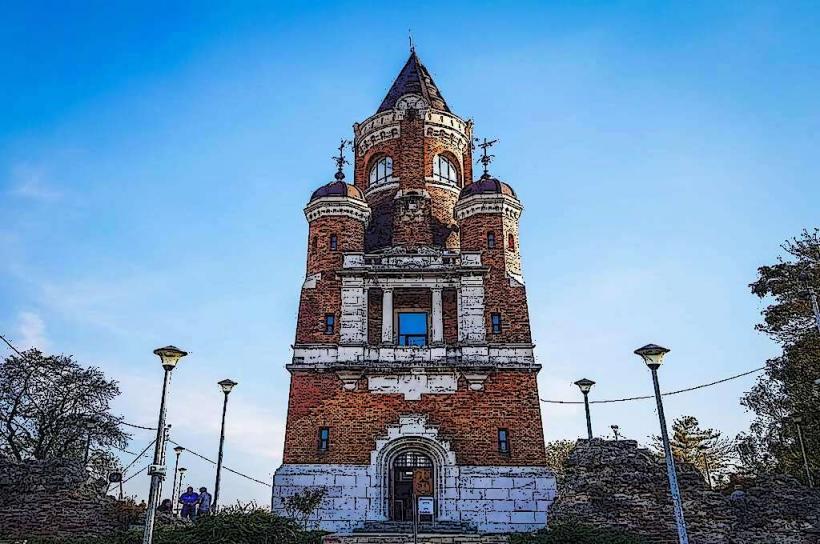
Zemun Old Town exhibits a predominantly Central European architectural style, characterized by Baroque and Art Nouveau facades. Buildings are typically two to three stories high, constructed from brick and plaster, often painted in pastel shades of yellow, ochre, and light blue. The terrain is hilly, culminating in Gardoš Hill, which features the 36-meter-tall Millennium Tower (Gardoš Tower) built from stone and brick. Cobblestone streets are common in the older sections, leading down to the flat Danube promenade. The riverfront features a mix of historic boathouses and modern cafes.
Location & Access Logistics
Zemun Old Town is situated on the right bank of the Danube, accessible from central Belgrade via several main arteries including Bulevar Mihajla Pupina and Ulica Tošin Bunar. Public transport is extensive, with numerous bus lines connecting Zemun to various parts of Belgrade. Key lines include 15, 17, 73, 84, and 704, which stop along Glavna Street or near the Zemun market. Limited street parking is available, particularly around the market area and along the Danube promenade, but can be challenging to find. Several paid parking lots exist further from the immediate old town core. From Belgrade city center, the drive typically takes 15-25 minutes depending on traffic.
Historical & Ecological Origin
Zemun's history dates back to the 3rd century BC with Celtic settlements, later becoming the Roman town of Taurunum. Its current urban fabric largely developed during the Austro-Hungarian period, particularly from the 18th to the early 20th century, when it served as a crucial border town and trade hub. The Millennium Tower on Gardoš Hill was constructed in 1896 to commemorate a thousand years of Hungarian settlement in the Pannonian Basin. The town's layout reflects its strategic position overlooking the Danube, with a grid plan in newer sections and organic growth in the oldest parts around Gardoš Hill.
Key Highlights & Activities
Ascending the Millennium Tower on Gardoš Hill provides panoramic views of Zemun, Belgrade, and the confluence of the Sava and Danube rivers. Walking along the Kej Oslobođenja (Danube Promenade) offers access to numerous restaurants and cafes. Exploring the narrow, cobblestone streets around Gardoš Hill reveals historic architecture and local artisan shops. Visiting the Zemun Market provides insight into local produce and goods. Observing the historic churches, such as the Church of St. Nicholas (Nikolajevska Crkva) and the Church of the Holy Archangel Gabriel (Hariševa Kapela), is possible.
Infrastructure & Amenities
Public restrooms are available near the Zemun Market and along the Danube promenade, often requiring a small fee. Many cafes and restaurants throughout the old town also provide facilities for patrons. Shade is provided by mature trees along the promenade and by the close-set buildings in the narrow streets. Cell phone signal (4G/5G) is consistently strong across the entire area. Numerous food vendors, including bakeries, cafes, restaurants, and a large fresh produce market, are readily accessible within the old town.
Best Time to Visit
The best time to visit Zemun Old Town for photography is during the early morning or late afternoon, when the sun casts long shadows and illuminates the facades with softer light, particularly on Gardoš Hill and along the Danube. The months of April to June and September to October offer the most pleasant weather conditions, with moderate temperatures and less precipitation. Summer months (July-August) can be hot, but the Danube promenade offers a cooler breeze. There are no specific high/low tide requirements as the Danube's water level fluctuations do not significantly impact access or activities.
Facts & Legends
Zemun maintained a distinct identity and administrative status separate from Belgrade until 1934, when it was formally incorporated into the city. A local legend suggests that a network of underground tunnels connects various parts of Zemun, including Gardoš Hill, though most remain unexplored or inaccessible. A practical tip for visitors is to explore the small, unmarked staircases and alleys leading up from the promenade towards Gardoš Hill, as these often reveal unique viewpoints and quieter sections of the old town.
Nearby Landmarks
- Millennium Tower (Gardoš Tower): 0.1km East (within Zemun Old Town)
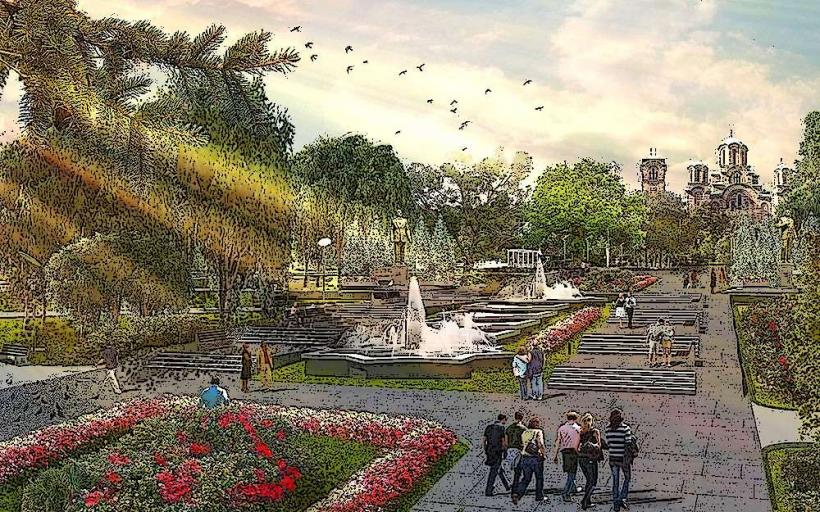
- Zemun Park: 0.7km Southwest
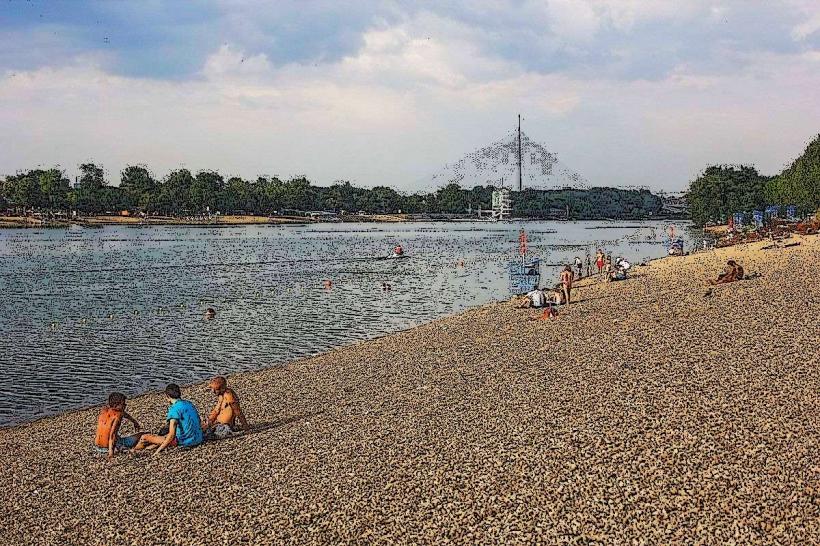
- Lido Beach (Great War Island): 1.5km East (accessible via pontoon bridge in summer)
- Madlenianum Opera and Theatre: 0.3km South
- Zemun Market: 0.2km South