Information
City: St JohnsCountry: Antigua and Barbuda
Continent: North America
St Johns, Antigua and Barbuda, North America
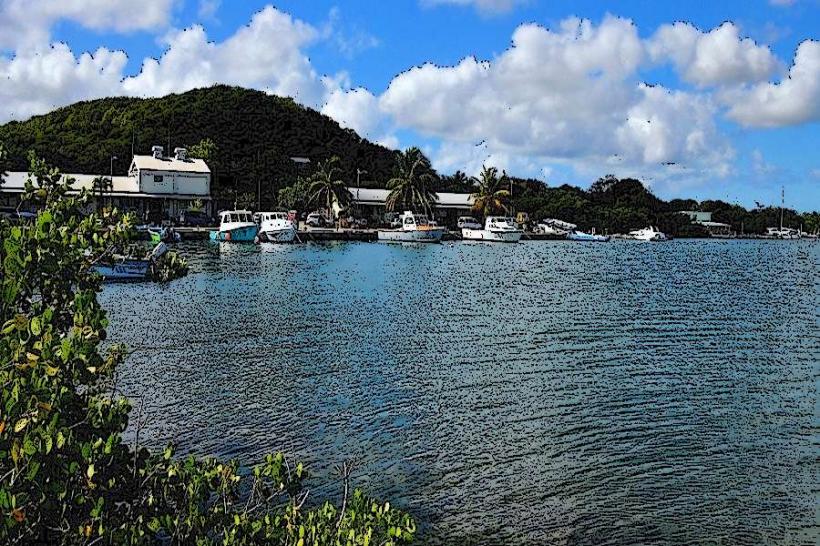
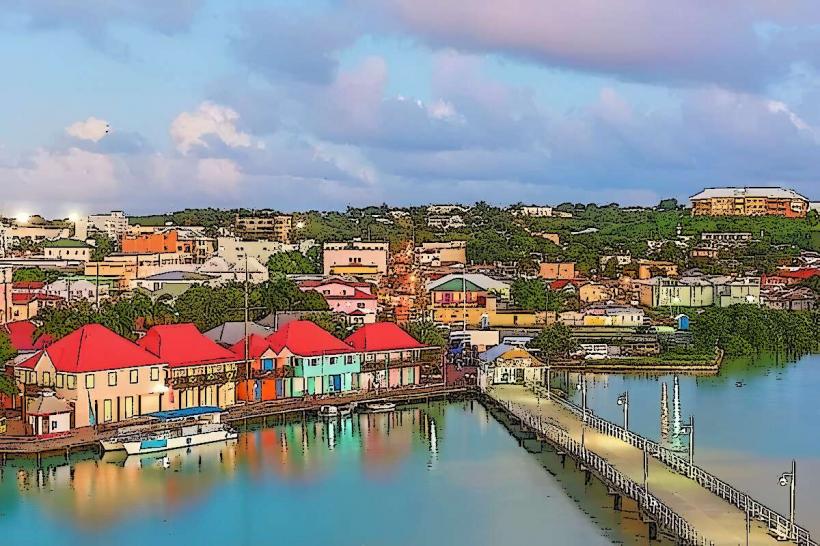
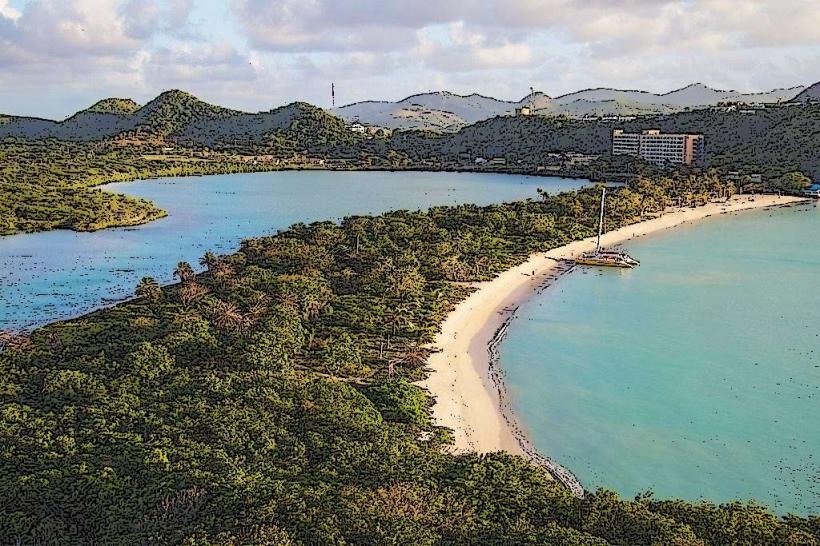
St. John's is the capital and largest city of Antigua and Barbuda, serving as the nation's primary administrative, commercial, and financial center. It is located at the head of a deeply indented harbor on the northwestern coast of Antigua.
Historical Timeline
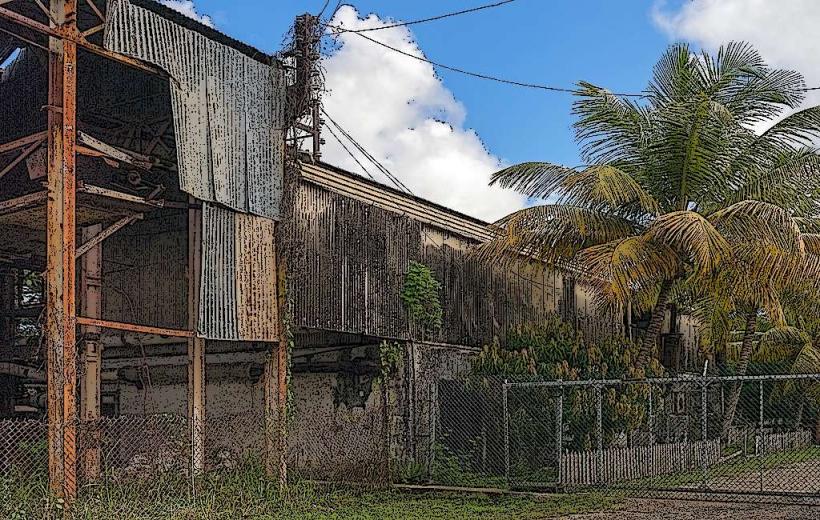
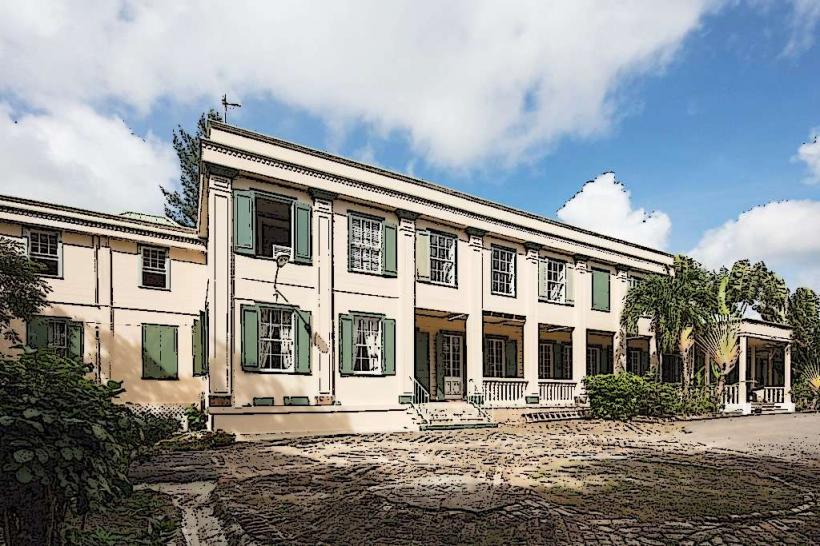
St. John's has functioned as the administrative center since British colonization in 1632. Governance transitioned from British colonial rule to internal self-governance in 1967, culminating in full independence within the Commonwealth in 1981. Significant architectural reconstruction occurred following the earthquake of 1843 and the 1974 earthquake, which damaged many historic stone structures. The primary event that shaped the current urban form was the shift from a sugar-based plantation economy to a tourism-driven model in the mid-20th century, leading to the development of deep-water harbor facilities and cruise ship quays.
Demographics & Population
The total population within the city limits is approximately 22,000, while the metropolitan area contains roughly 32,000 residents, representing about one-third of the national total. The primary ethnic demographic is Afro-Antiguan (85%), followed by Hispanic (6%) and Mixed (4.5%). The median age of the population is approximately 32.7 years.
Urban Layout & Key Districts
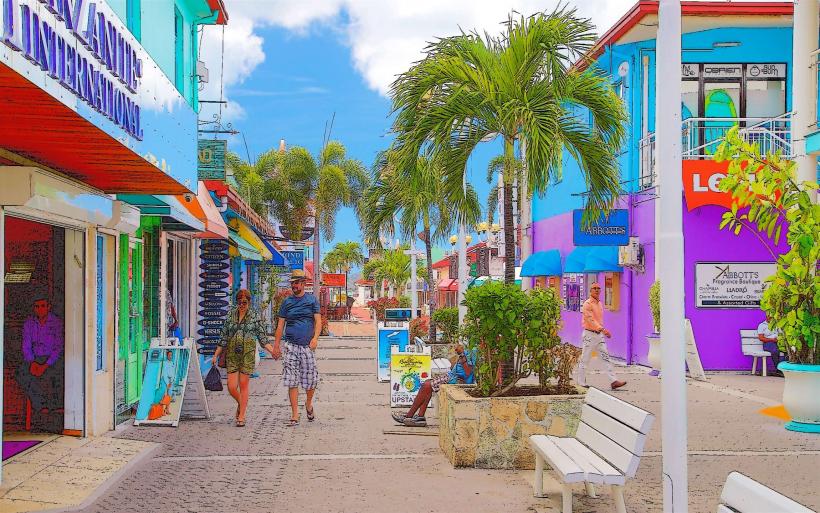
St. John's is organized around its waterfront harbor, with a grid system extending eastward into the interior. The most important districts for visitors are Heritage Quay (a modern, duty-free shopping hub at the pier) and Redcliffe Quay (a restored historic district with 19th-century warehouses), both located on the western waterfront. The central business district radiates inland from these quays toward Independence Avenue.
Top City Landmarks
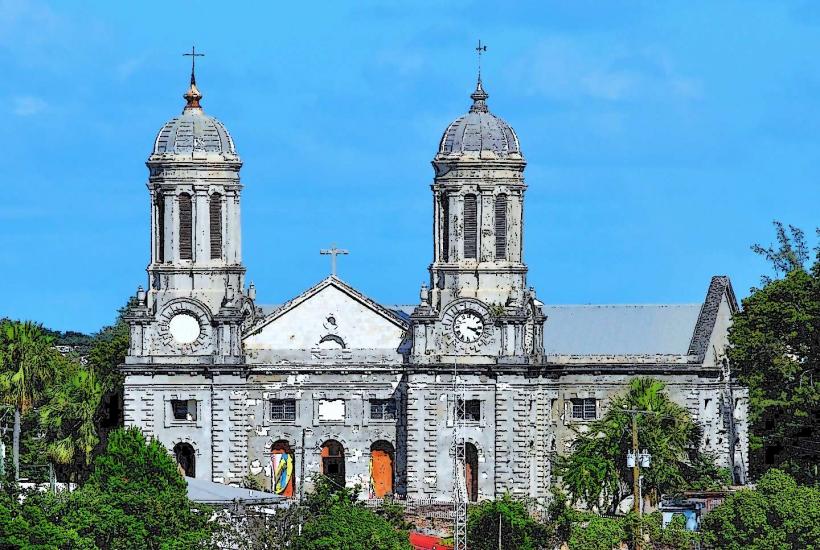
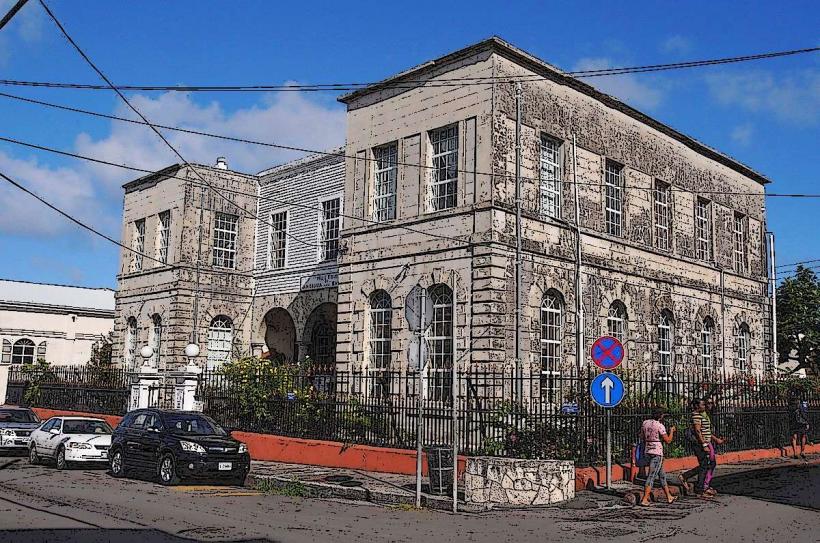
St. John’s Cathedral (Anglican)
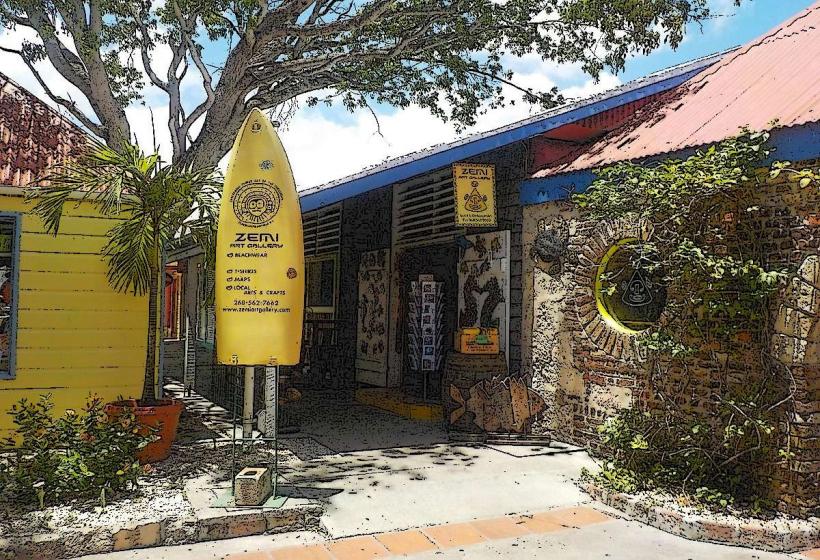
Redcliffe Quay
Transportation Network
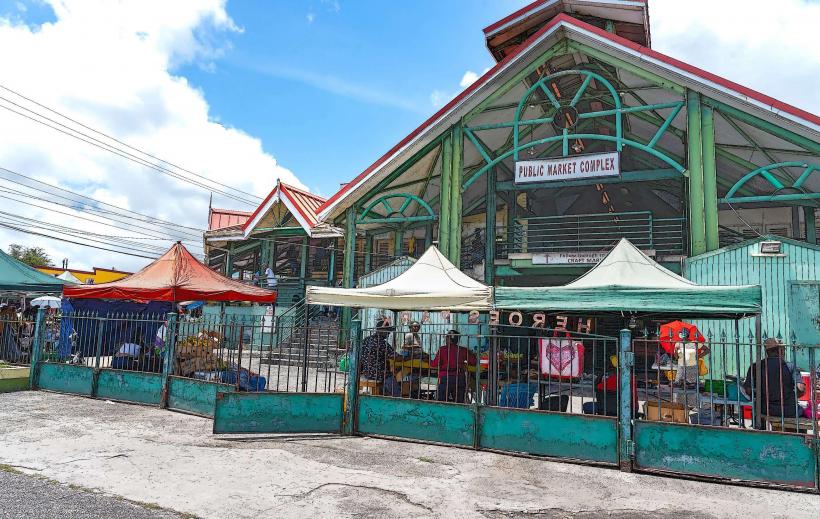
Movement within the city is facilitated by privately owned mini-vans (marked with "BUS" on yellow license plates) operating from two main hubs: the East Bus Station (near the Botanical Gardens) and the West Bus Station (near the Central Market). There are no metro or tram systems. Ride-sharing apps like Uber do not operate; transport relies on taxis (marked "TX" on plates) which use government-regulated fixed fares rather than meters. Traffic density is high in the downtown core, particularly on cruise ship arrival days.
Safety & "Red Zones"
The general safety level is moderate, though standard precautions against petty theft are required. Avoid walking alone at night in the Gray's Farm and Greenbay neighborhoods located on the southern and western outskirts of the city. Common scams involve overcharging by unlicensed "guides" near the cruise ship terminals and aggressive beach vending.
Digital & Financial Infrastructure
Internet speeds average 25–60 Mbps. Main mobile carriers are Flow and Digicel. Card acceptance is high in tourist quays and major supermarkets, but cash is required for local buses and smaller vendors. ATMs are widely available at bank branches along High Street and at the Epicurean Supermarket.
Climate & Air Quality
Temperatures typically range from 23°C to 29°C in winter and 25°C to 31°C in summer. Air quality is generally high due to constant trade winds. The primary weather risk is hurricane season, which runs from June to November, and occasional Saharan dust haze between May and August.
Culture & Social Norms
Tipping is standard at 10–15% if a service charge is not already included in the bill. Standard greetings (Good Morning/Afternoon) are mandatory social requirements before initiating any transaction. Dress codes are conservative; camouflage clothing is illegal for civilians, and beach attire is strictly prohibited within the city limits of St. John's. Public smoking is restricted in most enclosed spaces.
Accommodation Zones
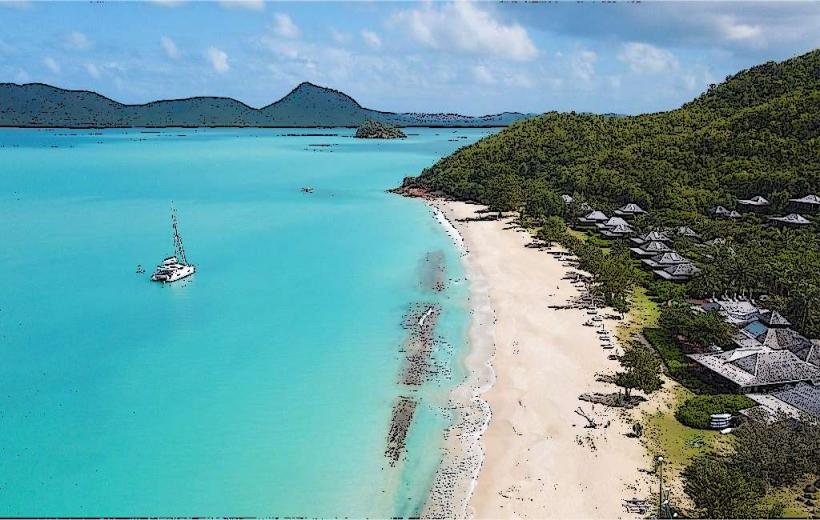
Dickenson Bay: Stay here for resort-style logistics and immediate beach access just north of the city.
Heritage Quay/Downtown: Stay here for immediate proximity to ferries, shops, and administrative offices.
Local Cost Index
1 Espresso: 10.00 XCD ($3.70 USD)
1 Standard Lunch: 40.00 XCD ($14.80 USD)
1 Bus Ticket: 2.50 XCD ($0.95 USD)
Nearby Day Trips
Nelson’s Dockyard (English Harbour): 17 km (35 minutes by car)
Devil’s Bridge: 23 km (45 minutes by car)
Stingray City: 15 km (30 minutes by car)
Shirley Heights: 19 km (40 minutes by car)
Facts & Legends
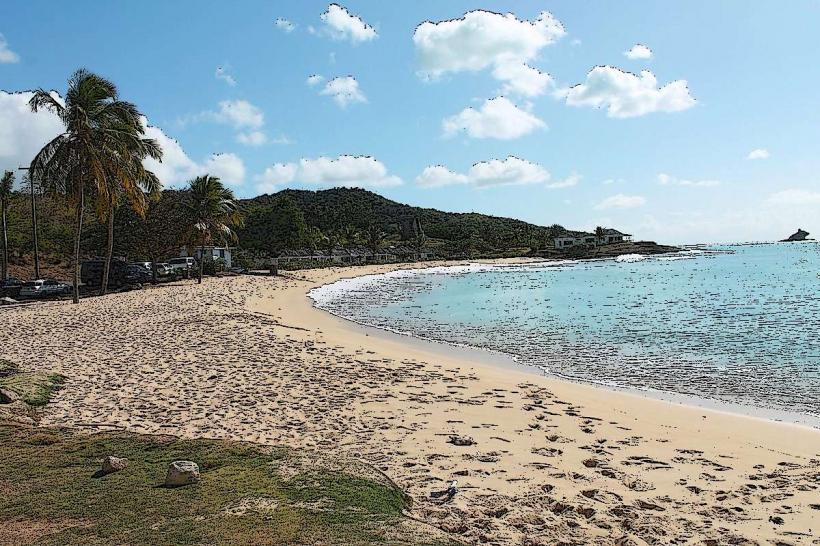
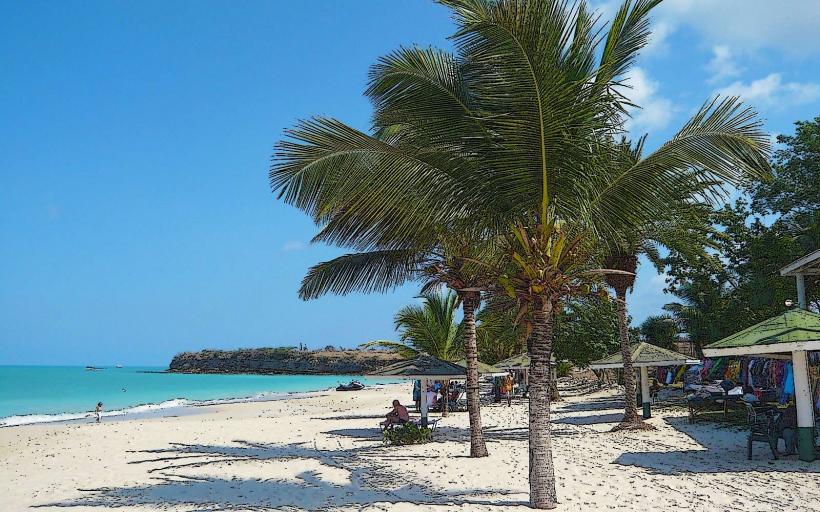
A local historical oddity involves the "Stanford Empire" ruins; for over a decade, the city’s financial district was dominated by the infrastructure of Texas billionaire Allen Stanford, who operated a massive $8 billion Ponzi scheme from the island before his 2009 arrest. Additionally, the island is famously marketed as having "365 beaches"-one for every day of the year-a claim rooted in local pride that has dictated the country's tourism layout for decades.