Information
City: StrasbourgCountry: France
Continent: Europe
Strasbourg, France, Europe
Strasbourg is the capital of the Grand Est region and the formal seat of the European Parliament. Located on the border with Germany, the city is a hybrid of French and German cultures. In 2026, Strasbourg is characterized by its "Grandeur Nature" environmental plan and its role as a de facto capital of the European Union.
Historical Timeline
12 BC: Founded as the Roman military outpost Argentoratum.
1262: Became a Free Imperial City after rebelling against the rule of its bishops.
1681: Annexed by France under Louis XIV.
1871–1945: Alternated between German and French control four times due to the Franco-Prussian War and both World Wars.
1949: The seat of the Council of Europe, marking its transformation into a symbol of post-war reconciliation.
Urban Layout & Districts
The city is organized around the Ill River and its various canals.
Grande Île: The historic island center and a UNESCO World Heritage site, home to the cathedral and major squares.
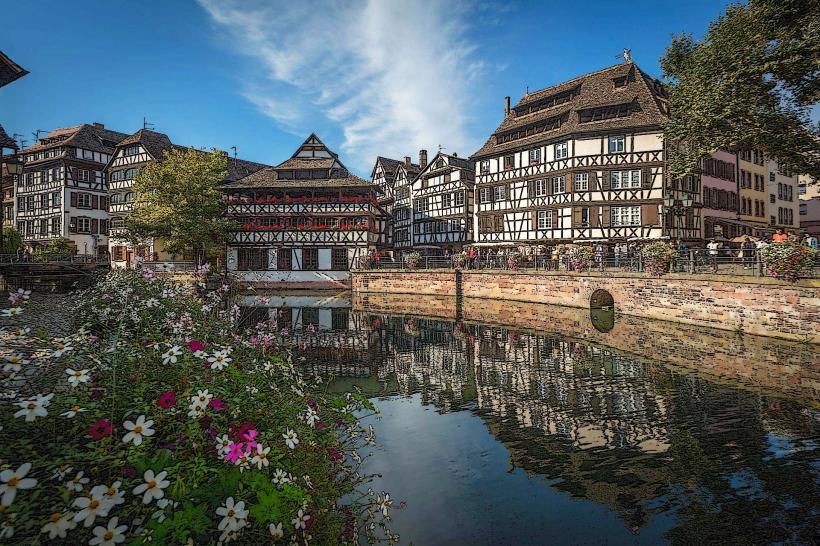
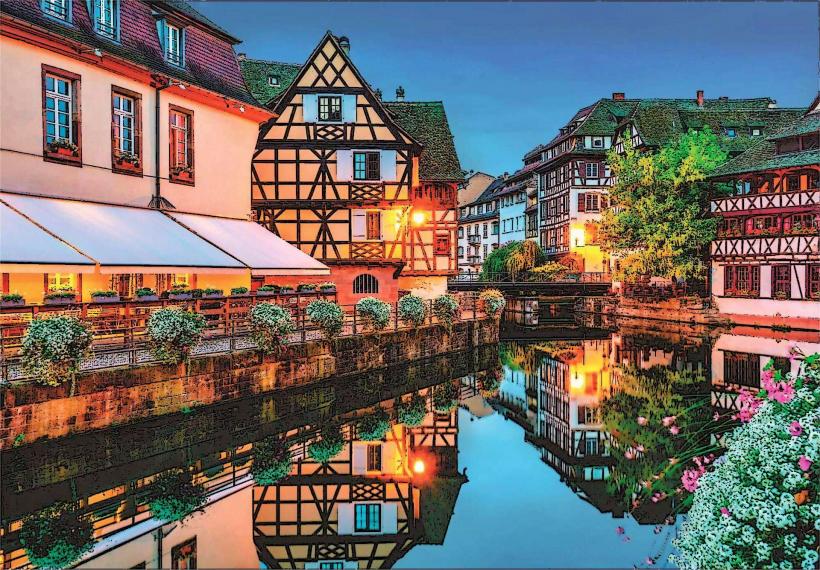
Petite France: A picturesque district on the Grande Île featuring 16th-century half-timbered houses, formerly the quarter of tanners and millers.
Neustadt (German Quarter): Built during the German annexation (1871–1918), characterized by monumental Prussian-style architecture and wide boulevards.
European Quarter: Located northeast of the center, housing the European Parliament, the Council of Europe, and the European Court of Human Rights.
COOP District: A 2026-era urban regeneration project in the Port du Rhin area, converting industrial wasteland into a creative and residential hub.
Top Landmarks
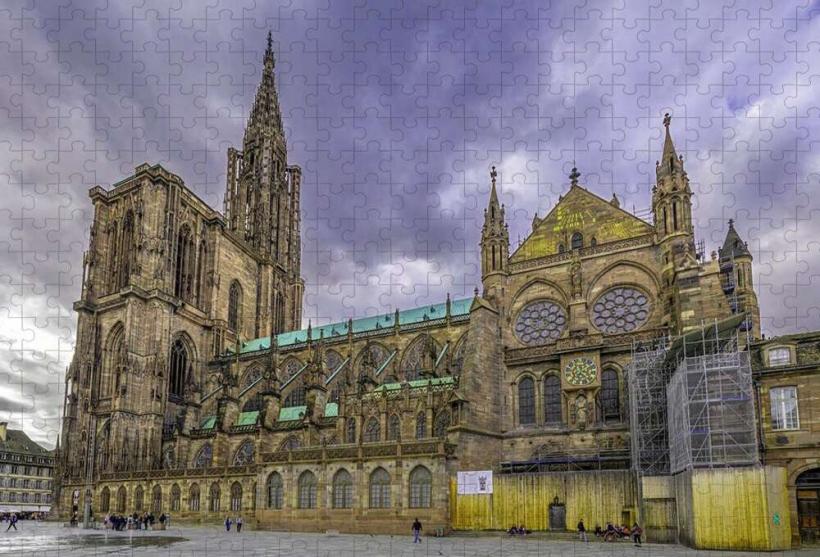
Strasbourg Cathedral (Notre-Dame): A Gothic masterpiece built of pink Vosges sandstone. It was the world's tallest building for over 200 years (1647–1874).
Astronomical Clock: Located inside the cathedral, this Renaissance marvel features a parade of apostles every day at 12:30 PM.
Barrage Vauban: A 17th-century defensive dam and bridge that provides panoramic views of the Ponts Couverts (Covered Bridges).
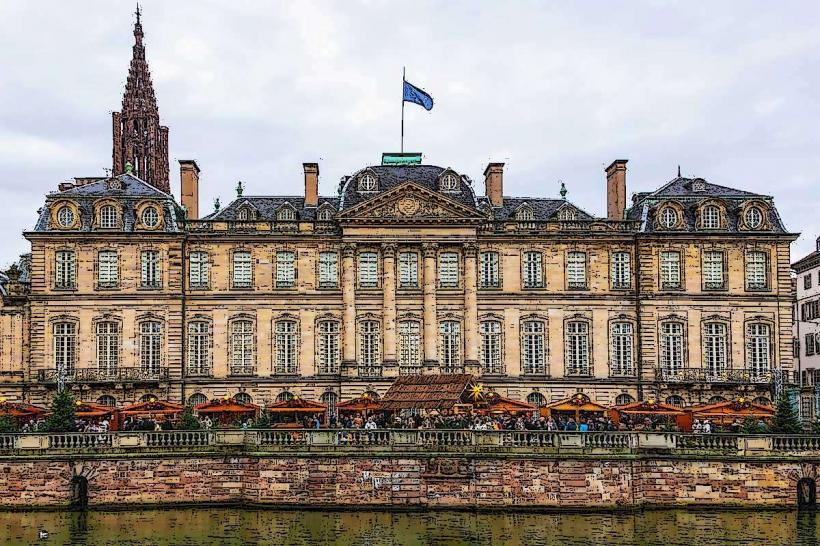
Palais Rohan: An 18th-century episcopal palace housing museums of archaeology, fine arts, and decorative arts.
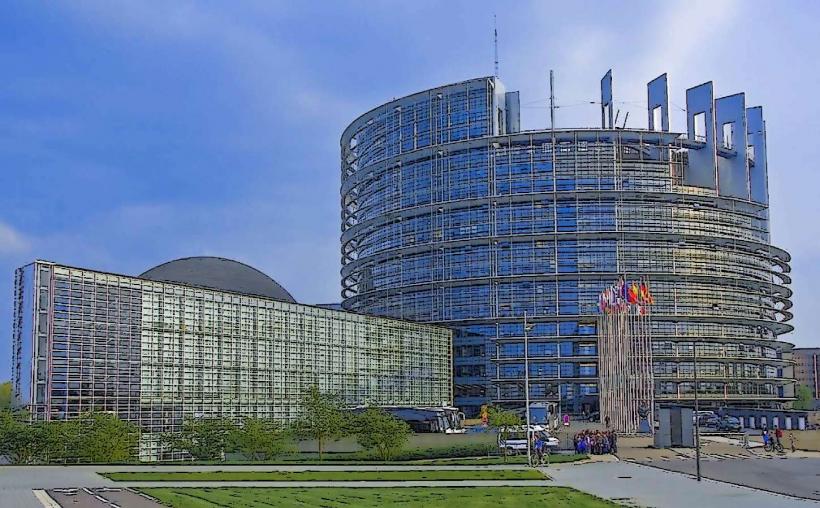
European Parliament (Louise Weiss Building): A modern glass-and-steel structure with a 60-meter-high circular tower.
Transportation & Infrastructure (2026)
Tramway: One of the most extensive networks in France. In 2026, the system features six lines (A to F), with Line D providing a direct cross-border link to Kehl, Germany.
Hibus (Night Network): Since January 2026, the city has implemented an expanded night bus network to improve safety and mobility for students and late-shift workers.
Cycling: Consistently ranked as France's most bike-friendly city, with over 600 km of dedicated paths (Vélostras).
River Station: A newly completed sustainable river station on Rue de la Minoterie is operational as of early 2026, handling growing Rhine cruise traffic.
Gastronomy & Local Products
Choucroute garnie: Sauerkraut served with sausages, bacon, and boiled potatoes.
Tarte Flambée (Flammekueche): A thin-crust dough topped with crème fraîche, onions, and lardons.
Alsace Wine: Famous for white varieties, particularly Riesling, Gewürztraminer, and Crémant d'Alsace.
Cave Historique des Hospices: A medieval wine cellar that still stores a barrel of wine dating back to 1472, the oldest wine in a barrel in the world.
Local Cost Index (2026)
Espresso (at a café): €2.50 – €3.80
Single Tram/Bus Ticket: €1.90 – €2.10
Mid-range 3-Course Meal: €35.00 – €60.00
72h Solo CTS Pass (Unlimited Transport): €14.50 – €16.50
Average Rent (1-BR City Center): €750 – €1,050
Facts & Legends
Legend says the city was founded 3,000 years BC by Trebeta, an Assyrian prince fleeing his stepmother. A verified historical fact: The French national anthem, "La Marseillaise," was actually composed in Strasbourg in 1792 by Rouget de Lisle; it only earned its current name after being sung by volunteers from Marseille.