Information
City: TangailCountry: Bangladesh
Continent: Asia
Tangail, Bangladesh, Asia
Tangail serves as a significant agricultural and textile heartland of central Bangladesh, located in the Dhaka Division approximately 90 kilometers northwest of the capital. It is internationally synonymous with the Tangail Saree and is a critical transit point connecting Dhaka to northern and western Bangladesh.
Historical Timeline
Tangail was established as a sub-division in 1870 and became a full district in 1969. Historically, the region was famous for its paper and silk industries under the British Raj. It played a major role in the 1971 Liberation War through the Kaderia Bahini, an independent guerrilla force led by Bangabir Kader Siddiqui that successfully resisted Pakistani forces in the region. The district is also the birthplace of Maulana Abdul Hamid Khan Bhashani, a towering figure in the movement for Bangladesh’s independence.
Demographics & Population
As of 2026, the Tangail Sadar Upazila population is estimated at 640,000, while the greater district population exceeds 4.3 million. The city has a literacy rate of approximately 74%. The population is predominantly Muslim (93%), with Hindu (6%) and small Christian and indigenous Garo communities in the Madhupur forest areas.
Urban Layout & Key Districts
Niraala Mor / Victoria Road: The central commercial and social hub of the city.
Akurtakur: A prominent residential and administrative area.
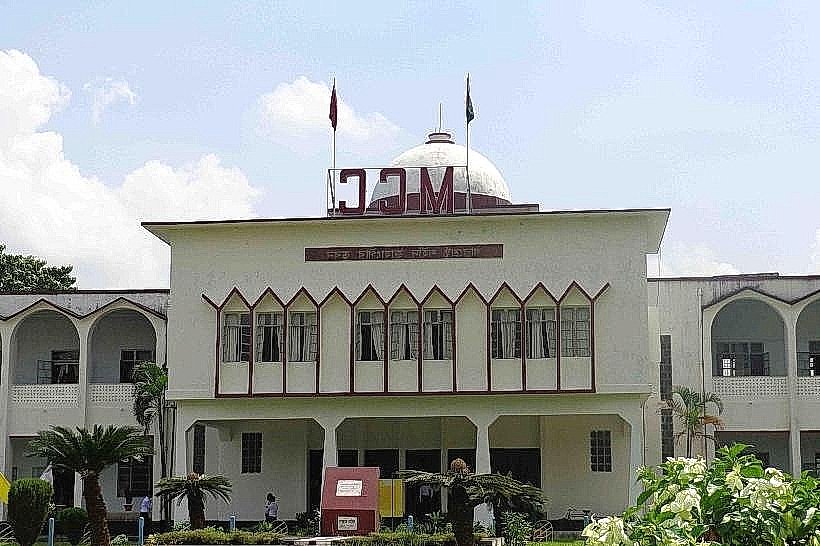
Santosh: The educational and spiritual center, housing the tomb of Maulana Bhashani and the Science & Technology University.
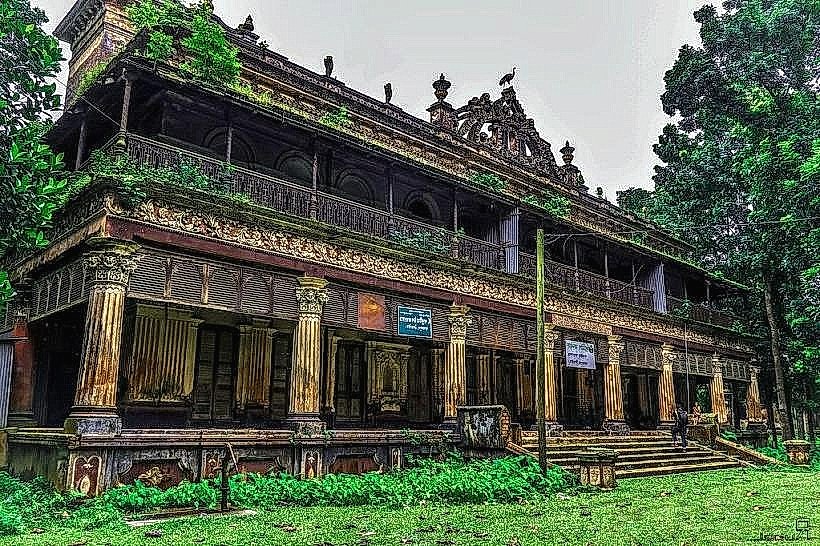
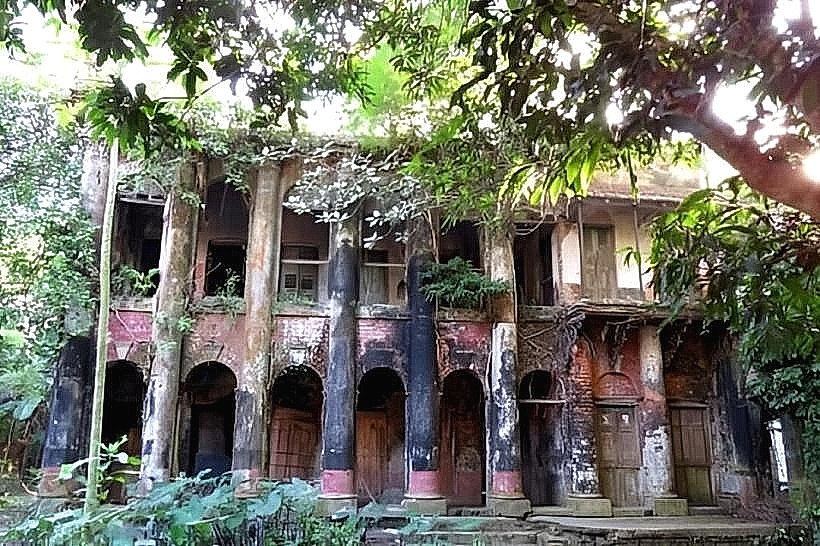
Karatia: Home to the historic Karatia Zamindar Bari and Saadat University College.
Elenga: A major highway junction and industrial gateway to the northern districts.
Top City Landmarks
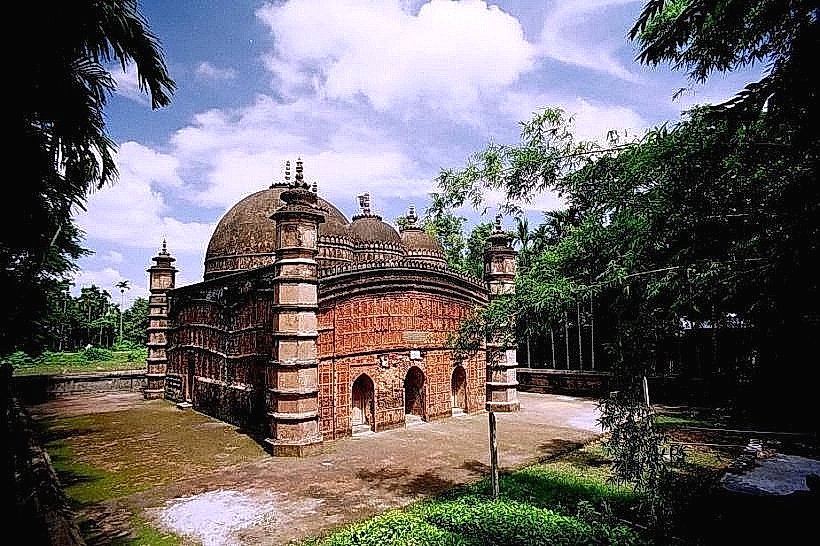
Atia Mosque: A 17th-century terracotta mosque (built 1608) featured on the older 10 Taka banknote.
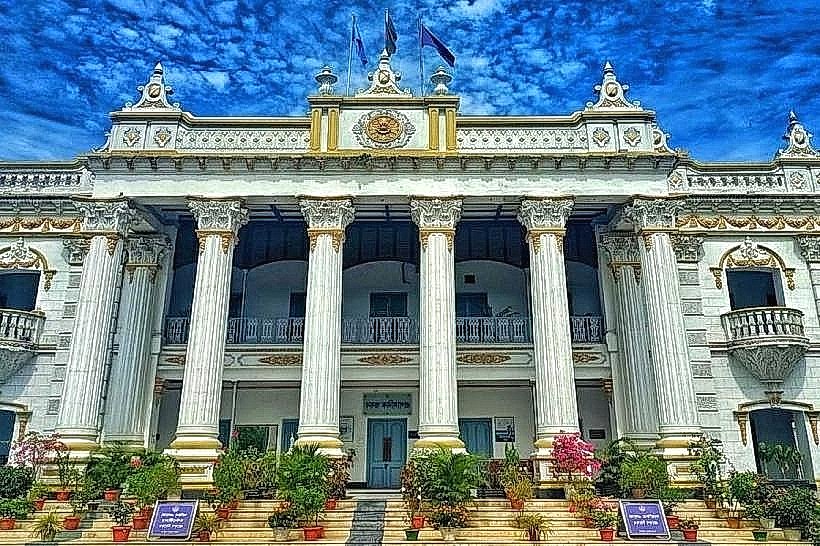
Mohera Zamindar Bari: One of the most well-preserved and grandest landlord estates in Bangladesh, now operated by the Police Training Centre.
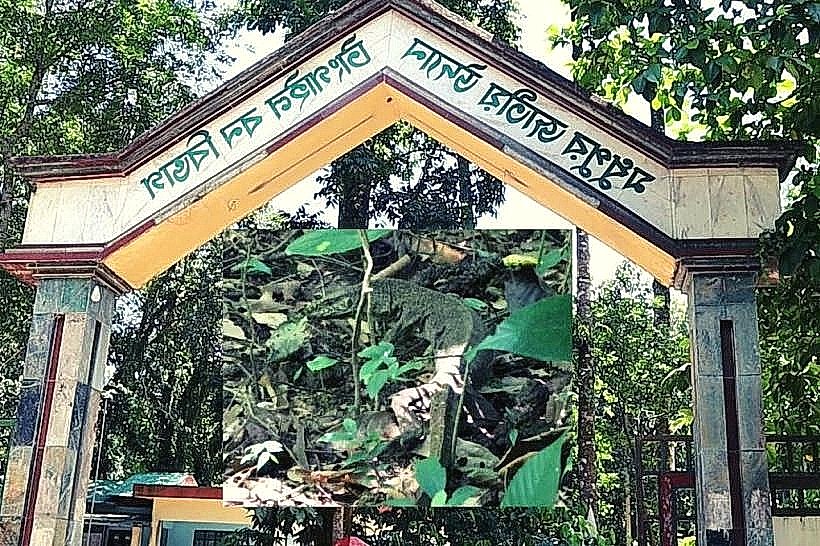
Madhupur National Park: A vast deciduous forest of Sal trees, home to the indigenous Garo people and diverse wildlife.
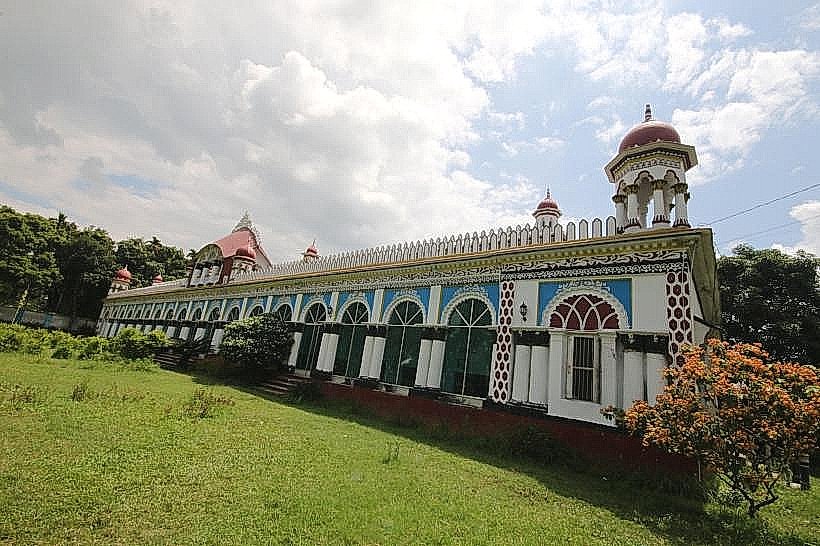
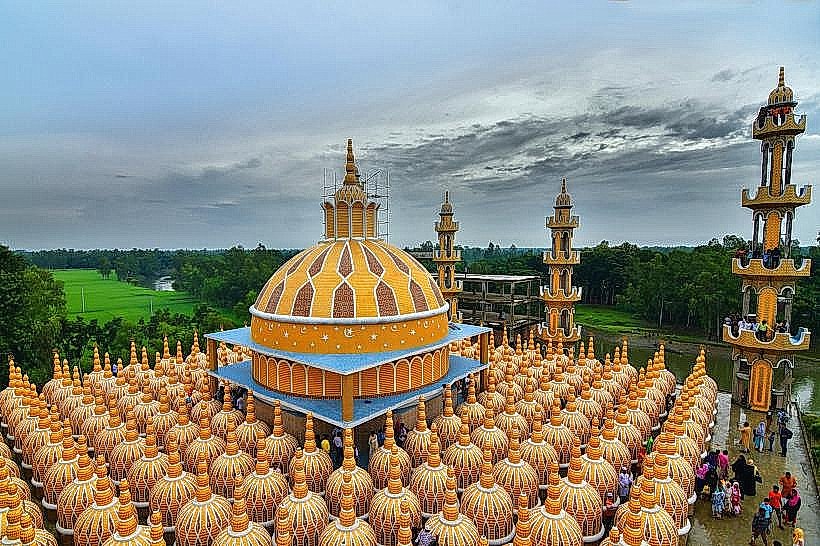
201 Dome Mosque: Located in Gopalpur, it is a modern architectural marvel featuring the highest number of domes on a single mosque globally.
Jamuna Multipurpose Bridge (Bangabandhu Bridge): Spanning 4.8 km, it is one of the longest bridges in South Asia, connecting the east and west of the country.
Dhanbari Nawab Bari: A majestic palace and mosque complex belonging to the Nawab of Dhanbari.
Transportation Network
Tangail is a primary transit corridor. The N5 Highway (Dhaka-Rangpur) is the city's lifeline, though it suffers from extreme congestion at the Elenga and Chandra points.
Rail: Tangail Railway Station is a key stop for intercity trains (e.g., Sirajganj Express, Silk City) traveling toward Rajshahi and Rangpur.
Bus: Direct luxury and local buses operate from Dhaka's Mohakhali terminal (approx. 2.5–3 hours).
Local: Within the city, Easy-bikes, CNGs, and cycle rickshaws are the primary modes of transport.
Safety & "Red Zones"
Travelers should note that Bangladesh is under a Level 3 (Reconsider Travel) advisory as of January 2026.
Political Risk: With national elections scheduled for February 12, 2026, avoid large gatherings at the Shaheed Minar or Santosh areas.
Road Safety: The Dhaka-Tangail highway has one of the highest accident rates in the country; avoid nighttime bus travel.
Forest Safety: In Madhupur, stay on marked trails and hire a local guide to avoid getting lost or encountering wild animals.
Digital & Financial Infrastructure
Internet speeds average 40–80 Mbps, with 5G available in the city center and around Mawlana Bhashani Science & Technology University. The local economy is driven by agriculture and handloom trade, making it highly cash-dependent (BDT). bKash and Nagad are used universally for payments. Card acceptance is generally limited to major hotels and a few supermarkets.
Climate & Air Quality
Tropical savanna climate. In January 2026, the weather is mild and dry (12°C–25°C). Air quality is currently Very Unhealthy (AQI 220–280) due to winter smog and heavy transit emissions along the highway corridors.
Culture & Social Norms
Tangail is the global center for the Tangail Saree, known for its fine weave and hand-spun cotton. The city is also famous for Porabari Cham-Cham, a rich, dark-brown sweetmeat considered one of the best in the country. Socially, the city is traditional and hospitable. Modest dress is standard. Tipping (5–10%) is common in restaurants.
Local Cost Index
1 Espresso: 140 BDT ($1.18)
1 Standard Lunch: 250 BDT ($2.10)
1kg authentic Cham-Cham: 450–600 BDT ($3.80–$5.05)
1 Liter of Petrol: 130 BDT ($1.10)
Nearby Day Trips
Pakutia Zamindar Bari: A cluster of three neoclassical palaces (35 km south).
Basulia: A scenic wetland area in Basail, particularly beautiful during the monsoon.
Gopalpur: Site of the 201 Dome Mosque and local brass industries.
Facts & Legends
The name "Tangail" is believed to be derived from the word "Tang" (a type of horse-drawn carriage used in the colonial era) or the "Tang" boats that once dominated the Lohajang River. A local legend at the Atia Mosque suggests that the river it sits on once flowed backward to protect the mosque from being submerged, a tale told to emphasize its spiritual significance.