Information
Country: BangladeshContinent: Asia
Bangladesh, Asia
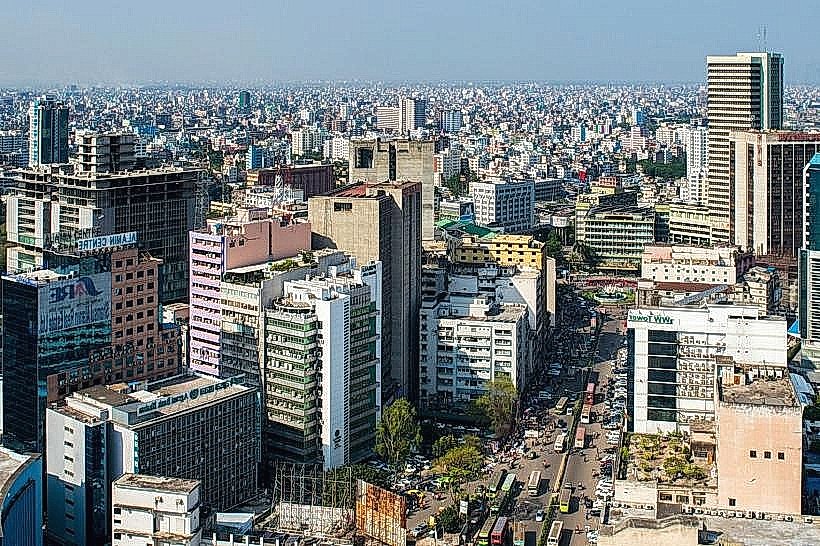
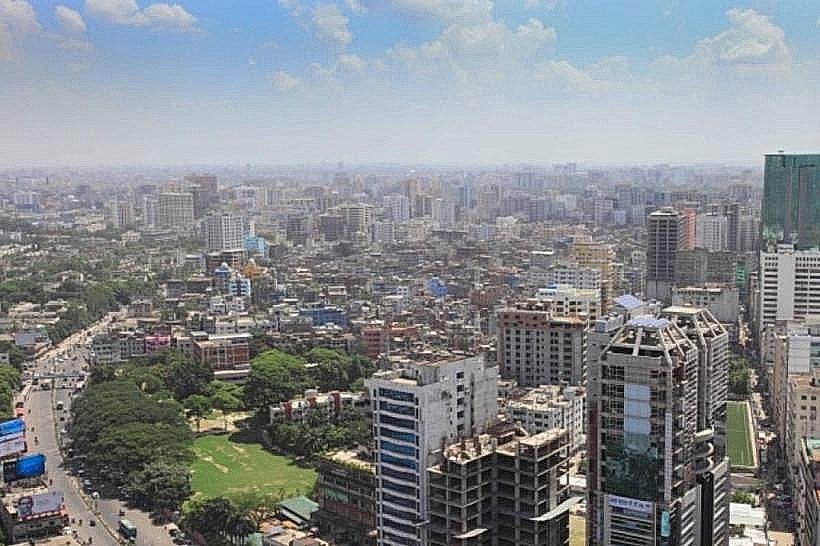
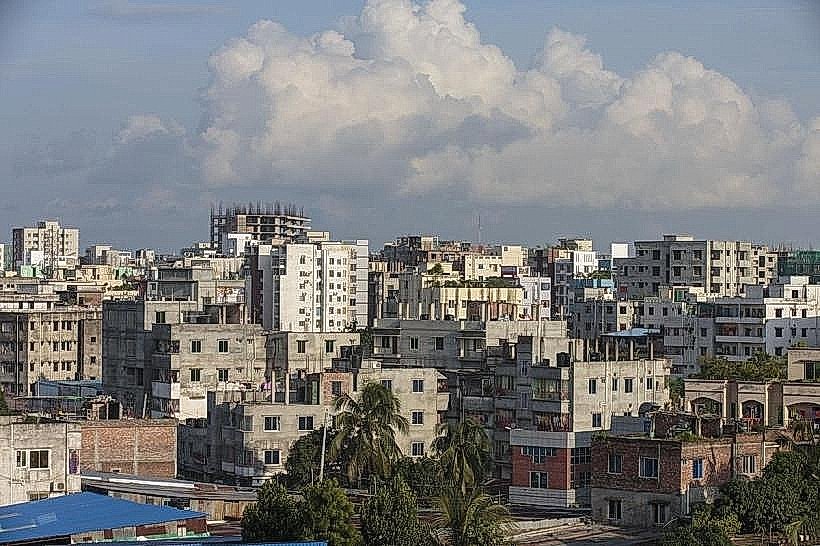
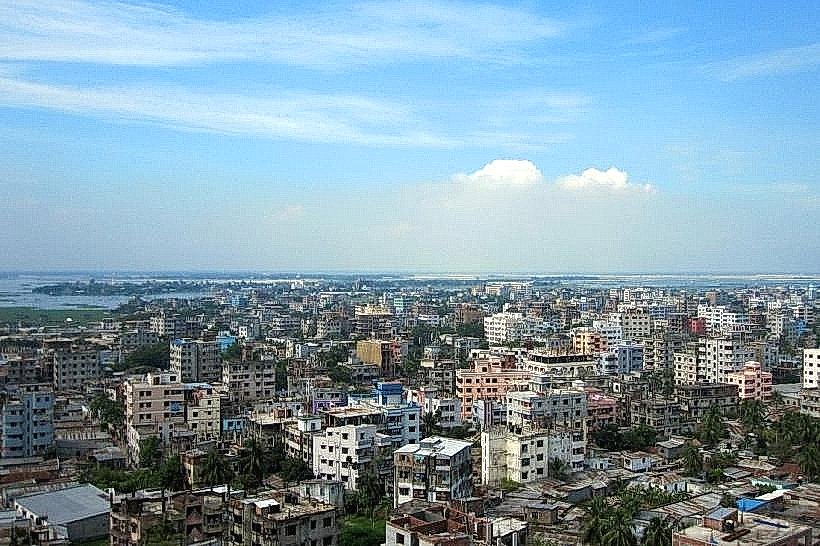
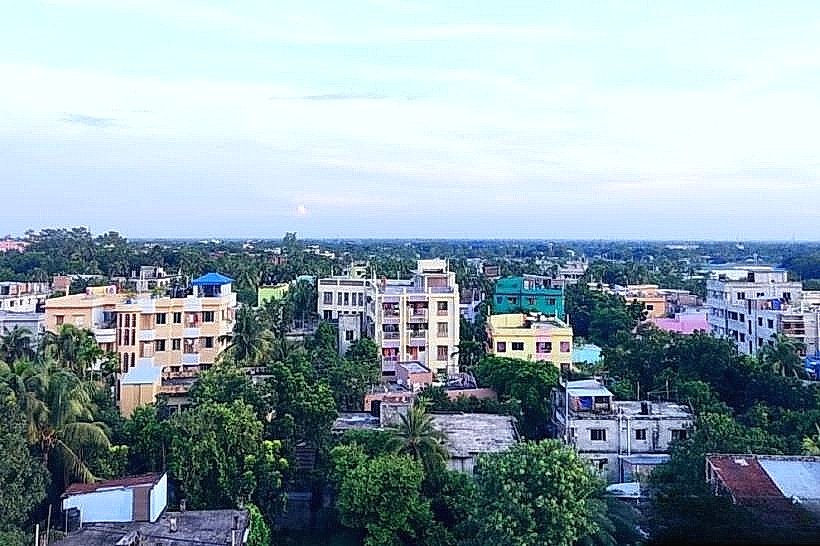
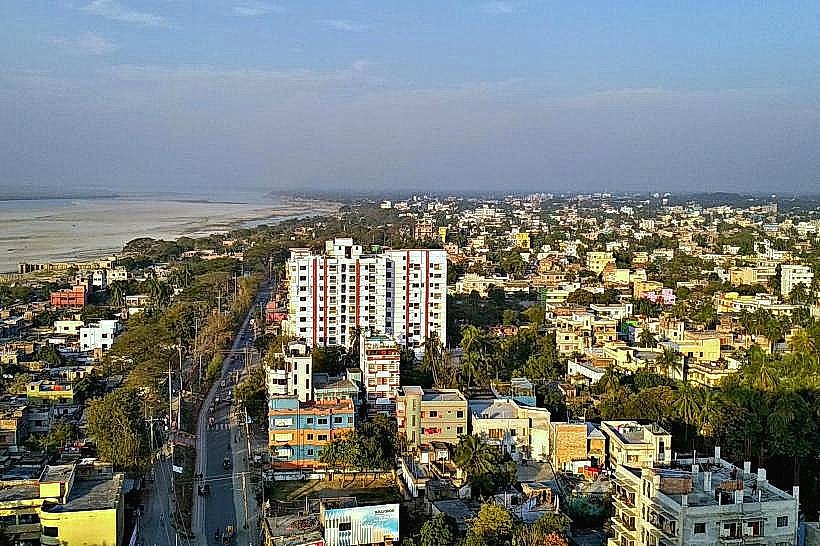
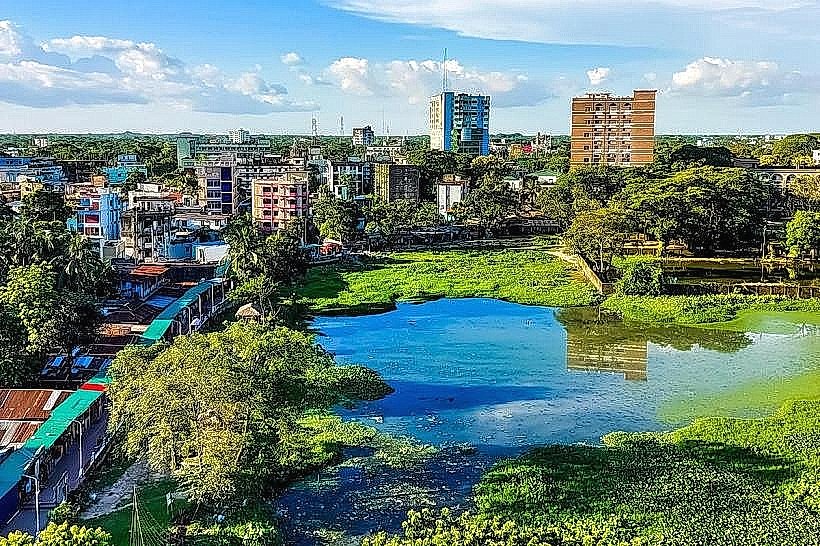
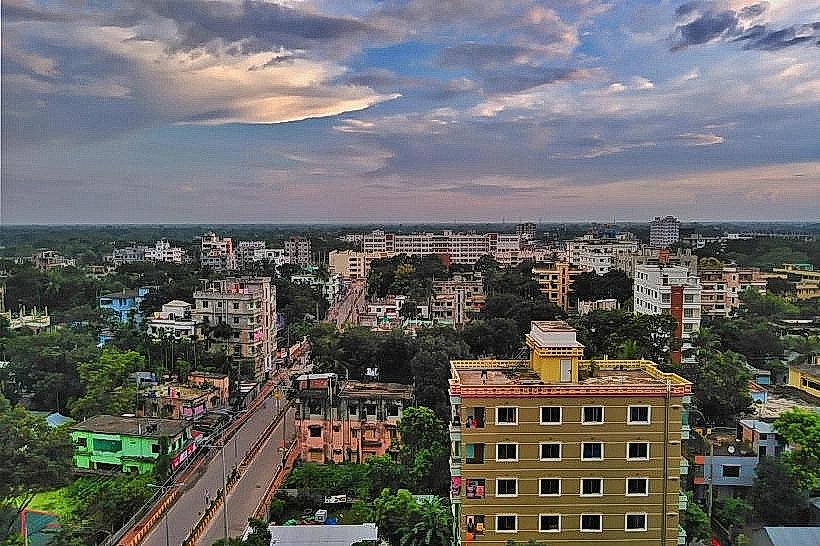
Bangladesh is located in South Asia, bordered by India to the west, north, and east, Myanmar to the southeast, and the Bay of Bengal to the south. It is defined by the Ganges-Brahmaputra delta-the largest in the world-and a massive textile manufacturing sector, with Dhaka serving as the capital city.
History & Culture
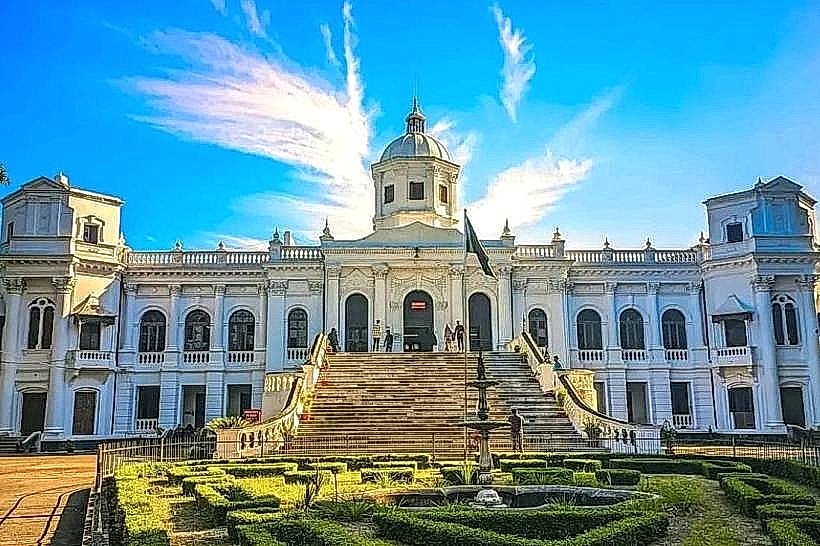
Bangladesh achieved independence from Pakistan on December 16, 1971, following the Bangladesh Liberation War. Major political eras include the British colonial period (as part of Bengal), the East Pakistan period (1947–1971), and the subsequent parliamentary and military-led administrations. 91% of the population is Muslim, with a significant Hindu minority (8%). The primary national holiday is Independence Day (March 26). Social etiquette emphasizes the left-hand taboo (eating and passing items with the right hand only), modest dress, and the removal of shoes before entering homes or mosques.
Language & Communication
The official language is Bengali (Bangla). English proficiency is Medium in urban centers and among the professional class but Low in rural areas. Dominant local dialects include Chittagonian and Sylheti, which are often distinct enough to be considered separate languages by linguists.
Population & Economy
The population is approximately 173 million, with 60% residing in rural areas. Top export commodities are ready-made garments (RMG), jute products, and frozen fish. GDP per capita is approximately $2,620 USD. The labor market is driven by the textile industry, which accounts for over 80% of total export earnings, followed by subsistence and commercial agriculture.
Visa & Entry Policy
Citizens of the US, UK, and most EU countries are eligible for a Visa on Arrival (VoA) for stays up to 30 days, provided they possess a return ticket and $500 USD in cash or credit. No formal E-Visa system exists as of 2026. Entry is generally standard, though travelers arriving from countries with Yellow Fever risk must present a vaccination certificate.
Currency & Payment Systems
The currency is the Bangladeshi Taka (BDT). Cash is the primary medium of exchange, especially outside the capital. While credit cards (Visa/Mastercard) are accepted in major hotels and malls in Dhaka and Chattogram, mobile financial services (bKash, Nagad) are the universal standard for local digital transactions. ATMs are widely available in cities but limited in remote rural districts.
National Transport Grid
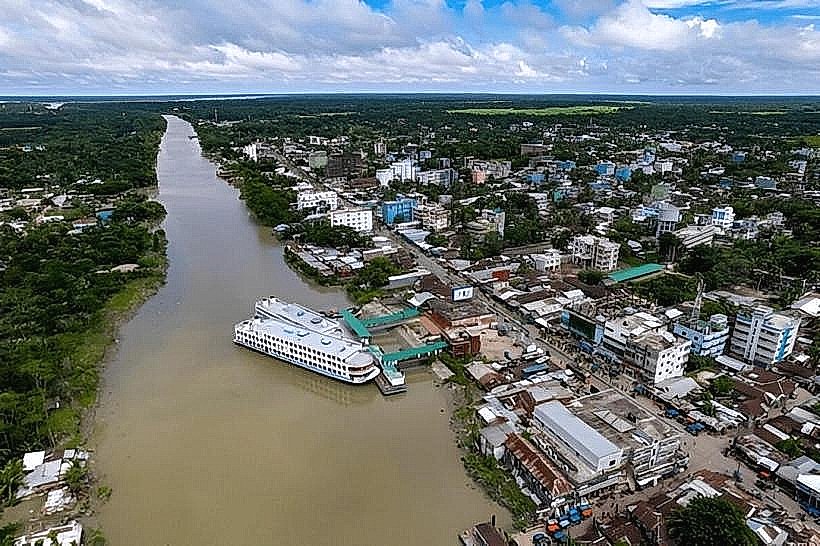
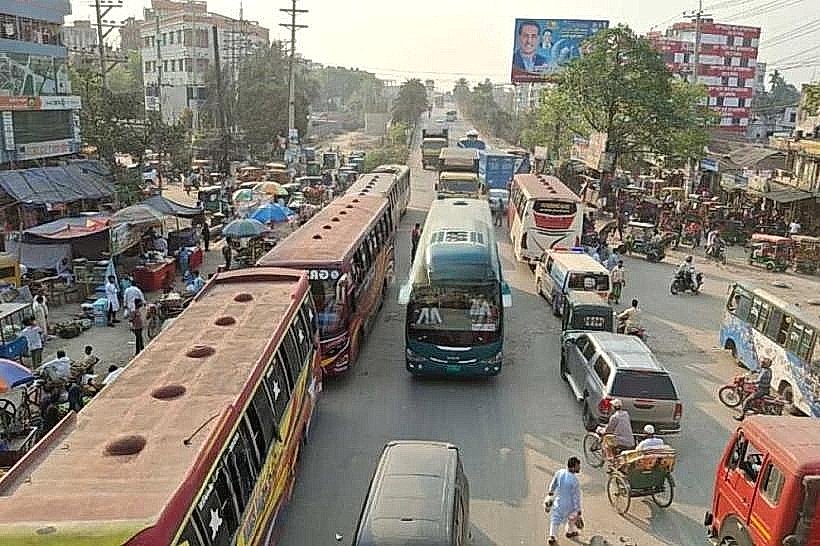
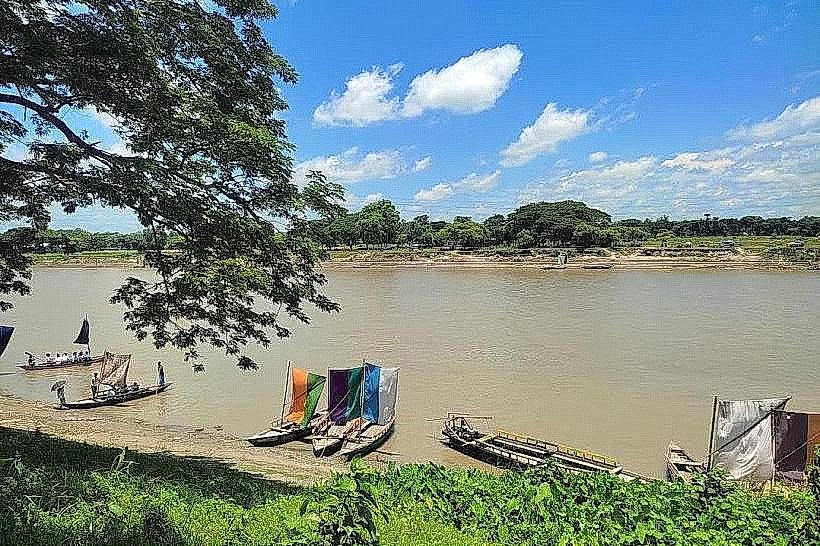
Inter-city travel is conducted via an extensive but aging rail network managed by Bangladesh Railway and a dominant long-distance bus system (Green Line, Shohag, Hanif). Domestic flights connect Dhaka to regional hubs like Cox’s Bazar and Sylhet. Inland waterways remain critical for southern transit, utilizing large passenger ferries known as "launches."
Digital Infrastructure
Primary mobile network providers are Grameenphone, Robi, and Banglalink. 4G coverage is consistent across most of the country; 5G deployment is currently focused on high-density urban zones in Dhaka and Chattogram.
Climate & Seasonality
Bangladesh has a tropical monsoon climate with six traditional seasons, though practically divided into three: the Hot season (March–June), the Wet/Monsoon season (July–October), and the Cool/Dry season (November–February). Annual rainfall ranges from 1,400mm to 4,000mm.
Health & Safety
There are no mandatory vaccines unless arriving from a Yellow Fever zone. Environmental risks include high Malaria and Dengue fever transmission during the monsoon and extreme flooding in low-lying regions. The emergency number for Police, Fire, and Ambulance is 999.
Top 3 Major Regions & Cities
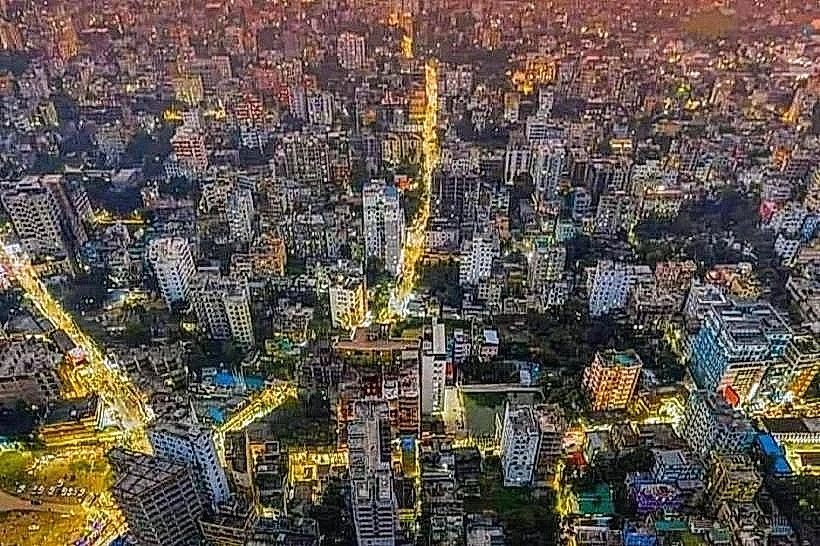
Dhaka Division: Hub: Dhaka.
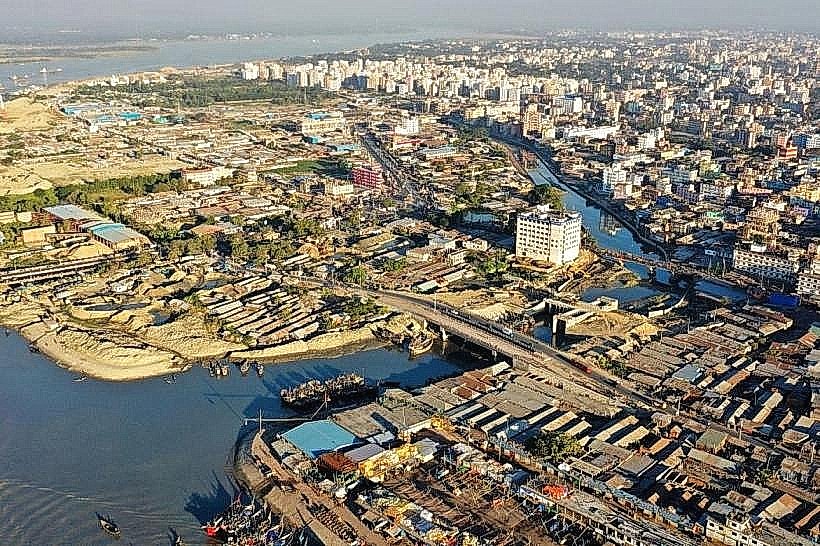
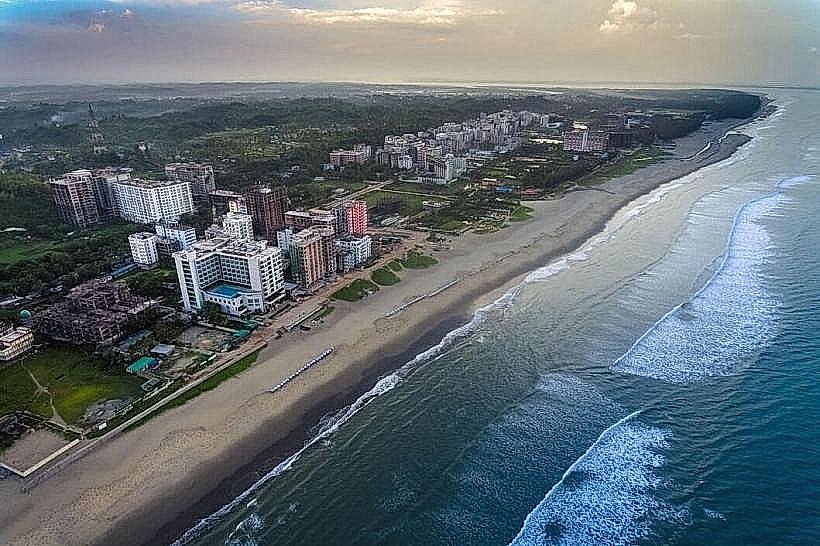
Chittagong Division (Southeast Coast): Hub: Cox's Bazar.
Sylhet Division (Northeast Highlands): Hub: Sylhet.
Local Cost Index
1L Water: 30 BDT ($0.25 USD)
1 Domestic Beer (0.5L): 500 BDT ($4.25 USD) - Note: Alcohol is restricted and primarily sold in licensed hotels.
1 Sim Card (10GB Data Plan): 350 BDT ($3.00 USD)
Facts & Legends
Bangladesh is home to the Sundarbans, the world's largest contiguous mangrove forest, which is the only mangrove ecosystem inhabited by the Royal Bengal Tiger. Local folklore frequently features the "Bonbibi," a forest deity worshipped by both Hindus and Muslims for protection against tiger attacks.