Information
City: ChittagongCountry: Bangladesh
Continent: Asia
Chittagong, Bangladesh, Asia
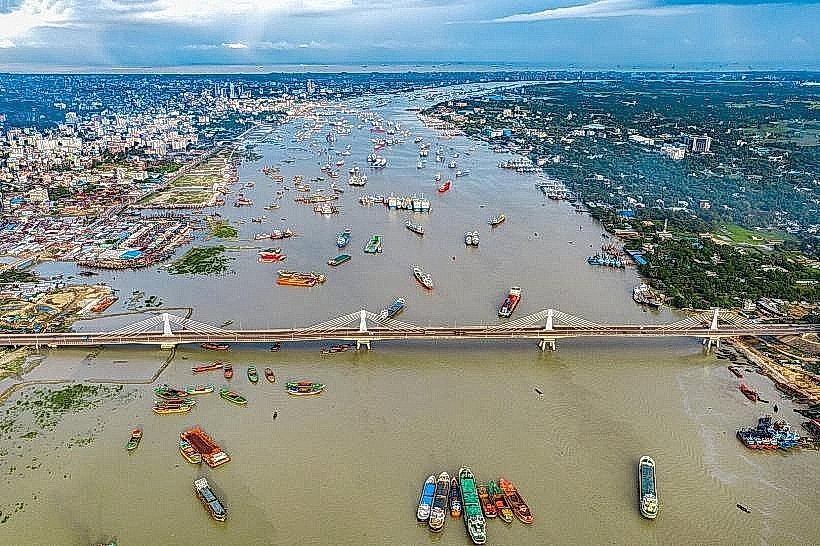
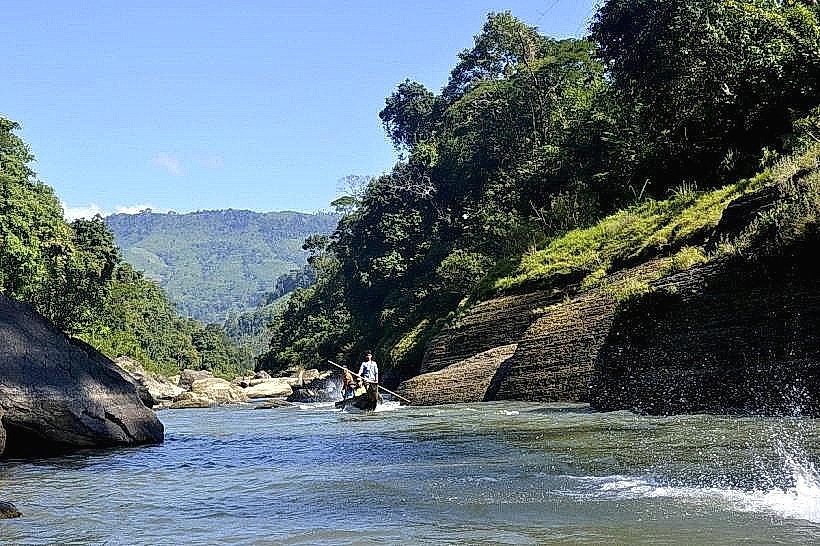
Chittagong (officially Chattogram) serves as the principal maritime gateway and second-largest city of Bangladesh. It is a vital industrial and logistical hub located on the banks of the Karnaphuli River near the Bay of Bengal, approximately 250 kilometers southeast of Dhaka.
Historical Timeline
Known since antiquity, Chattogram appeared on Ptolemy’s 2nd-century maps and was a key southern Silk Road port. It was contested for centuries by the Bengal Sultanate, the Kingdom of Arakan, and the Mughal Empire. The Portuguese established a presence in the 16th century, calling it Porto Grande. It served as a strategic base during World War II and was the site of the 1971 declaration of independence for Bangladesh.
Demographics & Population
As of 2026, the metropolitan area population is estimated at 5.8 million, with a growth rate of approximately 2.5% annually. The population is ethnically diverse, predominantly Bengali, but also home to significant communities of Chakma, Marma, and other ethnic groups from the nearby Hill Tracts.
Urban Layout & Key Districts
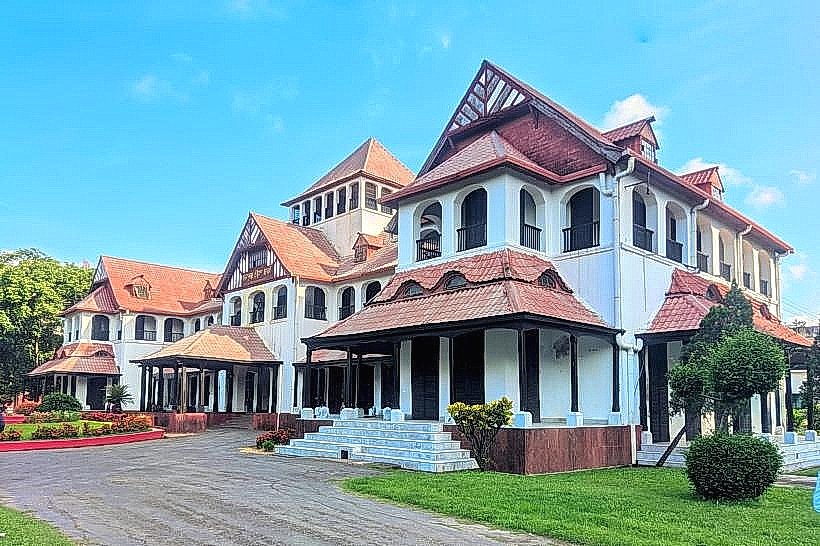
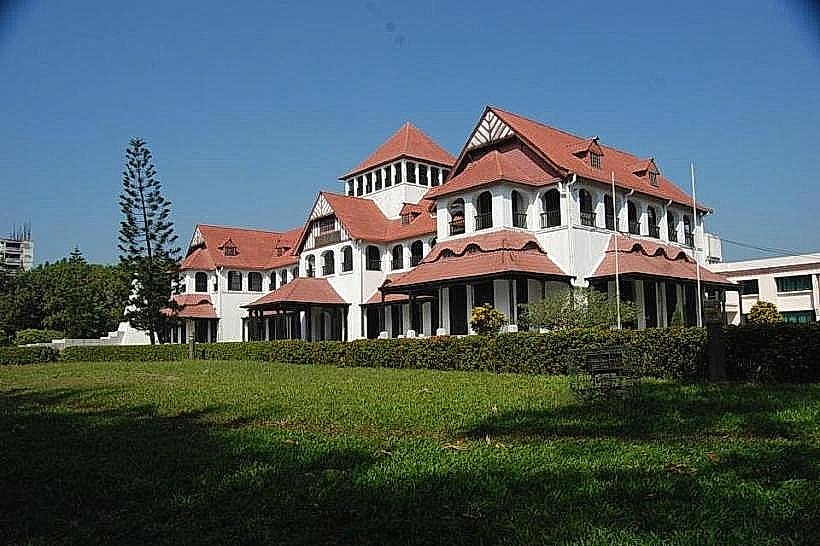
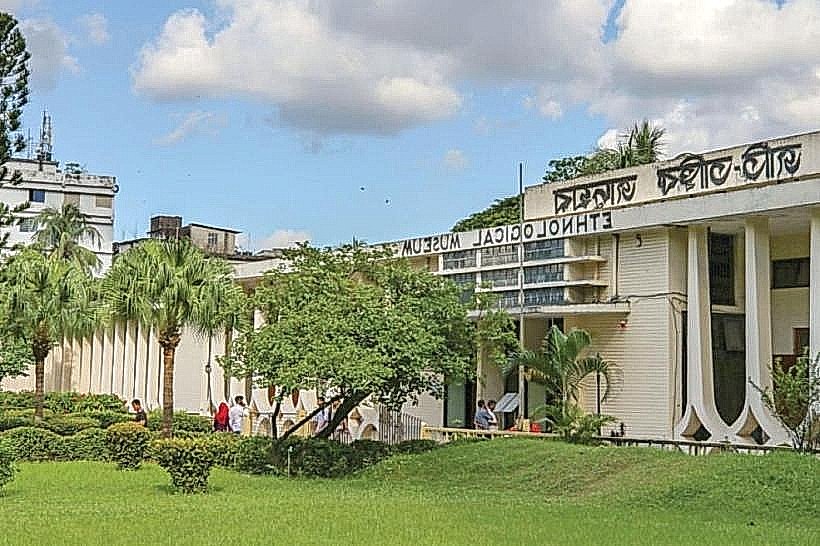
Agrabad: The central business district and commercial heart, housing the Ethnological Museum and corporate offices.
Pahartali: A historic railway hub and hilly residential zone.
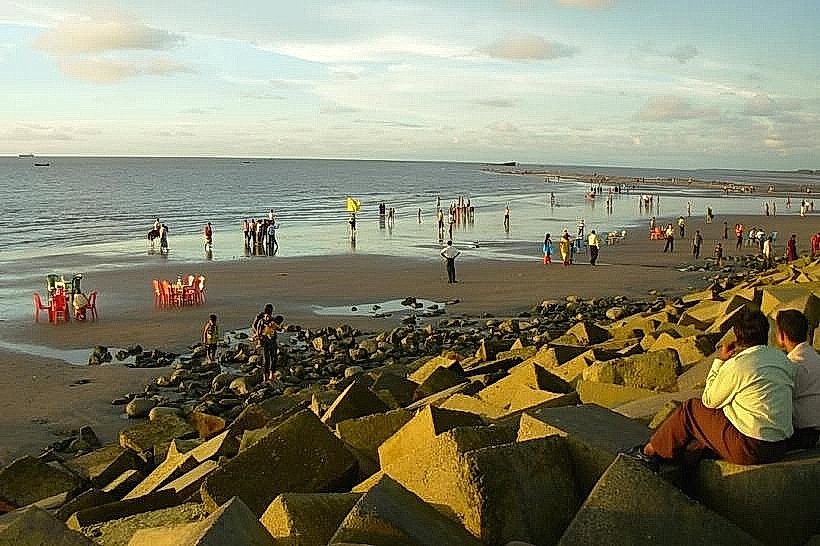
Patenga: The coastal tip containing the city's primary beach, naval base, and the international airport.
Khulshi: An affluent residential hilly area.
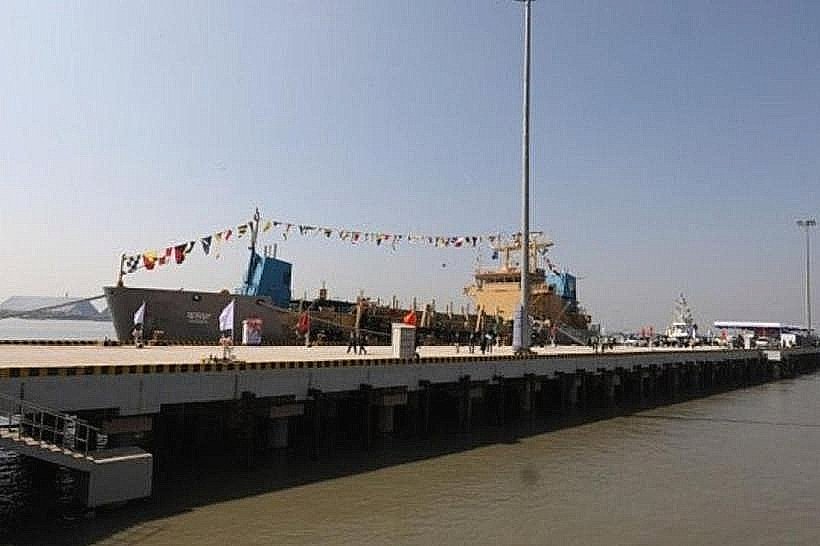
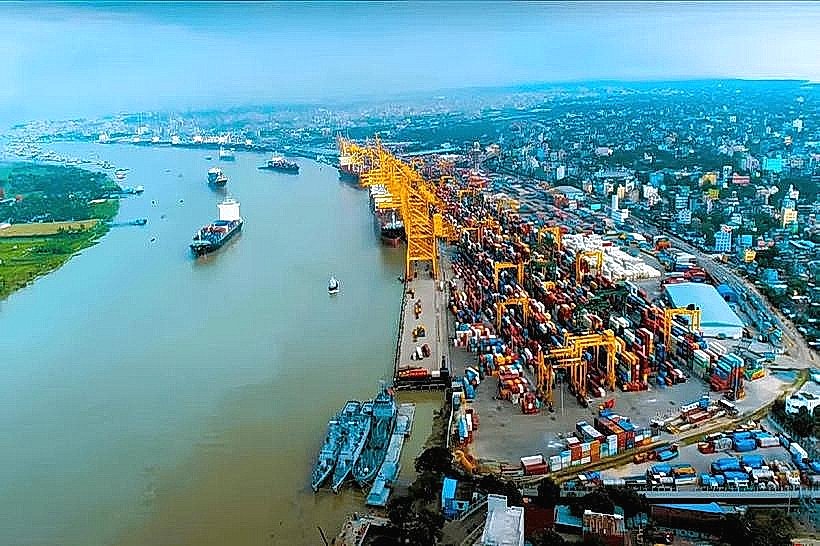
Chittagong Port: One of the busiest natural harbors in the world, stretching along the riverbank.
Top City Landmarks
Patenga Sea Beach: Popular for sunsets and street food at the river-sea confluence.
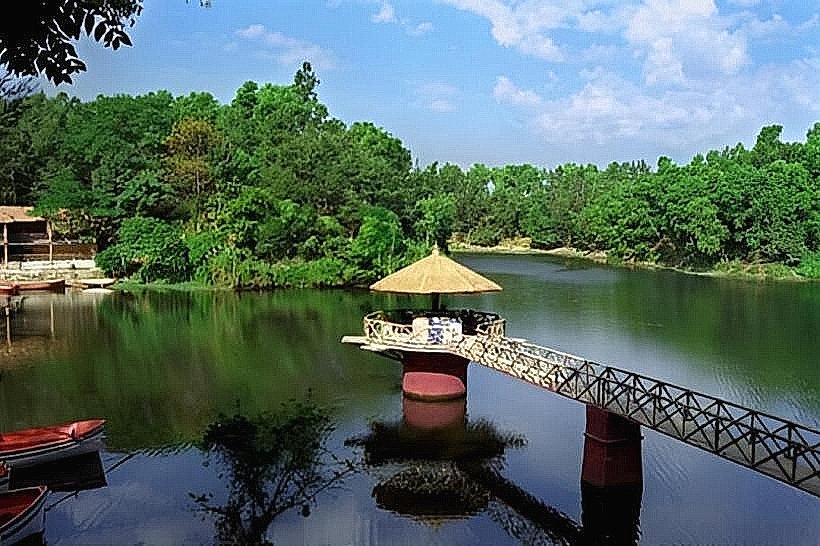
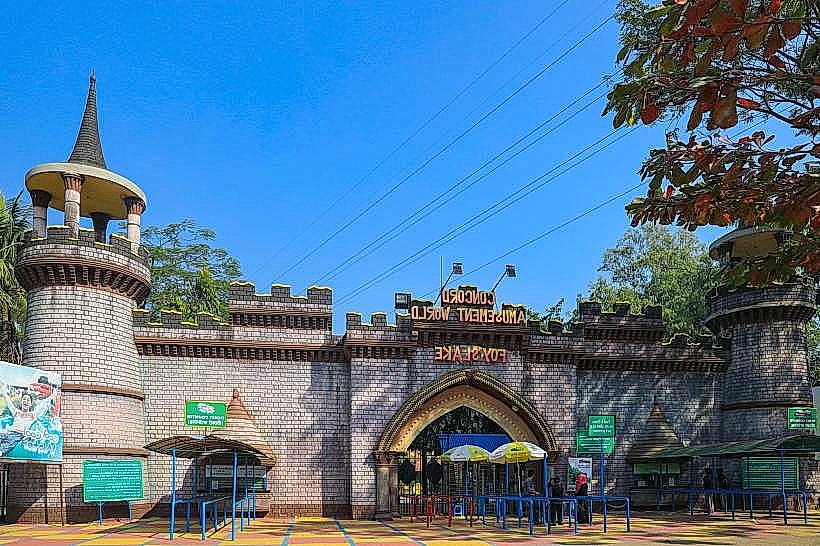
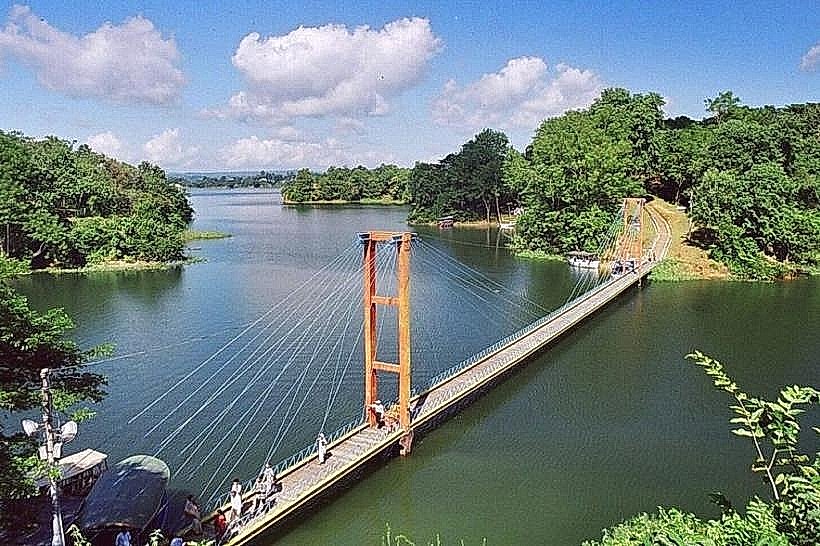
Foy’s Lake: A man-made lake and amusement park complex set in the hills.
Ethnological Museum: The only one of its kind in Bangladesh, showcasing ethnic groups.
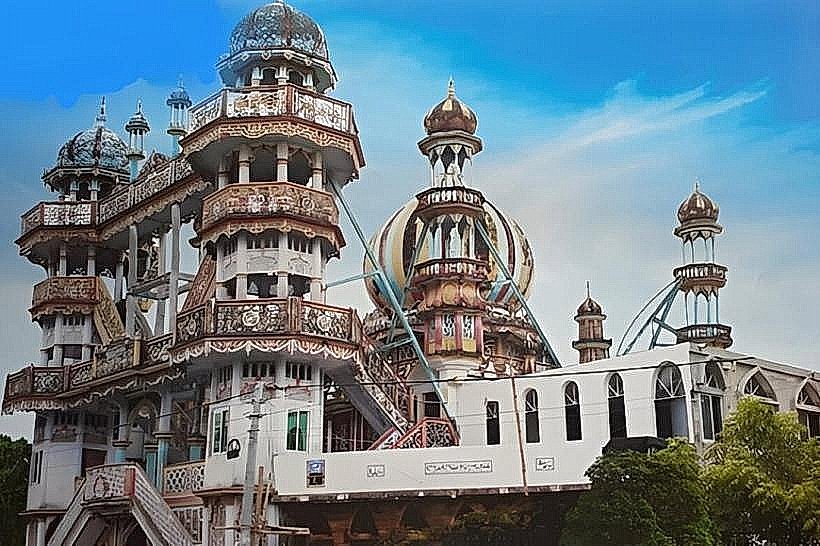
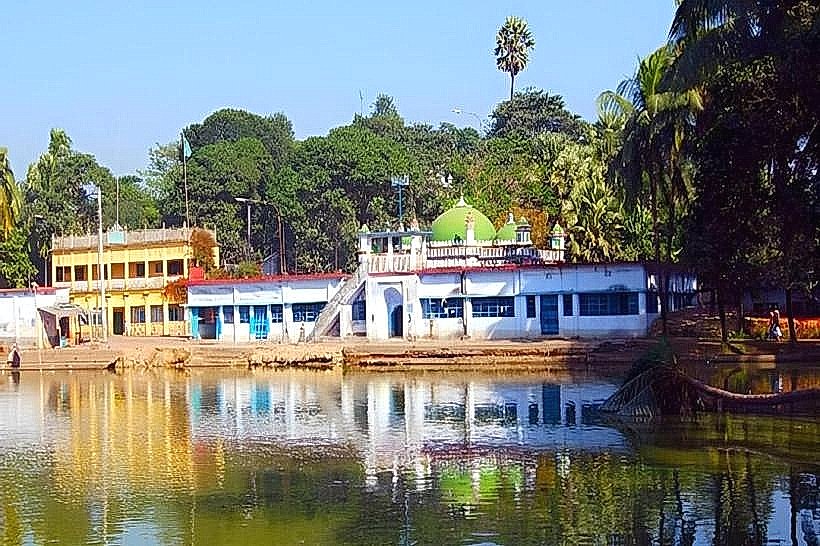
Shrine of Bayazid Bostami: A revered Sufi site famous for its ancient "sacred" turtles.
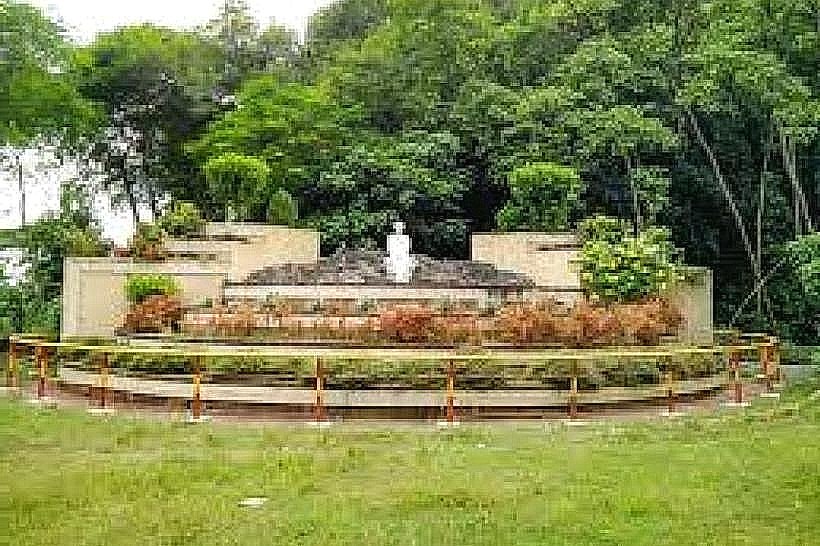
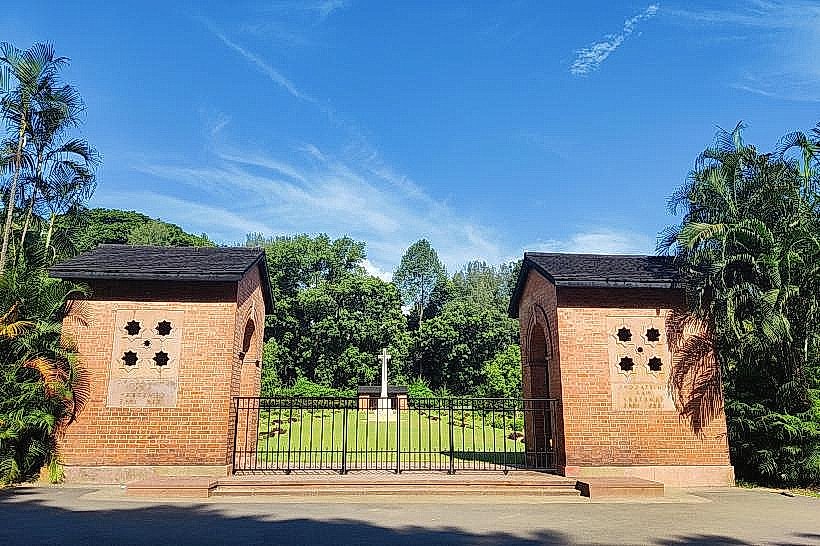
Commonwealth War Cemetery: A serene memorial for soldiers killed during the Burma Campaign.
Transportation Network
Chattogram is the terminus of the historic Grand Trunk Road and the headquarters of the Bangladesh Railway. The Bangabandhu Sheikh Mujibur Rahman Tunnel, an underwater link beneath the Karnaphuli River, has modernized south-bound logistics. Within the city, travel is dominated by rickshaws, "CNGs" (auto-rickshaws), and private cars. Shah Amanat International Airport (CGP) connects the city to domestic and Middle Eastern hubs. Traffic is heavy but generally less stagnant than in Dhaka.
Safety & "Red Zones"
Current travel advisories for Bangladesh (as of early 2026) remain at Level 3 (Reconsider Travel) due to national elections scheduled for February 12, 2026. Visitors should avoid the Chittagong Hill Tracts (CHT) without specialized permits and security clearance, as kidnapping and ethnic clashes occur in remote areas. In the city, avoid political rallies around GEC Circle or the Press Club.
Digital & Financial Infrastructure
Internet speeds average 40–100 Mbps in commercial zones. 5G is increasingly available in Agrabad and Khulshi. The economy relies on cash (Bangladeshi Taka - BDT) for local markets, but cards are standard at hotels and high-end restaurants. Mobile banking (bKash) is universal.
Climate & Air Quality
Tropical monsoon climate with heavy rainfall from June to September. Winters (December–February) are mild and dry. Air quality in 2026 often fluctuates between Unhealthy and Moderate (AQI 120–220), largely due to industrial output and proximity to the ship-breaking yards.
Culture & Social Norms
The city is known for its distinct Mezban culture-large-scale community feasts featuring slow-cooked spicy beef. It is socially conservative; modest dress is expected. Tipping is customary in restaurants (5–10%), and rounding up rickshaw fares is common practice.
Local Cost Index
1 Espresso: 220 BDT ($1.85)
1 Standard Lunch (Mezban): 400 BDT ($3.40)
1 Short CNG Ride: 150 BDT ($1.25)
1 Liter of Petrol: 130 BDT ($1.10)
Nearby Day Trips
Sitakunda: Features Chandranath Hill and its ancient Hindu temples (35 km north).
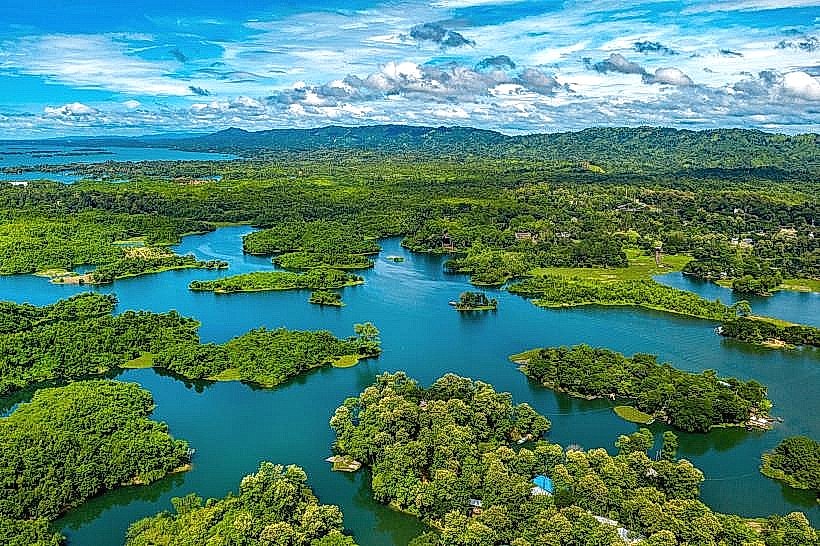
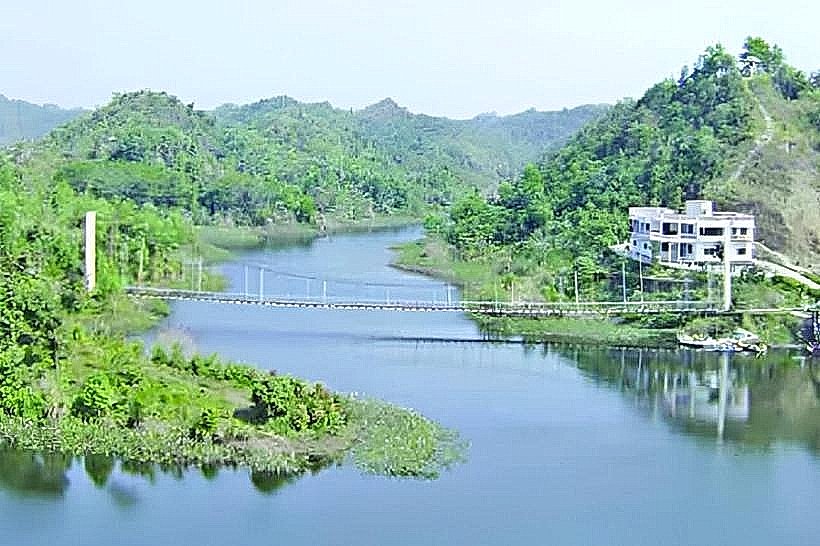
Kaptai Lake: Bangladesh's largest man-made lake, located in the hills (55 km east).
Cox's Bazar: The world's longest natural sea beach (150 km south, 3 hours by bus).
Facts & Legends
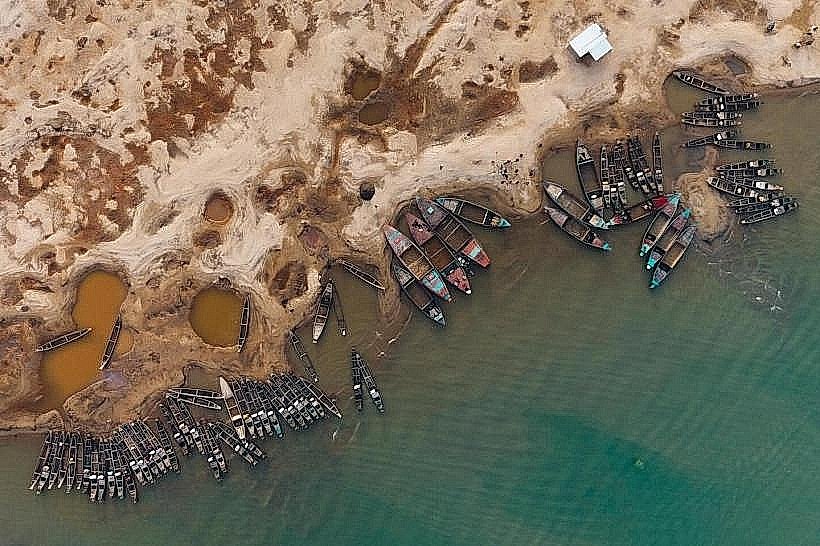
Chattogram houses the "Graveyard of Ships"-the world's largest ship-breaking yard in Sitakunda. A local legend at the Bayazid Bostami shrine claims the turtles in the pond are actually jinns who were transformed into reptiles for their disobedience, and they are now fed by pilgrims seeking spiritual favor.