Information
Landmark: Karnaphuli RiverCity: Chittagong
Country: Bangladesh
Continent: Asia
Karnaphuli River, Chittagong, Bangladesh, Asia
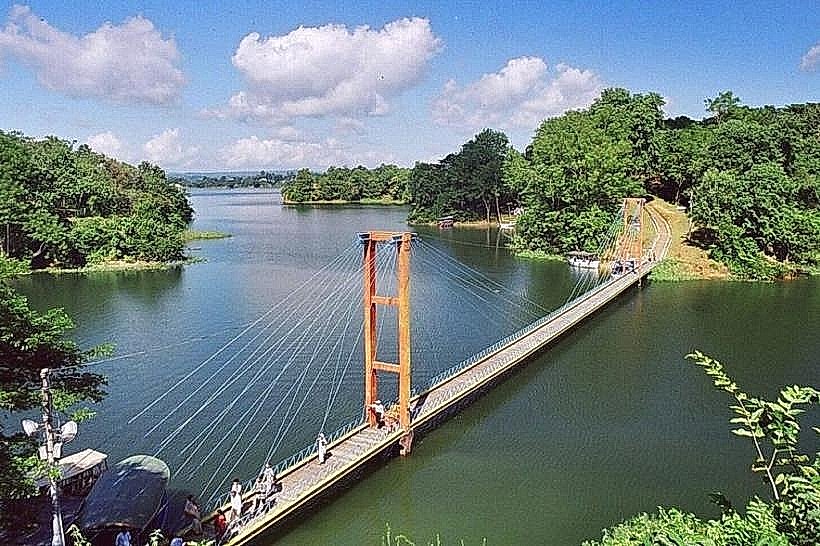
The Karnaphuli River is a major river in southeastern Bangladesh, flowing through the city of Chittagong.
It serves as a vital waterway for commerce and transportation in the region.
Visual Characteristics
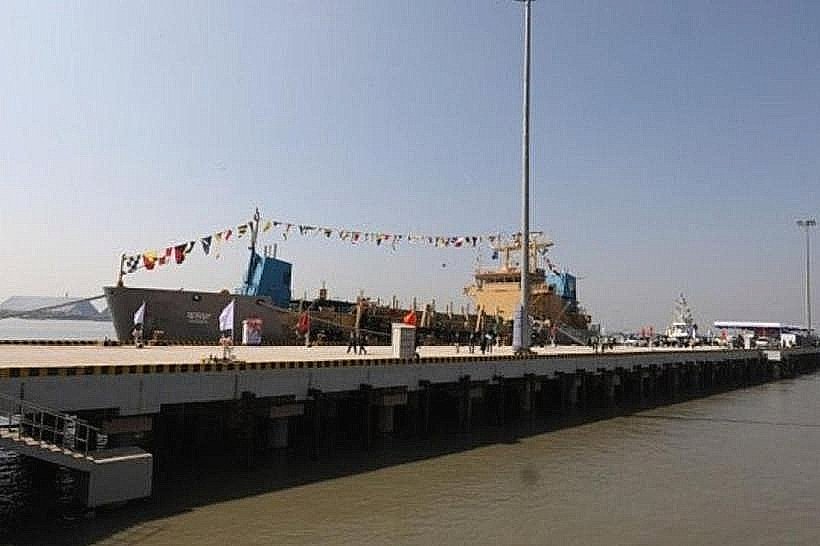
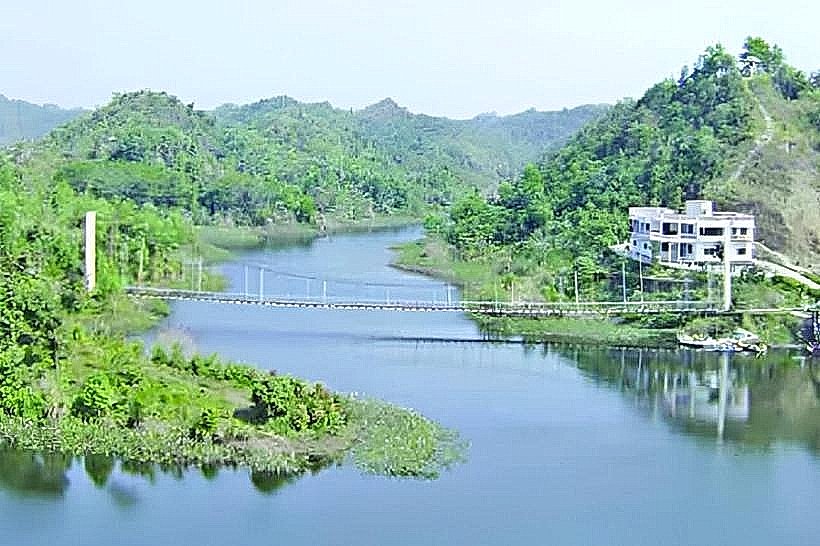
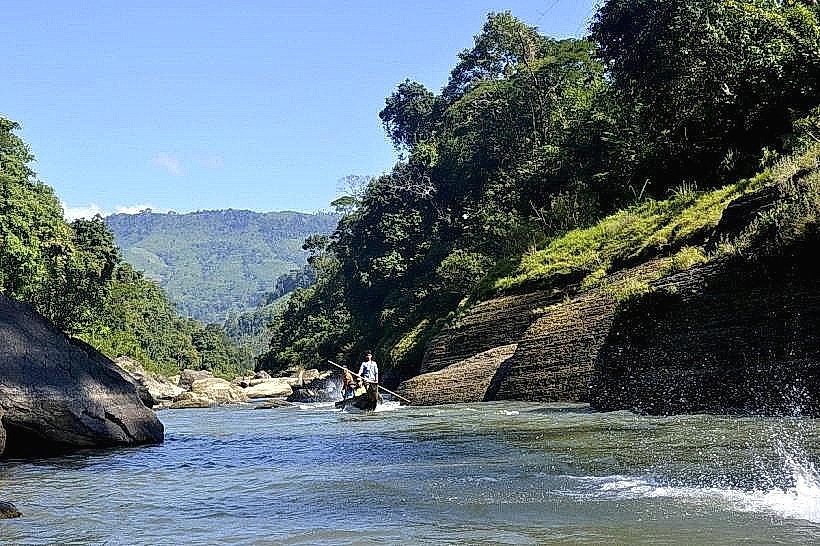
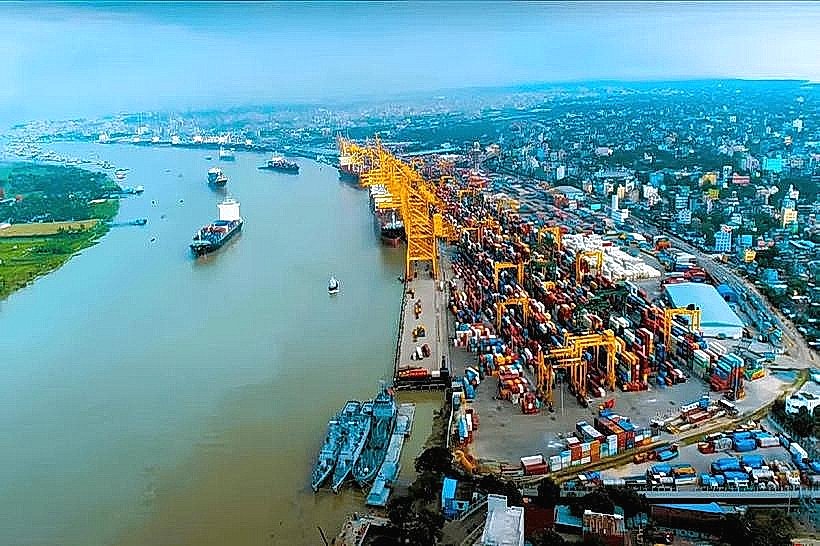
The river's width varies, averaging approximately 300 meters in the Chittagong urban area. Water color is typically brown due to sediment load, especially during the monsoon season. The riverbanks are characterized by a mix of natural vegetation and urban development, including port facilities and residential areas.
Location & Access Logistics
The Karnaphuli River bisects Chittagong city. Access points are numerous along its banks. Major roads adjacent to the river include the Chittagong Port Access Road and the Dhaka-Chittagong Highway (N1). Numerous local buses and auto-rickshaws operate within Chittagong, providing access to various points along the river. Ferries and water taxis are available for crossing the river at designated points, such as the Sadarghat ferry terminal.
Historical & Ecological Origin
The Karnaphuli River originates in the Lushai Hills of Mizoram, India, and flows southwest into Bangladesh. Its deltaic formation is a result of alluvial deposition over millennia. Historically, the river has been a crucial trade route since ancient times, with evidence of maritime activity dating back centuries. The port of Chittagong, located on its banks, is one of the oldest in the world.
Key Highlights & Activities
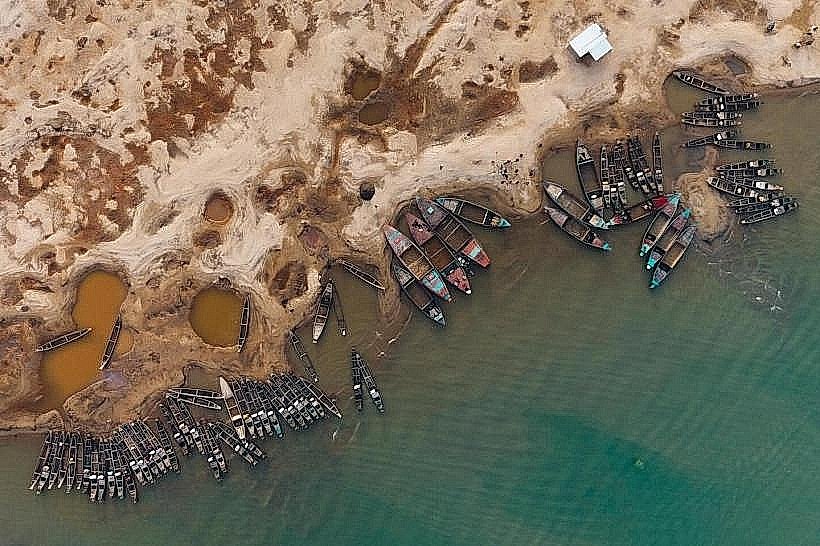
Boat tours are available, offering views of the port, industrial areas, and riverine life. Fishing is a common activity for local residents. The riverfront areas in Chittagong provide opportunities for observing daily life and maritime operations.
Infrastructure & Amenities
Restrooms are available at public ferry terminals and some waterfront parks. Shade is limited along much of the developed riverfront. Cell phone signal (4G/5G) is generally strong in urban areas along the river. Food vendors are present in populated areas near the river, particularly around ferry terminals and markets.
Best Time to Visit
The dry season, from November to March, offers clearer skies and less rainfall, making boat trips more comfortable. Early morning and late afternoon provide optimal lighting for photography of the river and port activities.
Facts & Legends
The Karnaphuli River is known for its significant role in the Bangladesh Liberation War, with naval battles and strategic movements occurring on its waters. A local legend speaks of a mythical guardian spirit residing in the river's depths, protecting its flow.
Nearby Landmarks
- Shah Amanat Bridge (0.8km West)
- Chittagong Port (1.5km Southwest)
- Chittagong Railway Station (2.2km Northwest)
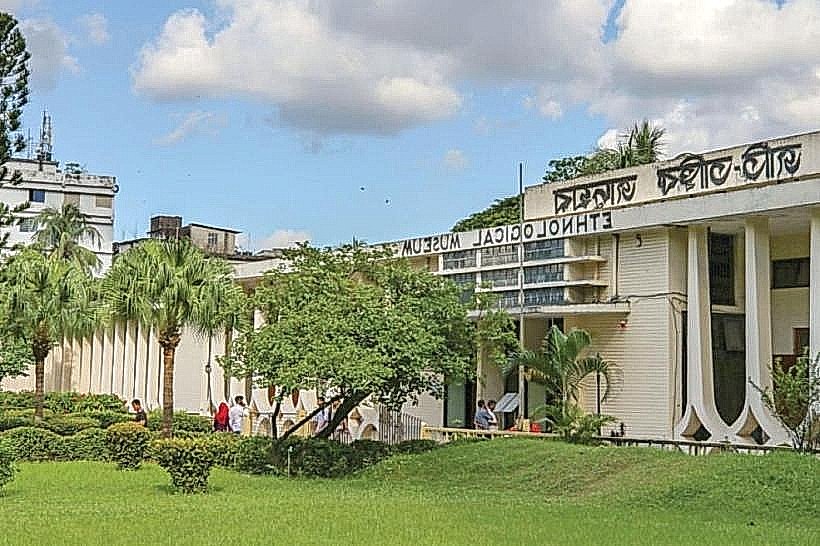
- Chittagong Ethnographic Museum (2.5km Northwest)
- Baishtami Temple (3.1km North)