Information
Landmark: Sangu RiverCity: Chittagong
Country: Bangladesh
Continent: Asia
Sangu River, Chittagong, Bangladesh, Asia
The Sangu River is a significant river flowing through the Chittagong district of Bangladesh. It originates in the Lushai Hills of Mizoram, India.
Visual Characteristics
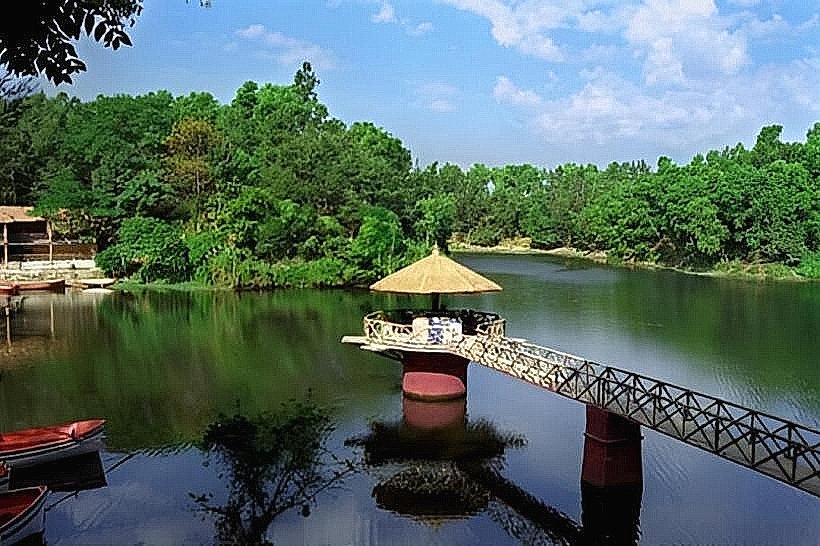
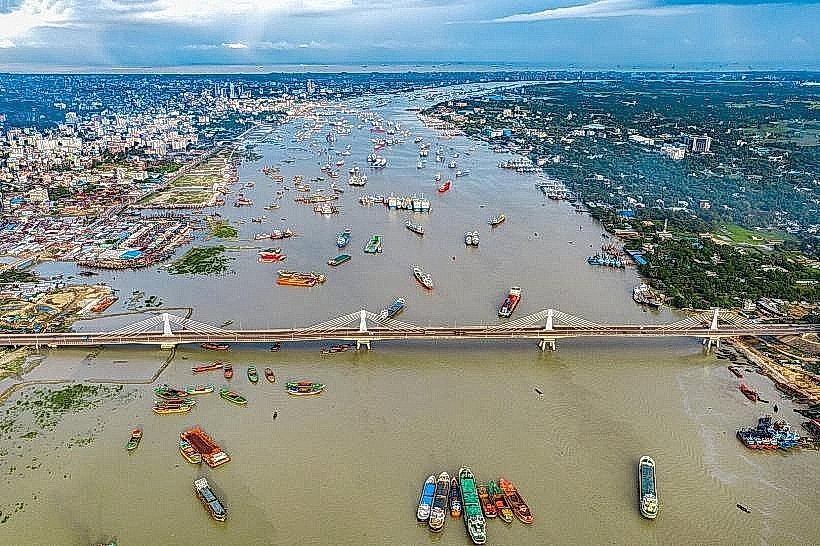
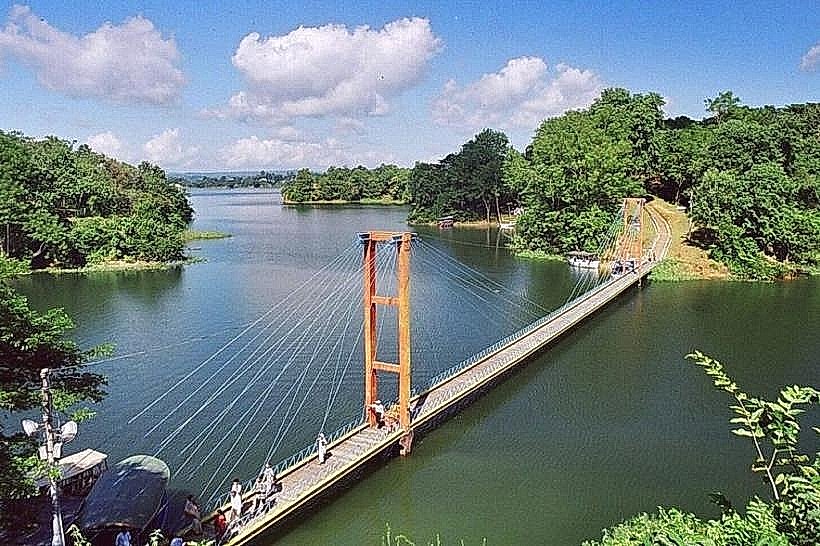
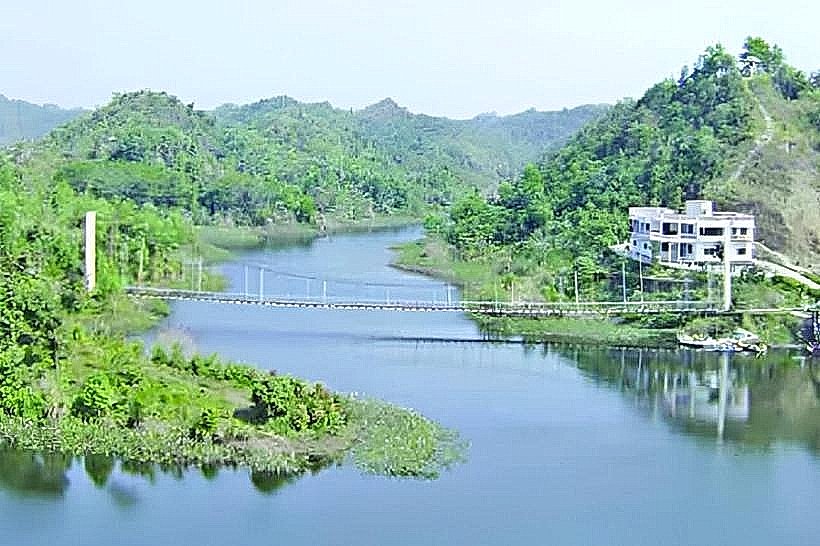
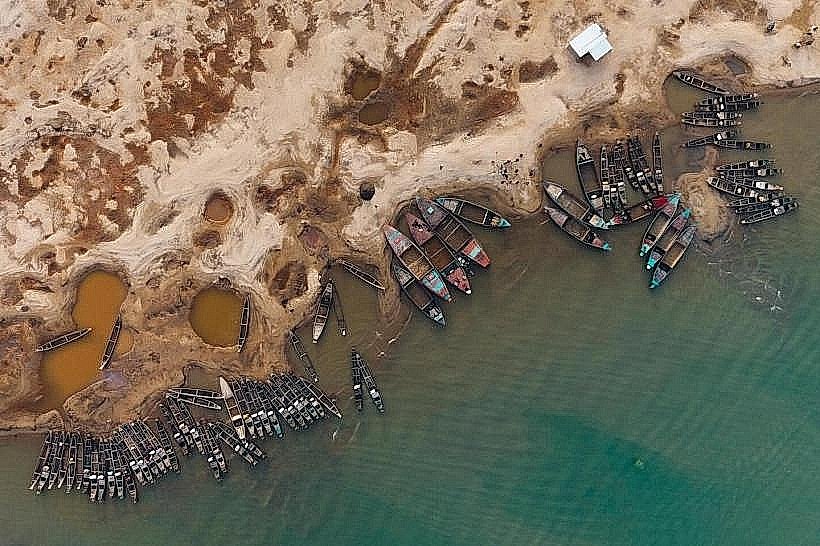
The river's water color varies from muddy brown to a lighter tan depending on rainfall and sediment load. Its width fluctuates, averaging approximately 100 meters in its lower reaches. The banks are characterized by alluvial soil, supporting dense vegetation including bamboo groves and various tree species.
Location & Access Logistics
The Sangu River is accessible from Chittagong city. The primary access point is via the city's southern outskirts, approximately 20 kilometers from the city center. Road access is via National Highway 1 (N1), turning onto local roads towards the river. Parking is available at designated points near ferry terminals or villages along the river. Local buses (e.g., route 12) operate from Chittagong city to towns like Satkania, which are situated along the river. Boat hire is the primary mode of transport on the river itself.
Historical & Ecological Origin
The Sangu River is a natural fluvial system, formed by the erosive and depositional processes of water flow over millennia. Its geological origin is tied to the sedimentary basins of the Bengal Delta. Historically, it has served as a vital waterway for trade and transportation for local communities.
Key Highlights & Activities
Boat excursions along the river are the main activity. Visitors can observe local fishing practices and village life along the banks. During the monsoon season, the river's increased flow can be observed. Some sections are suitable for kayaking, particularly during the dry season.
Infrastructure & Amenities
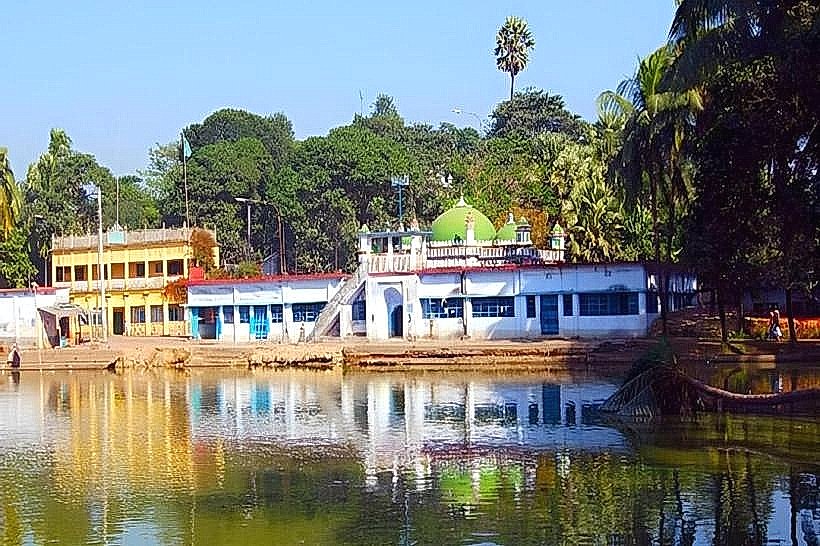
Basic amenities are limited. Small tea stalls and local eateries can be found in villages adjacent to the river. Restrooms are generally not available at designated points; visitors should plan accordingly. Cell phone signal (2G/3G) is intermittent along the riverbanks, with better reception in larger settlements.
Best Time to Visit
The dry season, from November to March, offers the most stable conditions for river travel. During this period, water levels are lower, and the weather is generally clear. The best time of day for photography is early morning or late afternoon when the sunlight is less direct, providing softer illumination on the water and landscape.
Facts & Legends
Local folklore suggests that the Sangu River was once inhabited by river spirits who protected its waters. A specific tip for visitors is to engage with local boatmen, who often possess detailed knowledge of the river's currents and historical anecdotes.
Nearby Landmarks
- Chandranath Temple (15km Northwest)
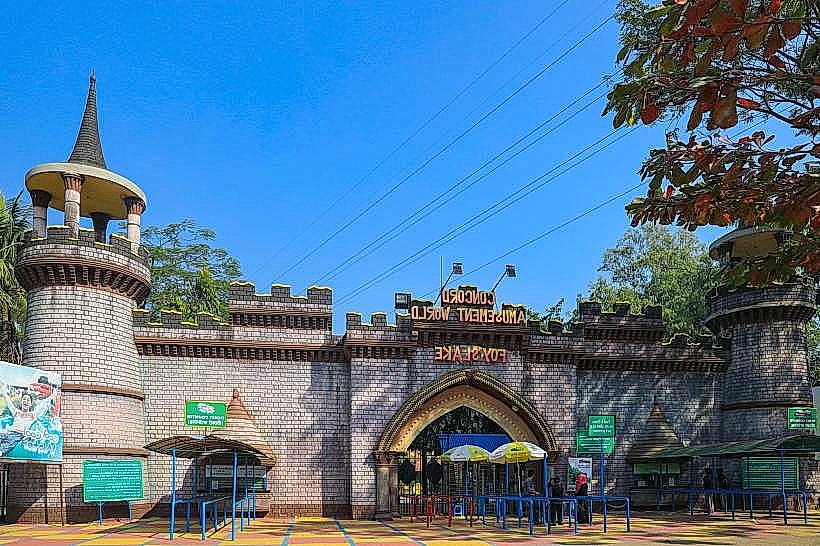
- Foy's Lake (25km North)
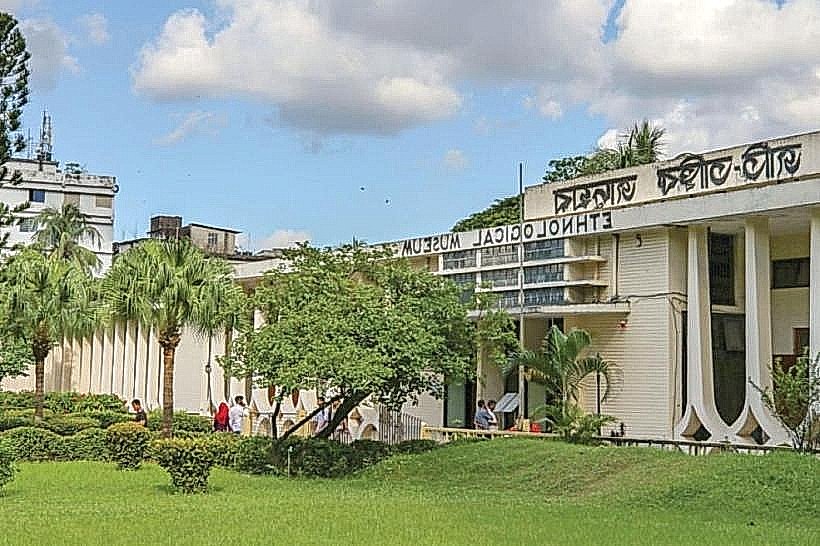
- Chittagong University (22km North)
- Patenga Beach (30km North)