Information
City: BarishalCountry: Bangladesh
Continent: Asia
Barishal, Bangladesh, Asia
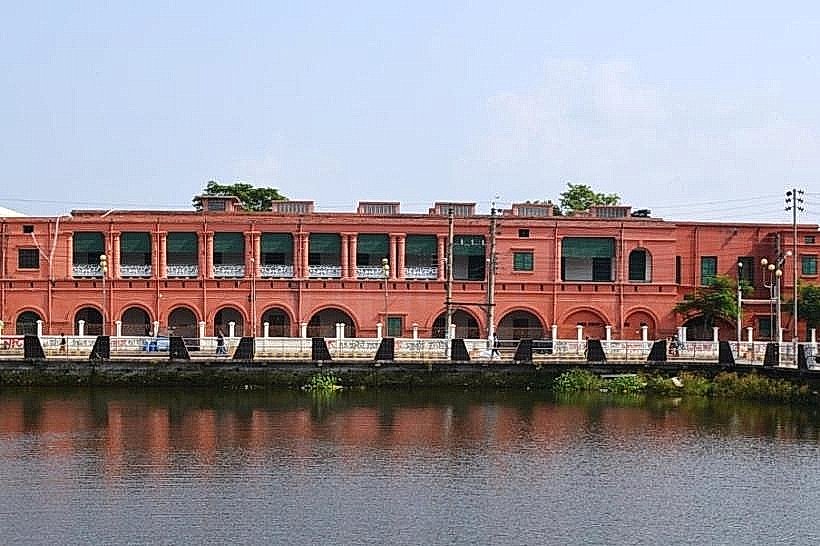
Barishal serves as the primary administrative and commercial center of south-central Bangladesh. It is situated on the banks of the Kirtankhola River and is historically known as the "Venice of Bengal" due to its extensive network of rivers and canals.
Historical Timeline
The region was historically known as Bakla-Chandradwip, an independent kingdom established in the 14th century. During British rule, the Barishal municipality was founded in 1876. Its current urban identity was solidified with its upgrade to a City Corporation in 2002. The most significant modern shift occurred in June 2022 with the opening of the Padma Bridge, which ended the city's geographical isolation by providing a direct road link to Dhaka, drastically altering its trade and transit patterns.
Demographics & Population
As of 2026, the population of the Barishal metropolitan area is estimated at approximately 581,000. The city has seen an annual growth rate of roughly 2.8%. The population is predominantly Bengali Muslim, with a notable Hindu minority and a small, historically significant Christian community dating back to Portuguese and British influences.
Urban Layout & Key Districts
Bibir Pukur Area: The central heart of the city, surrounding a historic pond that serves as a major social landmark.
Nathullabad: The primary transit gateway, housing the central bus terminal and several commercial markets.
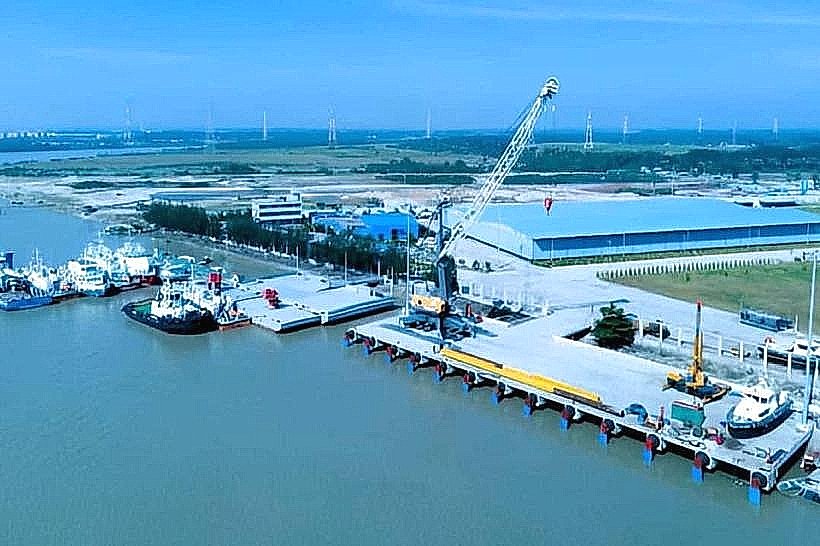
Bandar Road: The riverside district containing the major river port and naval facilities.
Rupatoli: A rapidly expanding residential and industrial sector in the south.
30 Godown: A scenic riverfront area developed into a popular recreational and memorial site.
Top City Landmarks
Baitul Aman Jame Masjid (Guthia Mosque): Located on the city outskirts, it is one of the most architecturally significant mosques in the country.
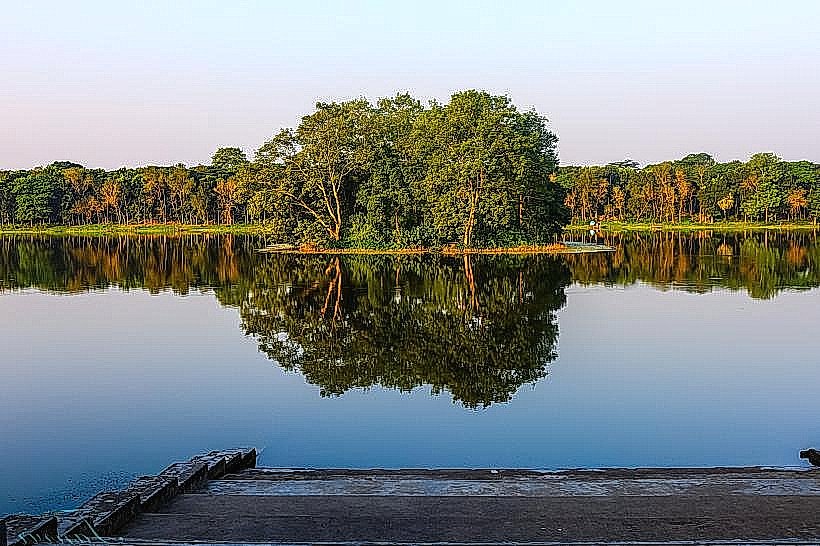
Durga Sagar: A massive historic pond (dighi) with an island in the center, built in 1780.
Oxford Mission Epiphany Cathedral: A stunning red-brick colonial church with unique neo-Gothic architecture.
Bibir Pukur: A central urban park and pond that defines the city's "midtown."
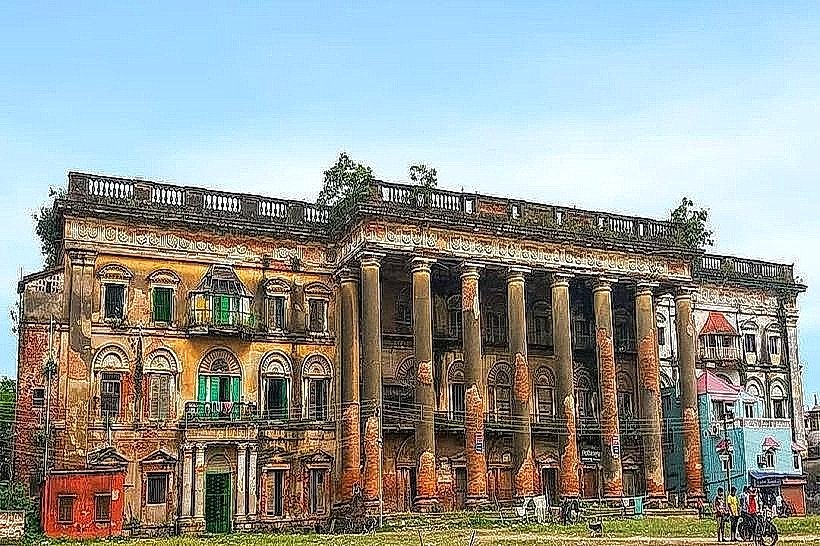
Lakutia Zamindar Bari: The ruins of a 17th-century estate showcasing the region's aristocratic past.
Transportation Network
Movement is conducted via rickshaws, easy-bikes (battery-powered three-wheelers), and CNGs. Barishal is home to the second-largest river port in Bangladesh; luxury "launches" (overnight ferries) remain a preferred method of travel to Dhaka. Barishal Airport (BZL) handles domestic flights. Since the Padma Bridge opening, bus traffic has surged, leading to significant congestion at the Nathullabad and Rupatoli terminals. Traffic density is currently outpacing road infrastructure, particularly along the city-center corridors.
Safety & "Red Zones"
The general safety level is very high. Barishal is historically known as a peaceful city with low crime rates against visitors. As of January 2026, monitor localized news regarding the February 12 national elections; avoid political gatherings at Fazlul Huq Hall or Ashwini Kumar Hall. There are no specific "red zones," but exercise standard urban vigilance at the river port during peak night-boarding hours.
Digital & Financial Infrastructure
Average internet speed is 40–80 Mbps; 5G coverage is active in central areas like Bibir Pukur and around Barishal University. Card acceptance is standard in major hotels (e.g., Hotel Grand Park) and large pharmacies, but the local economy is heavily cash-based (BDT). Mobile banking (bKash/Nagad) is the dominant method for digital transfers.
Climate & Air Quality
Tropical monsoon climate. In January 2026, the weather is mild and dry, with temperatures ranging from 14°C to 26°C. Air quality in early 2026 is often categorized as Unhealthy (AQI 150–180) due to winter smog and increased vehicular emissions following the expansion of road networks, though it remains cleaner than Dhaka.
Culture & Social Norms
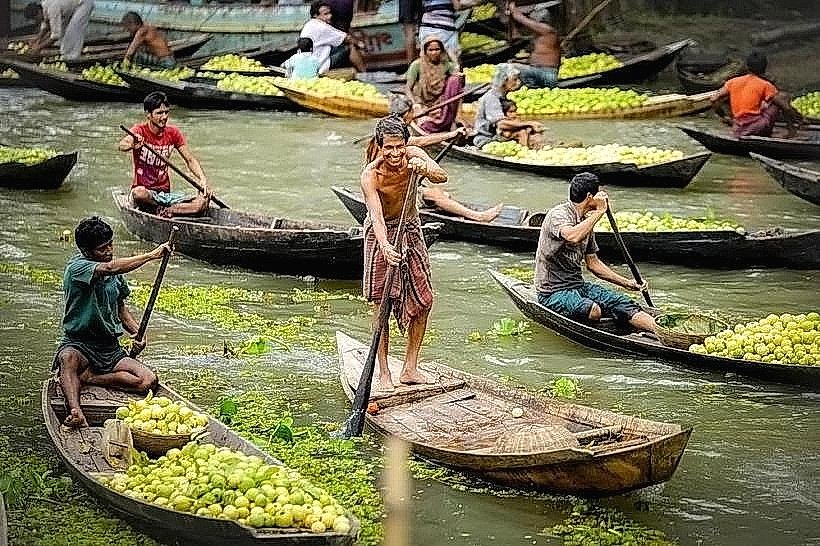
Barishal is famous for its distinct dialect and "Balam" rice. It is a socially conservative city; modest dress is expected. The "floating markets" in nearby areas reflect a unique riverine culture where trade occurs entirely on boats. Tipping of 5–10% is standard in restaurants, and rounding up fares for rickshaws is common.
Local Cost Index
1 Espresso: 160 BDT ($1.35)
1 Standard Lunch: 300 BDT ($2.55)
1 Overnight Launch Cabin (Single): 1,200–2,000 BDT ($10.00–$16.80)
1 Liter of Petrol: 130 BDT ($1.10)
Nearby Day Trips
Bhimruli Floating Guava Market: A world-renowned river market (best visited July–September) (25 km west).
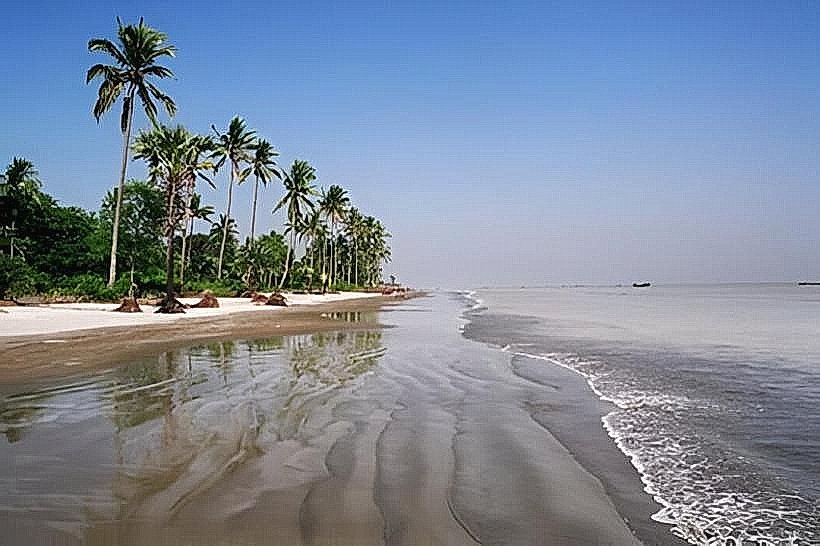
Kuakata Sea Beach: Known as the "Daughter of the Sea," it is the only beach in the region where both sunrise and sunset can be seen (100 km south).
Sher-e-Bangla Memorial Museum: Located in Chakhar, dedicated to the legendary statesman A.K. Fazlul Huq (25 km northwest).
Facts & Legends
Barishal is often called the "Grain Gola" of Bangladesh due to its historical status as the nation's rice bowl. A local legend surrounding Durga Sagar claims that the queen who commissioned it, Rani Durgabati, was told she could have a pond as large as the area she could walk in one day; she walked so far that the resulting pond became a massive lake.