Information
City: MymensinghCountry: Bangladesh
Continent: Asia
Mymensingh, Bangladesh, Asia
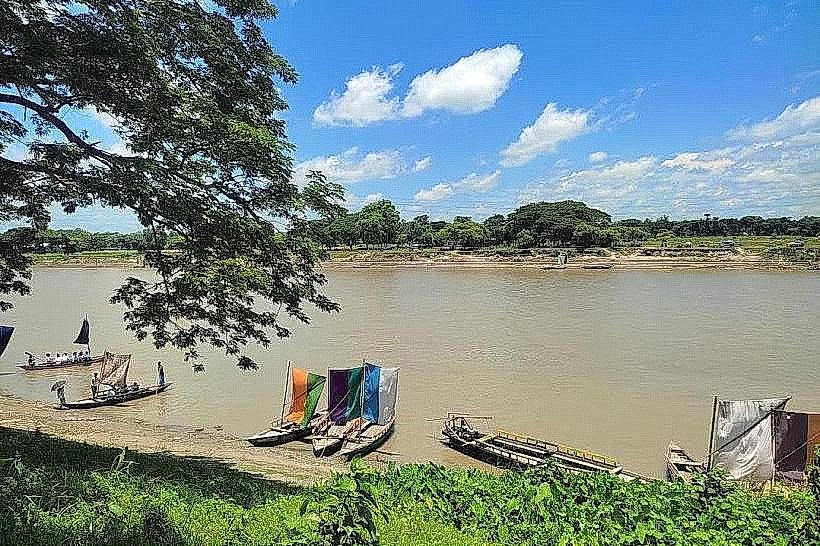
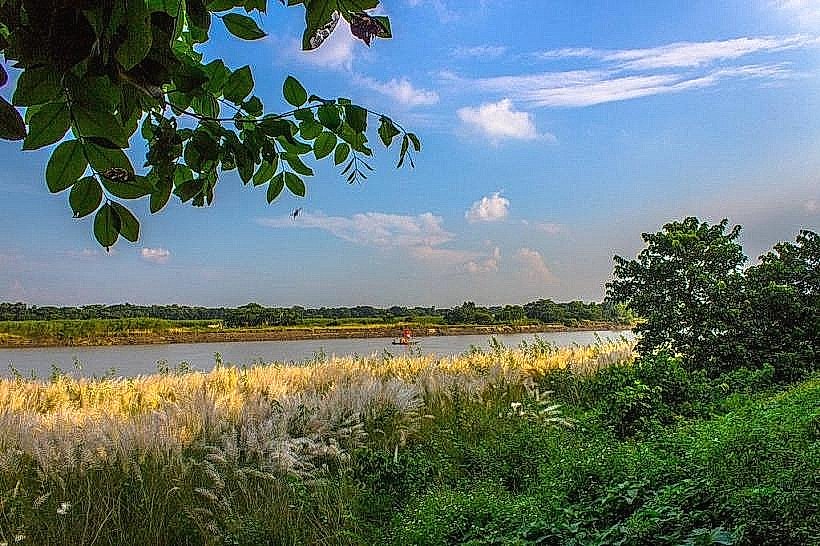
Mymensingh serves as the primary educational and cultural heart of north-central Bangladesh, widely recognized for its high concentration of premier academic institutions and its role as the gateway to the Garo Hills. It is situated on the banks of the Old Brahmaputra River, approximately 120 kilometers north of Dhaka.
Historical Timeline
Mymensingh was established as a district by the British East India Company in 1787. Historically known as Nasirabad, it was once the largest district in the Indian subcontinent before being subdivided into six separate districts. The city’s identity is deeply tied to the Mymensingh Zamindars, particularly the Acharya Chowdhury family of Muktagacha, whose patronage in the 19th and early 20th centuries established the city as a center for art and education.
Demographics & Population
As of 2026, the metropolitan population is estimated at 522,000, with a steady annual growth rate of approximately 2.5%. It is one of the most densely populated cities in Bangladesh. The population is predominantly Muslim (91%), with a significant Hindu minority (9%) and small pockets of indigenous Garo and Hajong communities in the northern periphery.
Urban Layout & Key Districts
Ganginarpar: The bustling commercial and retail core of the city.
Town Hall Area: The administrative and cultural hub, featuring the Mymensingh Museum and key government offices.
BAU Campus: A massive, verdant district in the south housing the Bangladesh Agricultural University, often described as a "city within a city."
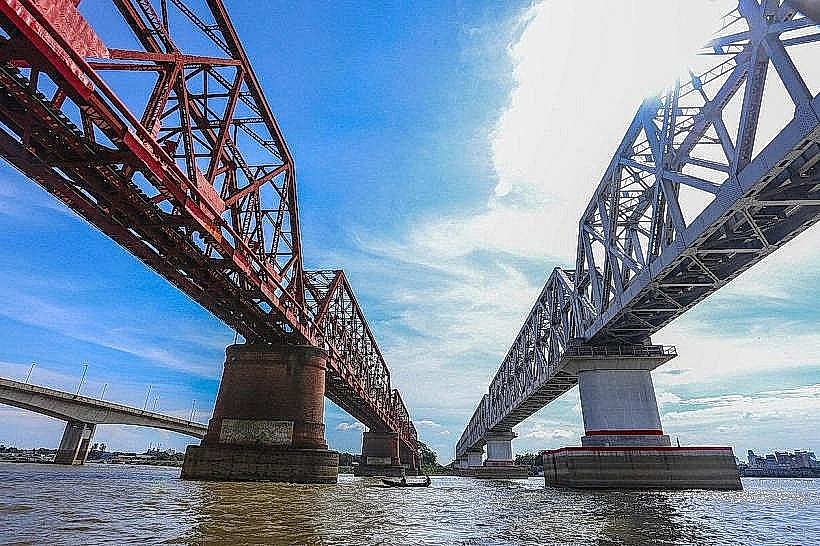
Shambhugonj: The trans-Brahmaputra district, connected to the main city by the Shambhugonj Bridge and the upcoming Kewatkhali steel arch bridge.
Top City Landmarks
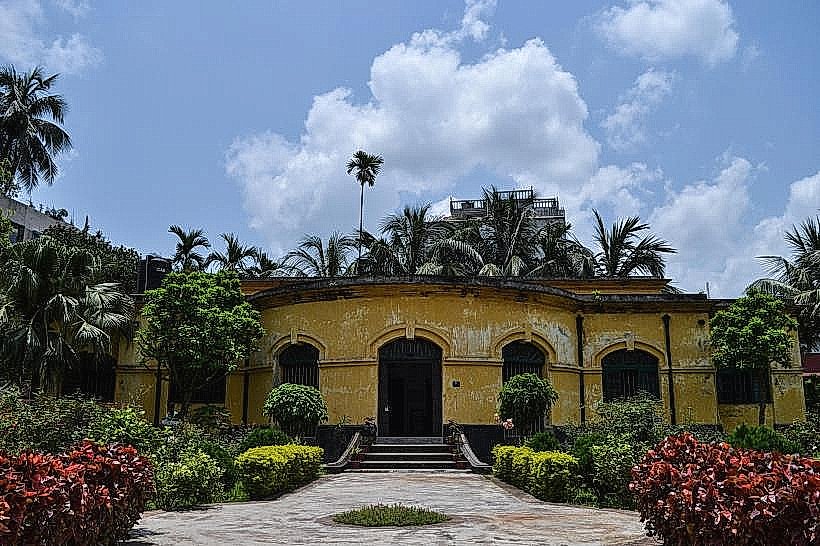
Shashi Lodge: A grand 19th-century neoclassical palace, also known as the Mymensingh Rajbari.
Alexander Castle: A historic "iron house" where luminaries like Rabindranath Tagore and Mahatma Gandhi once stayed.
Shilpacharya Zainul Abedin Sangrahashala: An art gallery dedicated to the pioneer of modern Bangladeshi art, located in a scenic riverside park.
Bangladesh Agricultural University (BAU): Featuring a botanical garden and one of the largest academic campuses in Asia.
Muktagacha Zamindar Bari: A sprawling, atmospheric palace complex located 15 km west of the city.
Transportation Network
Movement within Mymensingh is dominated by cycle rickshaws and auto-rickshaws. The city is a major railway junction, with frequent intercity trains (like the Teesta Express) connecting it to Dhaka in about 3 hours. Road transit to Dhaka is heavily used but often congested. The Kewatkhali Bridge Project (under construction in 2026) aims to alleviate the chronic bottleneck over the Brahmaputra. Traffic density is high around Ganginarpar and the main bridge approach.
Safety & "Red Zones"
The general safety level is high, as Mymensingh is known for its quiet, academic atmosphere. However, as of January 2026, visitors should monitor the national political climate regarding the February 12 elections. Avoid large gatherings at the Town Hall or Station Road. Common scams are rare, but standard caution against pickpocketing in crowded bazaars is advised.
Digital & Financial Infrastructure
Average internet speed is 40–80 Mbps, with 5G available in the BAU campus and central business districts. The city is a major hub for mobile financial services (bKash/Nagad). International cards are accepted in higher-end hotels like the BonoRani Forest Resort and major shopping centers, but cash (BDT) is required for local transit and smaller vendors.
Climate & Air Quality
Humid subtropical climate. January 2026 temperatures range from 11°C to 25°C. The city experiences heavy rainfall during the monsoon (June–September). Air quality is generally Moderate (AQI 120–160), benefiting from the vast greenery of the university campus and its riverfront location, though winter smog can occasionally reach unhealthy levels.
Culture & Social Norms
Mymensingh is the home of Maimansingha Gitika, a world-famous collection of folk ballads. The city is famous for its Muktagachar Manda, a traditional sweetmeat. It is a socially conservative but intellectually open city; modest dress is expected. Tipping is not mandatory but 5–10% is standard in restaurants.
Local Cost Index
1 Espresso: 180 BDT ($1.50)
1 Standard Lunch (with Manda dessert): 350 BDT ($2.95)
1 Rickshaw Ride (Short): 30–50 BDT ($0.25–$0.42)
1 Liter of Petrol: 130 BDT ($1.10)
Nearby Day Trips
Birisiri (Netrokona): Famous for its "China Clay" hills and blue-water lake (80 km northeast).
Garo Hills (Sherpur): Scenic hills and ethnic villages on the Indian border (90 km north).
Madhupur National Park: One of the last remaining deciduous forests in the country (60 km southwest).
Facts & Legends
An interesting local legend surrounds the name Muktagacha. It is said that a local coppersmith named Muktaram presented a beautiful brass lamp stand to the Zamindar; in gratitude, the ruler renamed the area from "Binodbari" to "Muktagacha" (Muktaram's Tree). Geographically, the city sits on the edge of the Old Brahmaputra, which was the river's main channel until a massive earthquake in 1787 diverted the primary flow to the Jamuna River.