Information
City: SylhetCountry: Bangladesh
Continent: Asia
Sylhet, Bangladesh, Asia
Sylhet serves as the primary spiritual and tea-production hub of Bangladesh, often referred to as the "London of the East" due to its significant diaspora and architectural influences from the UK. It is situated on the banks of the Surma River in the northeastern part of the country, approximately 240 kilometers from Dhaka.
Historical Timeline
Sylhet’s identity was defined in 1303 when the Sufi saint Hazrat Shah Jalal defeated the local ruler, establishing the region as a center of Islam. It transitioned from an independent kingdom to a district of British India (briefly part of Assam). The most significant modern development has been the massive infusion of capital from the British-Sylheti diaspora, which has funded the city’s rapid modernization and unique luxury real estate.
Demographics & Population
As of 2026, the Sylhet metropolitan population is approximately 1.3 million. It is one of the wealthiest cities in Bangladesh per capita. The population is predominantly Muslim (92%), with a significant Hindu minority (7%). It is the primary home of the Sylheti-speaking population, which possesses a distinct linguistic identity from standard Bengali.
Urban Layout & Key Districts
Zindabazar & Bandar Bazar: The commercial heart, densely packed with shopping malls, banks, and traditional markets.
Chouhatta & Amberkhana: Major intersections and administrative hubs containing educational institutions and the entrance to the main shrines.
Shahjalal Uposhahar: An upscale planned residential area featuring modern villas and wide roads.
Surma Riverfront: The historic edge of the city, dominated by colonial-era bridges and government offices.
Top City Landmarks
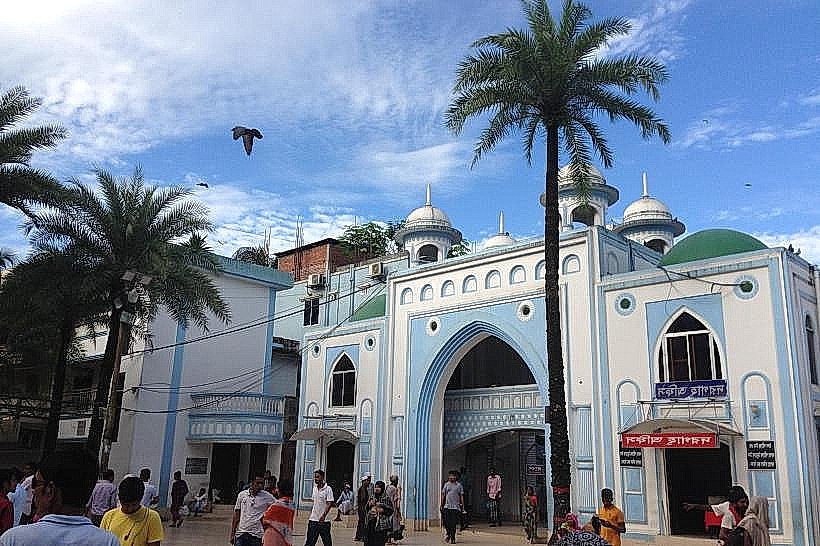
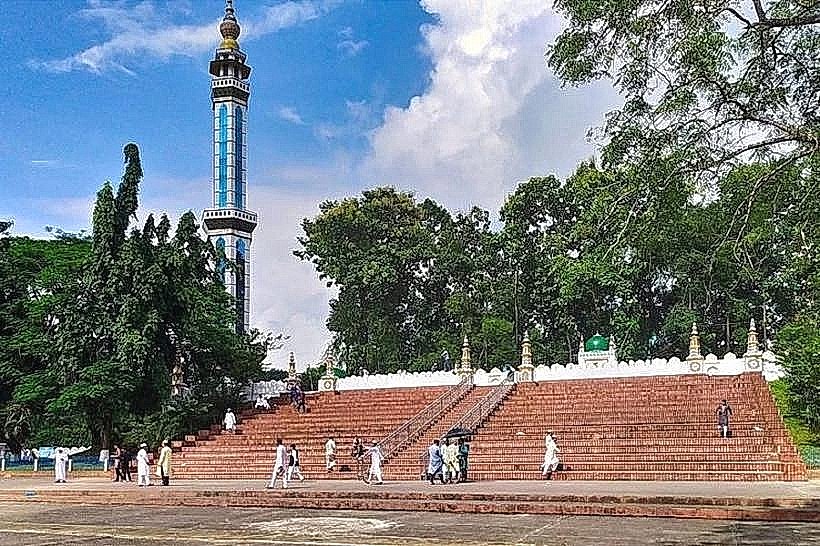
Shrine of Hazrat Shah Jalal: The most important religious site in the region, housing the saint’s tomb and sacred catfish pond.
Shrine of Hazrat Shah Paran: Located on a hill 7 km from the city center, a major pilgrimage site for Sufi devotees.
Ali Amjad Clock Tower: A 19th-century red-brick landmark near the Keane Bridge.
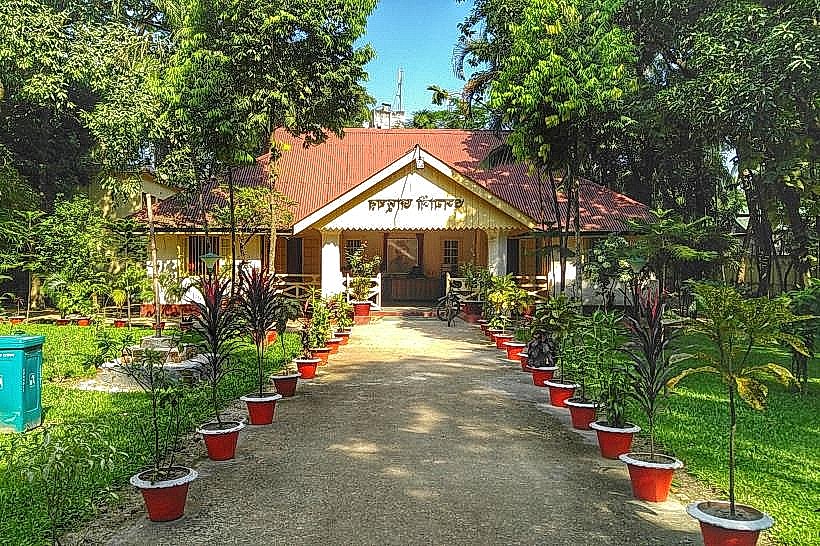
Museum of Rajas: The former residence of the mystic poet Hason Raja, showcasing folk history.
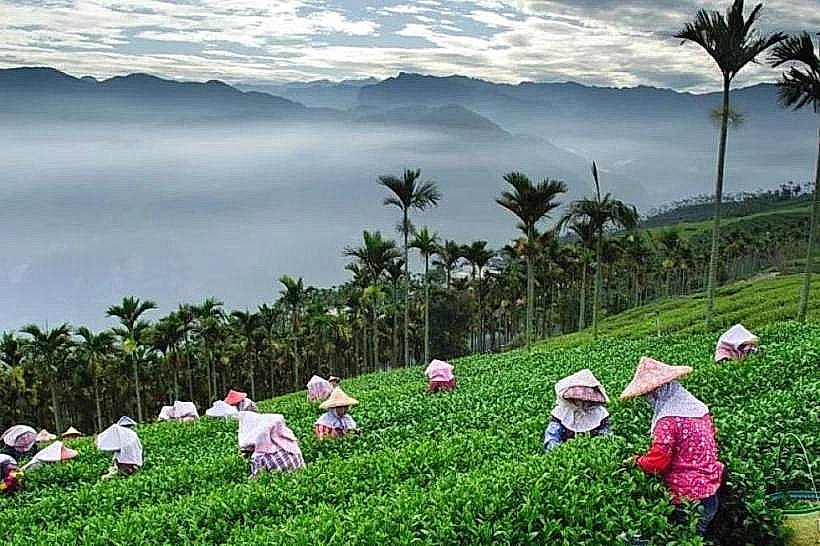
Malnicherra Tea Estate: The oldest tea garden in the Indian subcontinent (est. 1849), located on the city’s northern edge.
Transportation Network
Movement is conducted via cycle rickshaws, CNGs, and private vehicles. Osmani International Airport (ZYL) serves as a key gateway with direct flights to London and the Middle East. The Keane Bridge, a colonial-era iron bridge, remains the city’s most iconic transit link. Traffic is heavy in Zindabazar but generally more manageable than in Dhaka. As of 2026, a "Smart City" initiative has introduced pilot digital bus tracking for the Sylhet-Fenchuganj corridor.
Safety & "Red Zones"
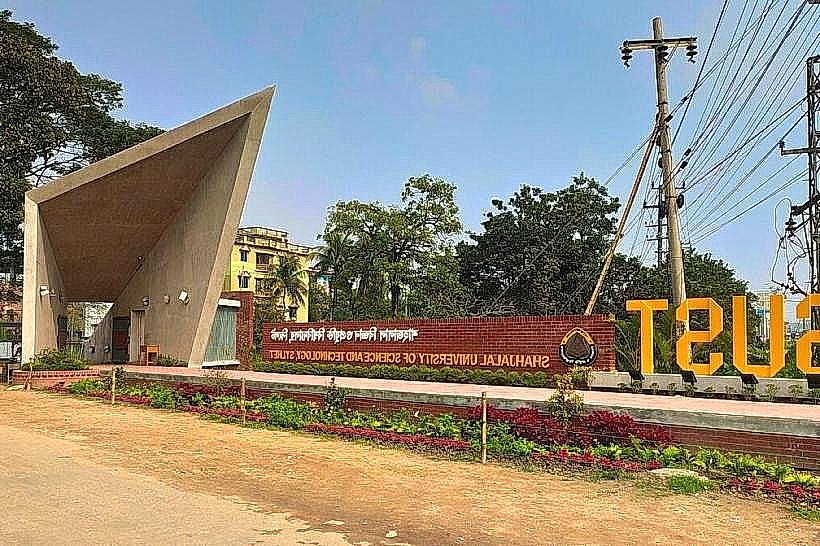
The general safety level is moderate to high. However, as of January 2026, the Dauki Fault makes Sylhet a high-risk seismic zone; recent tremors (January 5, 2026) have reinforced warnings about structural safety in older quarters. Politically, visitors should avoid gatherings around Court Point or Shahjalal University (SUST) during periods of civil unrest related to the February 2026 elections. There are no "no-go" zones, but standard caution against petty theft is required in crowded bazaars.
Digital & Financial Infrastructure
Average internet speed is 50–100 Mbps; 5G is available in upscale residential zones and Amberkhana. The city is a leader in mobile banking (bKash/Nagad) due to the high volume of foreign remittances. Card acceptance is standard in shopping malls (Blue Water, Al-Hamra) and hotels, but cash (BDT) is required for rickshaws and local street food.
Climate & Air Quality
Humid subtropical climate. Sylhet is the rainiest city in Bangladesh, with monsoon rains (June–September) often causing localized flooding. In January/February 2026, air quality is often Unhealthy (AQI 150–200) due to winter smog, though it remains superior to Dhaka. Temperatures range from 13°C to 30°C in early 2026.
Culture & Social Norms
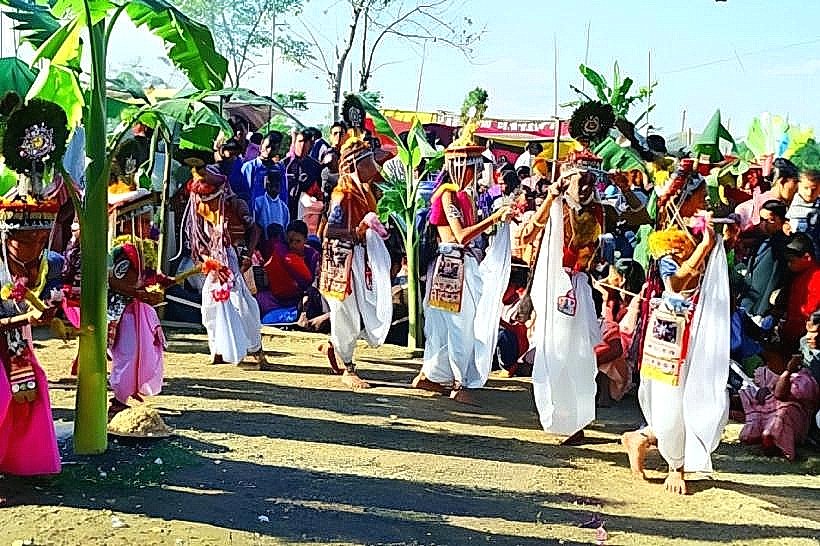
The city is deeply religious and socially conservative. Modest dress is mandatory, especially near shrines. Sylhet is the tea capital; the "Seven Layer Tea" from Srimangal is a cultural staple. Unlike elsewhere in Bangladesh, the local Sylheti dialect is the primary mode of social interaction. Tipping is appreciated (5–10%), and rounding up rickshaw fares is standard.
Local Cost Index
1 Espresso: 250 BDT ($2.10)
1 Standard Lunch: 500 BDT ($4.20)
1 Short CNG Ride: 100 BDT ($0.85)
1 Liter of Petrol: 130 BDT ($1.10)
Nearby Day Trips
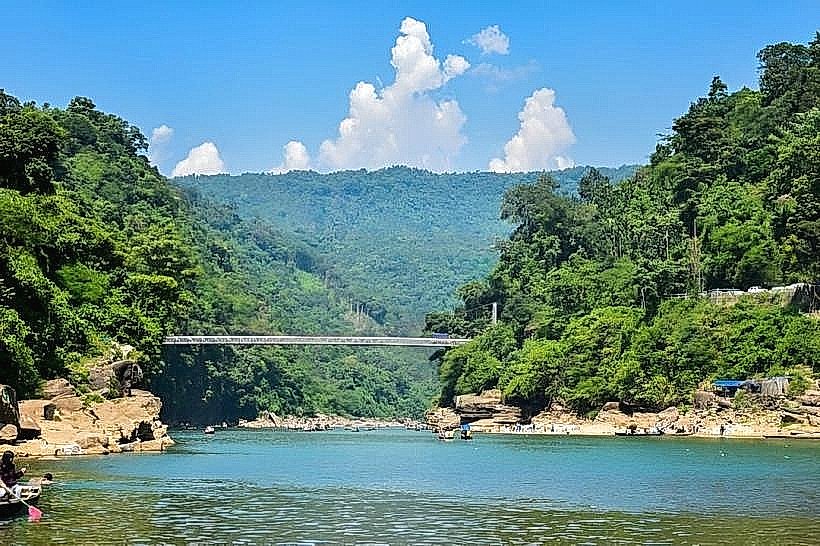
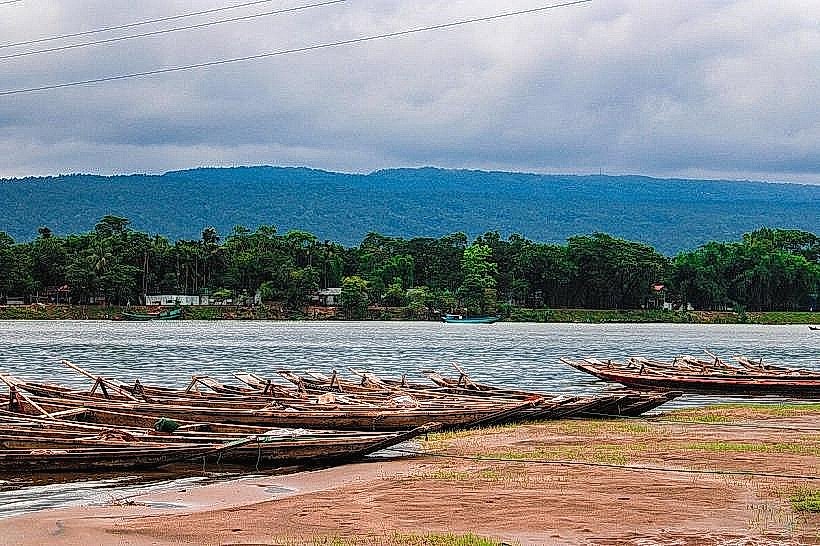
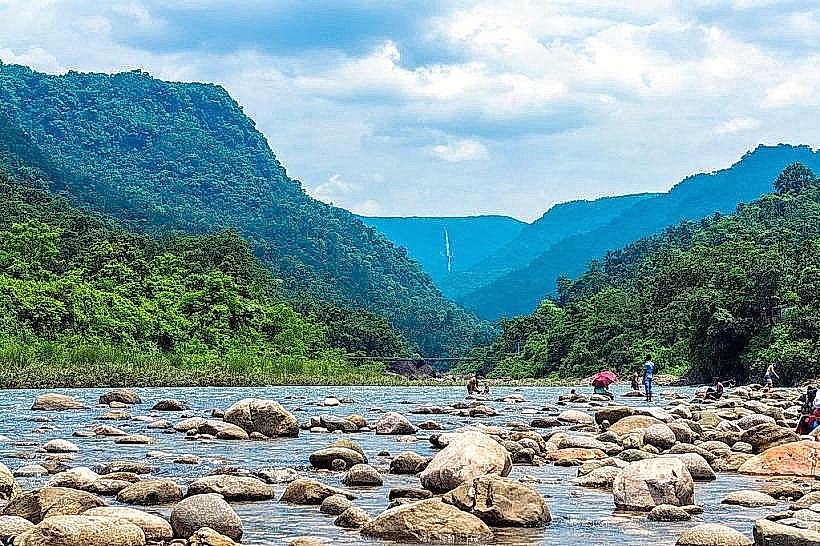
Jaflong: Stunning river-stone collection point on the Indian border (60 km north).
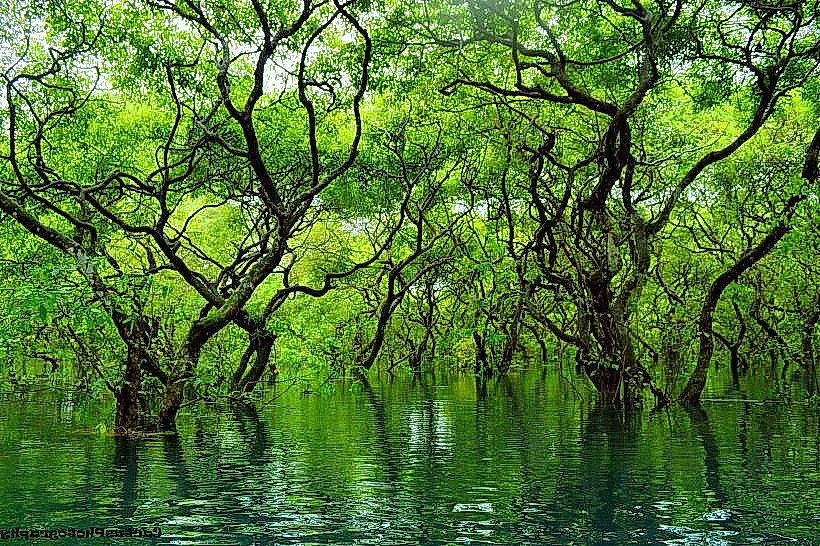
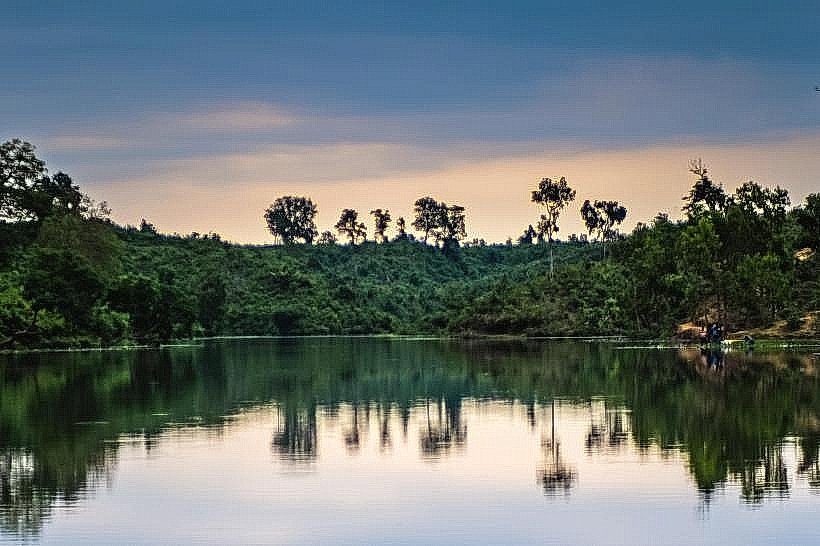
Ratargul Swamp Forest: The "Amazon of Bangladesh," accessible via boat (26 km north).
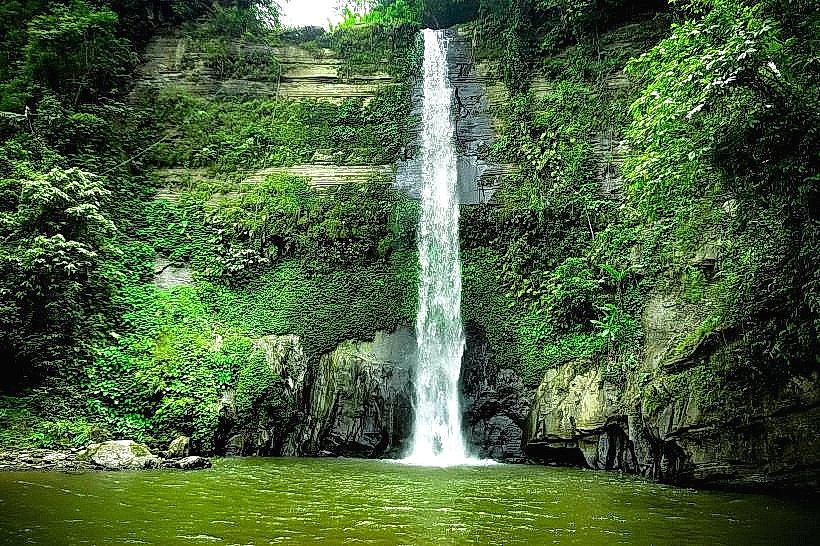
Bisnakandi: A mountain-stream landscape near the Meghalaya border (40 km north).
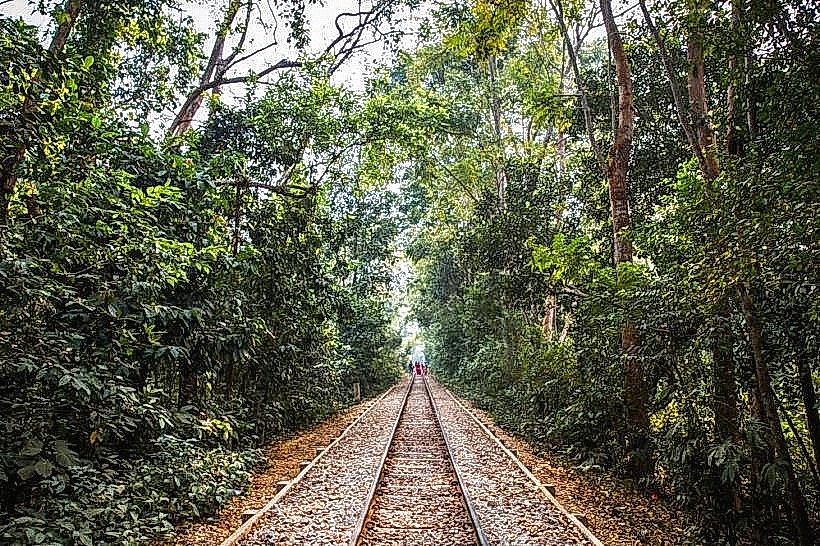
Srimangal: The tea-growing capital with Lawachara National Park (95 km south).
Facts & Legends
A local legend claims the catfish in the Shah Jalal pond are descendants of fish transformed from the swords of the saint's enemies. Furthermore, Sylhet is geologically unique in Bangladesh because its "tilas" (small hills) are the only significant elevations in an otherwise flat deltaic country.