Information
Landmark: Ratargul Swamp ForestCity: Sylhet
Country: Bangladesh
Continent: Asia
Ratargul Swamp Forest, Sylhet, Bangladesh, Asia
Ratargul Swamp Forest is a freshwater swamp forest located in the Sylhet Division of Bangladesh. It is the only swamp forest in the country.
Visual Characteristics
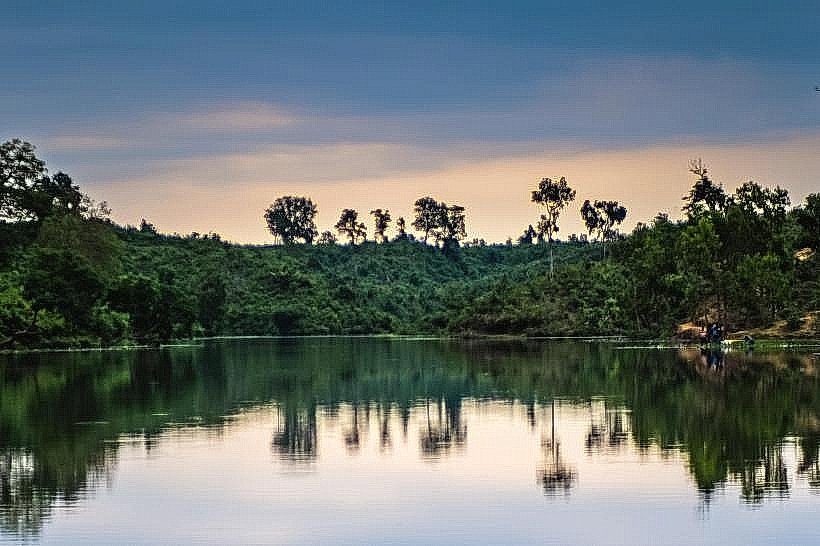
The forest consists of approximately 3,300 acres of land, with about 2,000 acres submerged for six months of the year during the monsoon season. The dominant tree species include Arbor, Koroch, and Sundari. Water levels can reach up to 10 feet during peak monsoon. The submerged trees create a dense canopy, with exposed roots and trunks visible above the water line.
Location & Access Logistics
Ratargul Swamp Forest is situated approximately 26 kilometers north of Sylhet city. Access is primarily via boat from the nearby village of Moina Ghet. The journey to the forest entrance takes approximately 45 minutes by boat. Private car or taxi can reach Moina Ghet via the Sylhet-Companiganj road. Limited parking is available at Moina Ghet. No direct public bus service reaches the forest; local buses operate to Companiganj, from where a rickshaw or auto-rickshaw can be hired to Moina Ghet.
Historical & Ecological Origin
The forest is a natural wetland ecosystem, characterized by its seasonal inundation. The trees are adapted to survive in waterlogged conditions. The forest's ecological significance lies in its role as a habitat for various aquatic and terrestrial species, and its contribution to local hydrology.
Key Highlights & Activities
Boat tours are the primary activity, allowing visitors to navigate through the submerged forest. Observing the diverse flora and fauna, including various bird species and aquatic life, is a key highlight. Photography opportunities are significant, particularly during sunrise and sunset.
Infrastructure & Amenities
Basic amenities are limited. Small tea stalls and local food vendors operate near the Moina Ghet entry point. Restroom facilities are rudimentary. Cell phone signal is intermittent within the forest itself.
Best Time to Visit
The best time to visit is during the monsoon season (June to October) when the water level is high, allowing for boat access throughout the forest. The early morning (6:00 AM - 9:00 AM) offers optimal lighting for photography due to softer sunlight filtering through the canopy. The dry season (November to May) sees significantly reduced water levels, limiting boat access.
Facts & Legends
A local belief suggests that the forest's name, "Ratargul," originates from a combination of "Rata" (a type of flower) and "Gul" (a Bengali word for canal or channel), referring to the flower-lined channels that were once prevalent. However, this is not historically verified.
Nearby Landmarks
- Jaflong Zero Point: 15km Northwest
- Shrine of Hazrat Shah Jalal (R.): 25km South
- Sylhet Agricultural University: 20km South
- Tamabil Land Port: 18km Northwest