Information
Landmark: Lawachara National ParkCity: Sylhet
Country: Bangladesh
Continent: Asia
Lawachara National Park, Sylhet, Bangladesh, Asia
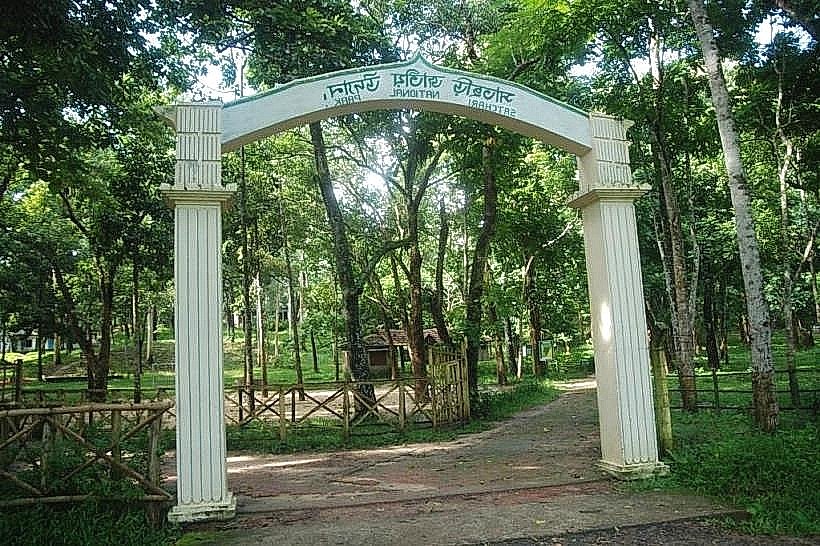
Lawachara National Park is a protected area located in the Moulvibazar District of Sylhet Division, Bangladesh. It is a significant remnant of the tropical evergreen and semi-evergreen forests of the region.
Visual Characteristics
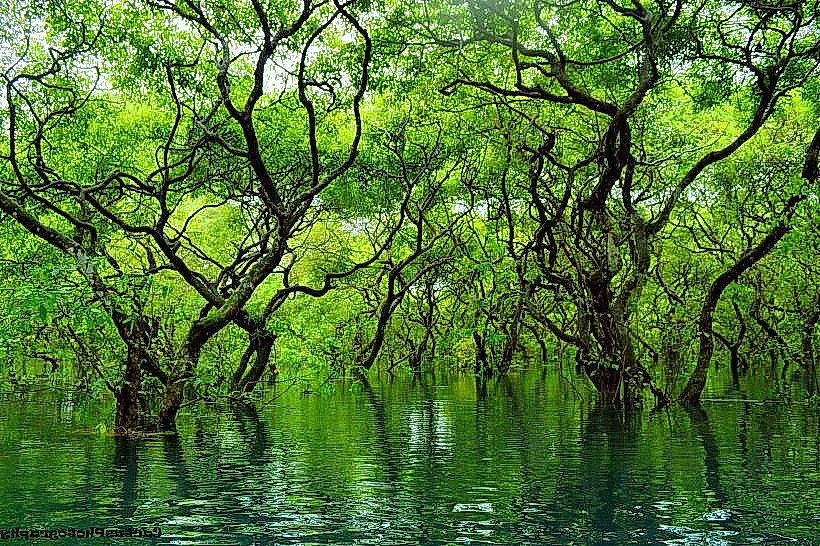
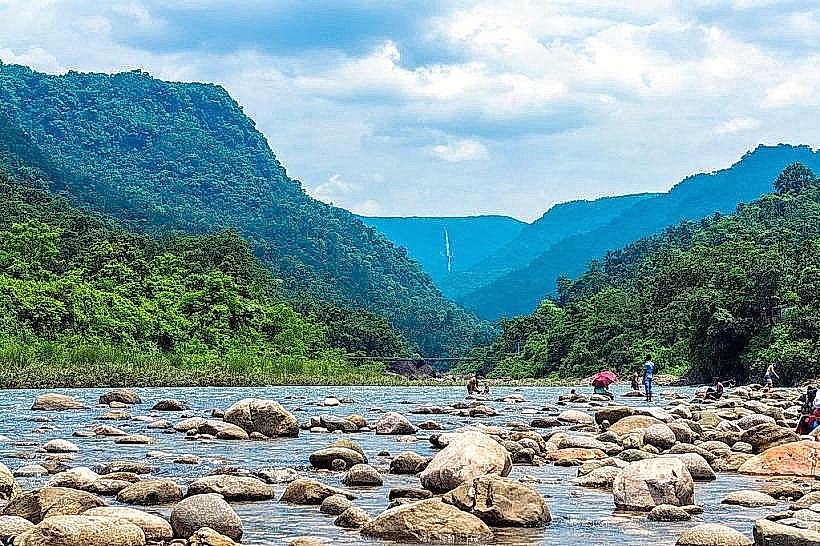
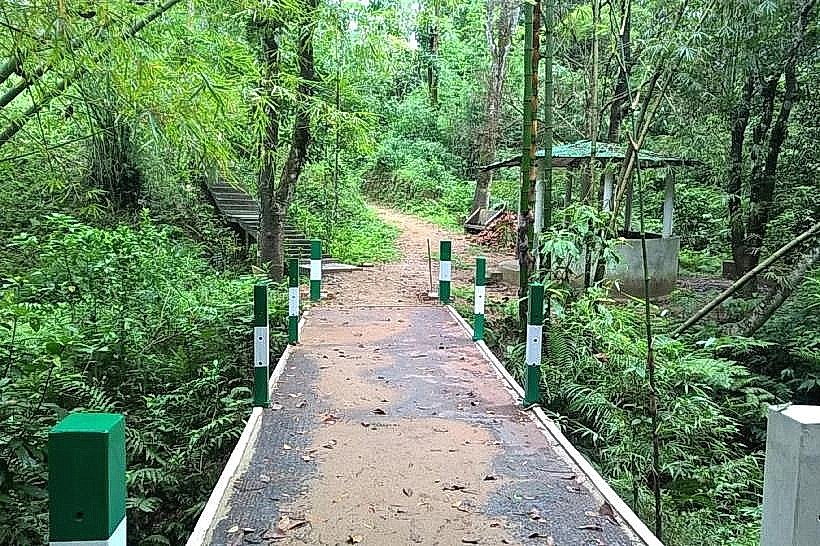
The park features dense tropical evergreen and semi-evergreen forest cover. Dominant tree species include Garjan (Dipterocarpus turbinatus), Segun (Tectona grandis), and various species of bamboo. The undergrowth is thick with ferns and herbaceous plants. The terrain is undulating with some steep slopes and small streams that flow through the forest floor. Average canopy height ranges from 15 to 30 meters.
Location & Access Logistics
Lawachara National Park is situated approximately 8 kilometers north of the town of Sreemangal, in the Moulvibazar District. Access is via the Sylhet-Sreemangal Highway (N2). From Sreemangal town, local taxis or auto-rickshaws can be hired to reach the park entrance. The journey from Sylhet city center to Sreemangal is approximately 60 kilometers. Parking is available at the park entrance. There are no direct public transport routes to the park entrance; visitors typically use local transport from Sreemangal.
Historical & Ecological Origin
The area was declared a national park in 1996 to conserve its biodiversity and ecological integrity. Historically, it was part of a larger forest tract managed for timber extraction. Ecologically, it represents a fragment of the northeastern tropical moist deciduous forests, characterized by high rainfall and humidity.
Key Highlights & Activities
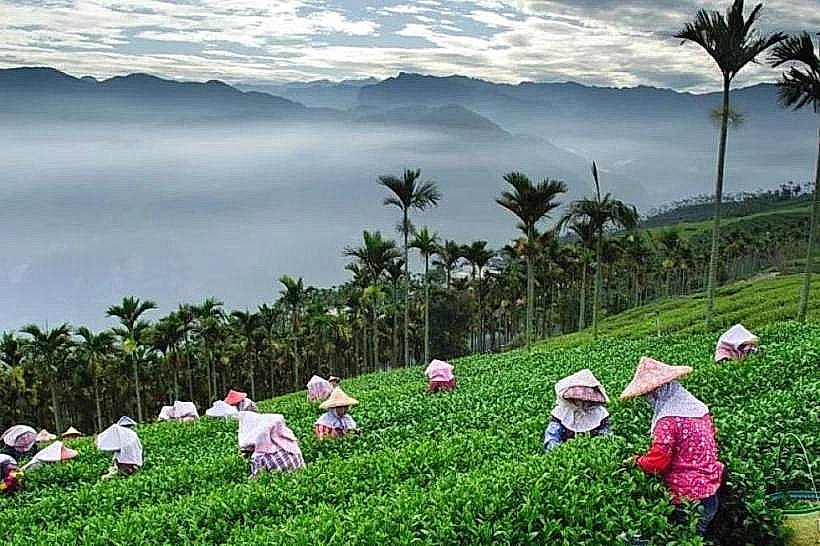
Hiking is the primary activity, with marked trails of varying lengths. The park is known for its biodiversity, including primate species like the Hoolock Gibbon (Hoolock hoolock), the only ape species found in Bangladesh. Birdwatching is also popular. Visitors can observe various flora and fauna along the designated paths. A specific trail leads to the "Seven Layer Tea Garden" viewpoint.
Infrastructure & Amenities
Basic facilities are available at the park entrance, including a visitor information center and restrooms. Limited shaded rest areas are present along the main trails. Cell phone signal (2G/3G) is intermittent within the park. No food vendors operate inside the park; visitors should carry their own provisions or purchase them in Sreemangal.
Best Time to Visit
The best time to visit for pleasant weather is during the dry season, from November to March. The monsoon season (June to October) brings heavy rainfall, which can make trails muddy and difficult. Early morning (6:00 AM - 9:00 AM) and late afternoon (3:00 PM - 5:00 PM) offer the best opportunities for wildlife sightings and optimal lighting conditions for photography.
Facts & Legends
Lawachara National Park is one of the last remaining habitats for the critically endangered Hoolock Gibbon in Bangladesh. A local legend speaks of a sacred tree within the forest, believed to possess healing properties, though its exact location is not publicly disclosed.
Nearby Landmarks
- Seven Layer Tea Garden (0.8km West)
- Sreemangal town center (8km South)
- Madhabpur Lake (12km Southwest)
- Manipuri Village (9km South)
- Khasi Punji (10km South)