Information
Landmark: Mainamati RuinsCity: Comilla
Country: Bangladesh
Continent: Asia
Mainamati Ruins, Comilla, Bangladesh, Asia
The Mainamati Ruins are an archaeological site located in the Comilla district of Bangladesh. This complex contains remnants of Buddhist monasteries and temples dating back to the 7th to 12th centuries CE.
Visual Characteristics
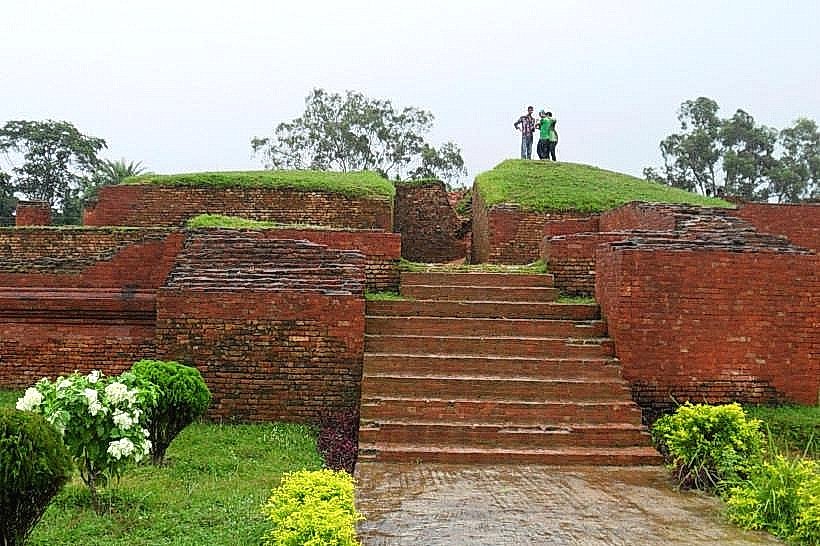
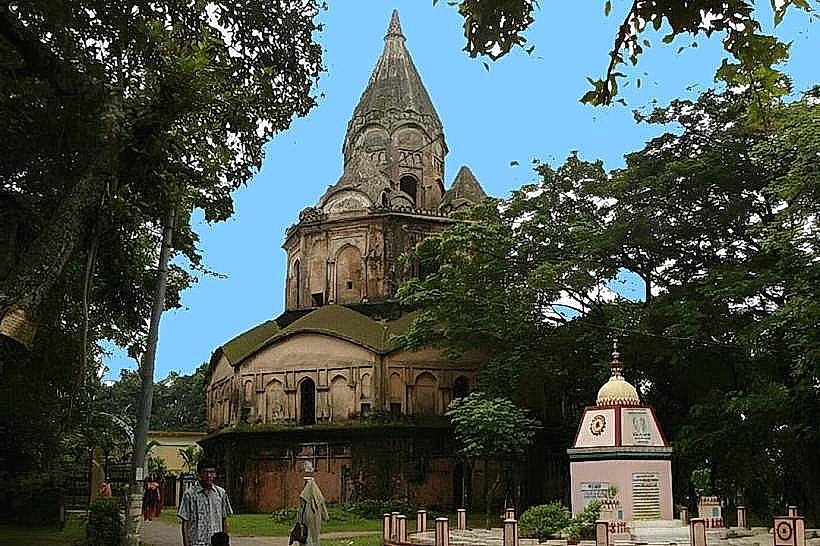
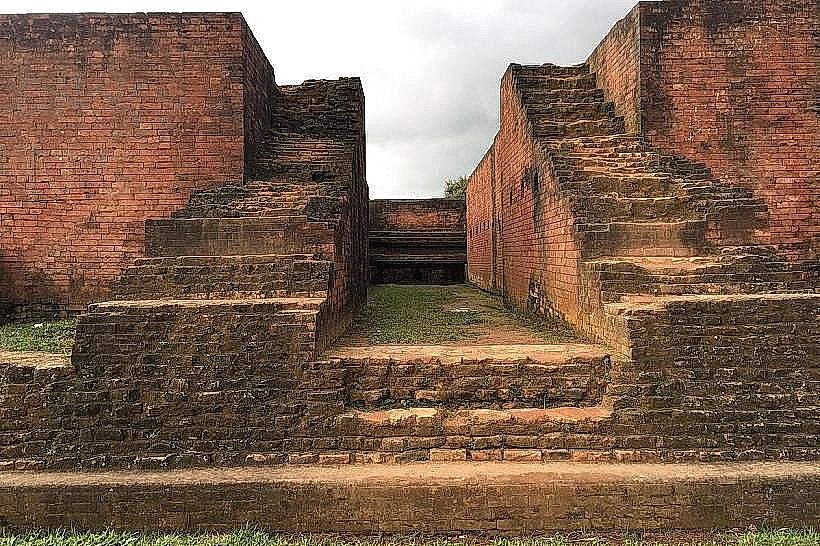
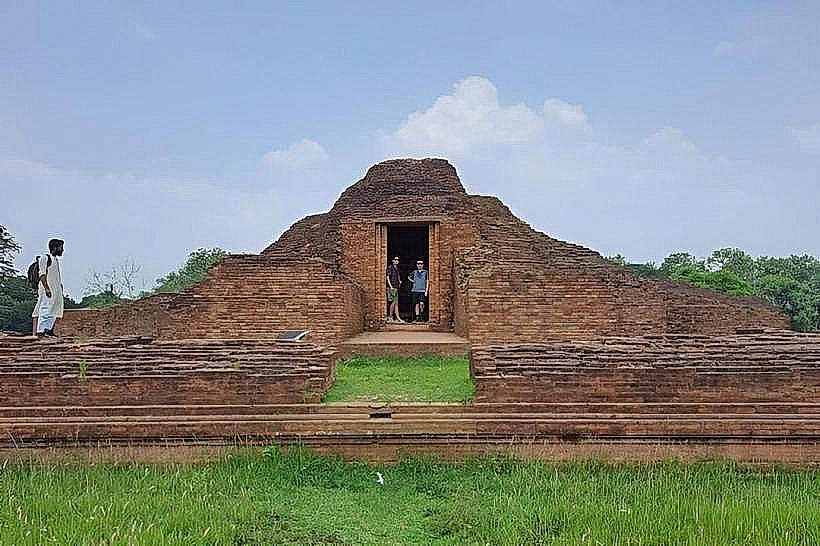
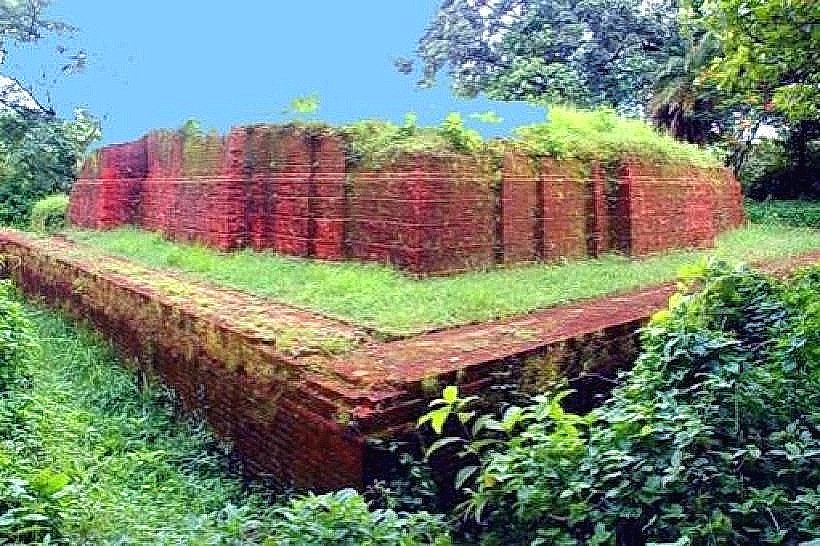
The ruins consist of brick structures, primarily the foundations and lower walls of monastic cells and stupas. The exposed brickwork exhibits variations in color, ranging from reddish-brown to darker hues, indicating different construction periods and weathering. The site is characterized by mounds and excavated areas revealing the layout of ancient monastic complexes. Vegetation, including trees and grasses, grows around and within the excavated sections.
Location & Access Logistics
The Mainamati Ruins are situated approximately 8 kilometers west of Comilla city center. Access is via the Dhaka-Chittagong Highway (N1). Turn off at the Mainamati Cantonment area and follow local signage. Ample parking is available at the main site entrance. Public transport options include local buses and auto-rickshaws from Comilla city. The Bangladesh National Museum operates a bus service from Dhaka to Comilla, with a stop near the ruins.
Historical & Ecological Origin
The Mainamati site represents a significant Buddhist monastic and urban center that flourished between the 7th and 12th centuries CE. It is believed to have been part of the ancient kingdom of Harikela. The ruins are situated on a series of hills formed by the Lalmai-Mainamati ridge, a geologically ancient geological formation in the region.
Key Highlights & Activities
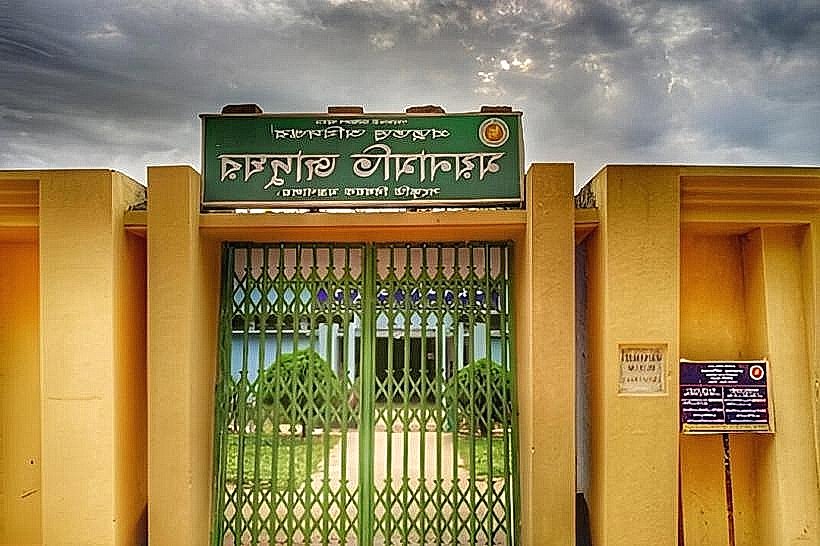
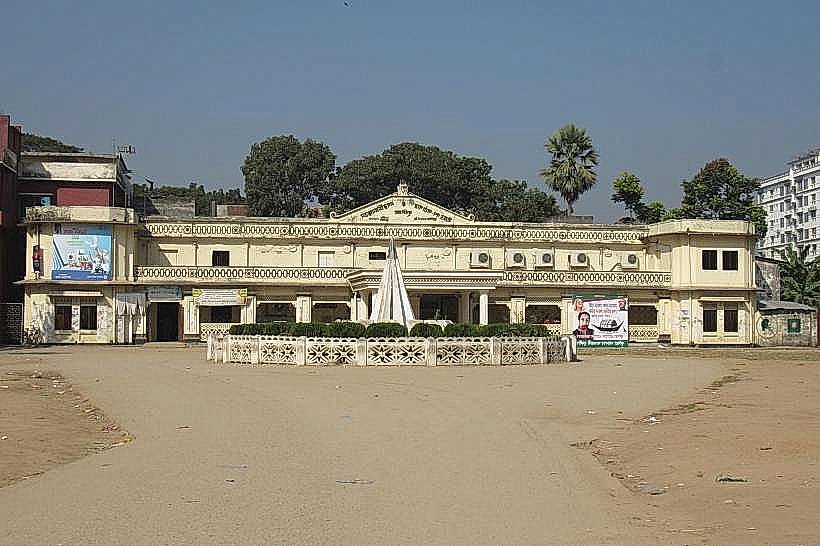
Exploration of the excavated monastic ruins, including the central stupa and surrounding cells. Observation of architectural details and brickwork. Visiting the Mainamati Museum, located adjacent to the ruins, which houses artifacts recovered from the site. Photography of the archaeological structures and landscape.
Infrastructure & Amenities
Restrooms are available at the Mainamati Museum. Limited shaded areas are present within the museum complex and near some excavated sections. Cell phone signal (4G) is generally available. Food vendors are typically found near the museum entrance and along the main road leading to the site.
Best Time to Visit
The best time for visiting is during the dry season, from October to March. Mornings between 9:00 AM and 11:00 AM offer favorable lighting for photography and cooler temperatures. The site is accessible year-round, but the monsoon season (June to September) can bring heavy rainfall.
Facts & Legends
A notable feature of the Mainamati Ruins is the discovery of copper plates inscribed with Brahmi script, providing historical and administrative information about the region. Local folklore suggests that the hills themselves are ancient burial mounds, though archaeological evidence points to planned monastic settlements.
Nearby Landmarks
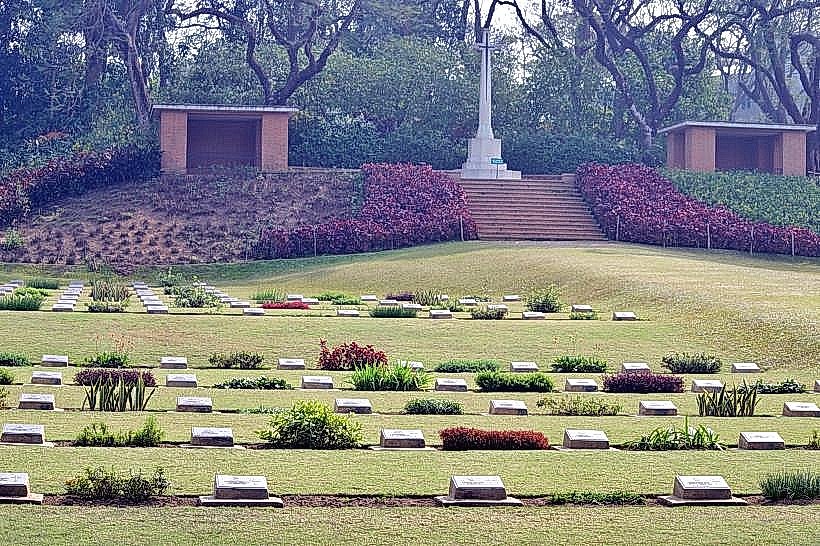
- Comilla War Cemetery (1.5km East)
- Comilla Museum (7km East)
- Shalban Bihar (0.8km North-East)
- Kotila Mura (2km North-West)
- Charpatra Mura (3km North-West)