Information
City: ComillaCountry: Bangladesh
Continent: Asia
Comilla, Bangladesh, Asia
Comilla (officially Cumilla) serves as a vital strategic and archaeological hub in eastern Bangladesh, situated on the banks of the Gomti River. It is famously known as the "City of Banks" (due to its numerous historic water tanks) and is a primary center for rural development and ancient Buddhist heritage.
Historical Timeline
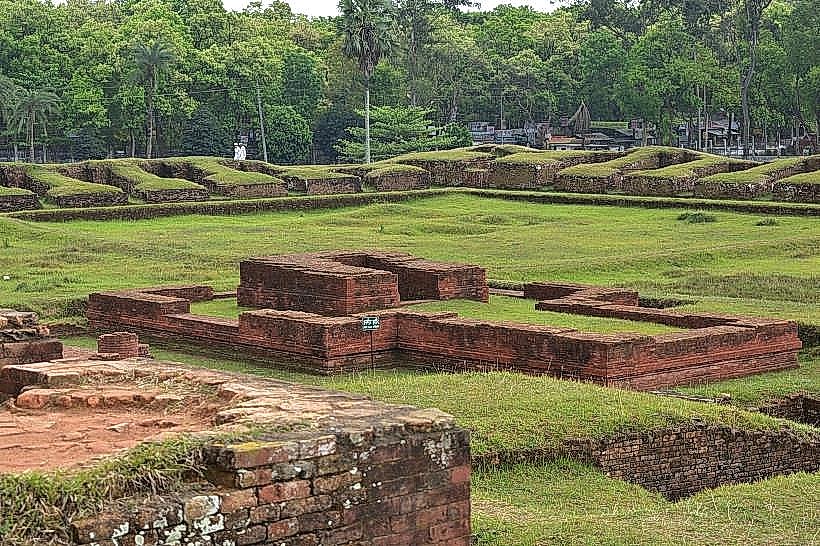
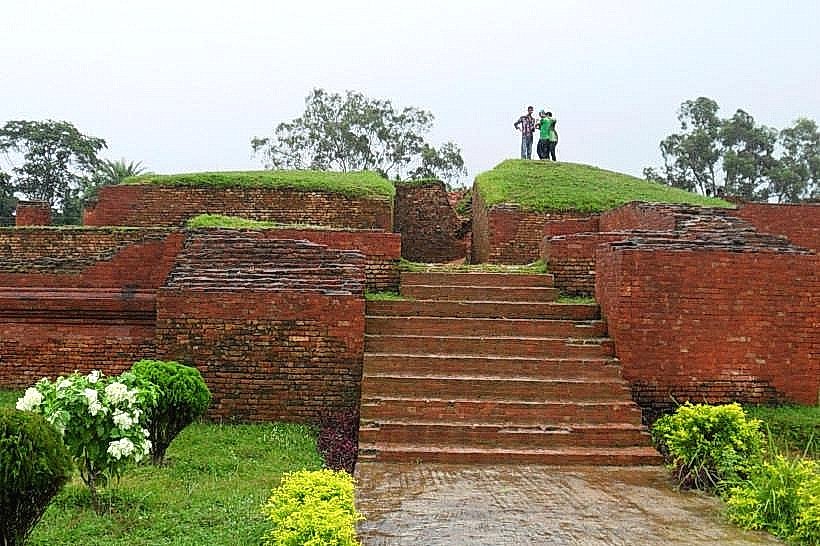
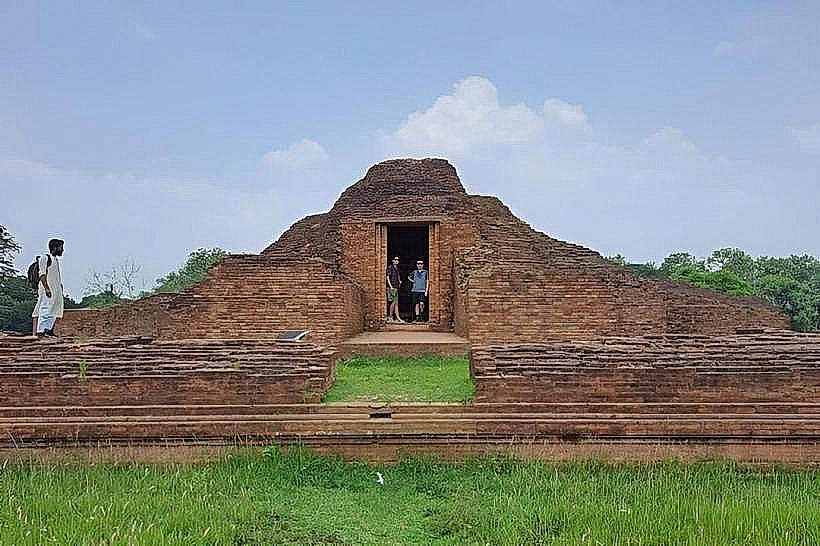
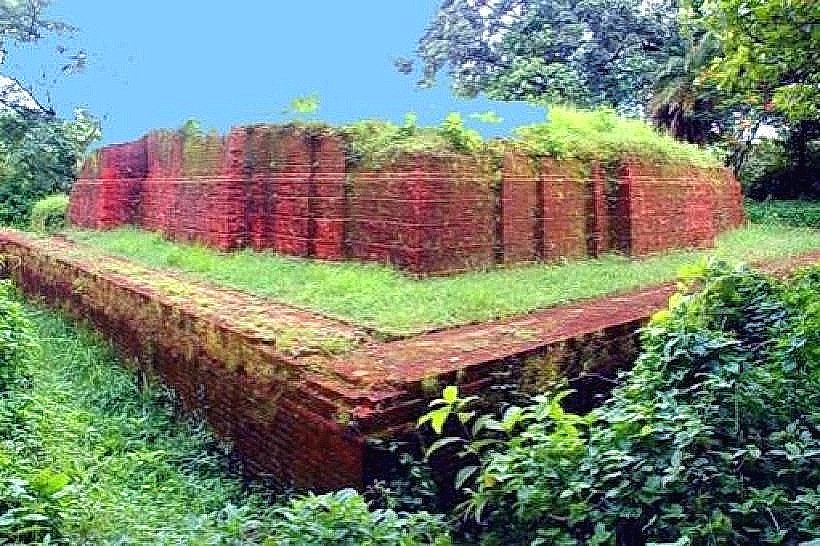
Comilla's history spans the early Buddhist period (7th–12th centuries), evidenced by the Mainamati Ruins. It was part of the Samatata kingdom and later the princely state of Tripura before Mughal annexation in 1733. Under British rule, it was established as a municipality in 1864. In the modern era, it became the birthplace of the Bangladesh Academy for Rural Development (BARD) in 1959, which pioneered the "Comilla Model" of cooperative-based local development.
Demographics & Population
As of 2026, the Comilla metro area population is approximately 711,000. The city has seen a consistent annual growth rate of nearly 3%. The demographic is predominantly Bengali Muslim, with a significant and culturally influential Hindu minority.
Urban Layout & Key Districts
Kandirpar: The central commercial and retail heart of the city.
Kotbari: The educational and archaeological zone, home to BARD and the Mainamati ruins.
Cantonment: A highly organized and secure military district containing parks and hospitals.
Tomsom Bridge: A major junction and transport hub known for street food and local markets.
Chak Bazar: One of the oldest traditional wholesale and retail markets.
Top City Landmarks
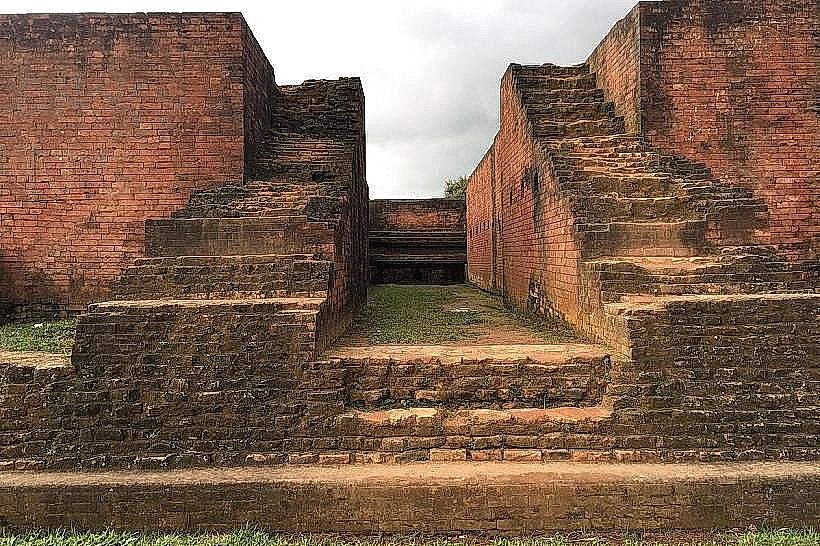
Shalban Bihar: A 7th-century Buddhist monastery and one of the most significant archaeological sites in South Asia.
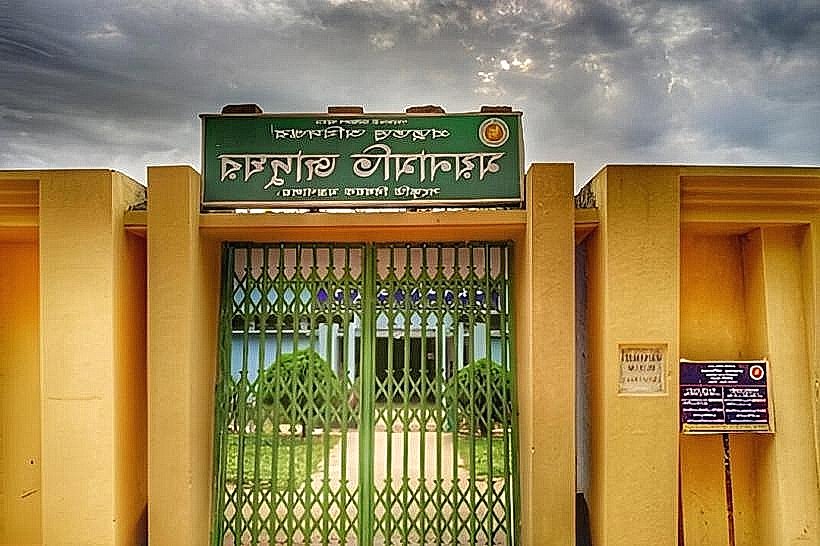
Mainamati Museum: Housing artifacts, terracotta plaques, and bronze statues recovered from the nearby ruins.
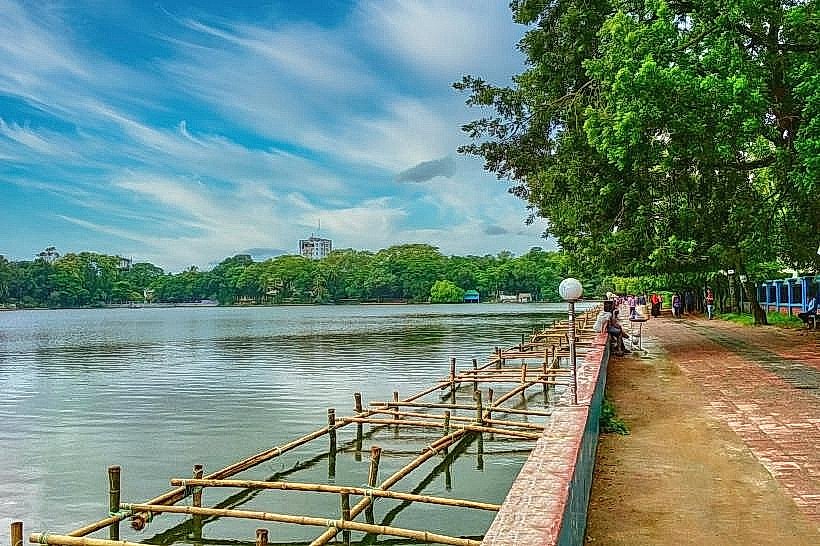
Dharmasagar: A massive 15th-century man-made pond spanning 9.38 hectares, commissioned by the Raja of Tripura.
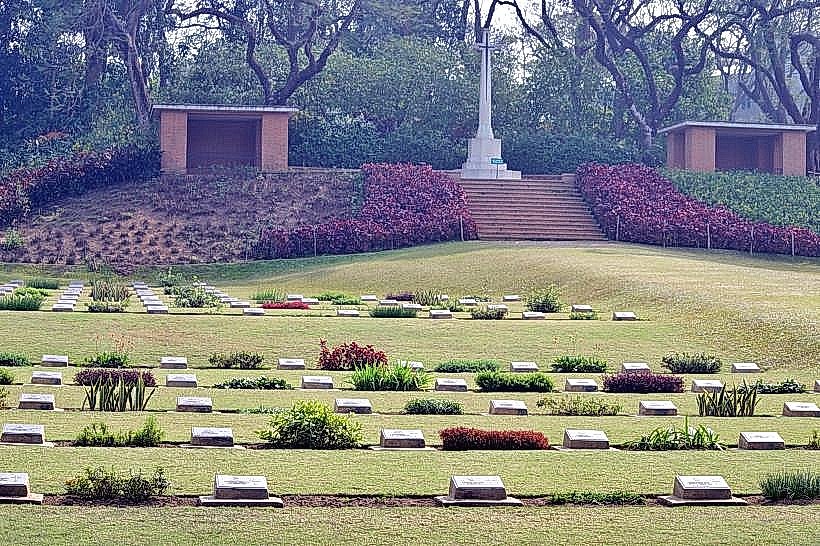
Mainamati War Cemetery: A Commonwealth War Graves Commission site honoring soldiers from the Burma Campaign of WWII.
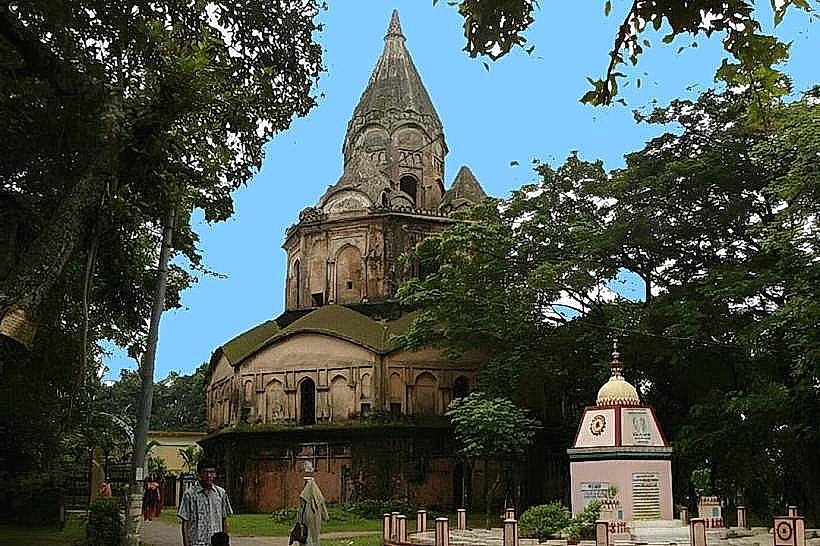
Jagannath Temple: A 16th-century Hindu temple, among the oldest in the district.
Magic Paradise Park: A modern artificial amusement and water park in Kotbari.
Transportation Network
Comilla is a critical midpoint on the Dhaka-Chittagong Highway. Local transit relies on auto-rickshaws (CNGs) and cycle rickshaws. The city is well-connected by rail, with the Comilla Railway Station serving as a major stop for intercity trains. Traffic is highly congested at Kandirpar and along the approach to the highway.
Safety & "Red Zones"
The safety level is generally moderate. However, as of January 2026, visitors are advised to avoid political gatherings and large crowds due to the national elections scheduled for February 12, 2026. Areas around Pubali Square and Kandirpar are common sites for demonstrations. Standard caution against petty theft is required in the crowded bazaar areas.
Digital & Financial Infrastructure
Average internet speed is 40–80 Mbps, with 5G coverage available in the city center and around Comilla University. The city is a hub for mobile financial services (bKash/Nagad). Cash (BDT) is required for local transport and small shops, while cards are accepted in major hotels and restaurants.
Climate & Air Quality
Humid subtropical climate. Temperatures range from 12°C in January to 35°C in May. Air quality is often Unhealthy (AQI 150–200) during the dry winter months of early 2026 due to regional smog and dust, though it improves significantly after monsoon rains.
Culture & Social Norms
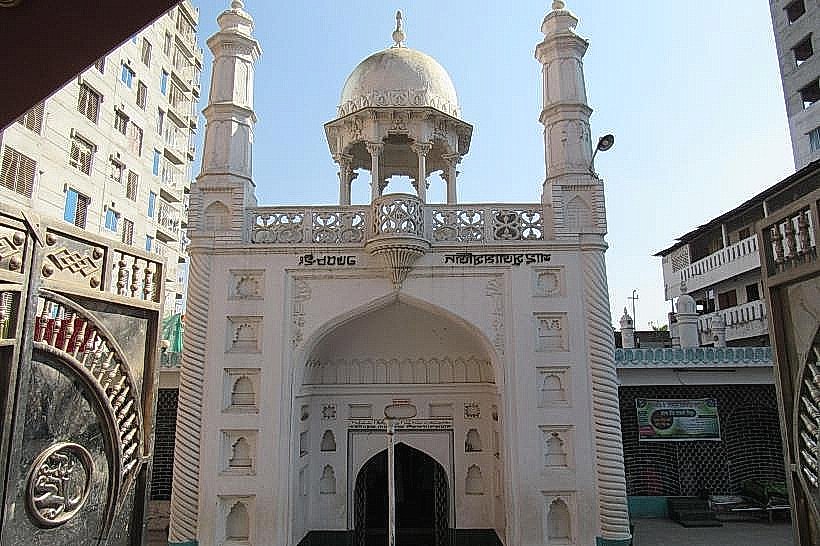
Comilla is globally famous for its Rasmalai, specifically from the original Matri Bhandar shop in Manoharpur. The city is also a center for Khadi (hand-woven cloth) production. Socially, the city is traditional and academic; modest dress is expected. Tipping is not mandatory but 5–10% is common in restaurants.
Local Cost Index
1 Espresso: 180 BDT ($1.50)
1 Standard Lunch: 350 BDT ($2.95)
1kg authentic Rasmalai: 600–800 BDT ($5.05–$6.75)
1 Liter of Petrol: 130 BDT ($1.10)
Nearby Day Trips
Lalmai Hills: A scenic ridge offering hiking and views of the surrounding plains.
Brahmanbaria: Known for its traditional musical heritage and local cuisine (50 km north).
Chandpur: Where the Meghna and Padma rivers meet, famous for Hilsa fish (70 km west).
Facts & Legends
Comilla is often called the "City of 400 Tanks" because of the vast number of ancient ponds dug by various rulers to solve water scarcity. A local legend surrounding Dharmasagar claims that the Raja who built it promised to pay his laborers in gold for every basket of earth they removed, resulting in a pond so deep it could never run dry.