Information
Landmark: Jagannath TempleCity: Comilla
Country: Bangladesh
Continent: Asia
Jagannath Temple, Comilla, Bangladesh, Asia
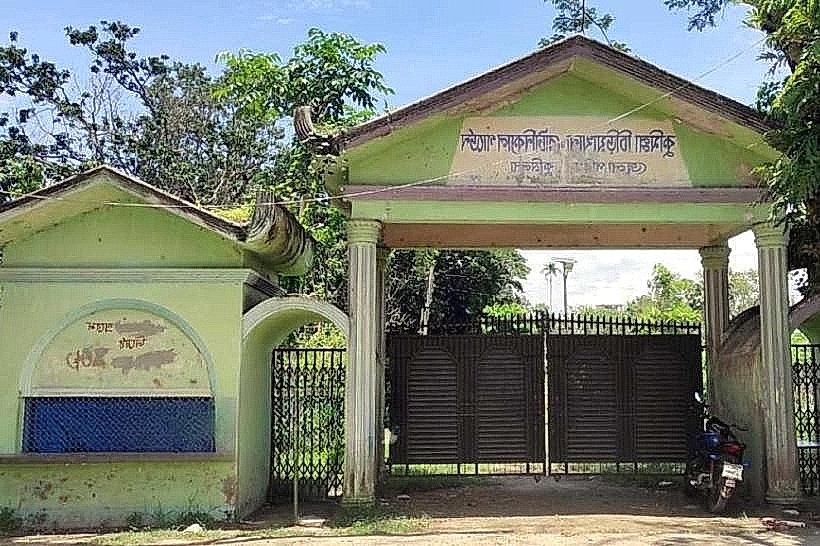
The Jagannath Temple is a Hindu temple located in the city of Comilla, Bangladesh. It is dedicated to the deity Jagannath.
Visual Characteristics
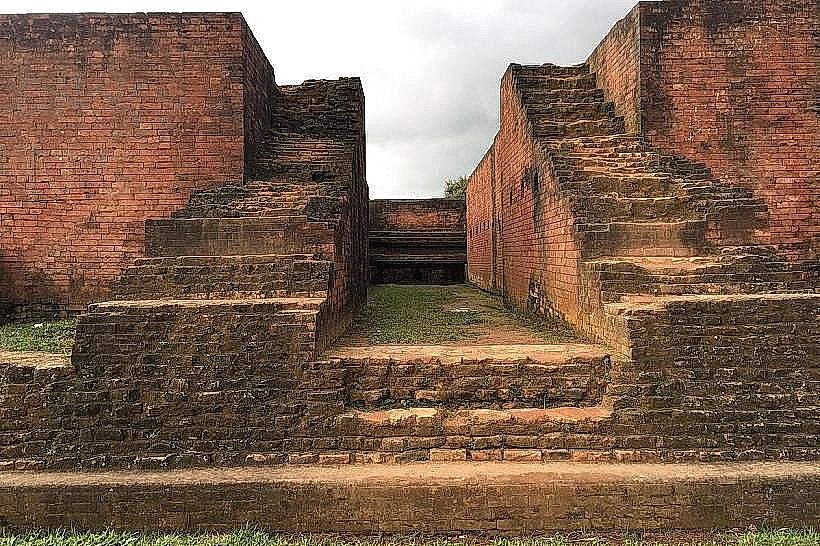
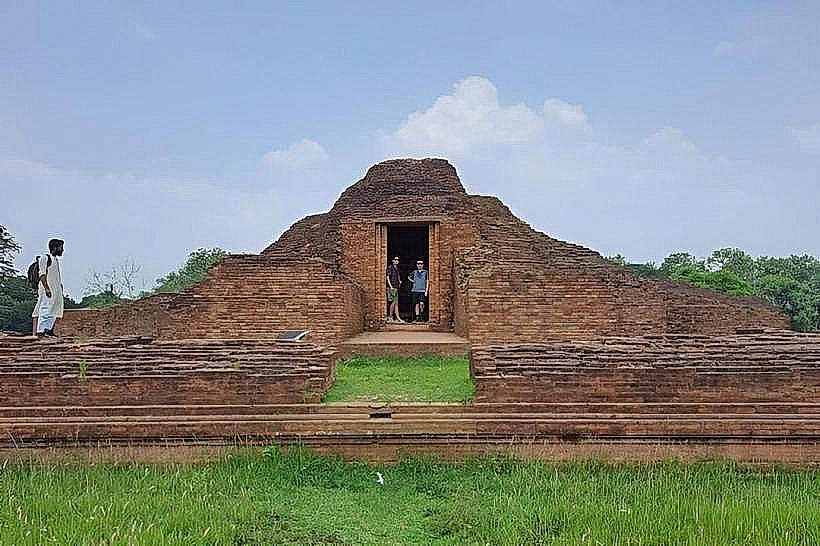
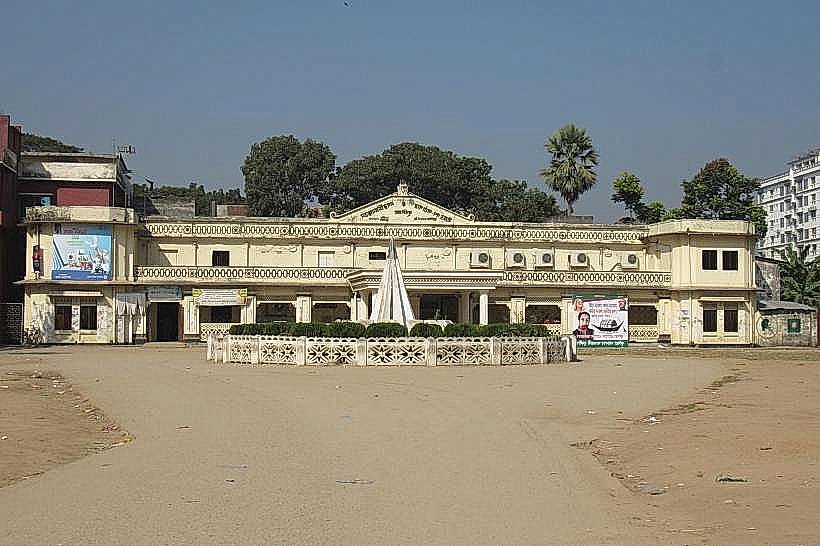
The temple is constructed primarily from brick. Its exterior walls are painted white, with decorative elements in red and yellow. The main structure features multiple spires, characteristic of traditional Bengali temple architecture. The central spire is the tallest, reaching approximately 15 meters in height.
Location & Access Logistics
The Jagannath Temple is situated within the Comilla city limits, approximately 2 kilometers south of the central bus terminal. Access is via the Comilla-Noakhali Road (N105). Turn west onto Kalibari Road for approximately 500 meters. Limited on-street parking is available near the temple entrance. The nearest bus stop is the Kalibari Road stop, served by local bus routes 3 and 7.
Historical & Ecological Origin
The temple's exact construction date is not definitively recorded, but historical accounts suggest it was established in the late 19th century. It was built by local Hindu devotees for religious worship. The site is not of ecological origin; it is a man-made structure.
Key Highlights & Activities
Visitors can observe the temple's architectural features. Religious ceremonies and prayers are conducted daily. Photography of the exterior is permitted. Entry into the inner sanctum may be restricted to Hindus during specific prayer times.
Infrastructure & Amenities
Basic restroom facilities are available on the temple grounds. Shade is provided by trees surrounding the temple. Cell phone signal (4G) is generally good in the area. No food vendors are located directly on the temple premises, but small shops and eateries are present along Kalibari Road.
Best Time to Visit
For optimal lighting for photography, the early morning (7:00 AM - 9:00 AM) and late afternoon (4:00 PM - 6:00 PM) are recommended. The weather is most favorable during the dry season, from October to March. There are no tidal considerations for visiting this inland temple.
Facts & Legends
A local legend states that the temple's original idol of Jagannath was discovered in a nearby pond. It is also said that the temple has survived multiple historical conflicts due to the reverence it commands from people of all faiths in the region.
Nearby Landmarks
- Comilla Town Hall (1.2km North)
- Comilla Central Jail (1.5km Northwest)
- Shalbon Bihar (Archaeological Site) (4.5km West)
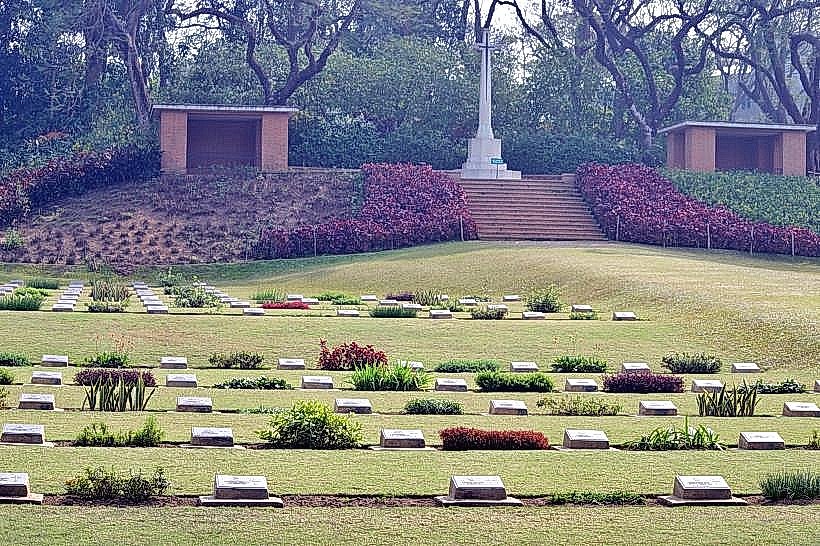
- Mainamati War Cemetery (5.0km West)