Information
City: RajshahiCountry: Bangladesh
Continent: Asia
Rajshahi, Bangladesh, Asia
Rajshahi serves as the principal administrative, educational, and silk-production hub of northwestern Bangladesh. It is situated on the northern banks of the Padma River, near the border with India, approximately 245 kilometers from Dhaka.
Historical Timeline
Rajshahi (historically Rampur Boalia) emerged as a significant center during the British colonial period for indigo and silk trade. It was part of the ancient Varendra region, a major seat of Buddhist and Hindu learning. The most significant modern event shaping its urban form was the mid-20th century establishment of Rajshahi University and Rajshahi Medical College, which solidified its identity as the "Education City." The late 20th-century development of the Silk City industrial zone rejuvenated its traditional textile craft for the global market.
Demographics & Population
As of 2026, the metropolitan population is estimated at 1.03 million. Rajshahi is known for having a high proportion of students and academics relative to its size. It is consistently ranked as one of the "happiest" and cleanest cities in Bangladesh, with a lower population density compared to Dhaka or Chattogram.
Urban Layout & Key Districts
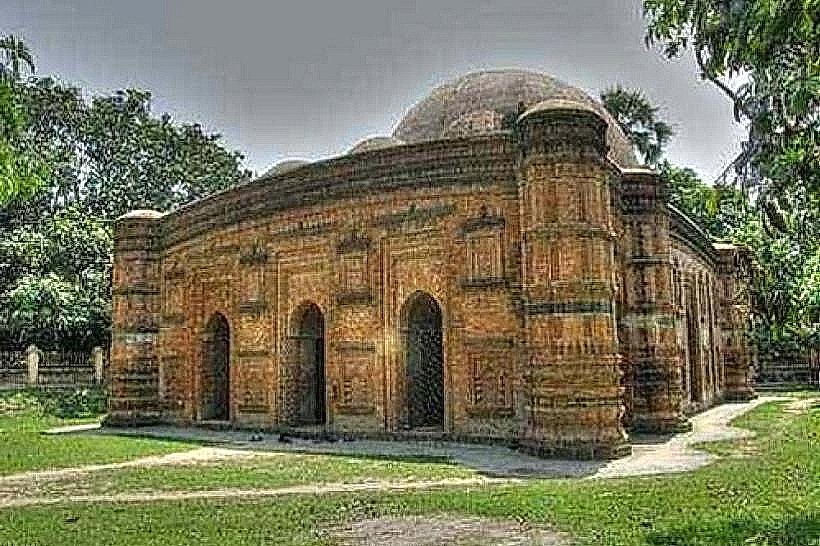
Shaheb Bazar: The dense commercial and retail heart of the city, containing the main markets and the historic Boro Mosjid.
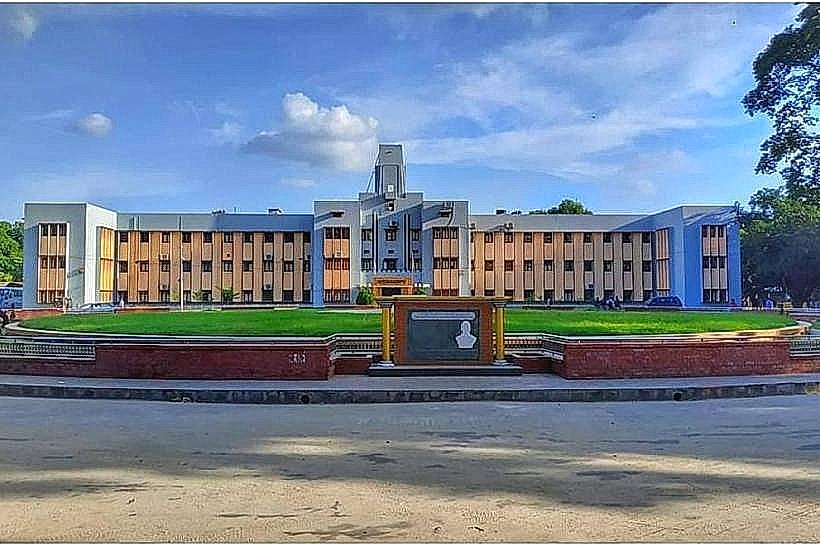
Motihar: The university district, characterized by the sprawling, lush green campus of Rajshahi University.
Kazihata & Laxmipur: Administrative and medical hubs housing government offices and the medical college hospital.
Sopura: The industrial area, specifically known for its silk factories and showrooms.
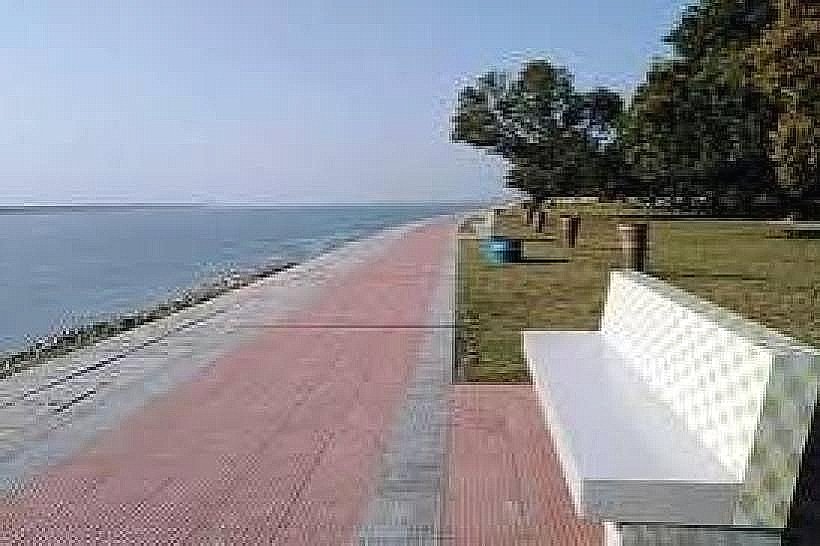
Padma Riverfront (The Bank): A long, scenic embankment that serves as the city’s primary recreational zone.
Top City Landmarks
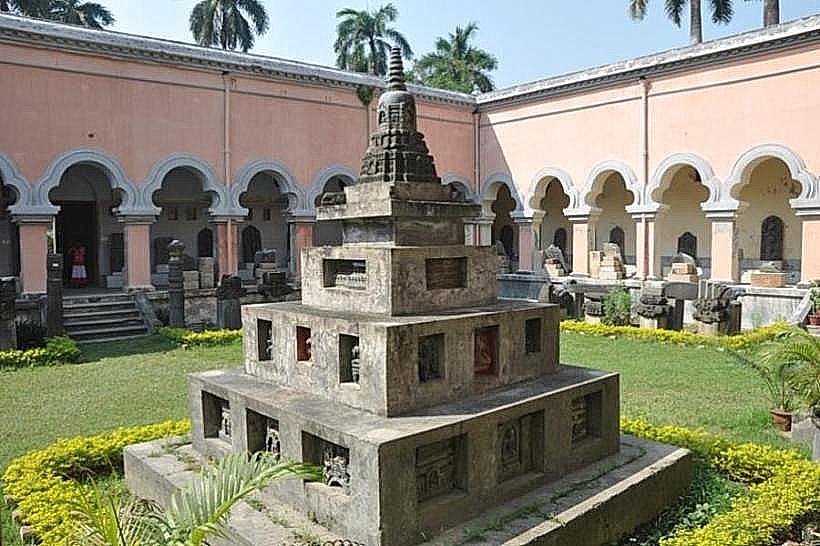
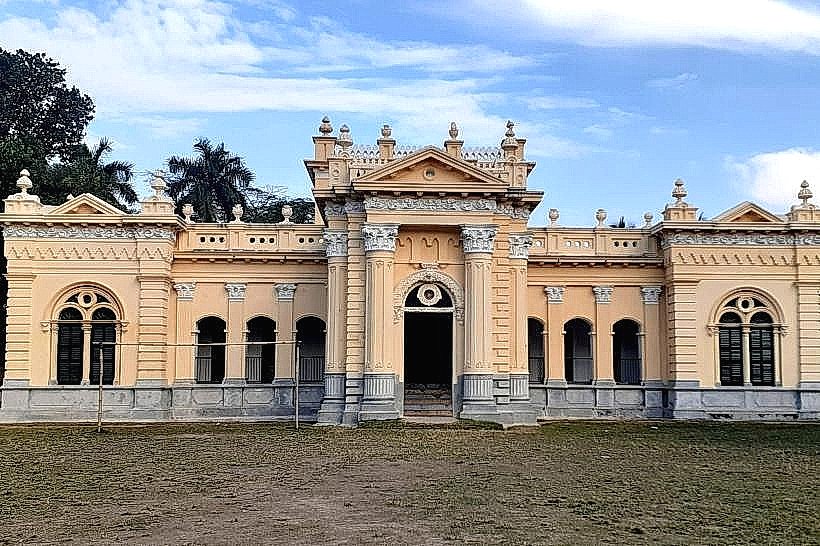
Varendra Research Museum: The oldest museum in Bangladesh, housing a world-class collection of ancient stone sculptures and artifacts.
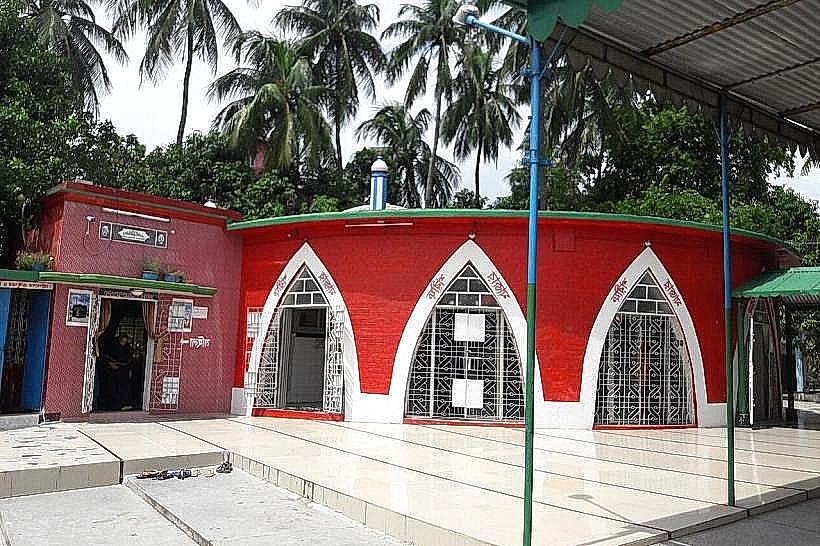
Shrine of Hazrat Shah Makhdum: A 14th-century religious site dedicated to the first preacher of Islam in the region.
Rajshahi University Campus: Renowned for its "Paris Road" (lined with tall trees) and the Shabash Bangladesh monument.
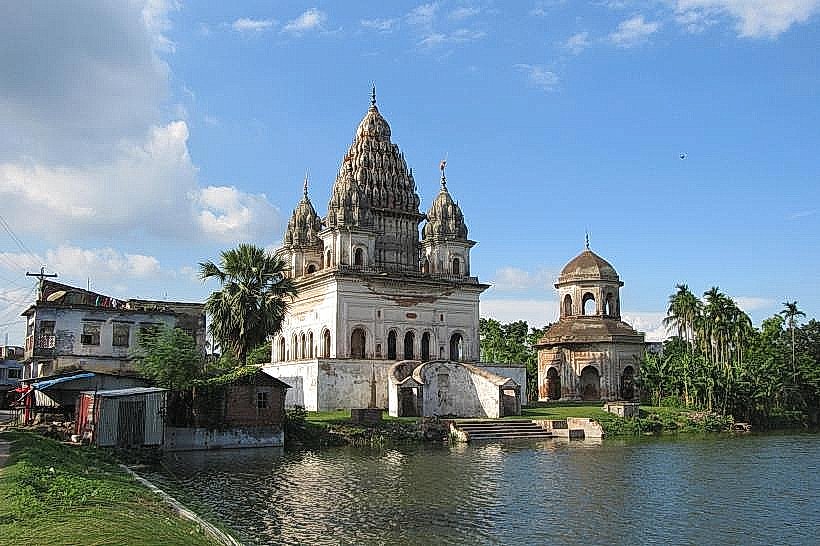
Puthia Temple Complex: Located 30 km from the city, featuring a stunning cluster of terracotta Hindu temples (18th–19th century).
Lalon Shah River View Park: A modern recreational space offering panoramic views of the Padma.
Transportation Network
Movement within Rajshahi is dominated by cycle rickshaws and auto-rickshaws (Easy-bikes). It is one of the few major cities where motorized rickshaws were pioneered as the primary transit. The Rajshahi Railway Station connects the city to Dhaka via several daily intercity "Silk City" and "Padma Express" trains. Shah Makhdum Airport (RJH) handles domestic flights. Traffic density is remarkably low for a Bangladeshi metropolitan area, and the city is frequently cited for its "breathable" road network.
Safety & "Red Zones"
The general safety level is very high. Rajshahi is historically one of the most stable and peaceful cities in the country. As of January 2026, visitors should monitor the national political climate regarding the February 12 elections, but localized "red zones" are non-existent. Standard caution is advised near the Padma border areas at night.
Digital & Financial Infrastructure
Average internet speed is 40–80 Mbps; 5G services were launched on a limited scale in late 2025 in the Shaheb Bazar and University areas. The city is a major hub for mobile financial services (bKash/Nagad). While international cards are accepted in major hotels (e.g., Hotel X, Royal Raj), cash (BDT) remains the standard for the city's famous silk boutiques and local markets.
Climate & Air Quality
Humid subtropical climate. Rajshahi is known for having some of the most extreme temperature fluctuations in Bangladesh, reaching 40°C+ in summer and dipping to 8°C in winter. In January 2026, the city is experiencing a mild cold wave with morning fog. Air quality is generally Moderate (AQI 110–160), consistently cleaner than Dhaka due to a massive "zero-carbon" urban forestry initiative led by the City Corporation.
Culture & Social Norms
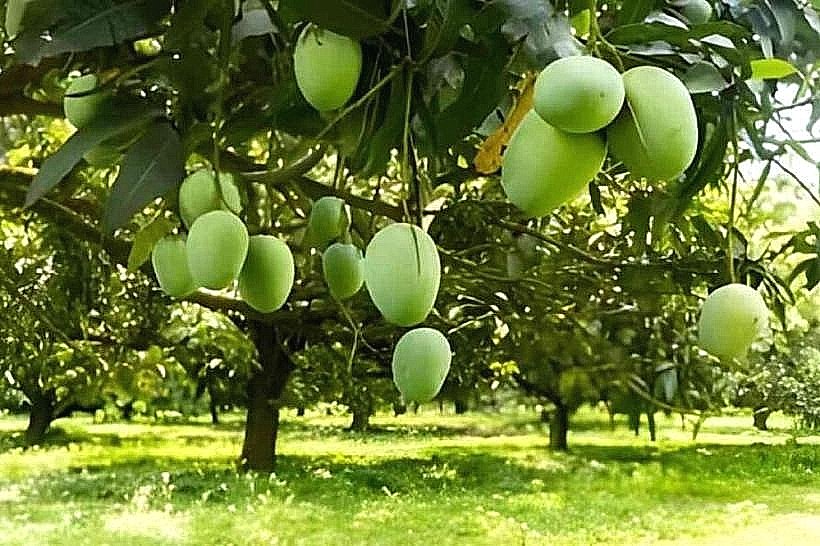
The city is the "Silk Capital"; purchasing high-quality Rajshahi Silk is a primary cultural activity. During summer, it is the "Mango Capital," producing the nation's most prized varieties (Himsagar, Langra). Socially, the city is polite and academic. Modest dress is expected. Tipping is not mandatory but 5–10% is standard in upscale eateries.
Local Cost Index
1 Espresso: 150 BDT ($1.25)
1 Standard Lunch: 300 BDT ($2.55)
1 Short Easy-bike Trip: 15 BDT ($0.13)
1 Meter of High-quality Silk: 1,200–3,500 BDT ($10.00–$29.50)
Nearby Day Trips
Puthia Rajbari: Exquisite terracotta architecture (30 km east).
Natore Rajbari: The historic palace of the Dighapatia kings (45 km east).
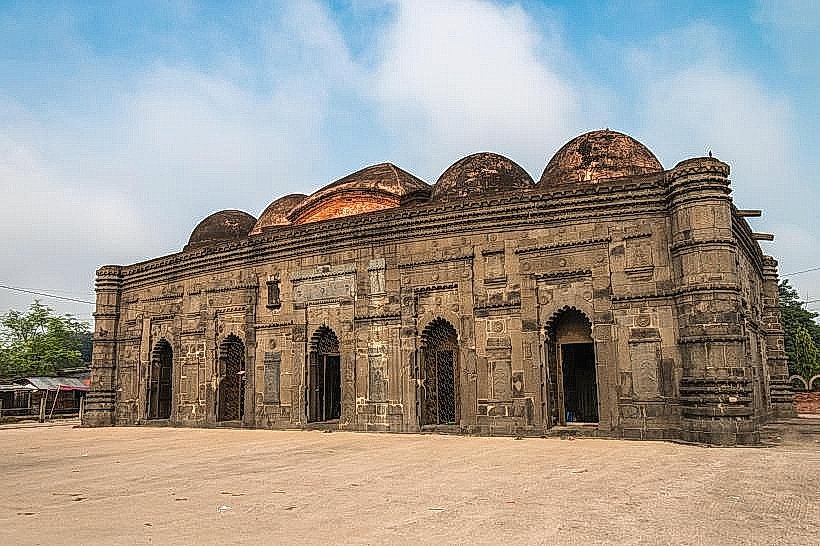
Sona Masjid (Small Golden Mosque): A 15th-century architectural masterpiece in Chapainawabganj (80 km west).
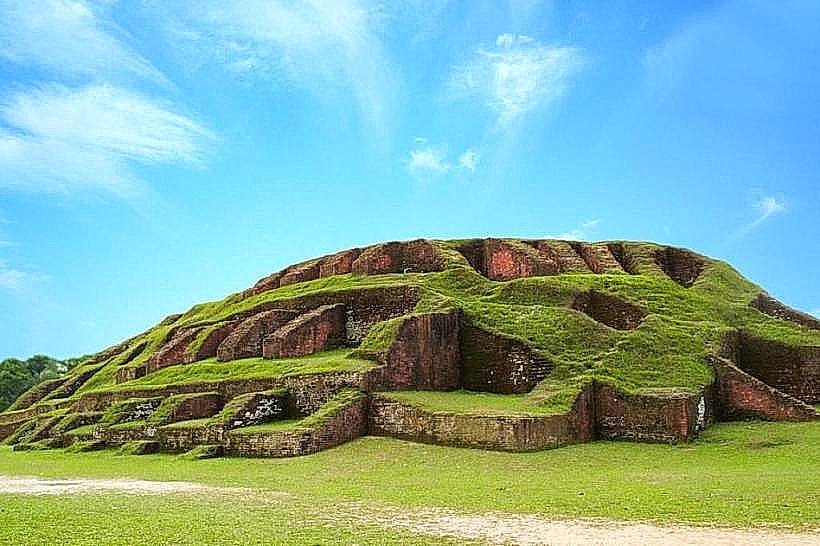
Somapura Mahavihara: UNESCO World Heritage Buddhist ruins in Paharpur (100 km north).
Facts & Legends
Rajshahi is the only city in Bangladesh to win a UN award for its success in air pollution reduction. A local legend at the Shah Makhdum shrine claims that the saint arrived in Rajshahi from Iraq by riding across the Padma River on the back of a giant crocodile; the tomb area traditionally kept a preserved crocodile skin to commemorate this event.