Information
Landmark: Bagha MosqueCity: Rajshahi
Country: Bangladesh
Continent: Asia
Bagha Mosque, Rajshahi, Bangladesh, Asia
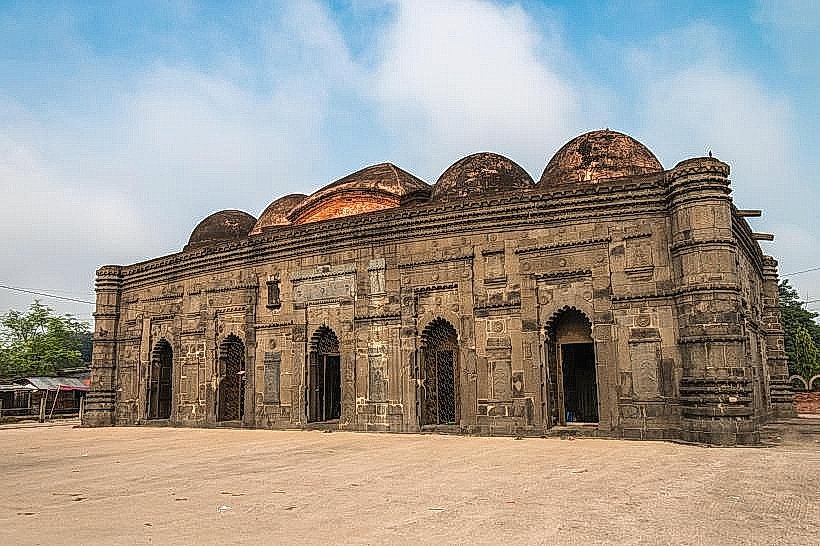
The Bagha Mosque is a historic Islamic structure located in Bagha Upazila, Rajshahi District, Bangladesh.
It is a significant example of Mughal architecture in the region.
Visual Characteristics
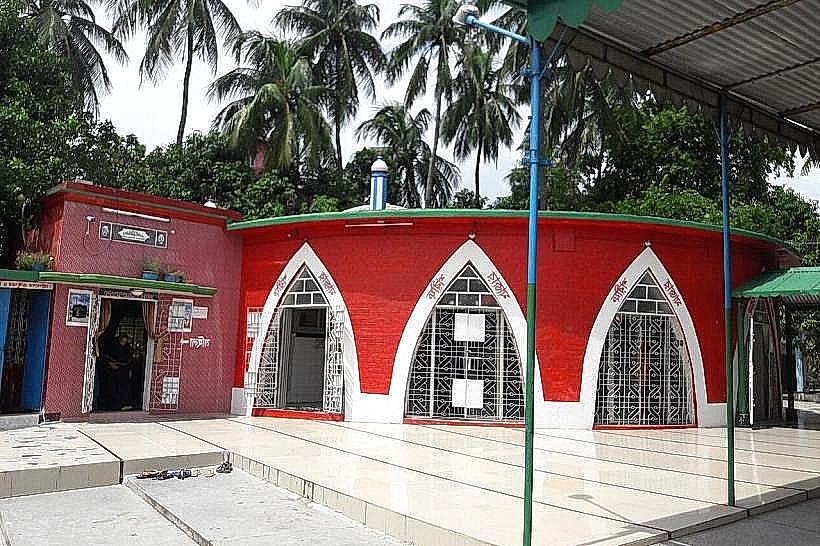
The mosque is constructed primarily from brick, with terracotta ornamentation. It features a rectangular plan with a central dome and four smaller domes. The exterior walls are adorned with intricate terracotta panels depicting floral motifs and geometric patterns. The main prayer hall has three arched entrances on the east facade and single arched entrances on the north and south sides. The interior is relatively simple, with plastered walls and arched recesses.
Location & Access Logistics
The Bagha Mosque is situated approximately 55 kilometers east of Rajshahi city center. Access is via National Highway 6 (N6) towards Natore, then turning off onto local roads leading to Bagha. The journey from Rajshahi city typically takes 1.5 to 2 hours by car. Limited parking is available near the mosque complex. Public bus services operate from Rajshahi to Bagha, with a short walk or local rickshaw required from the bus stop to the mosque.
Historical & Ecological Origin
The mosque was built in 1523 AD during the reign of Sultan Nusrat Shah of the Bengal Sultanate. It was commissioned by a Sufi saint, Hazrat Shah Daulah. The mosque's construction reflects the architectural styles prevalent during the Sultanate period, incorporating local materials and craftsmanship.
Key Highlights & Activities
Visitors can observe the detailed terracotta artwork on the exterior walls. Photography of the architectural features is permitted. The mosque is an active place of worship, and visitors are expected to dress respectfully and maintain decorum. Exploring the surrounding grounds, which include a pond and a tomb complex, is also possible.
Infrastructure & Amenities
Basic restroom facilities are available within the mosque complex. Shade is provided by trees within the complex. Cell phone signal (4G/5G) is generally available in the area. Food vendors are typically found near the main road leading to the mosque, offering local snacks and beverages.
Best Time to Visit
The best time of day for photography is during the early morning or late afternoon when the sunlight creates softer shadows on the terracotta details. The most favorable months for visiting are from October to March, avoiding the monsoon season and extreme heat. There are no tide-related considerations for visiting this inland structure.
Facts & Legends
A local legend states that the mosque was built on the site where a saint, Hazrat Shah Daulah, miraculously produced a bagha (tiger) from his staff to scare away invaders. Another notable feature is the unique octagonal minarets flanking the main structure, which are rare in mosques of this period.
Nearby Landmarks
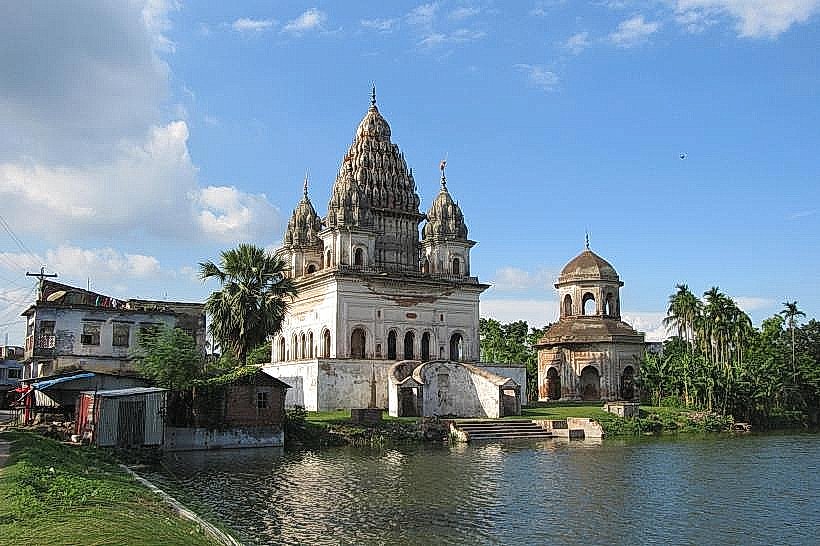
- Puthia Temple Complex (25km Southwest)
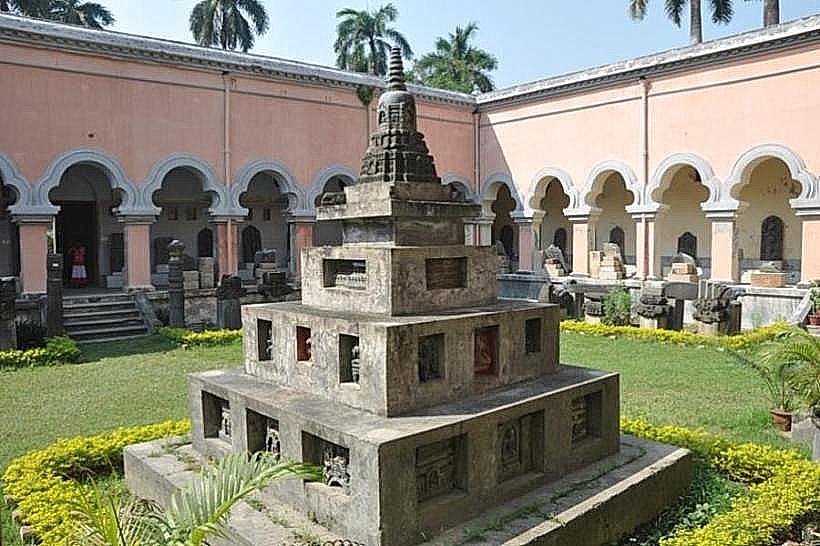
- Varendra Research Museum (50km West)
- Shah Makhdum Rupos Tomb (52km West)
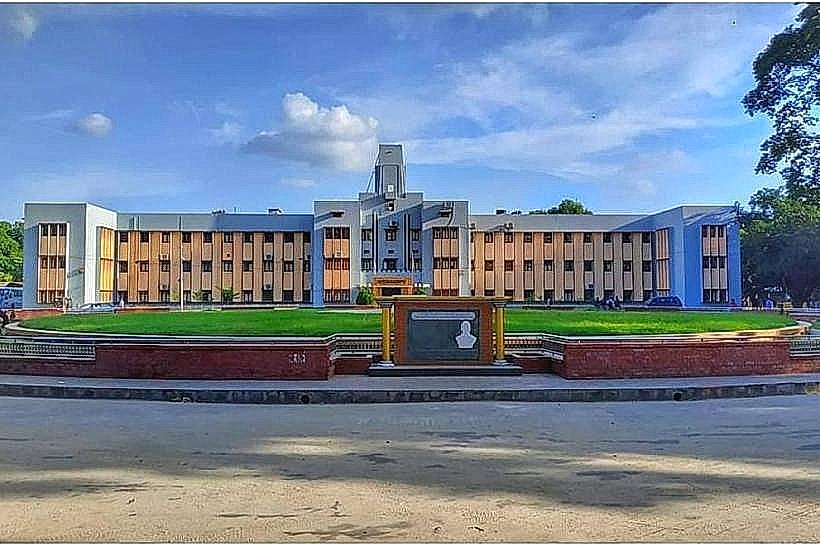
- Rajshahi University (53km West)