Information
Landmark: Shah Makhdum’s TombCity: Rajshahi
Country: Bangladesh
Continent: Asia
Shah Makhdum’s Tomb, Rajshahi, Bangladesh, Asia
Shah Makhdum's Tomb is a historical mausoleum located in Rajshahi, Bangladesh. It serves as the final resting place of the Sufi saint Shah Makhdum Rupos.
Visual Characteristics
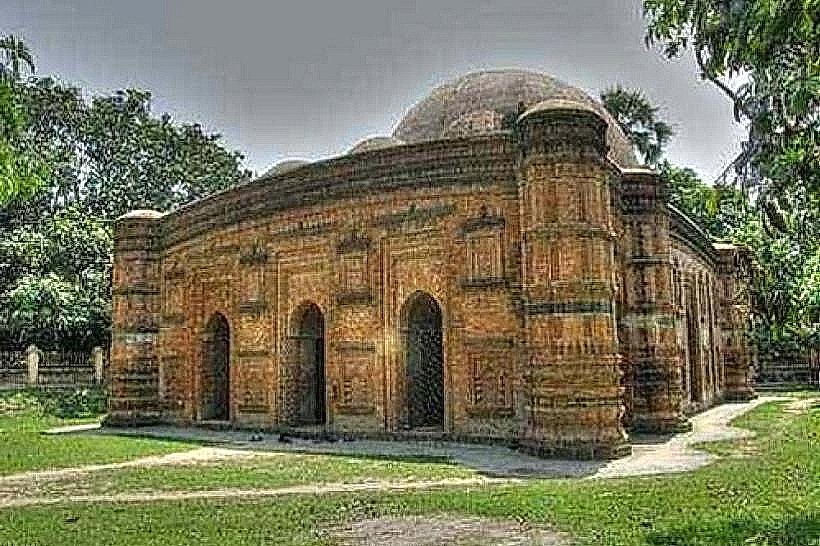
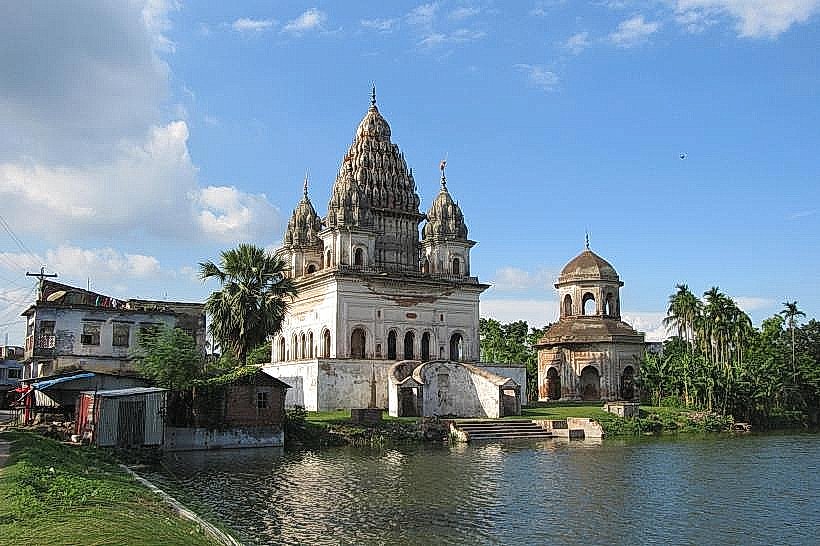
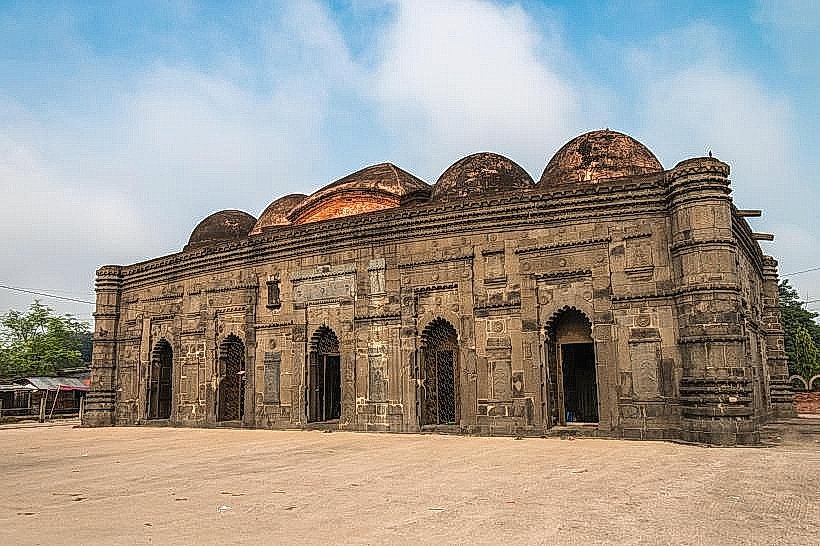
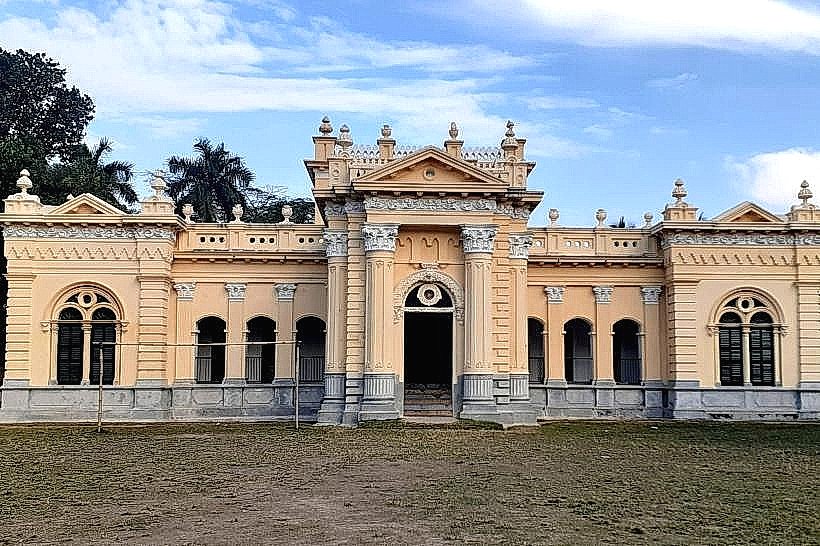
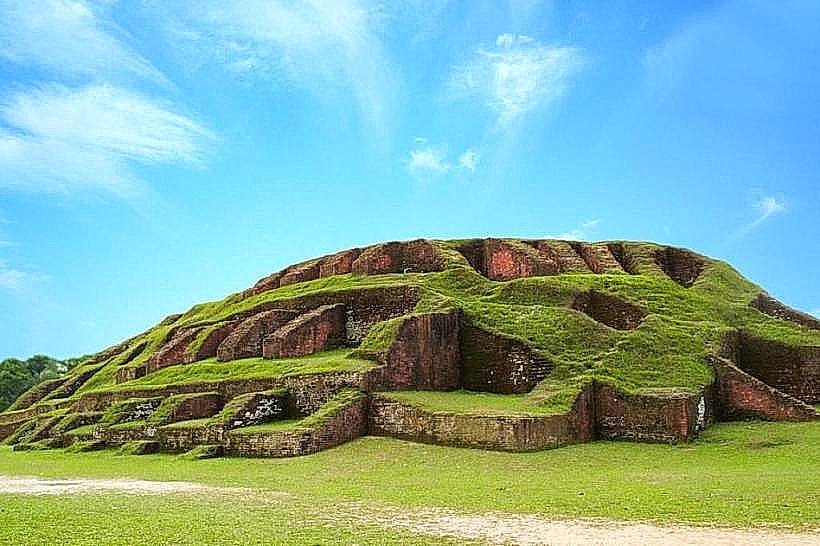
The tomb is constructed primarily from brick and features a single dome. The exterior walls are painted white. The structure is rectangular in plan with arched entrances. A minaret stands adjacent to the main tomb building.
Location & Access Logistics
The tomb is situated approximately 3 kilometers north of the Rajshahi city center, along the Rajshahi-Naogaon Road. Access is via paved roads. Limited on-site parking is available. Local auto-rickshaws and taxis provide transport from the city center.
Historical & Ecological Origin
The tomb is believed to have been constructed in the 17th century, though the exact date and architect are not definitively recorded. It was built to commemorate Shah Makhdum Rupos, a prominent Sufi preacher who arrived in the region in the 14th century.
Key Highlights & Activities
Visitors can observe the architectural style of the tomb. The site is a place of pilgrimage for many. Photography of the exterior is permitted. The adjacent mosque is also accessible.
Infrastructure & Amenities
Basic restroom facilities are available on-site. There are no dedicated food vendors within the immediate vicinity of the tomb; however, small shops and eateries are located along the main road. Cell phone signal (4G) is generally reliable in the area.
Best Time to Visit
The optimal time for visiting is during the cooler months, from October to March. Mornings and late afternoons offer softer lighting conditions for photography. Avoid midday during the hot season (April-June).
Facts & Legends
A local legend states that the saint possessed the ability to tame wild animals, including tigers, which he used to protect the local populace. Another account suggests he arrived by boat on the Padma River, which has since shifted its course.
Nearby Landmarks
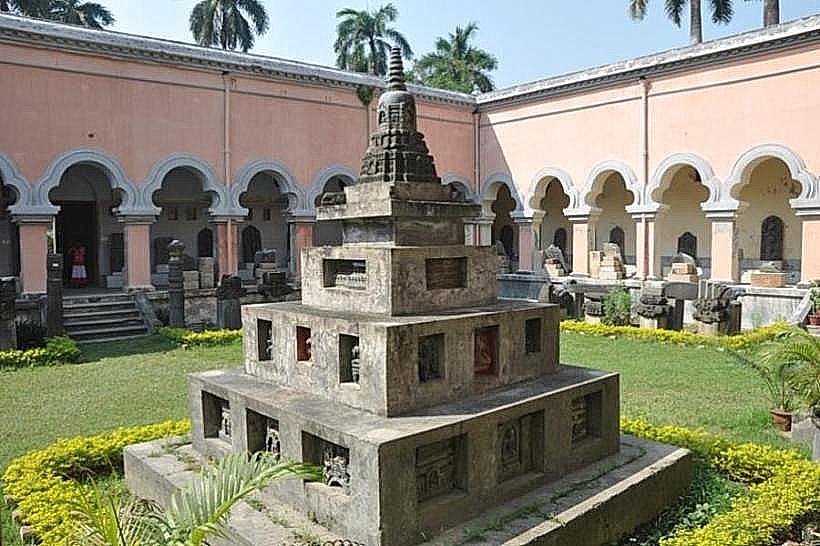
- Varendra Research Museum (1.5km Southwest)
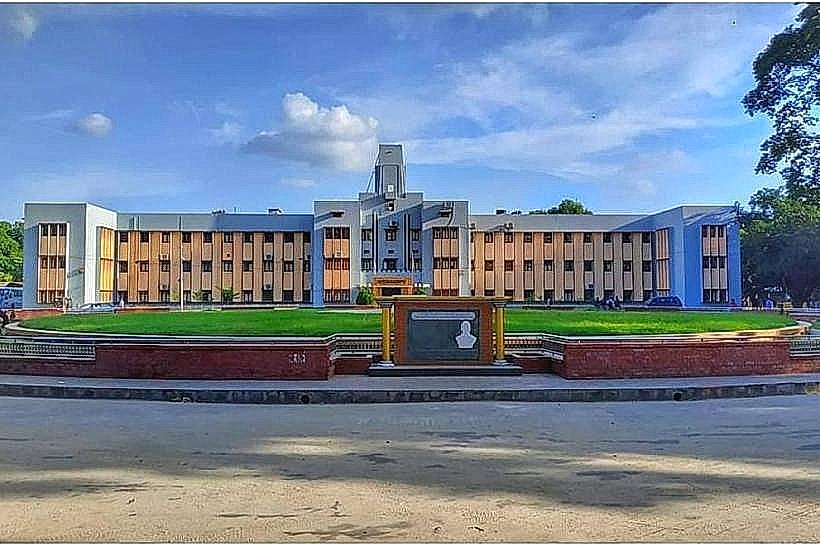
- Rajshahi University (2.0km Northwest)
- Padma Garden (3.5km South)
- Shaheb Bazar (3.0km South)