Information
Landmark: Varendra Research MuseumCity: Rajshahi
Country: Bangladesh
Continent: Asia
Varendra Research Museum, Rajshahi, Bangladesh, Asia
The Varendra Research Museum is an archaeological and art museum located in Rajshahi, Bangladesh. It houses a significant collection of artifacts from the region's history.
Visual Characteristics
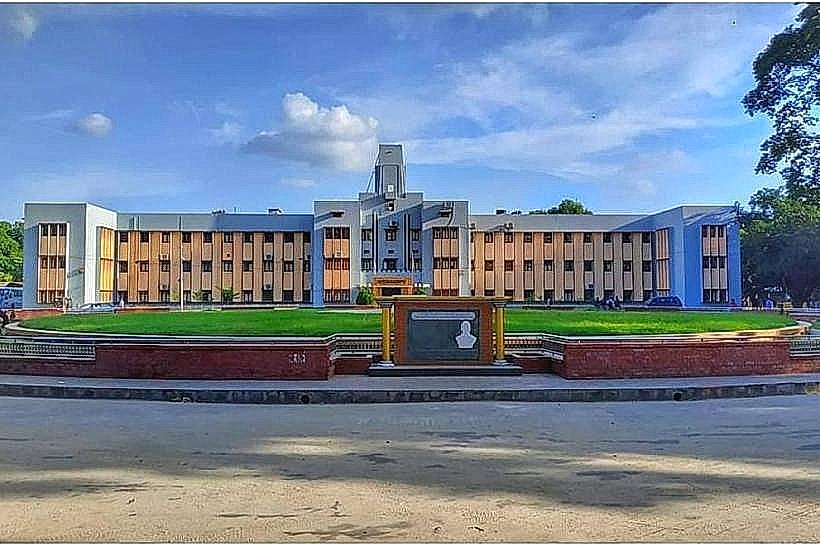
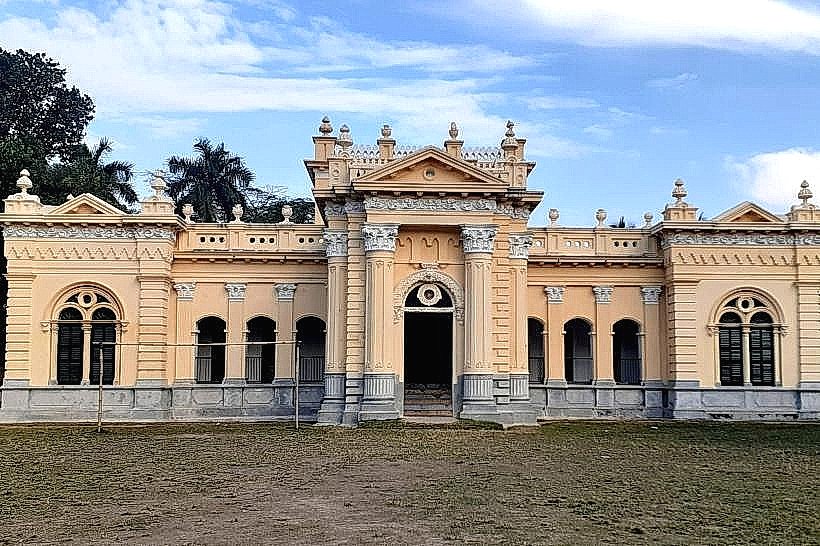
The museum building is a two-story structure constructed primarily of brick. Its architectural style incorporates elements of colonial-era design. The exterior is painted a light cream color, with white trim around the windows and doorways. The main entrance features a prominent portico supported by columns.
Location & Access Logistics
The Varendra Research Museum is situated in the city of Rajshahi, approximately 1.5 kilometers south of the city center. Access is via Shaheb Bazar Road. Limited on-street parking is available near the museum entrance. Public transport within Rajshahi includes auto-rickshaws and local buses that frequent Shaheb Bazar Road.
Historical & Ecological Origin
The museum was established in 1910 by Kumar Sarat Chandra Roy, a prominent local scholar and philanthropist. Its original purpose was to collect, preserve, and exhibit archaeological and historical artifacts discovered in the Varendra region, which encompasses parts of present-day Bangladesh and India. The building itself was constructed in phases, with significant additions made over the decades.
Key Highlights & Activities
Visitors can view exhibits of ancient sculptures, terracotta plaques, coins, manuscripts, and folk art. Specific galleries focus on the Pala and Sena dynasties, as well as the Mughal period. Photography is permitted in designated areas without flash.
Infrastructure & Amenities
Restrooms are available on the ground floor. Limited seating is provided within the exhibition halls. Cell phone signal (4G) is generally good within the museum premises. No food vendors are located directly at the museum; however, numerous eateries are situated along Shaheb Bazar Road.
Best Time to Visit
The museum is open daily from 10:00 AM to 5:00 PM, except for Fridays when it opens at 2:00 PM and closes at 5:00 PM. It is closed on government holidays. The best time of day for visiting is during the cooler morning hours, particularly between October and March, to avoid the midday heat.
Facts & Legends
A notable artifact in the museum's collection is the "Dancing Girl" statue, a small bronze figurine believed to date back to the Indus Valley Civilization, though its provenance is debated by some scholars. The museum also holds a significant collection of ancient manuscripts, some of which are written in Sanskrit and Pali.
Nearby Landmarks
- Rajshahi University (2.0km North)
- Shaheb Bazar (1.5km North)
- Padma Garden (3.5km West)
- Boro Kuthi (4.0km Northwest)