Information
Landmark: Padma RiverbankCity: Rajshahi
Country: Bangladesh
Continent: Asia
Padma Riverbank, Rajshahi, Bangladesh, Asia
The Padma Riverbank in Rajshahi, Bangladesh, is a significant stretch of land along the Padma River, serving as a public recreational area.
Visual Characteristics
The riverbank features a wide, sandy expanse that varies in width with seasonal water levels. Vegetation is sparse, primarily consisting of hardy grasses and occasional acacia trees. The river itself is characterized by its muddy brown water, a common trait of large alluvial rivers in the region. The embankment is reinforced with concrete in some sections, particularly near urban access points.
Location & Access Logistics
The Padma Riverbank is situated south of the Rajshahi city center. Access is primarily via the road leading from the city's southern bypass, known locally as the "Padma Road." Travel time from the city center is approximately 20-30 minutes by car, depending on traffic. Parking is available along designated areas of the Padma Road, though it can become congested during peak hours. Public transport options include local auto-rickshaws and buses that run along the main road, with drop-off points near the riverbank access points.
Historical & Ecological Origin
The Padma River is one of the major transboundary rivers of South Asia, originating in the Himalayas. Its current course and the formation of its banks are a result of natural fluvial processes over millennia. The development of the riverbank as a public space is a more recent initiative by local authorities to manage erosion and provide recreational facilities.
Key Highlights & Activities
Activities include walking along the embankment, picnicking, and observing river traffic. Fishing is a common activity for local residents. Boat rides on the Padma River are available from specific points along the bank, offering views of the river and surrounding landscape. Photography is popular, especially during sunrise and sunset.
Infrastructure & Amenities
Basic amenities are present, including a limited number of concrete benches and some shaded areas provided by trees. Public restrooms are available at designated points, though their maintenance can be inconsistent. Cell phone signal (4G) is generally good along the main riverbank areas. Food vendors, selling local snacks and beverages, are typically present, especially on weekends and holidays.
Best Time to Visit
The best time of day for photography is during the early morning (6:00 AM - 8:00 AM) for soft light and the late afternoon (4:00 PM - 6:00 PM) for warmer tones. The most favorable months for visiting are from October to March, when the weather is cooler and drier. The monsoon season (June to September) brings higher water levels and increased humidity, which can limit access to certain areas.
Facts & Legends
A local belief suggests that the river holds ancient spirits, and offerings are sometimes made by villagers during specific festivals. Historically, the Padma River has been a vital artery for trade and transportation, with numerous historical settlements developing along its course.
Nearby Landmarks
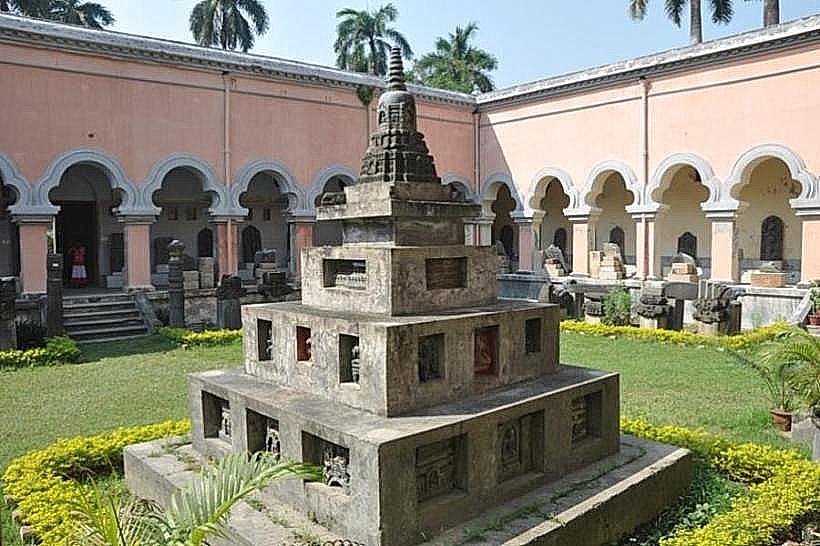
- Varendra Research Museum (3.5km Northwest)
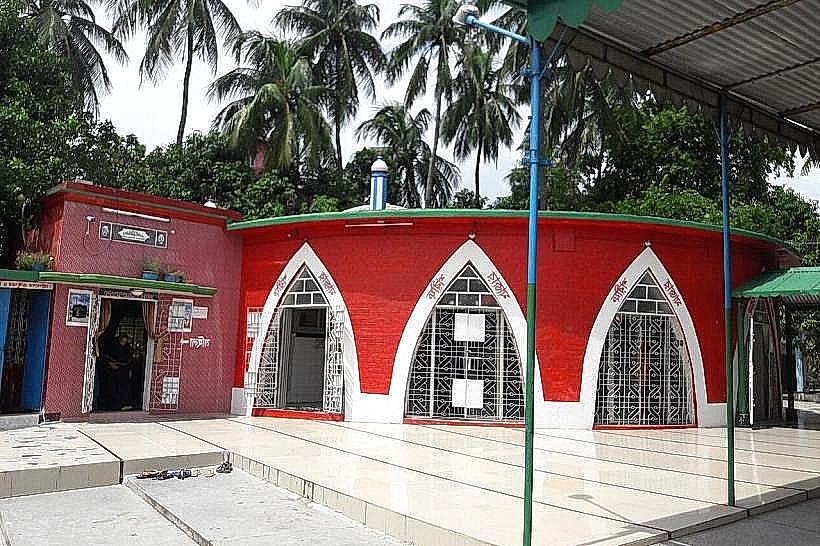
- Shah Makhdum Rupos (R.) Dargah Sharif (4.2km North)
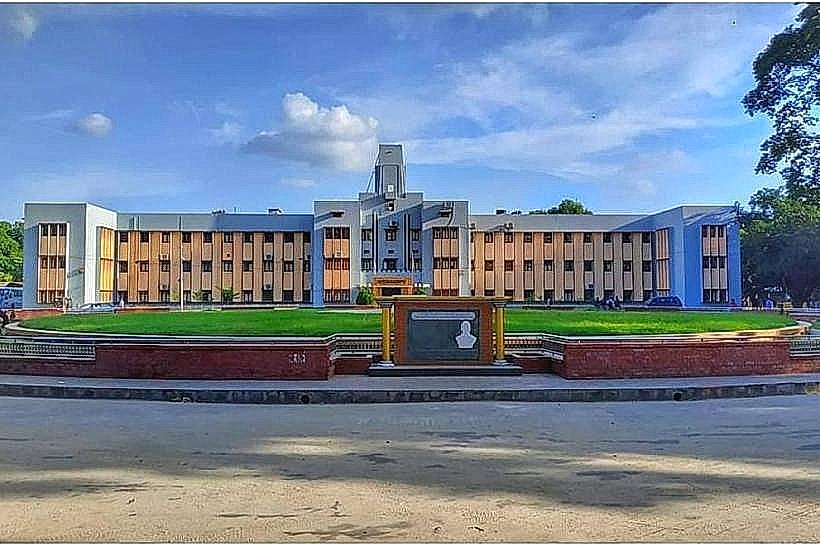
- Rajshahi University (5.0km North)
- Shaheed A.H.M. Kamaruzzaman Stadium (3.8km North)