Information
Landmark: Mango OrchardsCity: Rajshahi
Country: Bangladesh
Continent: Asia
Mango Orchards, Rajshahi, Bangladesh, Asia
The Mango Orchards of Rajshahi are a significant agricultural area dedicated to mango cultivation, located in the Rajshahi Division of Bangladesh.
Visual Characteristics
The landscape is characterized by extensive rows of mango trees, typically reaching heights of 10-15 meters. The foliage is dense and green, with a rough bark texture on the mature trees. During the fruiting season, the branches are laden with mangoes of varying sizes and colors, ranging from green to yellow and red depending on the variety and ripeness.
Location & Access Logistics
The primary mango-growing regions are situated approximately 10-20 kilometers north of Rajshahi city center. Access is primarily via local roads branching off National Highway 5 (N5). Visitors can hire auto-rickshaws or private cars from Rajshahi city. Public transport directly into the orchards is limited; buses operate along the N5, requiring onward travel by local transport. Parking is generally informal, available on the sides of unpaved farm tracks.
Historical & Ecological Origin
Mango cultivation in the Rajshahi region has a long-standing history, with organized orchard development gaining prominence in the mid-20th century. The area's soil composition, a sandy loam, is conducive to mango growth. The ecological origin is a tropical monsoon climate, supporting the specific needs of the mango tree (Mangifera indica).
Key Highlights & Activities
Observation of mango cultivation practices. Sampling of locally grown mango varieties during the harvest season (June-August). Photography of the orchard landscape. Purchase of fresh mangoes directly from farmers.
Infrastructure & Amenities
Basic amenities are scarce within the orchards themselves. Small roadside stalls may offer refreshments. Cell phone signal (2G/3G) is generally available, but 4G/5G coverage can be inconsistent. Restrooms and shaded areas are not standard features within the orchards.
Best Time to Visit
The best time for visiting is during the mango harvest season, from June to August. Early morning (7:00 AM - 9:00 AM) offers optimal lighting for photography before the heat intensifies. Mid-day can be very hot with limited shade.
Facts & Legends
Rajshahi is often referred to as the "Mango Capital of Bangladesh" due to the sheer volume and quality of its mango production. A local belief suggests that consuming mangoes from the region during the season brings good fortune for the remainder of the year.
Nearby Landmarks
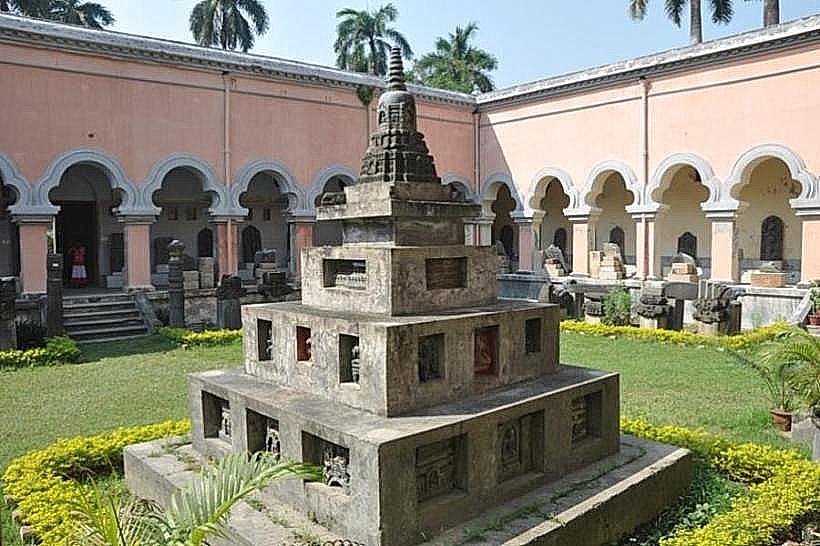
- Varendra Research Museum (3.5km Southwest)
- Shahid A.H.M. Kamaruzzaman Central Park and Zoo (5km South)
- Puthia Temple Complex (25km Southeast - outside 5km radius, but significant)
- Padma Garden (6km South)