Information
City: DhakaCountry: Bangladesh
Continent: Asia
Dhaka, Bangladesh, Asia
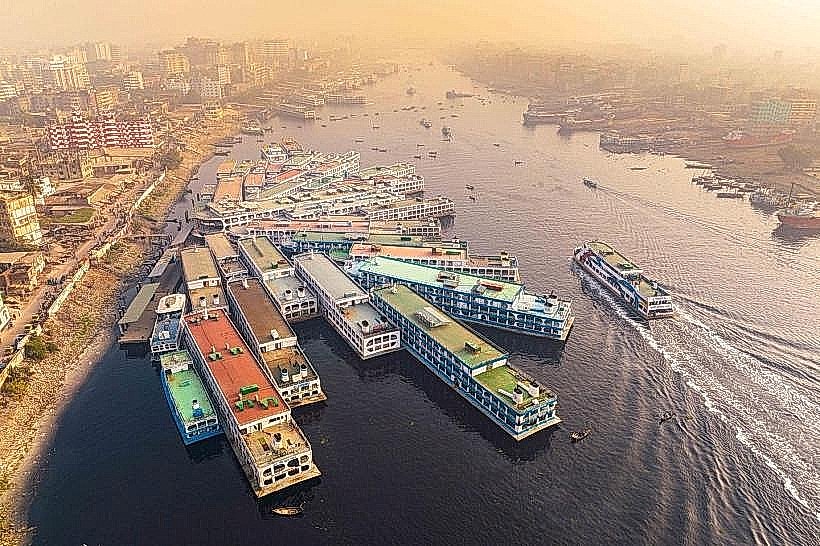
Dhaka serves as the capital and largest city of Bangladesh, functioning as the nation's political, economic, and cultural core. It is situated on the banks of the Buriganga River in the central deltaic plains.
Historical Timeline
The region has been inhabited since the first millennium, but the modern city rose to prominence in 1610 as the Mughal capital of Bengal (Jahangirnagar). It became a global center for the muslin trade, described by European travelers as one of the world's richest cities. Following British colonial rule (1765–1947), it served as the capital of East Pakistan until the 1971 Liberation War, when it was established as the capital of independent Bangladesh.
Demographics & Population
As of 2026, the Dhaka metropolitan area population is estimated at 25.4 million, making it the second most populous city globally and the most densely populated urban area on Earth. The population is predominantly ethnic Bengali and approximately 90% Muslim, with significant Hindu, Buddhist, and Christian minorities.
Urban Layout & Key Districts
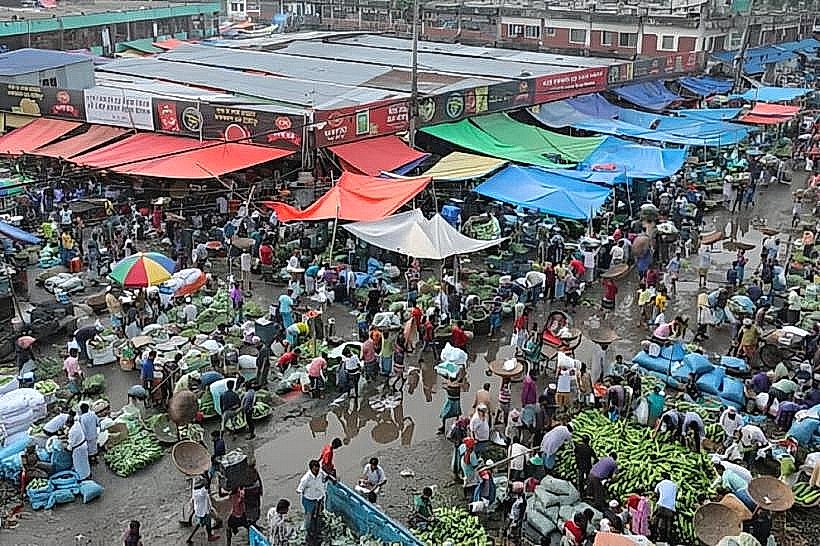
Old Dhaka (Puran Dhaka): The historic southern core characterized by narrow alleys, Mughal architecture, and traditional wholesale markets.
Gulshan, Banani, and Baridhara: High-end residential and diplomatic enclaves featuring international hotels, embassies, and luxury retail.
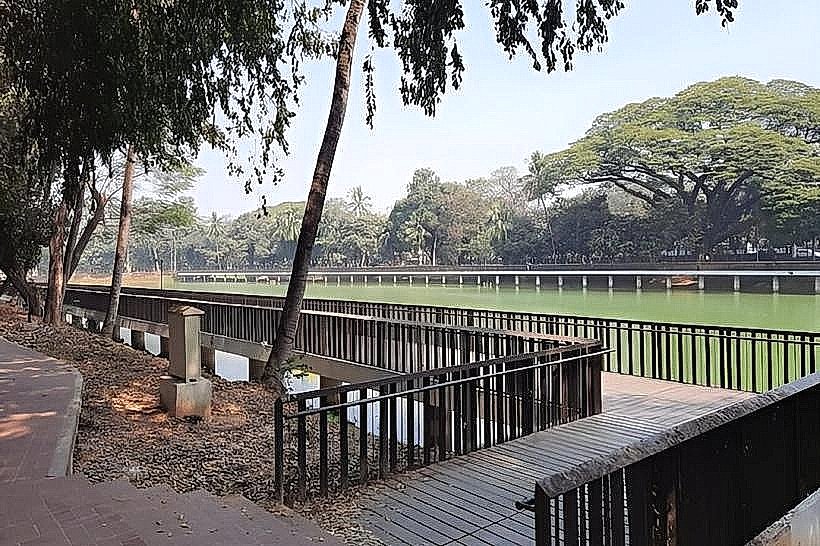
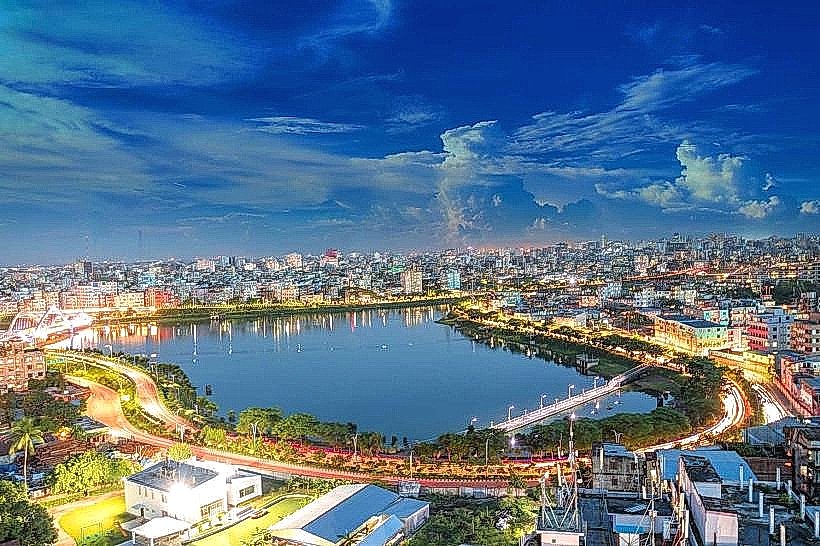
Dhanmondi: An affluent residential area known for its lake, educational institutions, and vibrant café culture.
Uttara: A modern residential town located near the airport.
Motijheel: The central business district housing major banks and corporate headquarters.
Top City Landmarks
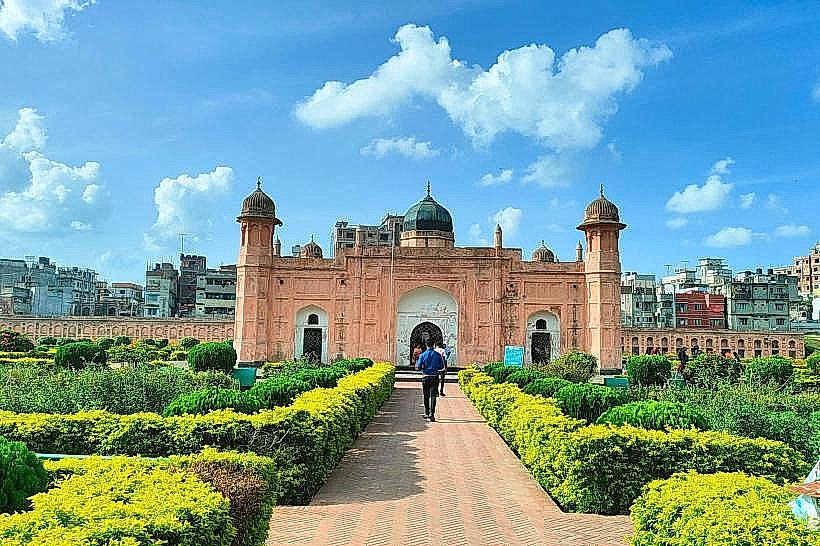
Lalbagh Fort: An unfinished 17th-century Mughal fortress complex.
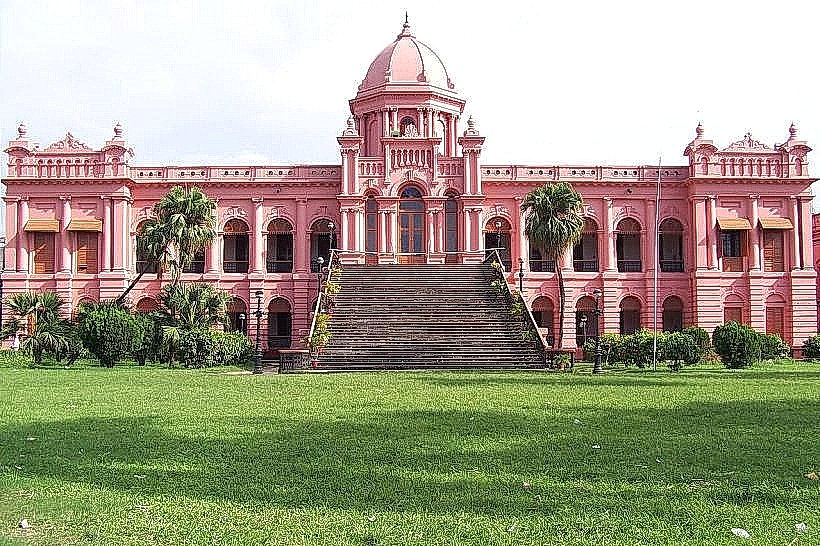
Ahsan Manzil (Pink Palace): The former official residential palace of the Nawab of Dhaka.
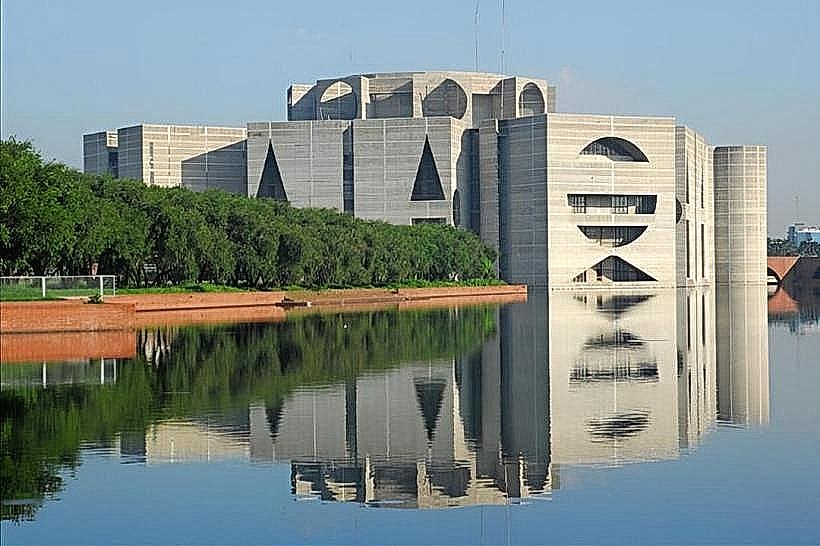
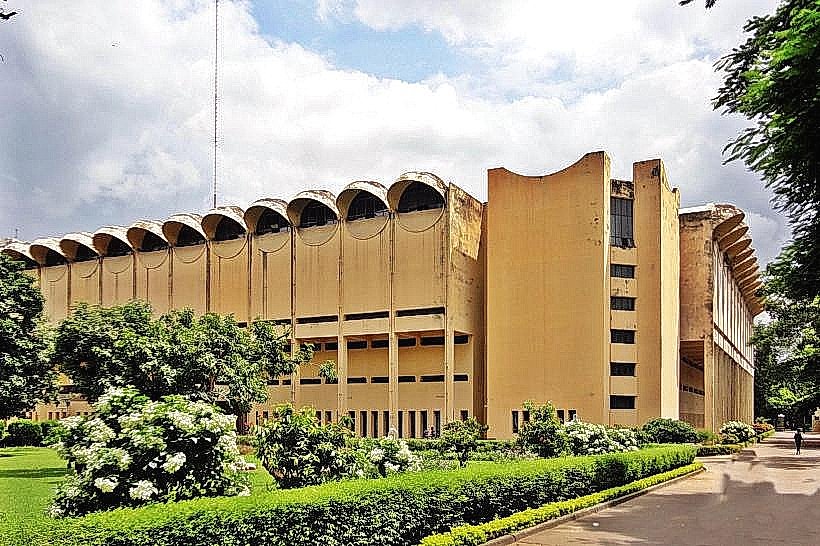
Jatiya Sangsad Bhaban: The National Parliament House, a modernist masterpiece designed by Louis Kahn.
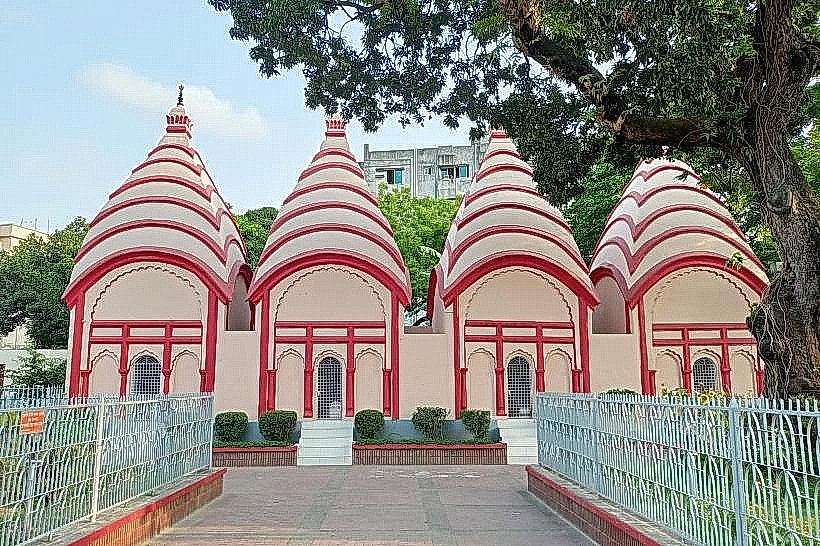
Dhakeshwari Temple: The "State Temple" of Bangladesh, dating back to the 12th century.
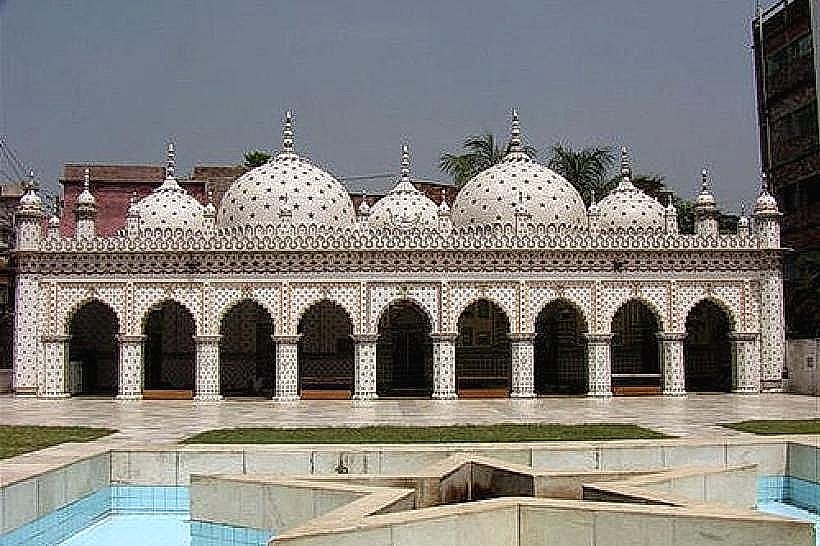
Tara Masjid (Star Mosque): Renowned for its ornate blue star motif mosaic.
Transportation Network
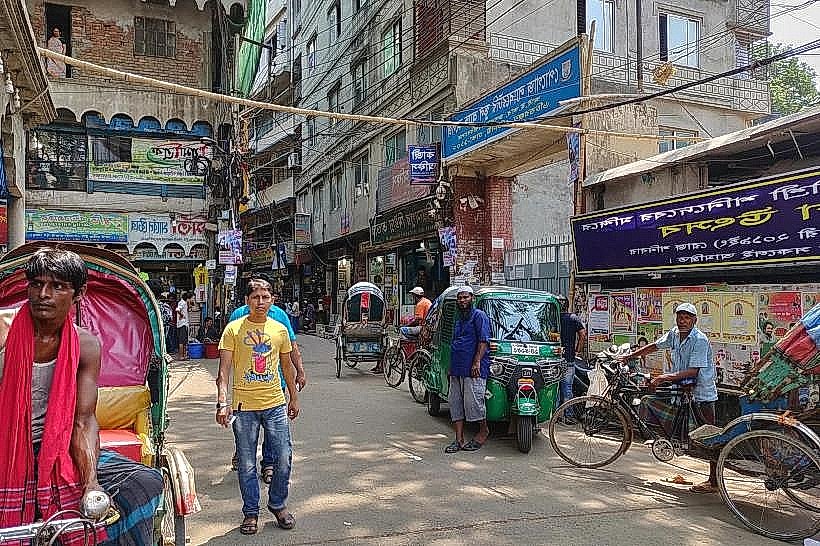
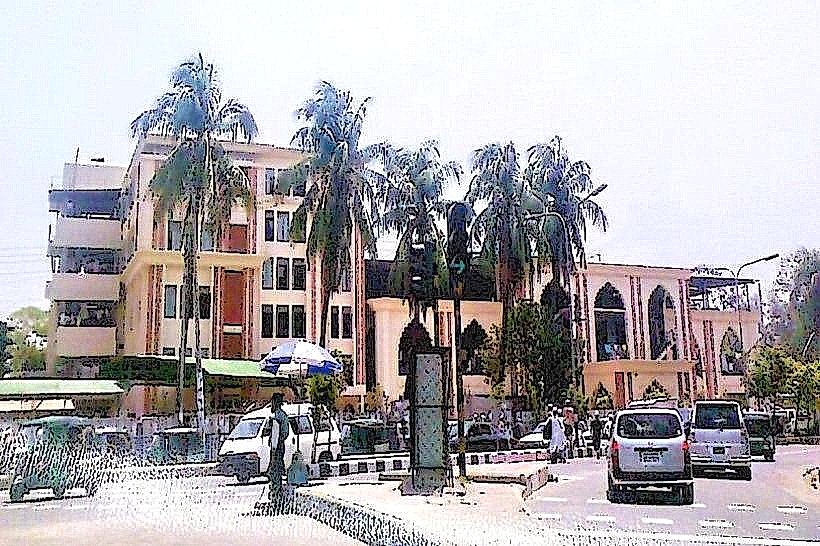
Movement is defined by extreme congestion. Dhaka has the world's highest density of cycle rickshaws (estimated at over 600,000), which are recognized by UNESCO for their distinct folk art. The Dhaka Metro Rail (Line 6) provides the only rapid, traffic-free transit on specific north-south routes. Ride-sharing via Pathao and Uber is common. "CNGs" (three-wheeled auto-rickshaws) are the standard for mid-range distances. Traffic gridlock is a constant, with average speeds often dropping to 5–7 km/h.
Safety & "Red Zones"
Travel advisories (U.S. and Australia) currently maintain a Level 3 (Reconsider Travel) status as of January 2026 due to civil unrest, crime, and the risk of terrorism. National elections are scheduled for February 12, 2026, which increases the risk of violent demonstrations and "hartals" (general strikes). Avoid large gatherings, specifically around Shahbag, Motijheel, and the University of Dhaka. Standard precautions against petty crime (pickpocketing and snatch-and-grab) are essential in crowded markets.
Digital & Financial Infrastructure
Internet speeds vary; 4G is universal, and 5G is available in premium districts (Gulshan/Banani). The economy is heavily cash-based. While international cards are accepted in high-end establishments, Bangladeshi Taka (BDT) is required for most daily transactions. Mobile financial services like bKash and Nagad are used by the majority of the population for digital payments.
Climate & Air Quality
Tropical monsoon climate. Temperatures range from 12°C in January to 36°C+ in the pre-monsoon heat of April/May. The city faces significant flood risk during the monsoon (June–October). Air quality is frequently ranked among the worst in the world, with AQI levels often reaching "Hazardous" during the dry winter months.
Culture & Social Norms
The city is socially conservative; modest dress (covering shoulders and knees) is expected for all genders. Alcohol is restricted and only available in licensed international hotels. During Ramadan (expected to begin mid-February 2026), public eating and drinking during daylight hours is highly discouraged. Tipping is not mandatory but rounding up fares is standard.
Local Cost Index
1 Espresso: 200–350 BDT ($1.65–$2.90)
1 Mid-range Meal (2 people): 1,500–2,500 BDT ($12.50–$21.00)
1 Rickshaw Ride (Short): 40–80 BDT ($0.35–$0.70)
1 Liter of Petrol: 125–130 BDT ($1.05)
Nearby Day Trips
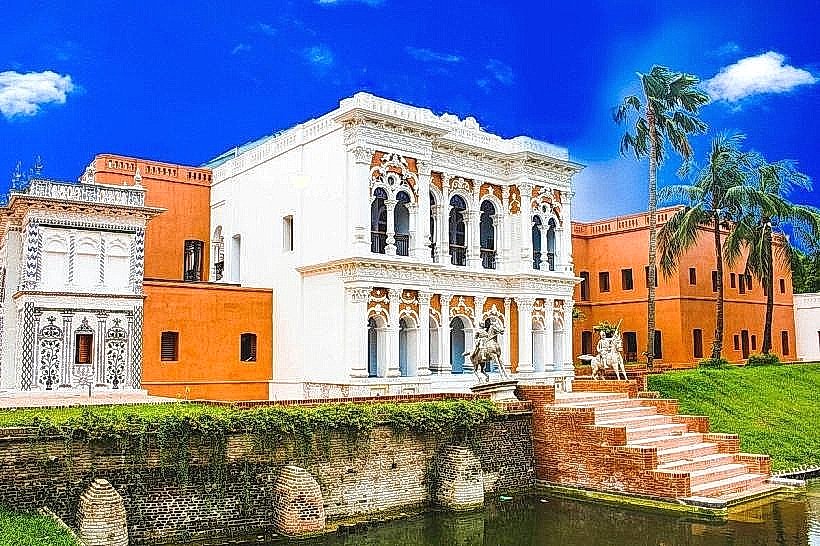
Sonargaon: The ancient capital of Bengal, featuring the historic Panam City ruins (27 km east).
Mainamati: Archaeological site of ancient Buddhist settlements (100 km southeast).
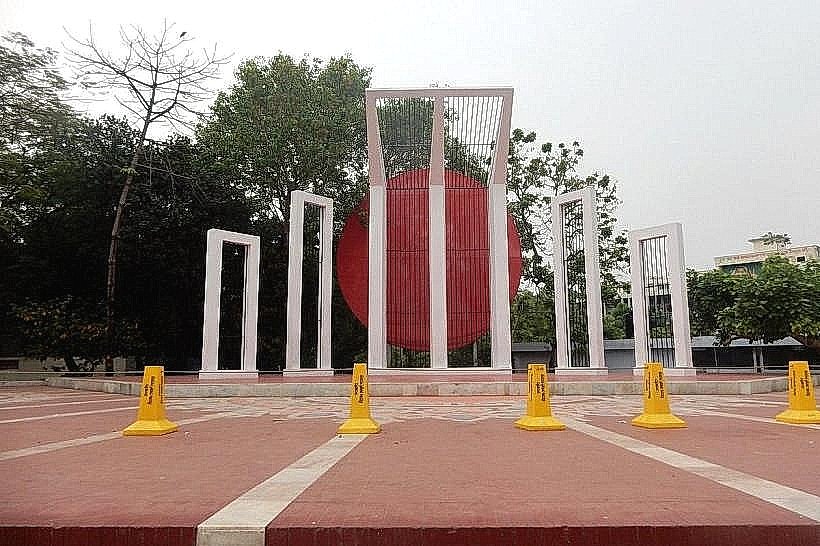
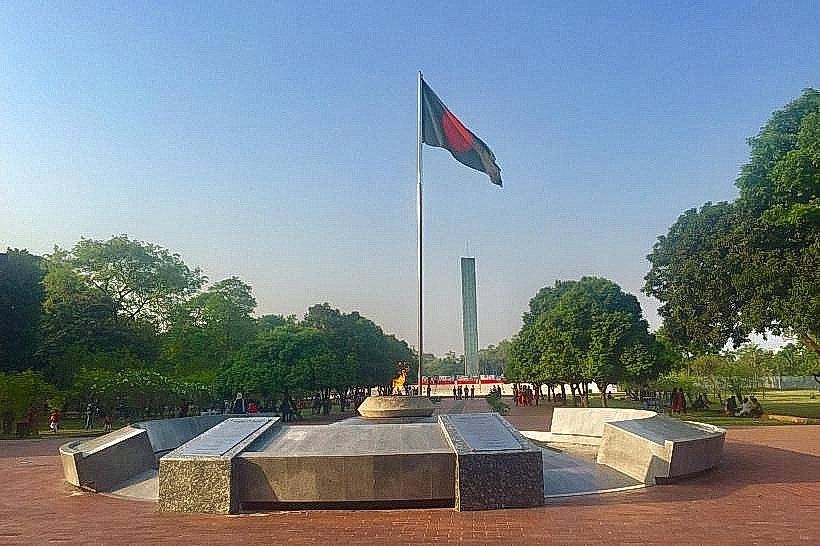
National Martyrs' Memorial (Savar): Dedicated to those who died in the 1971 war (35 km northwest).
Facts & Legends
Dhaka was once known as the "Venice of the East" due to its extensive network of canals, most of which have since been filled or encroached upon. A local legend surrounding Lalbagh Fort claims that the ghost of Pari Bibi, daughter of the Mughal governor Shaista Khan, still haunts the grounds, which is why her father ordered construction to stop immediately upon her death, leaving the fort unfinished.