Information
Landmark: Ahsan ManzilCity: Dhaka
Country: Bangladesh
Continent: Asia
Ahsan Manzil, Dhaka, Bangladesh, Asia
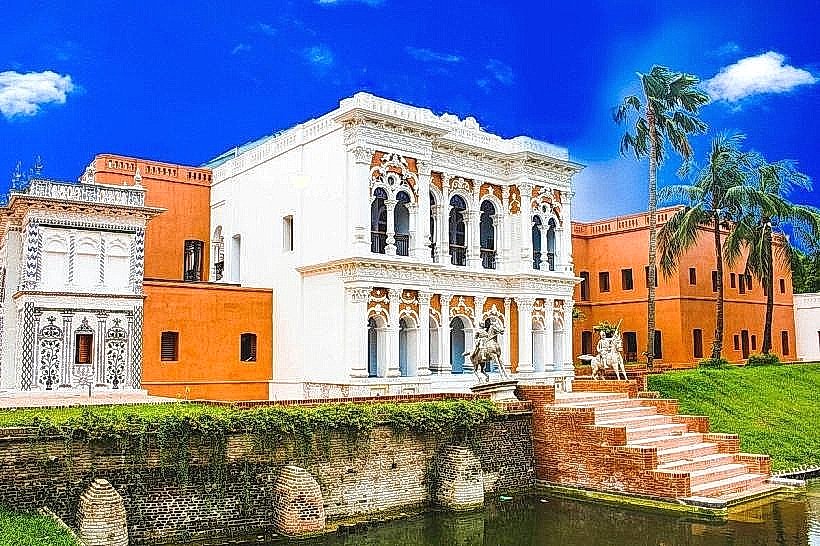
Ahsan Manzil is a former residential palace of the Nawabs of Dhaka, located on the banks of the Buriganga River in Dhaka, Bangladesh.
It is a significant historical and architectural site within the capital city.
Visual Characteristics
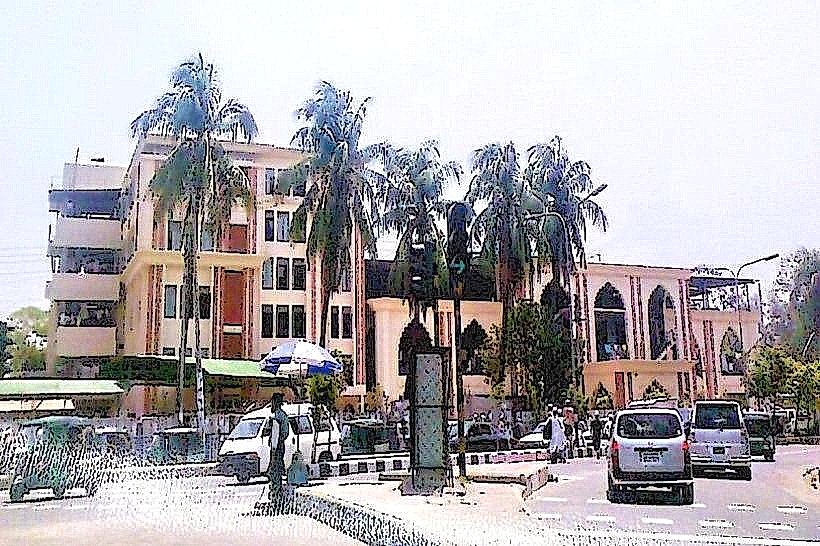
The structure is a two-story building with a prominent dome. Its exterior walls are painted a distinctive pink. The architecture exhibits a blend of European and traditional Mughal styles, featuring arched windows, decorative cornices, and a grand staircase leading to the entrance. The building covers an area of 23,000 square feet.
Location & Access Logistics
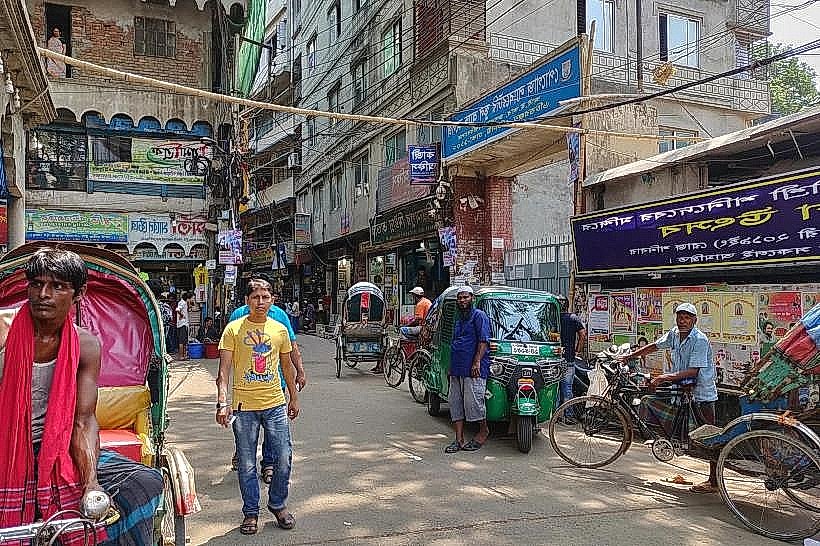
Ahsan Manzil is situated at 78/A Islampur Road, Dhaka 1100, Bangladesh. It is approximately 3 kilometers south of the city center. Access is via Islampur Road. Parking is available on-site, though capacity is limited. Public transport options include local buses that service the Sadarghat area, which is a short walk from the palace. Rickshaws are also a common mode of transport in the vicinity.
Historical & Ecological Origin
The original palace on this site, known as Rang Mahal, was built in 1830 by Khwaja Hafizullah. It was later expanded and renovated by his grandson, Khwaja Ahsanullah, between 1899 and 1901, giving it its current name and appearance. The palace served as the seat of the Dhaka Nawab family and was later nationalized in 1952.
Key Highlights & Activities
Visitors can explore the museum housed within the palace, which displays artifacts and furniture from the Nawab era. Guided tours are available, detailing the history and architecture of the building. Photography is permitted in designated areas. Observing the riverfront from the palace grounds is also a notable activity.
Infrastructure & Amenities
Restrooms are available for visitors. Limited shaded areas are present within the palace grounds. Cell phone signal (4G/5G) is generally good in the area. Food vendors and small eateries are located along the nearby riverfront and surrounding streets.
Best Time to Visit
The best time of day for photography is in the late afternoon, approximately 3 PM to 5 PM, when the sunlight provides good illumination on the pink facade. The dry season, from October to March, offers the most pleasant weather conditions for visiting. There are no tide-specific requirements for visiting.
Facts & Legends
A notable historical oddity is that the palace was significantly damaged by a tornado in 1988 and subsequently underwent extensive restoration. Local lore suggests that the palace's grandeur was a reflection of the immense wealth and influence of the Nawab family in the region during the British Raj.
Nearby Landmarks
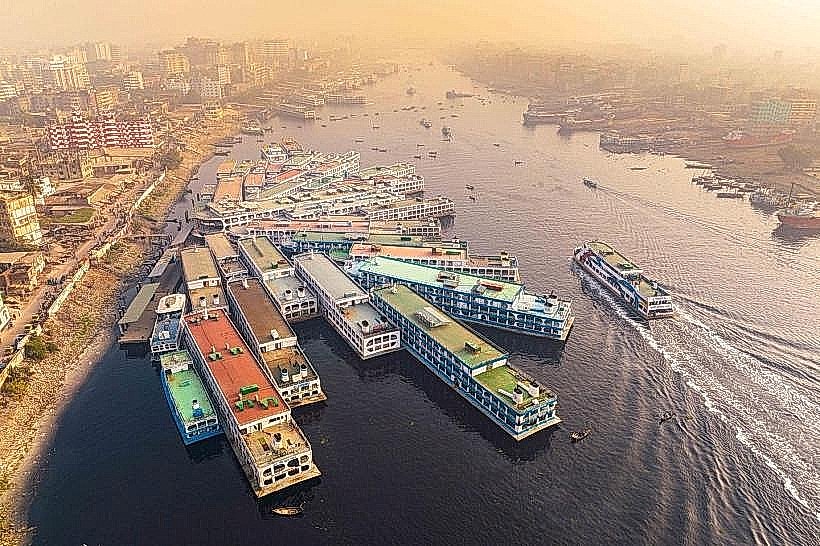
- Sadarght River Port (0.3km West)
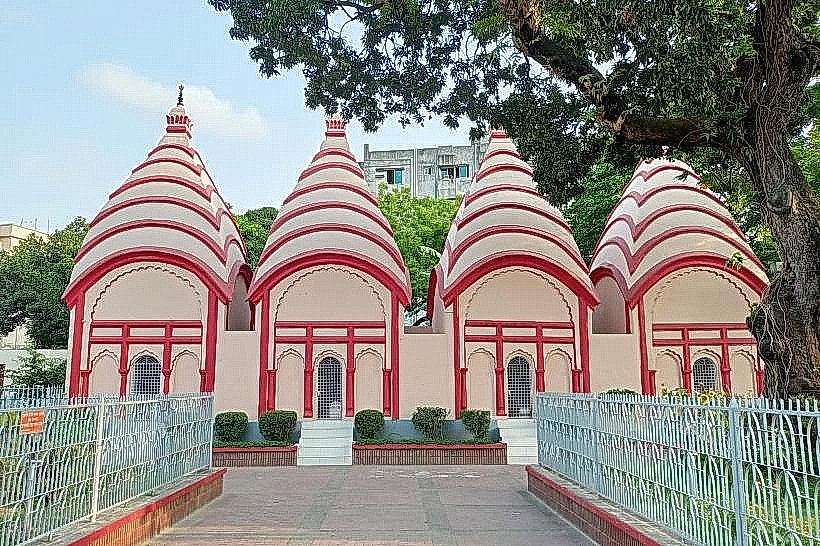
- Dhakeshwari Temple (2.5km North)
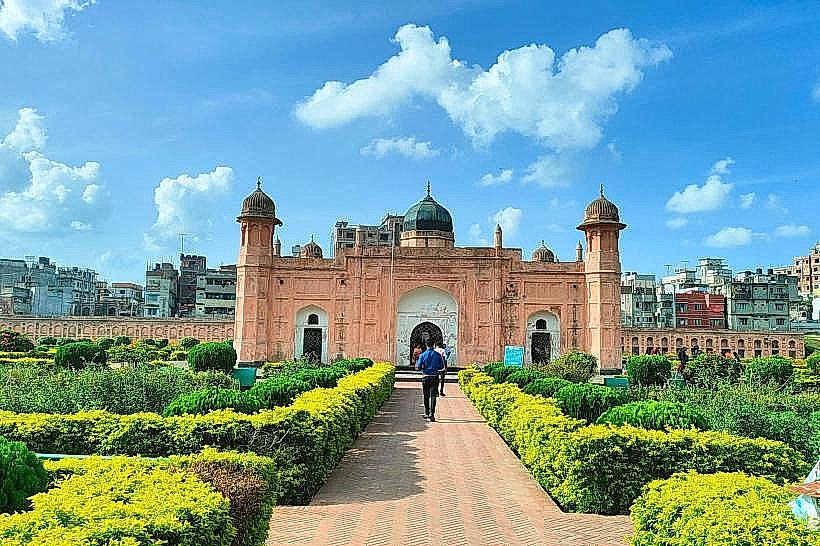
- Lalbagh Fort (2.8km Northwest)
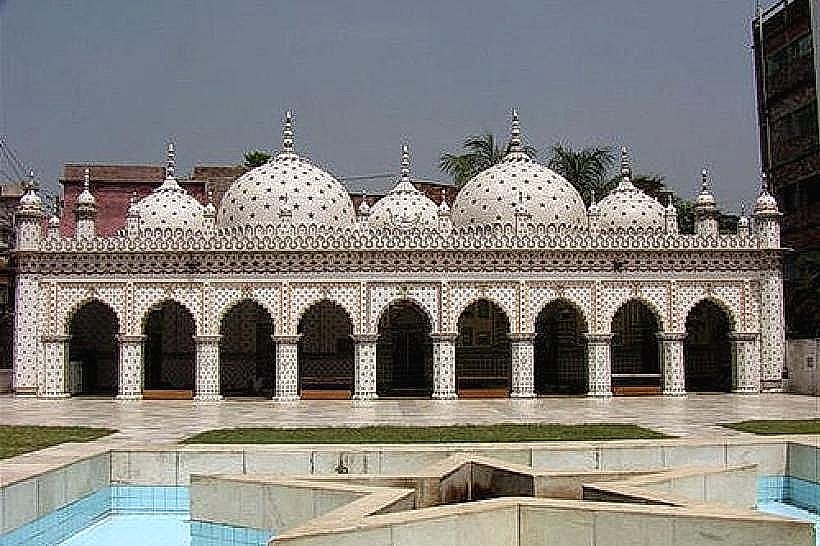
- Star Mosque (3.1km North)
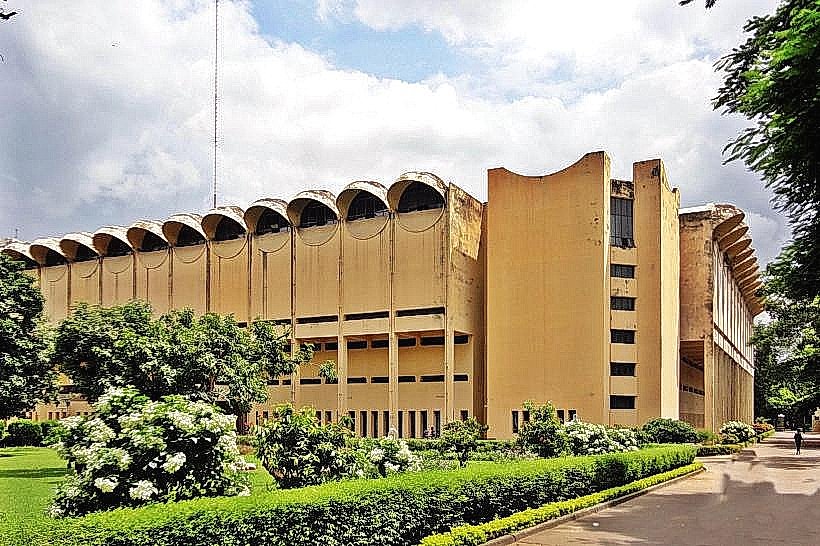
- National Museum (3.5km North)