Information
Landmark: Star MosqueCity: Dhaka
Country: Bangladesh
Continent: Asia
Star Mosque, Dhaka, Bangladesh, Asia
The Star Mosque is an early 18th-century mosque located in the Armanitola area of Old Dhaka, Bangladesh. It is distinguished by its exterior adorned with star motifs and floral patterns.
Visual Characteristics
The mosque is constructed primarily of brick and plastered with lime. Its exterior walls are decorated with blue and white ceramic tiles arranged in star patterns, interspersed with floral motifs. The mosque features a square base with a central dome, supported by four smaller domes at the corners. The main prayer hall has three arched entrances on the east side. The minarets, also tiled, rise from the corners of the platform.
Location & Access Logistics
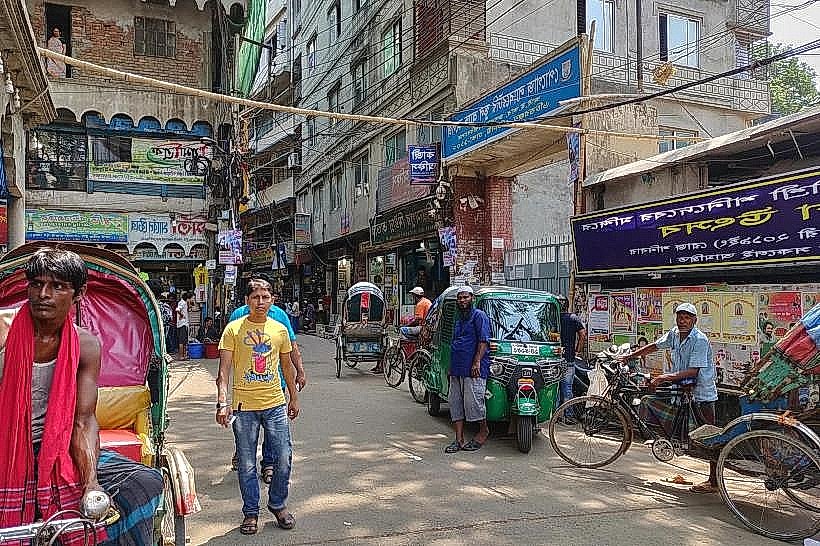
The Star Mosque is situated in Armanitola, Old Dhaka. It is approximately 3 kilometers south of the Dhaka University campus. Access is via local roads within the old city. Parking is limited in the immediate vicinity due to narrow streets; visitors typically arrive by rickshaw or auto-rickshaw. Public bus routes serve the general Armanitola area, requiring a short walk to the mosque.
Historical & Ecological Origin
The mosque was originally built in the first half of the 18th century, likely around 1717-1728, by Mirza Ghulam Pir, a merchant. It underwent significant renovation and expansion in the 1920s, during which the distinctive star tile work was added. The original purpose was for local congregational prayer.
Key Highlights & Activities
Observation of the exterior tile work is a primary activity. Visitors can enter the mosque during non-prayer times to view the interior architecture. Photography of the exterior is permitted.
Infrastructure & Amenities
Restrooms are available within the mosque complex. Limited shade is provided by the mosque structure itself. Cell phone signal (4G/5G) is generally available in the area. Food vendors are present in the surrounding Armanitola market area.
Best Time to Visit
The best time of day for photography of the exterior is late afternoon, when the light highlights the tile work. The best months for visiting are generally from October to March, avoiding the monsoon season. There are no tide-related considerations.
Facts & Legends
A unique detail is the presence of 333,000 small stars, reportedly used in the original tile decoration, though this number is difficult to verify precisely. The mosque was declared a protected monument by the Department of Archaeology of Bangladesh.
Nearby Landmarks
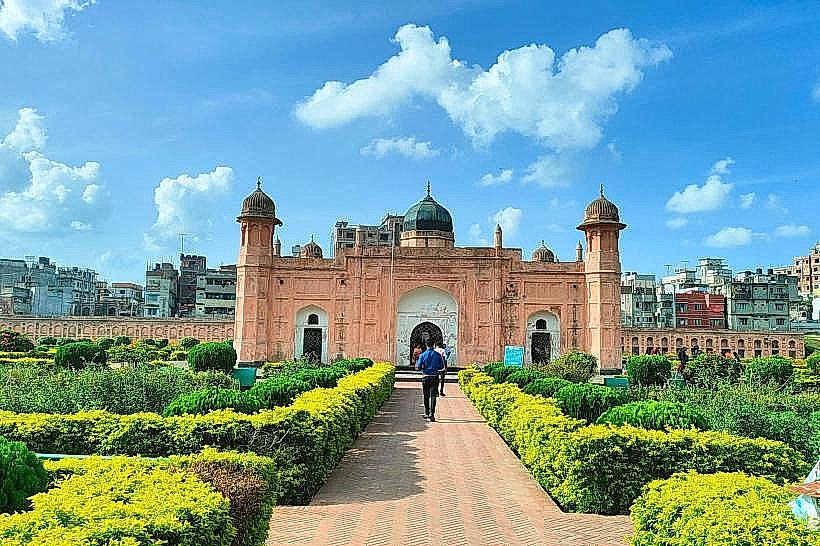
- Lalbagh Fort (1.5km Northwest)
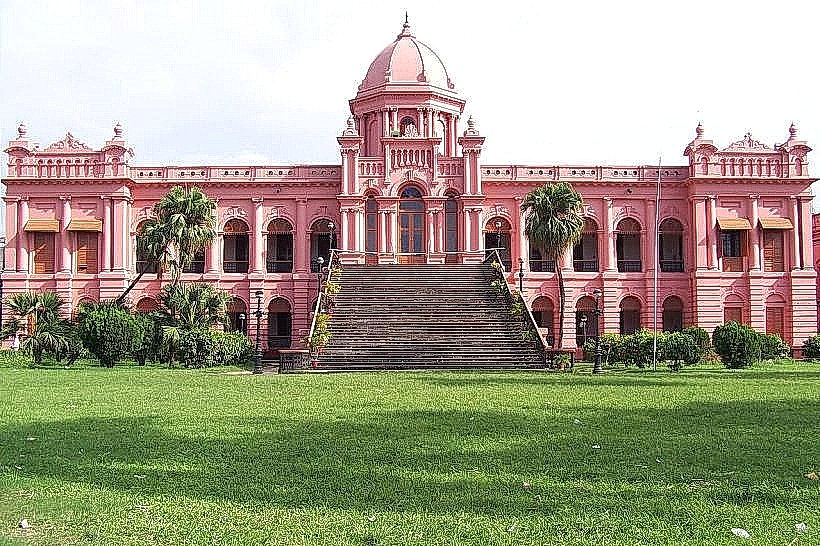
- Ahsan Manzil (Pink Palace) (1.8km West)
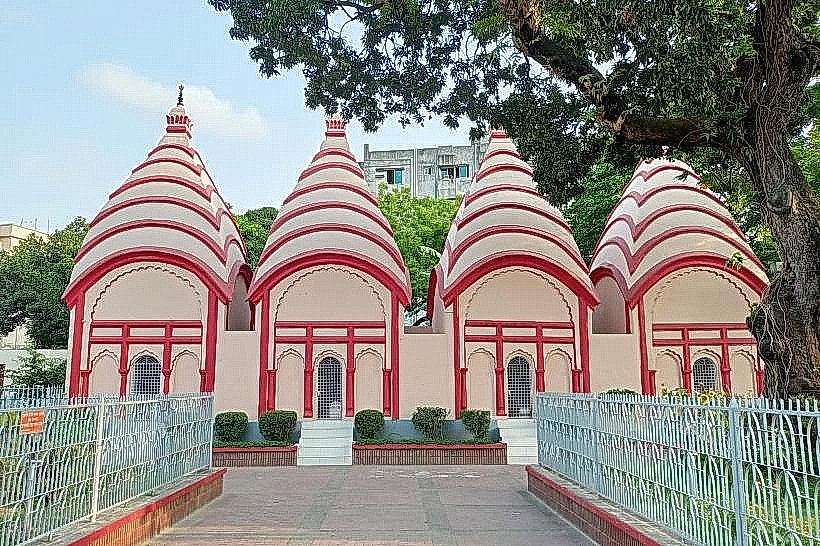
- Dhakeshwari Temple (2.2km Southwest)
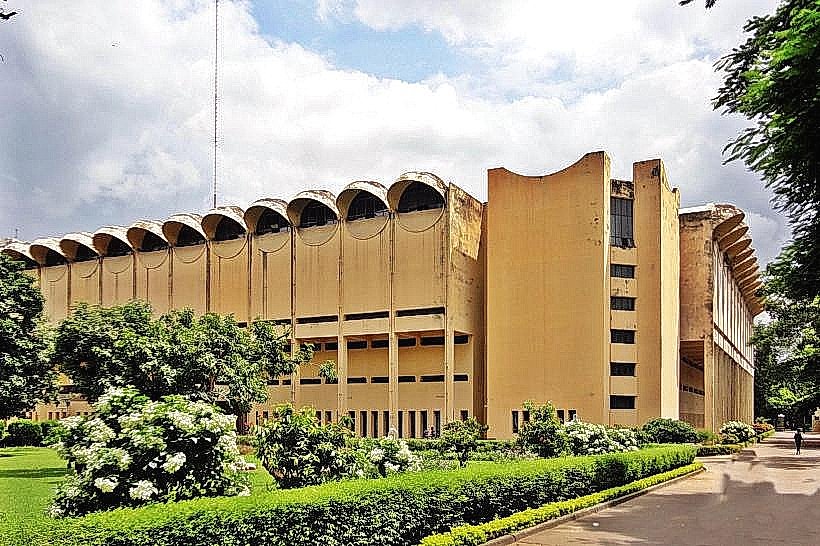
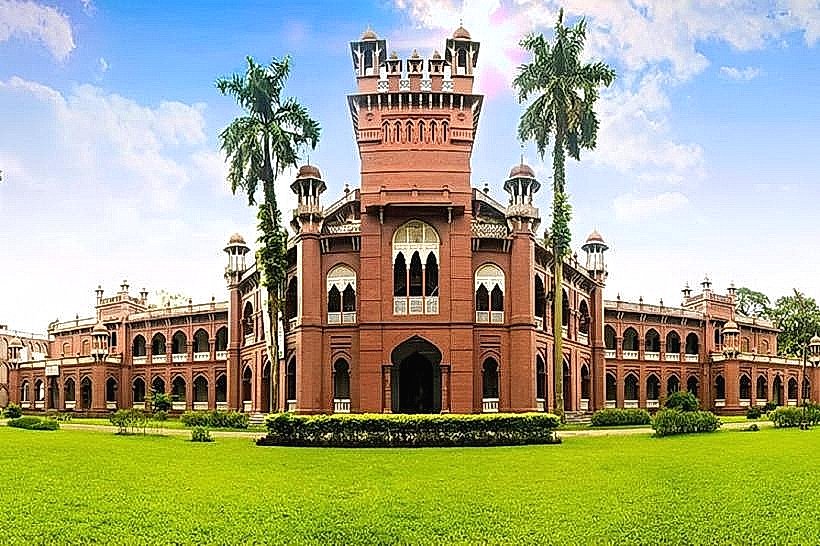
- Curzon Hall (2.8km North)