Information
Landmark: Bangladesh National MuseumCity: Dhaka
Country: Bangladesh
Continent: Asia
Bangladesh National Museum, Dhaka, Bangladesh, Asia
The Bangladesh National Museum is a repository of the nation's cultural heritage, located in Shahbag, Dhaka, Bangladesh.
It houses a comprehensive collection spanning history, art, and ethnography, representing the diverse aspects of Bangladeshi identity.
Visual Characteristics
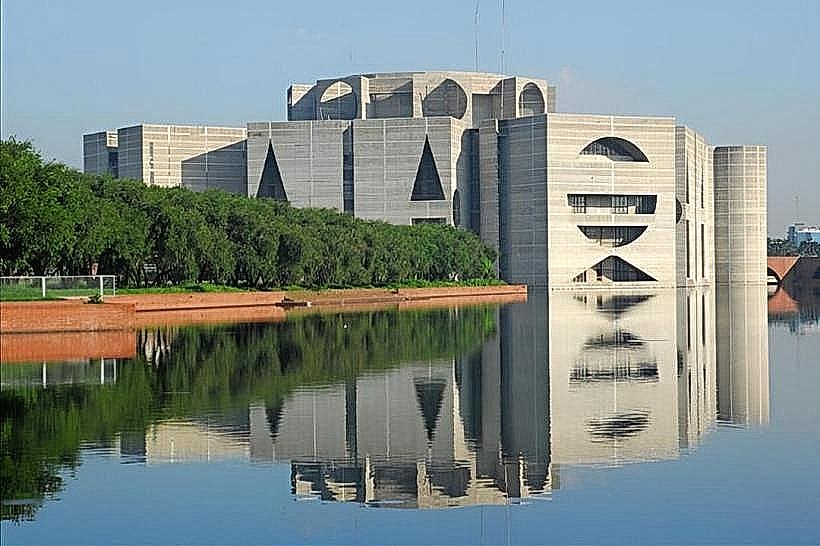
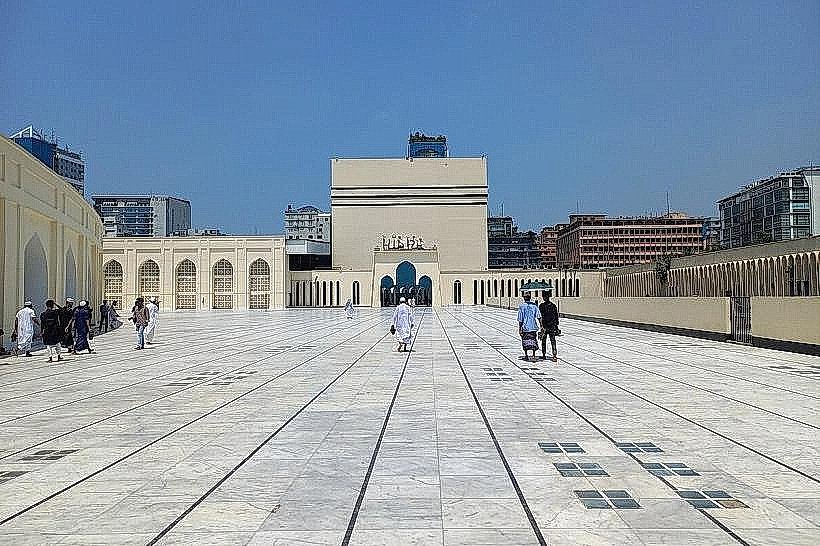
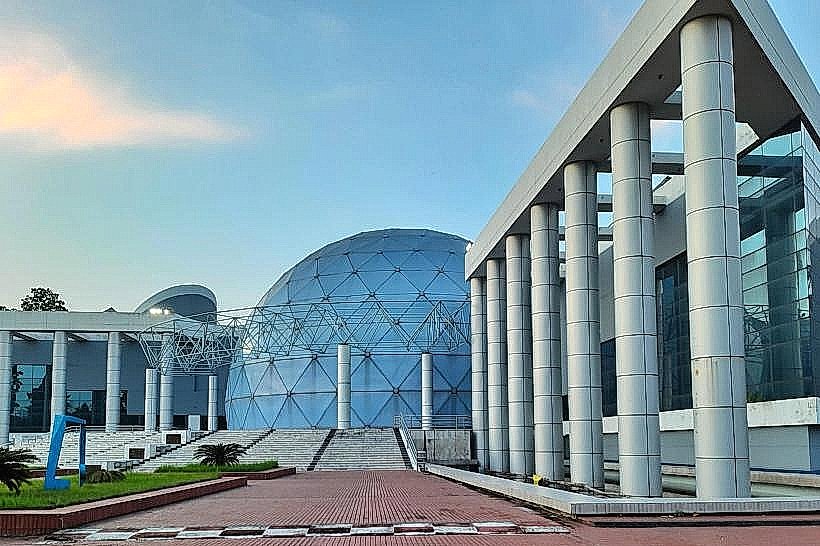
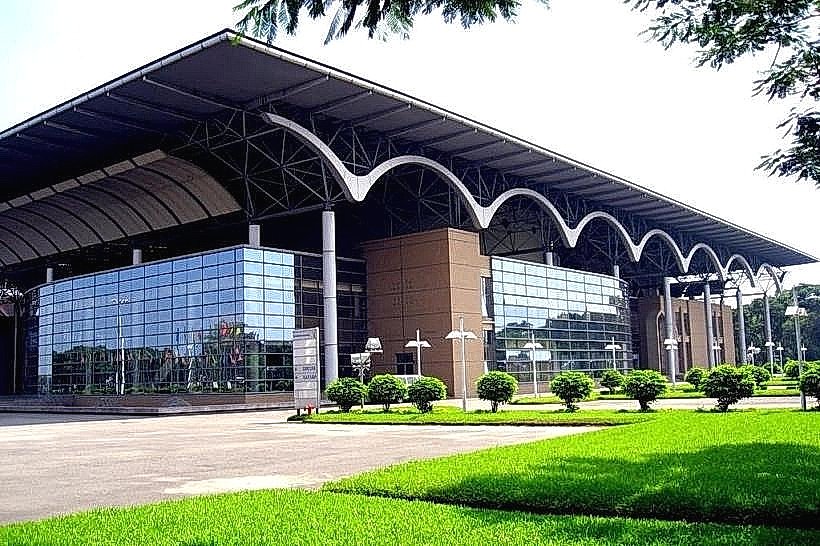
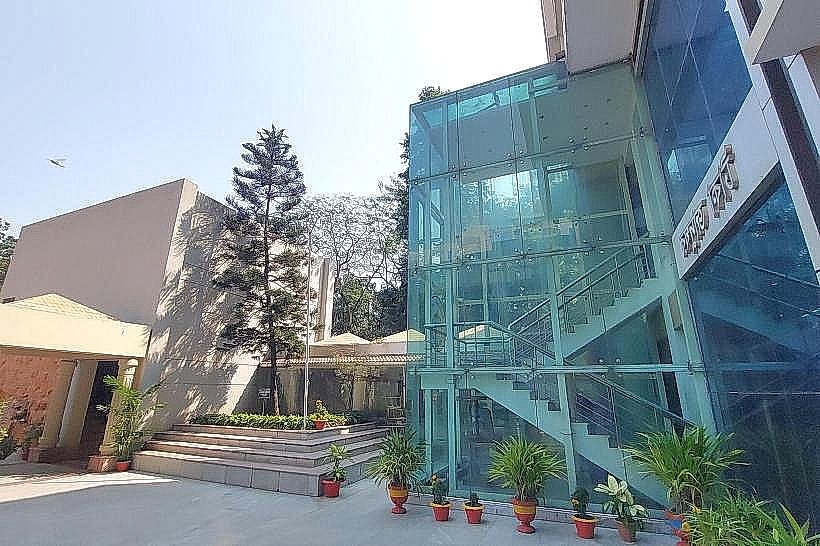
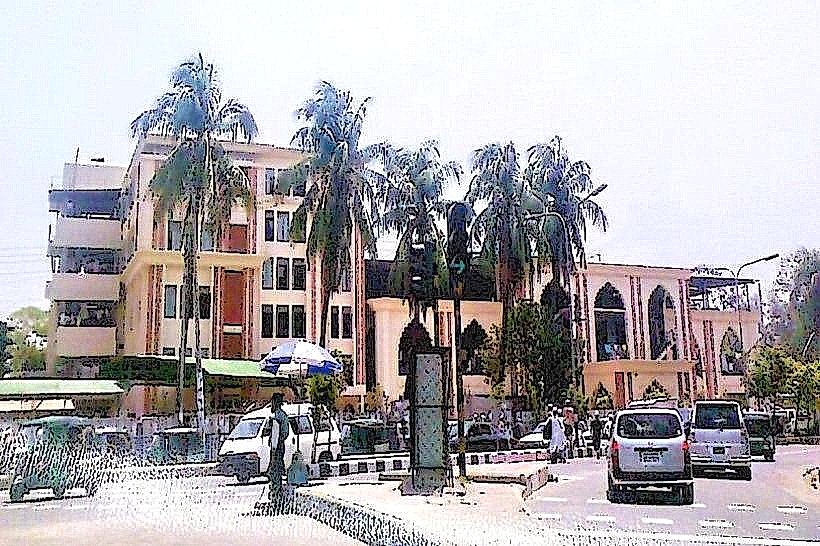
The museum is a multi-story concrete structure with a modernist architectural design. Its exterior is primarily white, with large rectangular windows and prominent vertical elements. The building's footprint is substantial, occupying a significant area within its grounds.
Location & Access Logistics
The museum is situated in Shahbag, Dhaka, approximately 3 kilometers south of the city center. Access is via Shahbag Avenue. Public transportation is readily available, with numerous bus routes serving the Shahbag intersection. Limited on-site parking is available for private vehicles, often filling quickly during peak hours.
Historical & Ecological Origin
The Bangladesh National Museum was established on March 20, 1970. Its original purpose was to collect, preserve, and exhibit artifacts and specimens related to the history, culture, and natural heritage of Bangladesh. The current building was inaugurated in 1983.
Key Highlights & Activities
Visitors can explore exhibits covering archaeology, ethnography, fine arts, and natural history. Specific galleries include displays on the Liberation War, ancient sculptures, traditional crafts, and the flora and fauna of Bangladesh. Photography is permitted in most public areas, but specific restrictions may apply to certain exhibits.
Infrastructure & Amenities
Restrooms are available on each floor. Limited seating is provided within exhibition halls. Shade is available in the immediate outdoor vicinity of the building. Cellular phone signal (4G/5G) is generally strong within the museum premises. Food vendors and cafes are located outside the museum complex in the surrounding Shahbag area.
Best Time to Visit
The museum is open daily except for Sundays and national holidays. The best time of day to visit for optimal lighting within the galleries is during daylight hours, typically between 10:00 AM and 4:00 PM. The months of October through March offer the most pleasant weather for travel to Dhaka.
Facts & Legends
A notable artifact within the museum is the Gandhara-period Buddhist sculpture of the "Dancing Girl," dating back to the 2nd century AD. The museum also holds a significant collection of over 60,000 items, though not all are on permanent display.
Nearby Landmarks
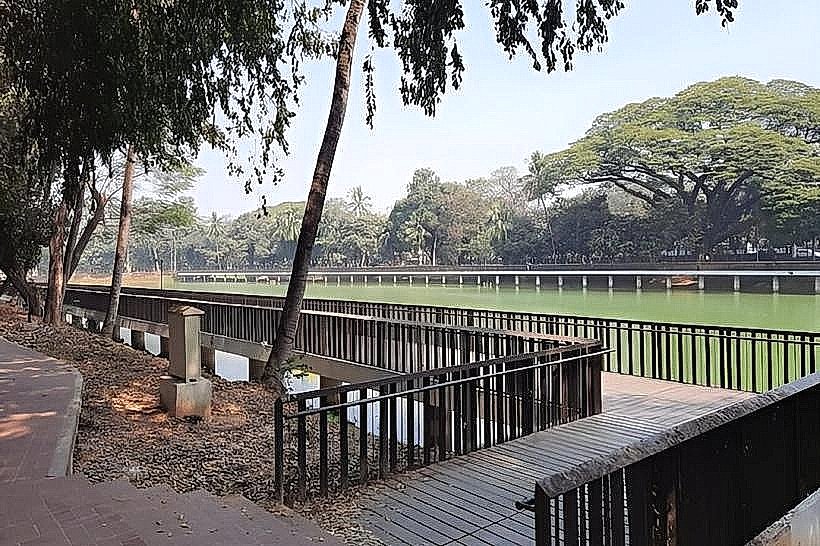
- Ramna Park (0.3km Northwest)
- Dhaka University (0.8km North)
- Banga Bhaban (Presidential Palace) (1.5km Southwest)
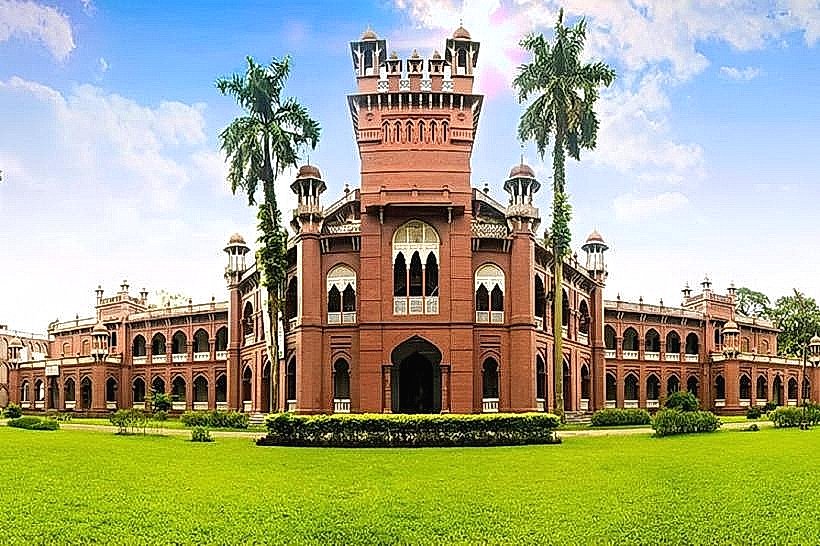
- Curzon Hall (University of Dhaka) (0.9km North)
- National Institute of Cardiovascular Diseases (0.4km West)