Information
Landmark: Shankhari BazarCity: Dhaka
Country: Bangladesh
Continent: Asia
Shankhari Bazar, Dhaka, Bangladesh, Asia
Shankhari Bazar is a historic street located in the Old Dhaka area of Dhaka, Bangladesh. It is recognized as a significant cultural and architectural heritage site within the city.
Visual Characteristics
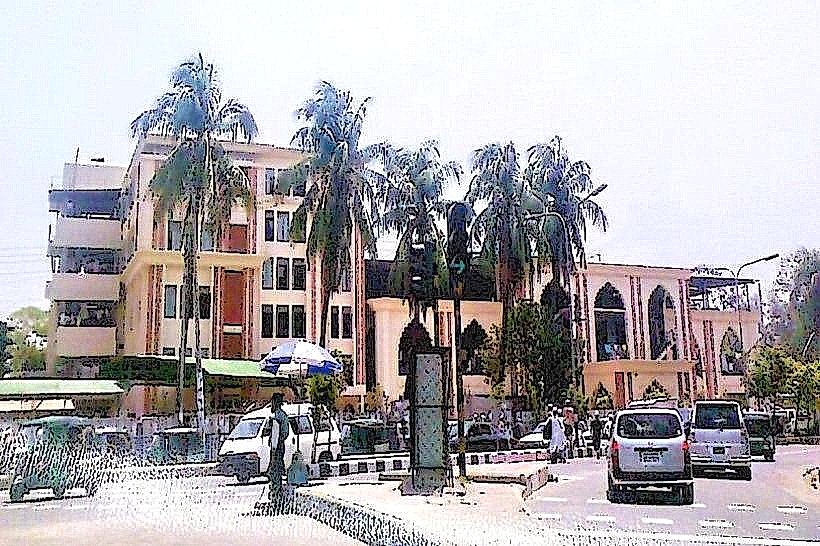
The street is characterized by its narrow width, lined with multi-story buildings constructed primarily from brick and wood. Many structures exhibit traditional Bengali architectural elements, including ornate balconies, carved wooden window frames, and tiled roofs. Building facades often display a range of colors, though many have weathered over time. The density of buildings creates a shaded environment along the street.
Location & Access Logistics
Shankhari Bazar is situated in the southern part of Old Dhaka, approximately 3 kilometers south of the Shahbag intersection. Access is typically via local roads such as Nawabpur Road and Sadarghat Road. Vehicle access directly onto Shankhari Bazar itself is restricted due to its narrowness and pedestrian traffic; parking is available at designated lots in the surrounding areas, such as near the Sadarghat ferry terminal, approximately 1 kilometer south. Public transport options include local buses serving the broader Old Dhaka area, with stops a short walk from the bazar. Rickshaws are a common mode of transport within the immediate vicinity.
Historical & Ecological Origin
Shankhari Bazar's origins date back to the Mughal era, with significant development occurring during the British colonial period. It was historically a center for the Shankhari community, who were artisans and jewelers. The architecture reflects the styles prevalent during these periods, adapted to local materials and climate. The area is not a natural formation but a man-made urban environment.
Key Highlights & Activities
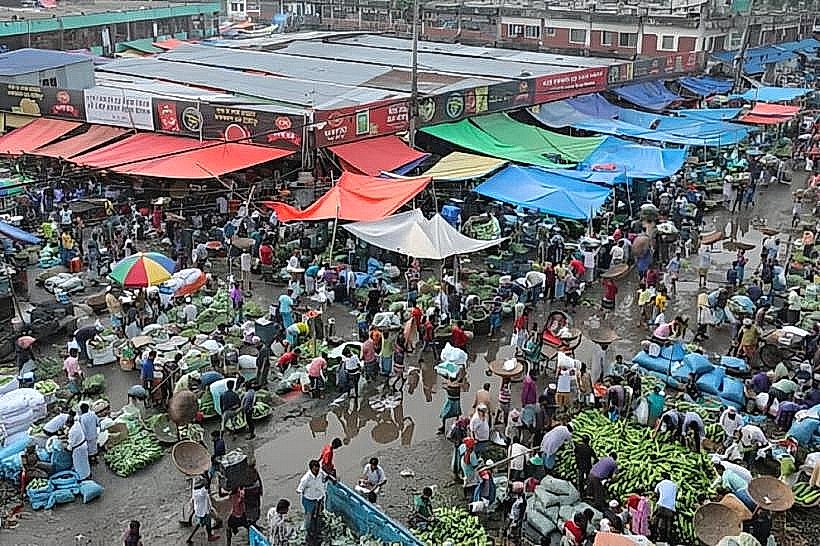
Visitors can observe traditional craftsmanship, particularly in jewelry making and the sale of religious items. The street is active with local commerce, offering opportunities to purchase textiles, handicrafts, and local food products. Walking tours focusing on the architectural heritage and cultural significance of the area are available. Photography of the street's architecture and daily life is a common activity.
Infrastructure & Amenities
Restrooms are generally not available within individual shops; public facilities may be located in the broader Old Dhaka area. Shade is provided by the overhanging buildings. Cell phone signal (4G/5G) is generally available. Food vendors and small eateries are present along the street and in adjacent alleys.
Best Time to Visit
The best time of day for photography, particularly to capture the street's character and architectural details, is during the morning hours (approximately 9:00 AM to 11:00 AM) when the light is softer and the street is active. The best months for visiting are generally from October to March, avoiding the peak heat and monsoon seasons. There are no tide-specific requirements for visiting this urban location.
Facts & Legends
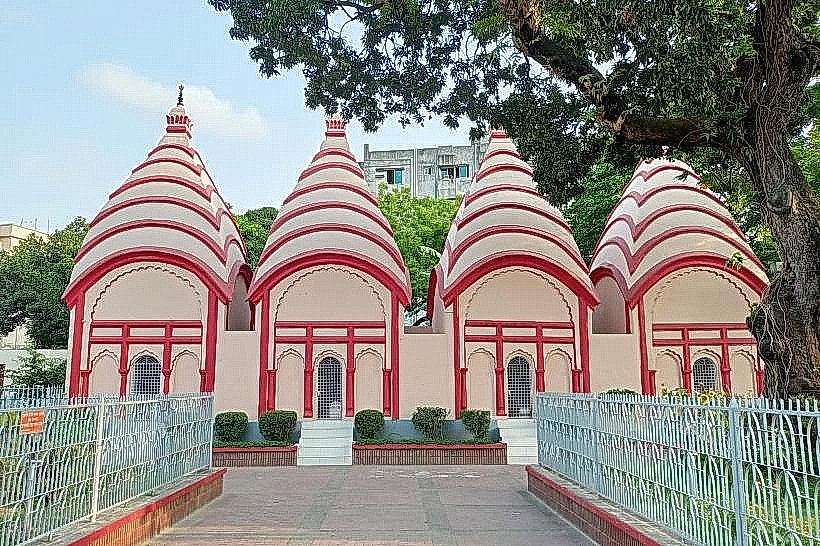
A notable historical aspect is the presence of numerous Hindu temples integrated within the street's architecture, such as the Dhakeshwari Temple (though slightly outside the immediate bazar) and smaller shrines within the bazar itself, reflecting its historical religious significance. A specific tip for visitors is to explore the smaller connecting alleys, which often reveal more intricate architectural details and quieter artisan workshops.
Nearby Landmarks
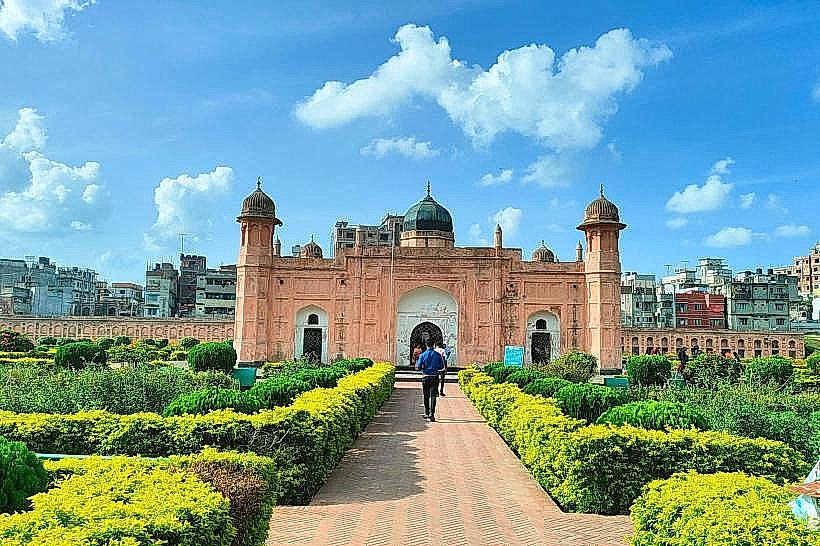
- Lalbagh Fort (1.5km West)
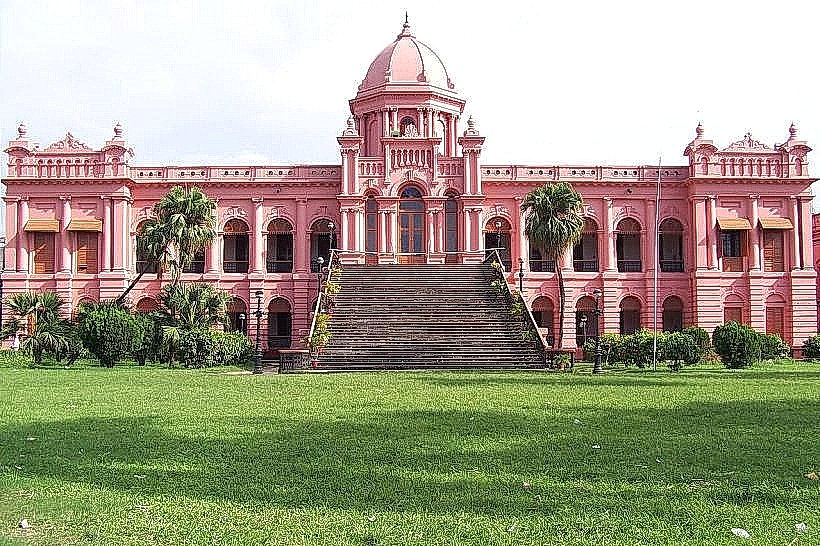
- Ahsan Manzil (Pink Palace) (1km South)
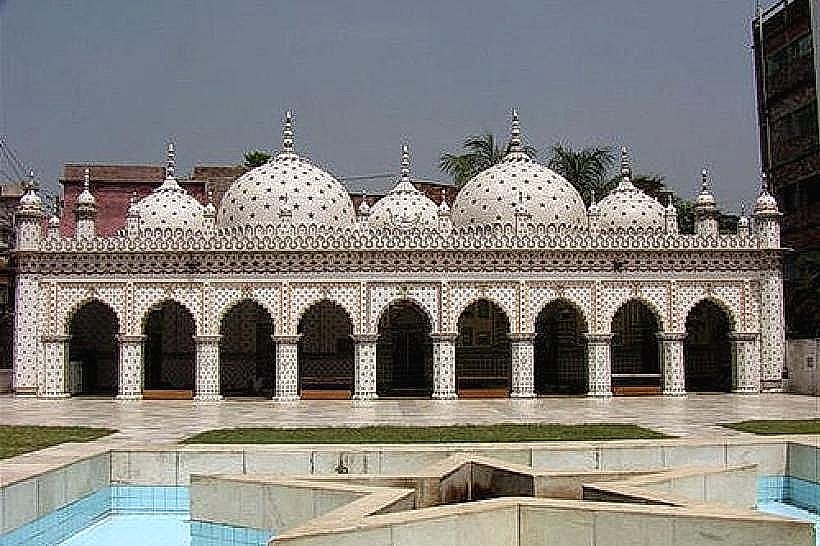
- Star Mosque (1.2km North-East)
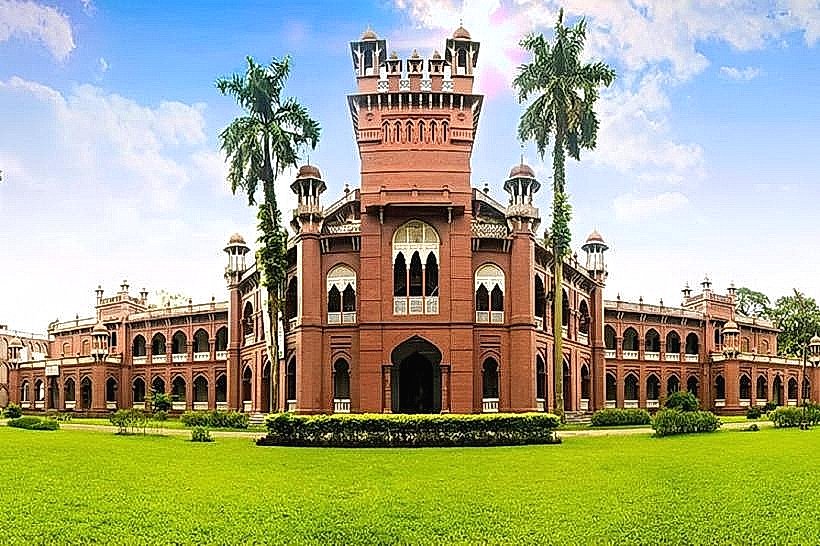
- Curzon Hall (University of Dhaka) (2.5km North)
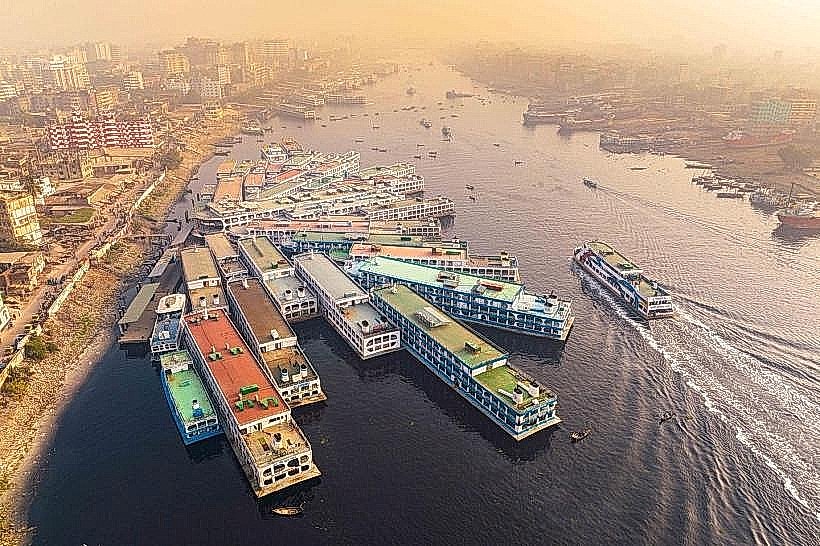
- Sadarghat River Port (1km South)