Information
Landmark: Baitul Mukarram National MosqueCity: Dhaka
Country: Bangladesh
Continent: Asia
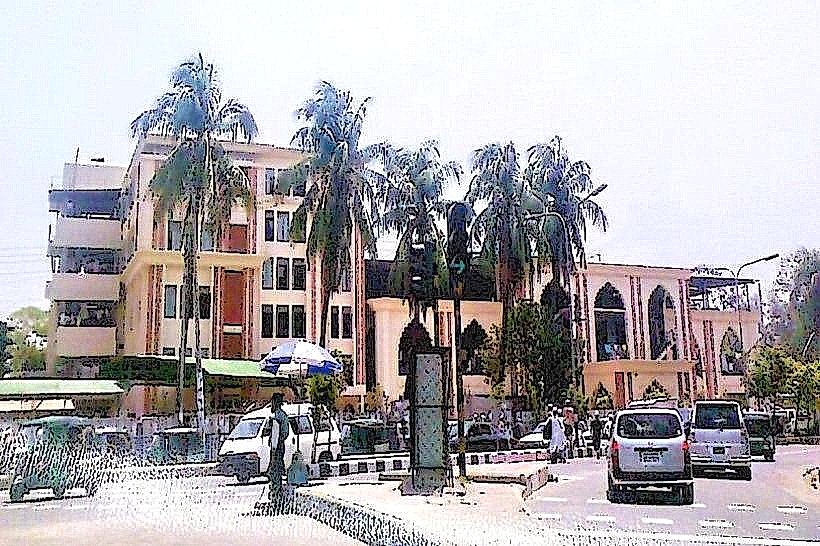
Baitul Mukarram National Mosque, Dhaka, Bangladesh, Asia
Baitul Mukarram National Mosque is the largest mosque in Bangladesh, located in the Motijheel commercial area of Dhaka.
It serves as the principal mosque of Bangladesh and is a significant religious and cultural center.
Visual Characteristics
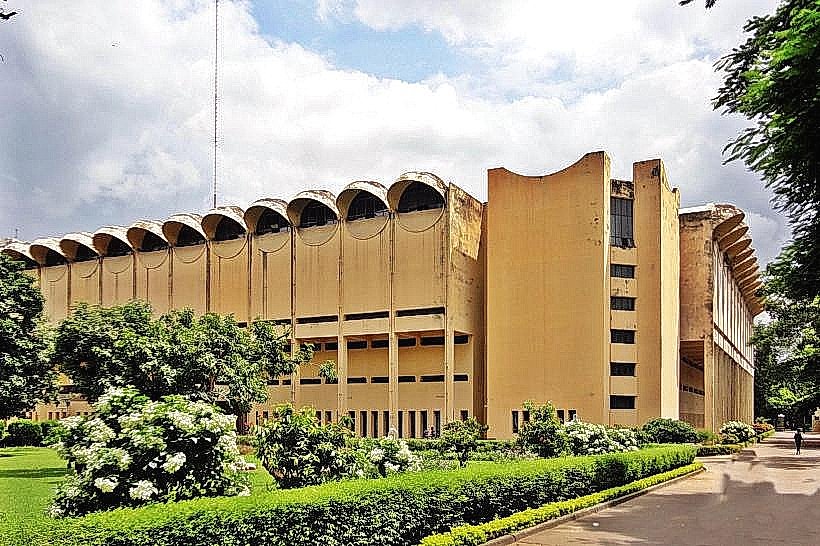
The mosque features a multi-storied, rectangular structure constructed primarily from reinforced concrete. Its exterior is characterized by a series of large, arched openings and a prominent central dome. The main prayer hall is octagonal, with a capacity for approximately 10,000 worshippers. The building is painted in a light cream color, with darker accents around the windows and entrances. The mosque complex also includes minarets and administrative buildings.
Location & Access Logistics
Baitul Mukarram National Mosque is situated at the intersection of Purana Paltan and Topkhana Road in Dhaka. It is approximately 2 kilometers east of the Shahbag intersection, a central point in the city. Access is via public roads; private vehicles can utilize designated parking areas within the mosque complex, though space can be limited during peak prayer times. Several city bus routes serve the Motijheel area, with stops within a 5-minute walk of the mosque. Rickshaws and taxis are also readily available.
Historical & Ecological Origin
Construction of Baitul Mukarram began in 1959 and was completed in phases, with significant additions and renovations occurring over the decades. The mosque was designed by architect Muzaffar Uddin Ahmed. Its original purpose was to serve as a national mosque capable of accommodating a large number of congregants and to be a center for Islamic learning and practice in the newly formed Pakistan (later Bangladesh).
Key Highlights & Activities
Daily prayers are held throughout the day. Friday congregational prayers (Jumu'ah) attract large gatherings. Special prayers are conducted during Eid al-Fitr and Eid al-Adha. The mosque complex houses Islamic libraries and bookshops. Educational lectures and religious sermons are frequently organized.
Infrastructure & Amenities
The mosque complex includes extensive restroom facilities and ablution areas. Shaded areas are available within the prayer halls and courtyards. Cell phone signal (4G/5G) is generally strong within the complex. Numerous food vendors and small eateries are located on the streets surrounding the mosque, particularly along Purana Paltan Road.
Best Time to Visit
For photography, early morning or late afternoon provides optimal natural light on the structure. The best months for visiting Dhaka, in general, are from October to March, offering cooler and drier weather. For prayer attendance, arriving 30-60 minutes before prayer times is advisable to secure a good spot, especially for Friday prayers.
Facts & Legends
Baitul Mukarram is often referred to as the "second Kaaba" by some local Muslims due to its significance as the national mosque and its large capacity. The mosque's design is intended to facilitate ventilation and natural light, reducing reliance on artificial systems.
Nearby Landmarks
- National Press Club (0.3km West)
- Dhaka University (1.5km North-West)
- National Museum (1.8km West)
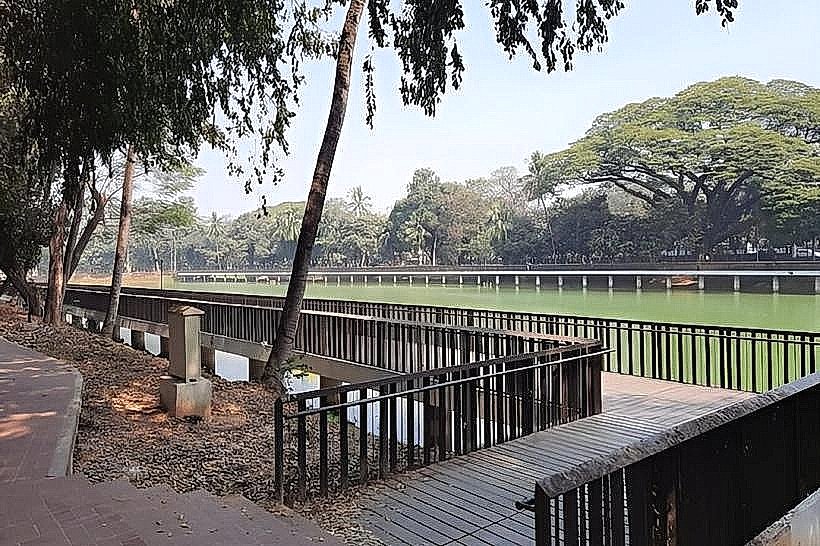
- Ramna Park (1.2km North-West)
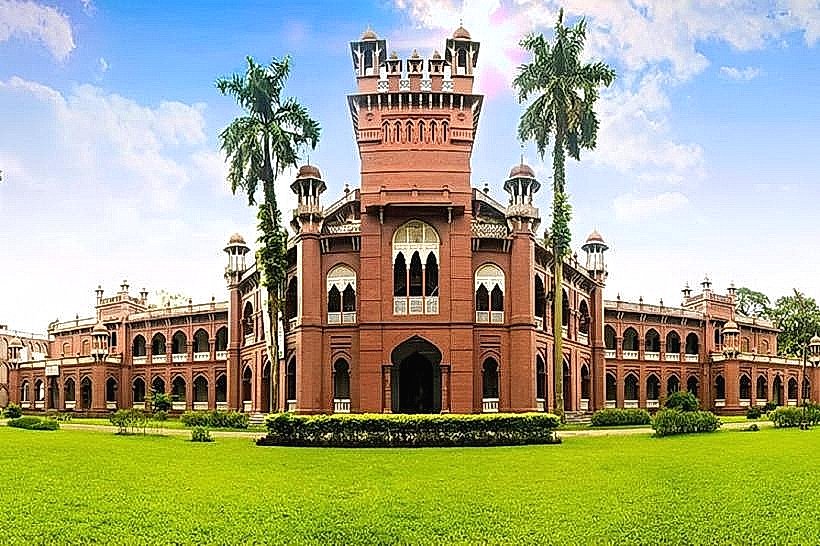
- Curzon Hall (1.7km North-West)