Information
Landmark: Hatirjheel LakefrontCity: Dhaka
Country: Bangladesh
Continent: Asia
Hatirjheel Lakefront, Dhaka, Bangladesh, Asia
Hatirjheel Lakefront is a large urban lake and recreational area situated in the heart of Dhaka, Bangladesh.
It functions as a significant water body and a public space for residents and visitors.
Visual Characteristics
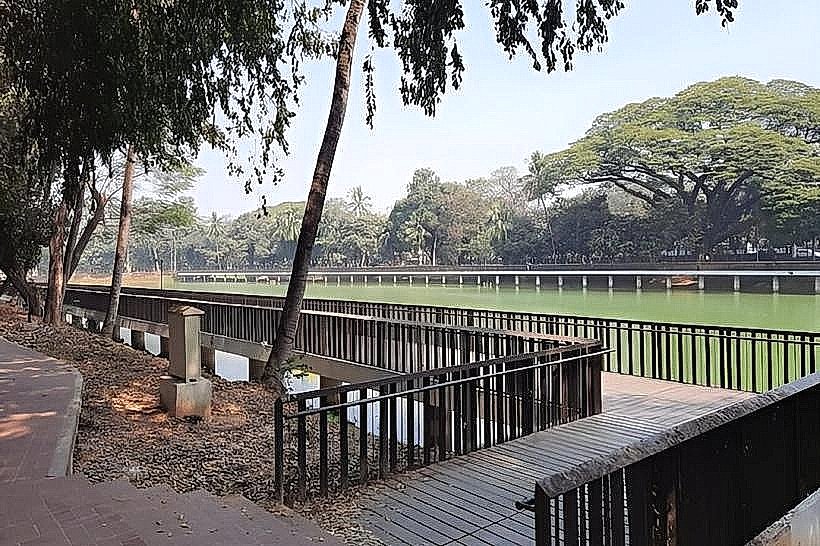
The lakefront features a central water body with an average depth of 3 meters. Its banks are lined with concrete embankments and walkways. Several bridges, including the FDC Bridge and the Police Plaza Overpass, span the water. The area is characterized by urban landscaping with planted trees and grass verges. Lighting installations are present along the walkways and bridges, illuminating the area at night.
Location & Access Logistics
Hatirjheel is located centrally within Dhaka, accessible from major thoroughfares such as Tejgaon Industrial Area Road and Gulshan Avenue. It is approximately 5 kilometers west of the Motijheel commercial area. Parking is available at designated points around the lakefront, including multi-story parking facilities. Public transport options include local buses serving routes that pass by the lake, and rickshaws are readily available for shorter distances. Water taxis operate on the lake, providing an alternative mode of transport between designated jetties.
Historical & Ecological Origin
The Hatirjheel area was historically a low-lying wetland and a natural drainage basin for the city. Significant redevelopment and beautification projects were undertaken starting in the early 2000s to transform it into a modern urban recreational zone. The project aimed to improve drainage, reduce waterlogging, and create a public space. The ecological origin is that of a natural depression that collected rainwater and runoff.
Key Highlights & Activities
Boat rides are available on the lake, offering views of the city skyline from the water. Walking and cycling along the designated pathways are common activities. Open-air seating areas and food stalls are present. Photography of the illuminated bridges and water features is popular in the evening.
Infrastructure & Amenities
Restrooms are located at various points around the lakefront. Shade is provided by trees and some covered seating areas. Cell phone signal (4G) is generally available throughout the area. Food vendors and small restaurants are situated along the perimeter and on floating platforms.
Best Time to Visit
The best time of day for photography is during the evening, from sunset to approximately 9 PM, when the lighting installations are active. The most comfortable months for visiting are generally from October to March, avoiding the peak heat and monsoon seasons. There are no specific tide requirements as it is an urban lake.
Facts & Legends
A local legend suggests that the name "Hatirjheel" originates from the historical practice of elephants being bathed in the area during the Mughal era. A verified fact is that the lake serves as a crucial component of Dhaka's urban drainage system, helping to mitigate flooding in surrounding neighborhoods.
Nearby Landmarks
- Banga Bhaban (Presidential Palace) - 2.5km Southwest
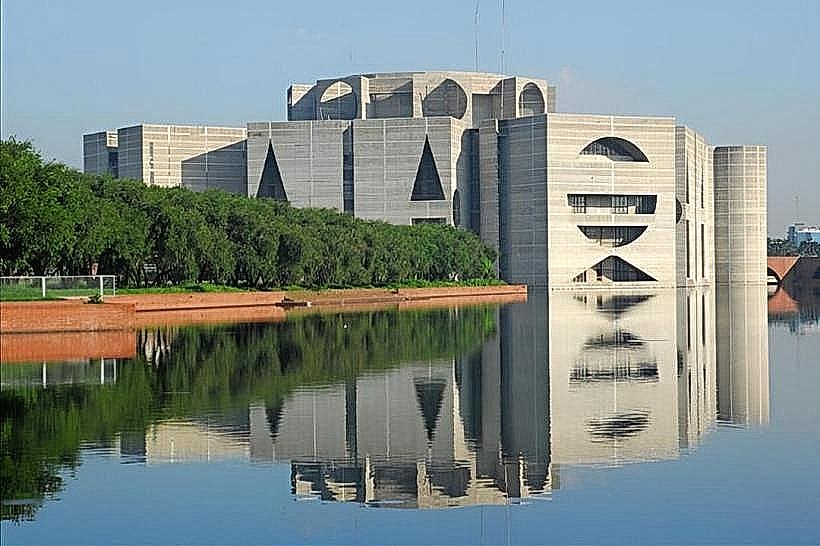
- National Parliament House - 4.0km West
- Bangladesh National Museum - 3.0km Southwest
- Ramna Park - 2.0km Southwest
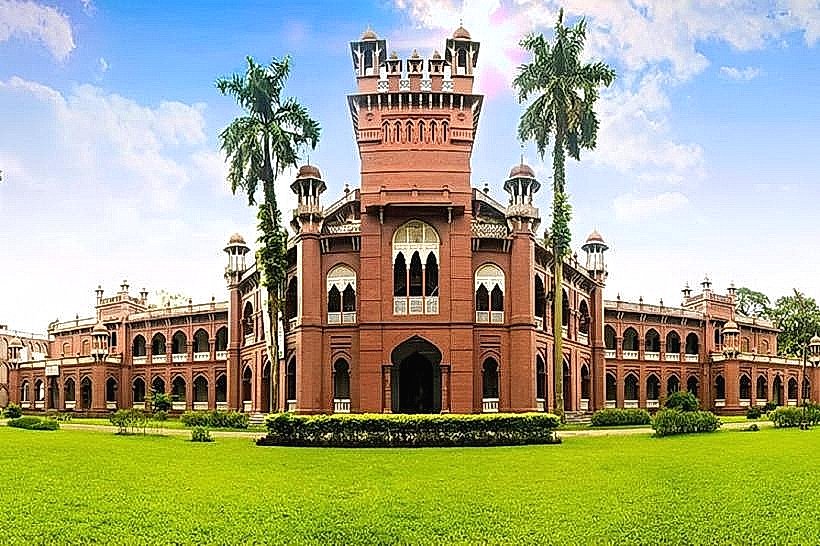
- Curzon Hall (University of Dhaka) - 3.5km Southwest