Information
City: KhulnaCountry: Bangladesh
Continent: Asia
Khulna, Bangladesh, Asia
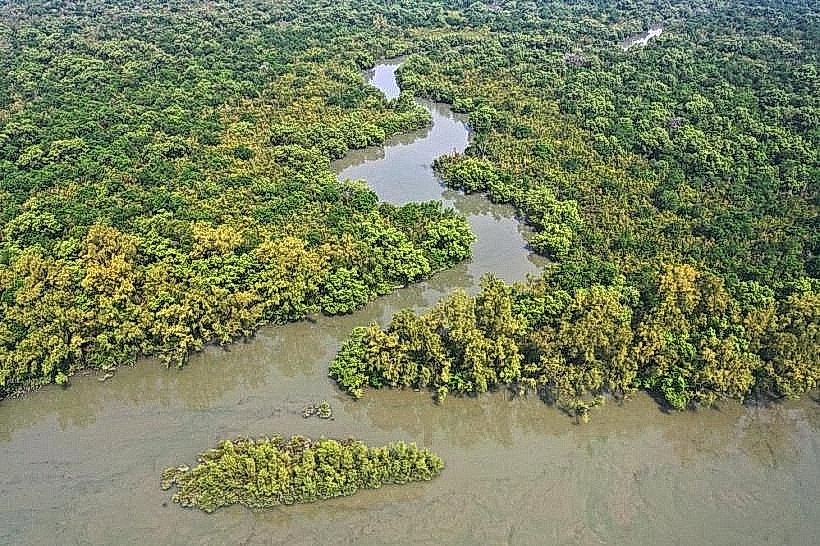
Khulna serves as the third-largest city in Bangladesh and the principal gateway to the Sundarbans, the world’s largest mangrove forest. It is situated on the banks of the Rupsha and Bhairab Rivers in the southwestern region, approximately 230 kilometers from Dhaka.
Historical Timeline
Khulna’s development was driven by its location as a river port. It became an administrative district under the British in 1882. During the 20th century, it transformed into the "Industrial City" of Bangladesh due to its concentration of jute and paper mills. The primary event shaping its current urban form was the completion of the Padma Bridge in 2022, which radically reduced travel time to Dhaka and initiated a major commercial and real estate boom in the city’s eastern periphery.
Demographics & Population
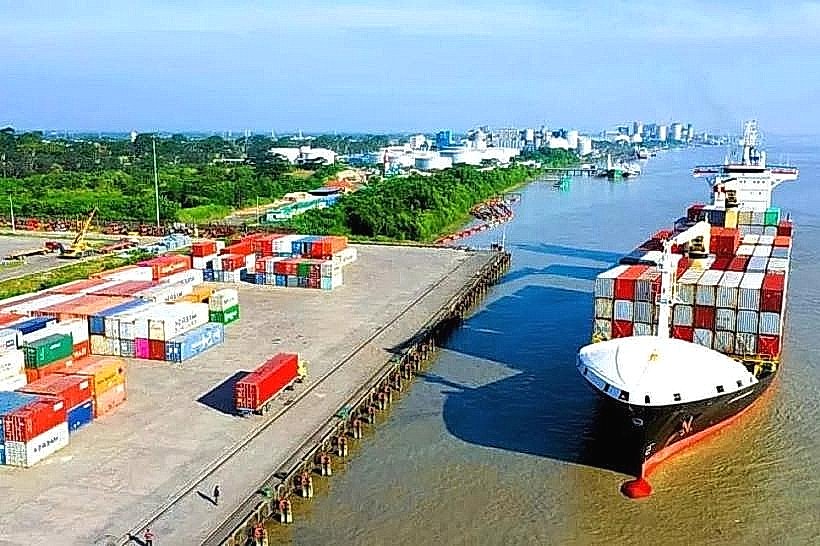
As of 2026, the metropolitan population is approximately 1.6 million. The city is predominantly Bengali Muslim, with a significant Hindu minority (the highest percentage among Bangladesh's major cities at approximately 20%). The local economy is driven by maritime trade (via Mongla Port), shrimp farming, and jute processing.
Urban Layout & Key Districts
Dak Banglow / Moila Pota: The central commercial hubs featuring major markets, banks, and electronics centers.
Khalishpur: Historically the industrial heart of the city, dominated by jute mills and laborer housing.
Boyra: An educational and administrative district housing government offices and medical colleges.
Sonadanga: A modern residential and transit hub, home to the city’s primary bus terminal.
Rupsha: The riverside district focused on fishing, ferry crossings, and the Rupsha Bridge.
Top City Landmarks
Bhairab Riverfront: The city's primary social space for evening walks and boat trips.
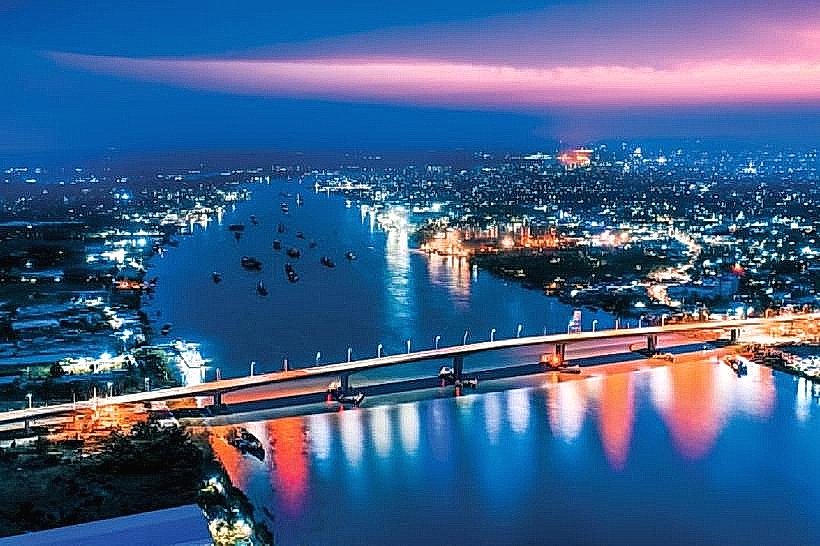
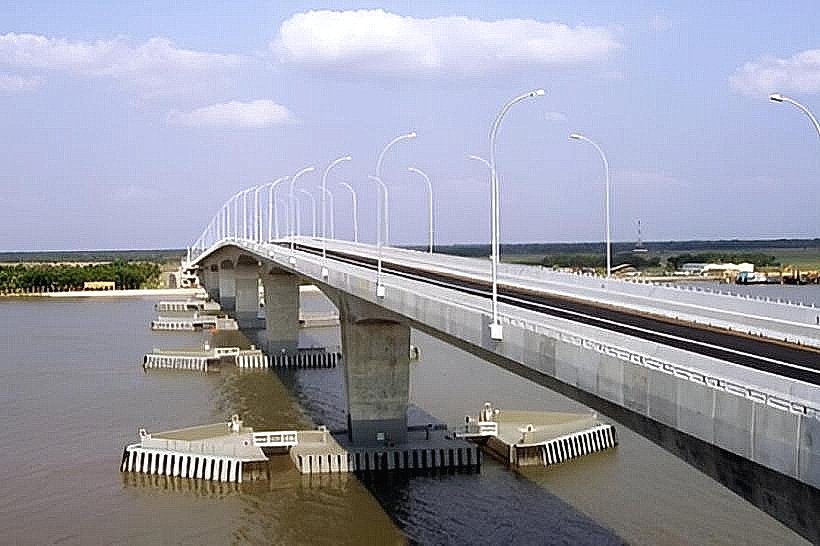
Khan Jahan Ali (Rupsha) Bridge: An iconic cable-stayed bridge offering panoramic views of the river.
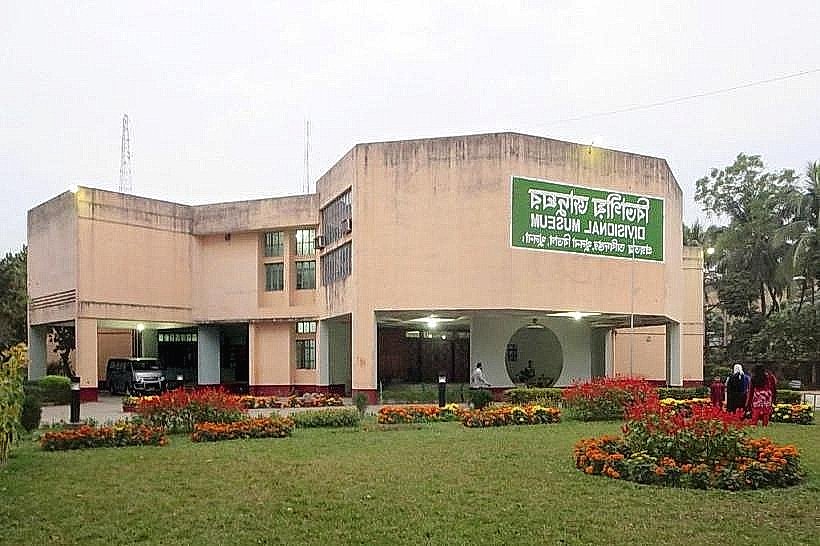
Khulna Divisional Museum: Showcasing archaeological artifacts from the southern region.
Mozaffar Garden & Resort: A large private eco-park on the outskirts.
The Shipyards: Industrial sites along the river where large vessels are constructed and repaired.
Transportation Network
Movement is conducted via Easy-bikes (electric three-wheelers), CNGs, and cycle rickshaws. Khulna is a major rail terminus connecting the south to Dhaka and Rajshahi. Mongla Port (50 km south) serves as the city’s maritime lung. Traffic is moderate compared to Dhaka but has increased significantly since the opening of the Padma Bridge. The Rupsha and Bhairab rivers facilitate extensive passenger and cargo ferry traffic.
Safety & "Red Zones"
The safety level is generally high for foreigners. As of January 2026, visitors should monitor local news regarding the February 12 national elections; avoid rallies at Hadis Park or near the Sonadanga Bus Terminal. The Sundarbans area requires authorized guides and forest department permits; do not venture into the mangroves independently due to risks from Royal Bengal Tigers and high-tide surges. Standard urban caution against pickpocketing applies in busy markets like Dak Banglow.
Digital & Financial Infrastructure
Average internet speed is 30–70 Mbps; 5G is available in the central commercial district and around Khulna University. The city is a major hub for the shrimp export industry, ensuring high card acceptance in corporate offices and upscale hotels (e.g., City Inn, Castle Salam). However, cash (BDT) is mandatory for river transit and local markets.
Climate & Air Quality
Tropical savanna climate. Khulna is highly vulnerable to cyclones from the Bay of Bengal, particularly in May and October. In January 2026, the weather is mild and dry. Air quality is generally Moderate (AQI 100–150), significantly cleaner than Dhaka due to river breezes and less vehicular density.
Culture & Social Norms
The city is known for its "Cui Jhal" (a spicy meat dish cooked with a special pepper vine). Socially, it is conservative; modest dress is expected. Khulna has a distinct maritime culture influenced by the proximity to the Sundarbans. Tipping is not mandatory but 5–10% is standard in restaurants.
Local Cost Index
1 Espresso: 180 BDT ($1.50)
1 Standard Lunch (Cui Jhal Beef): 350 BDT ($2.95)
1 Easy-bike Trip (Short): 20 BDT ($0.17)
1 Liter of Petrol: 130 BDT ($1.10)
Nearby Day Trips
The Sundarbans: The primary draw; multi-day boat tours depart from Khulna or Mongla.
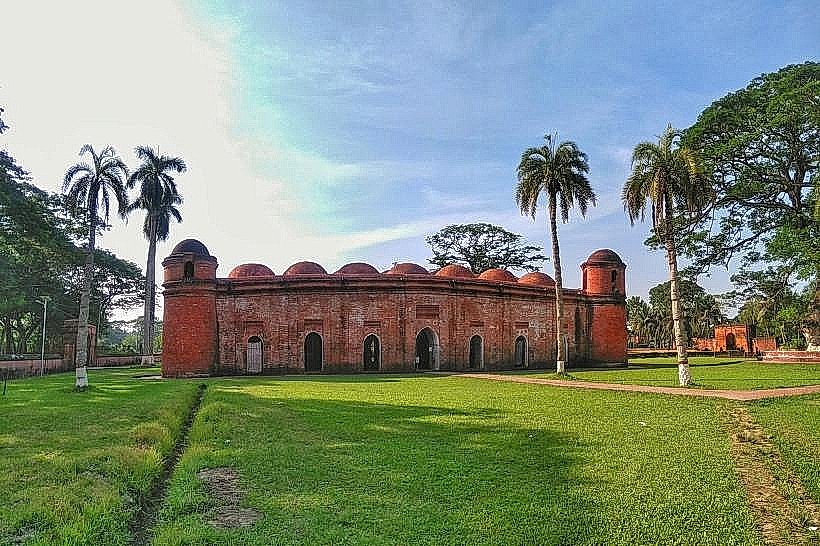
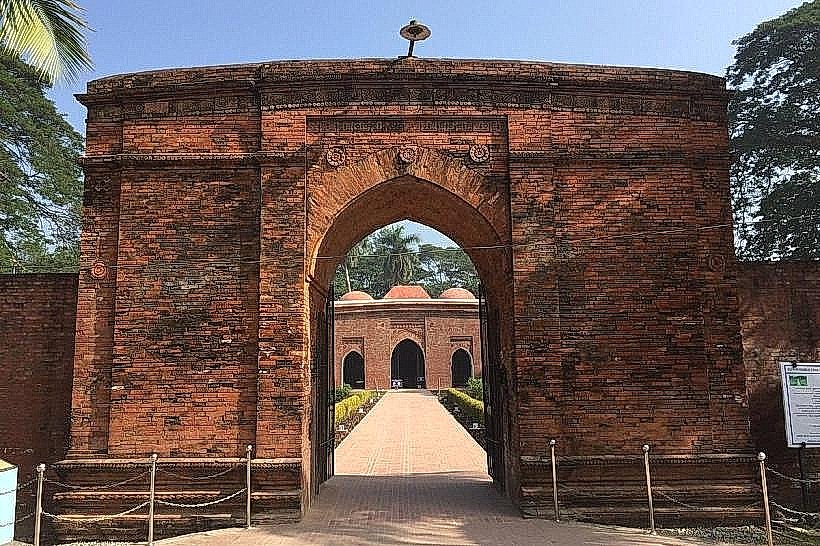
Bagerhat (Sixty Dome Mosque): A UNESCO World Heritage site featuring 15th-century Islamic architecture (35 km east).
Mongla: A busy port town and gateway to the mangroves (50 km south).
Facts & Legends
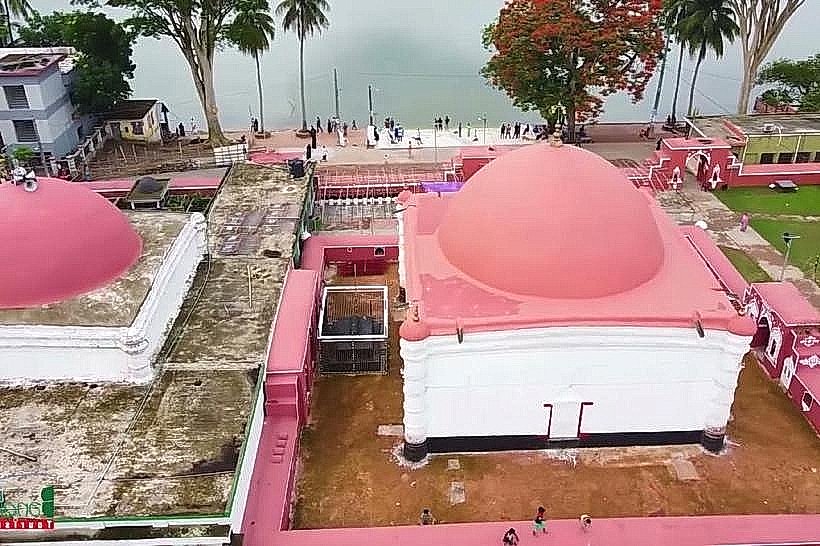
Khulna is often called the "Shrimp Capital" of Bangladesh as it produces over 80% of the country's exported frozen fish. A local legend in the nearby Bagerhat district concerns the saint Khan Jahan Ali, who is said to have commanded crocodiles in his private tank to help build the city's ancient mosques; descendants of these crocodiles are still kept in a pond at his mazar (shrine).