Information
Landmark: Rupsha BridgeCity: Khulna
Country: Bangladesh
Continent: Asia
Rupsha Bridge, Khulna, Bangladesh, Asia
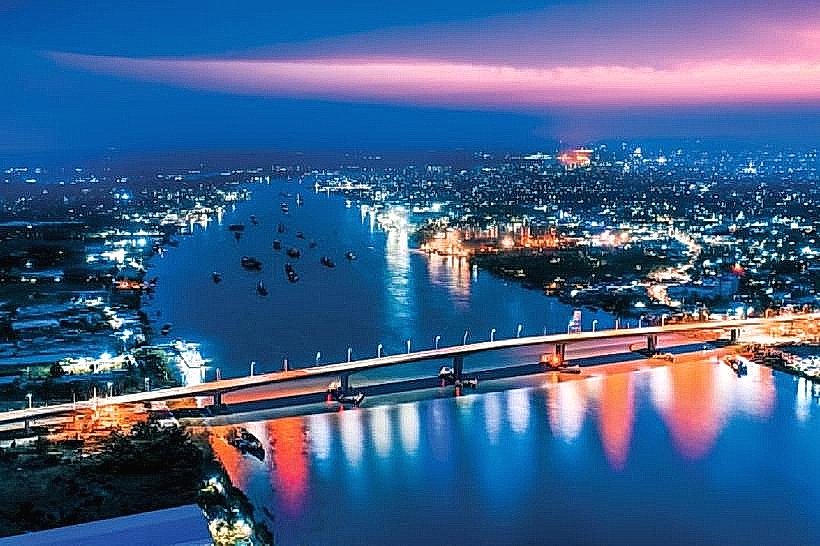
The Rupsha Bridge is a road bridge spanning the Rupsha River in Khulna, Bangladesh. It connects the city of Khulna with the southwestern districts of the country.
Visual Characteristics
The bridge is a steel truss bridge with a total length of 1,150 meters (3,770 ft). It features two main spans supported by concrete piers. The deck is asphalt-paved and accommodates vehicular traffic and pedestrian walkways. The color of the steel structure is a utilitarian grey.
Location & Access Logistics
The Rupsha Bridge is located approximately 10 kilometers (6.2 miles) south of the Khulna city center. Access is via National Highway 1 (N1), also known as the Jessore-Khulna Highway. Ample parking is available on both sides of the bridge at designated areas. Public transport, including local buses and auto-rickshaws, frequently cross the bridge, originating from Khulna's main bus terminals.
Historical & Ecological Origin
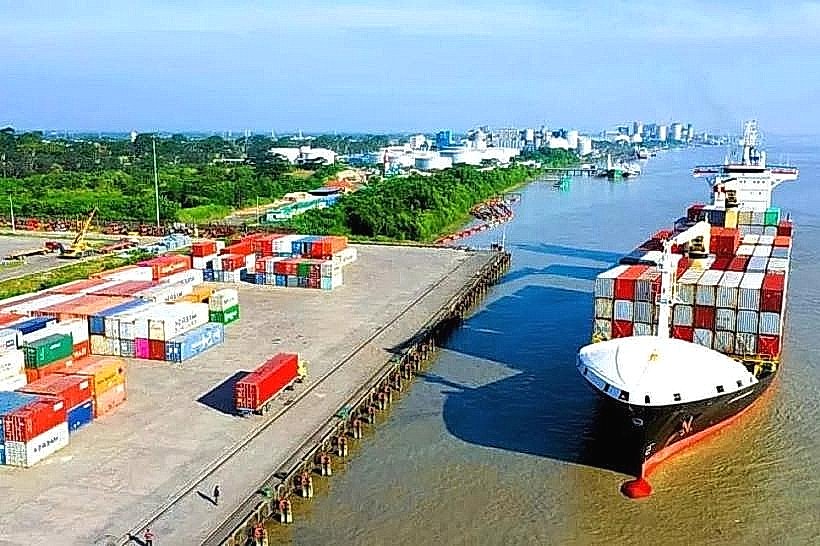
Construction of the Rupsha Bridge began in 1999 and was completed in 2004. It was built with financial assistance from the Japanese International Cooperation Agency (JICA). The bridge was constructed to improve transportation and trade links in the southwestern region of Bangladesh, facilitating access to the port city of Mongla.
Key Highlights & Activities
Observation of the river traffic below is possible from the pedestrian walkways. Photography of the bridge structure and the Rupsha River is a common activity. The bridge serves as a critical transportation artery, allowing for the movement of goods and people.
Infrastructure & Amenities
Pedestrian walkways are present on both sides of the bridge. There are no dedicated restroom facilities or food vendors directly on the bridge itself. Cell phone signal (4G) is generally available across the bridge.
Best Time to Visit
For photography, the early morning and late afternoon offer diffused light. The dry season, from November to March, provides the most stable weather conditions. There are no tidal considerations for accessing or viewing the bridge.
Facts & Legends
The Rupsha Bridge is one of the longest bridges in Bangladesh and a significant piece of infrastructure for regional connectivity. A local anecdote suggests that the bridge's construction was a major factor in the economic revitalization of the areas it connects.
Nearby Landmarks
- Khulna University (2.5km Northwest)
- Khan Jahan Ali Airport (15km Southwest)
- Sundarbans Gateway (approx. 50km South)
- Mongla Port (approx. 45km South)