Information
Landmark: Dolphin Watching in PankhaliCity: Khulna
Country: Bangladesh
Continent: Asia
Dolphin Watching in Pankhali, Khulna, Bangladesh, Asia
Dolphin watching in Pankhali, located within the Sundarbans region near Khulna, Bangladesh, offers opportunities to observe marine mammals in their natural habitat.
Visual Characteristics
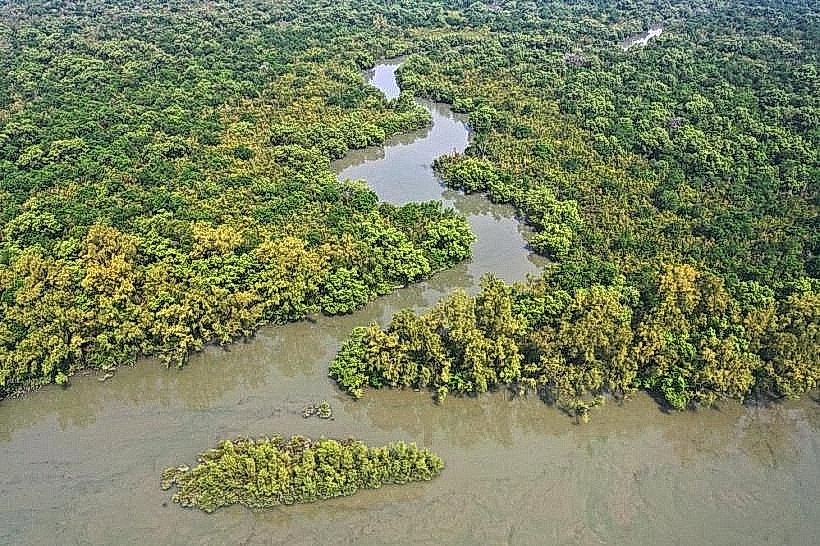
The waters of Pankhali are typically brackish, influenced by the confluence of rivers and the Bay of Bengal. The surrounding environment consists of mangrove forests, characterized by dense vegetation and a network of tidal waterways. Water color can vary from muddy brown to a clearer greenish hue depending on tidal flow and sediment levels. The dolphins observed are primarily Irrawaddy dolphins and Ganges river dolphins, distinguished by their rounded heads and lack of a prominent beak.
Location & Access Logistics
Pankhali is accessible from Khulna city. The primary access point is via boat from the Khulna Launch Terminal. Travel time by boat to the dolphin watching areas can range from 2 to 4 hours, depending on the specific location and vessel speed. Local tour operators in Khulna arrange boat trips. There is no direct road access to Pankhali; all access is via waterways. Parking is available at the Khulna Launch Terminal.
Historical & Ecological Origin
The Sundarbans, including the waters around Pankhali, are the world's largest mangrove forest, formed by the deposition of sediments from three major rivers: the Ganges, Brahmaputra, and Meghna. This ecosystem is a UNESCO World Heritage Site. The dolphins, particularly the Ganges river dolphin, are a freshwater species that has adapted to the brackish environment of the Sundarbans. The Irrawaddy dolphin is also found in this region.
Key Highlights & Activities
The primary activity is observing dolphins from a boat. Tours often involve navigating through the narrow channels of the Sundarbans. Visitors can also observe the mangrove ecosystem and its associated flora and fauna. Birdwatching is a secondary activity. Boat trips are typically conducted during daylight hours.
Infrastructure & Amenities
Basic amenities are limited in the immediate dolphin watching areas. Some tour boats may offer simple seating and shade. Restrooms are generally not available on smaller boats or in remote areas; facilities are typically found at the launch terminal in Khulna. Cell phone signal can be intermittent or absent within the deeper parts of the Sundarbans. Food vendors are not present in the dolphin watching zones; visitors should arrange for food and water in advance or through their tour operator.
Best Time to Visit
The best months for dolphin watching are generally from October to March, during the dry season, when the weather is more stable and visibility is often better. The best time of day for observation is typically early morning or late afternoon, when dolphins are more active. Tidal conditions can influence dolphin presence; consult with local guides for optimal timing related to tides.
Facts & Legends
The Ganges river dolphin is one of the world's few freshwater dolphins and is an indicator species for the health of the riverine ecosystem. A local belief suggests that the dolphins are benevolent spirits of the river, guiding lost fishermen home. The dolphins navigate using echolocation, emitting clicks and listening to the returning echoes.
Nearby Landmarks
- Sundarbans National Park (0.5km East)
- Hiron Point (15km South)
- Katka Beach (20km South)
- Dublar Char Island (25km South)