Information
City: PabnaCountry: Bangladesh
Continent: Asia
Pabna, Bangladesh, Asia
Pabna serves as the industrial and healthcare hub of west-central Bangladesh, located on the north bank of the Padma River. It is historically significant as a center for the Indigo Revolt and is synonymous in Bangladesh with its specialized medical institutions and the "Square" industrial legacy.
Historical Timeline
Pabna’s history is rooted in the ancient Pundravardhana civilization. It became a formal district in 1832 under British rule. The region was a major theater for the Indigo Revolt (1859–1861) and later the Yusufshahi agrarian league resistance against feudal landlords in 1873. Its modern economic identity was transformed in the mid-20th century by the founding of Square Pharmaceuticals, which began as a small partnership in Pabna and grew into the nation's largest drug manufacturer.
Demographics & Population
As of 2026, the Pabna city population is approximately 182,000, while the greater district population exceeds 2.9 million. The city has a literacy rate of roughly 73%, significantly higher than the national average. It is predominantly Muslim (95%), with a notable Hindu minority (5%) that maintains deep ties to the city’s ancient temples.
Urban Layout & Key Districts
Shalgaria: The central commercial zone and home to the headquarters of the Square Group.
Hemayetpur: Located 8 km from the center, this district is the healthcare hub, housing the historic mental hospital and the Anukul Chandra Satsang Ashram.
Abdul Hamid Road: The primary artery for retail, banking, and administration.
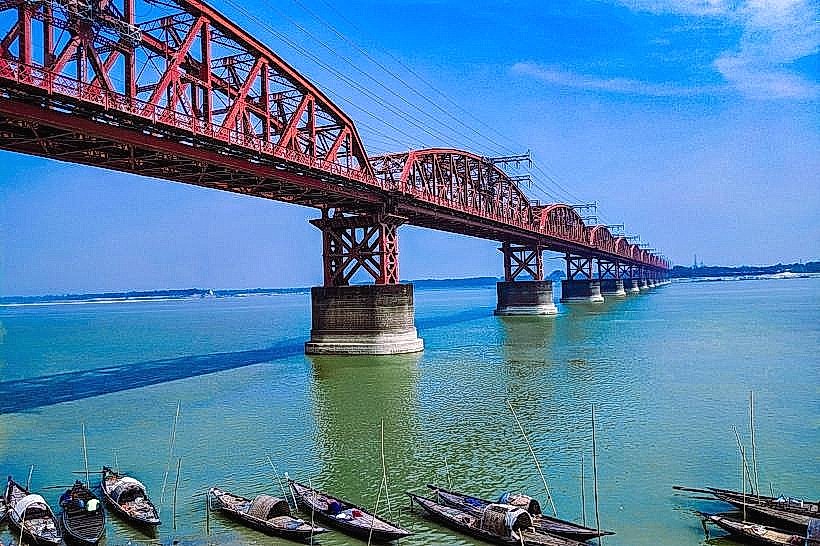
Paksey: An industrial township to the west, home to the North Bengal Sugar Mill and the iconic Hardinge Bridge.
Top City Landmarks
Pabna Mental Hospital: Established in 1957, it is the largest and oldest specialized psychiatric hospital in Bangladesh.
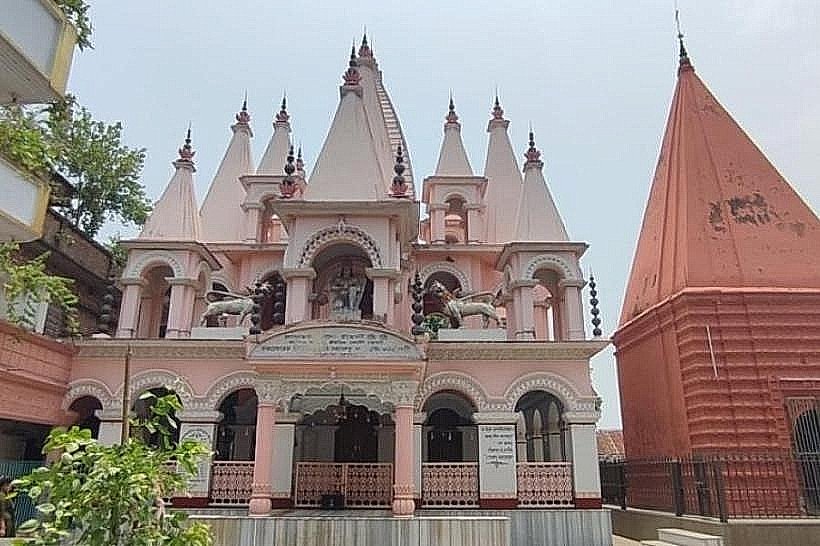
Jor Bangla Temple: An 18th-century "twin-hut" style Hindu temple, regarded as the finest surviving example of its architectural type in the country.
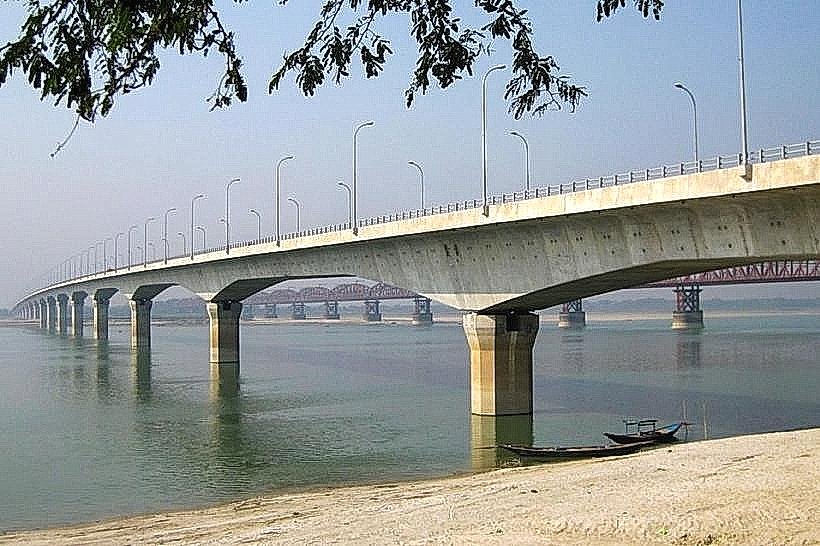
Hardinge Bridge: A massive colonial-era steel railway bridge (built 1915) spanning the Padma River.
Lalon Shah Bridge: A modern road bridge adjacent to Hardinge Bridge, connecting the north to the south-western divisions.
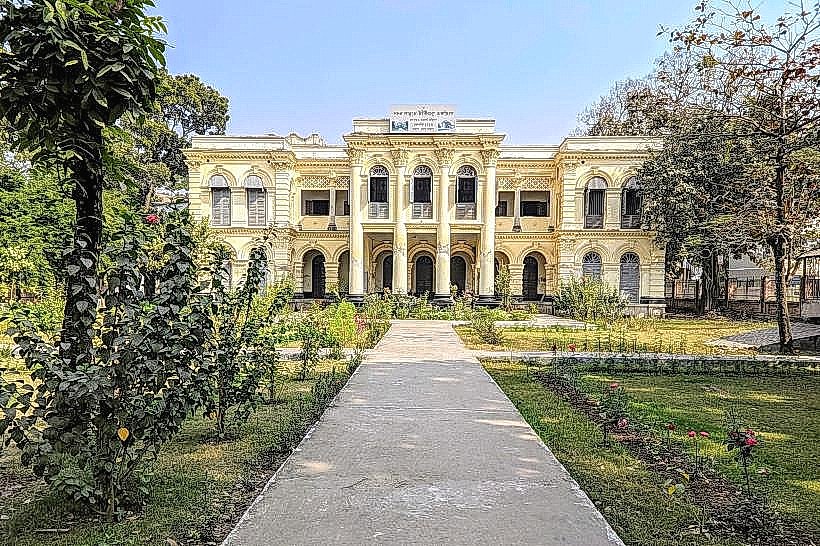
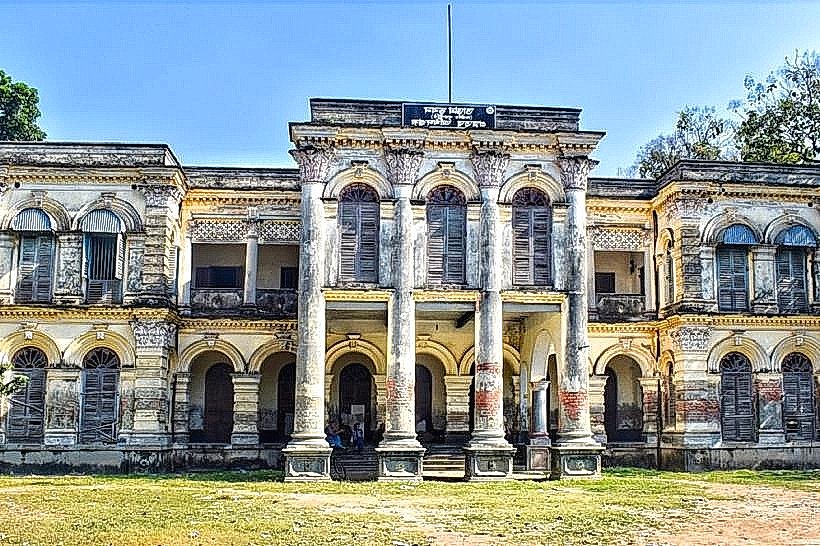
Tarash Rajbari: A 19th-century palace featuring Renaissance and neoclassical architectural forms.
Suchitra Sen’s Ancestral Home: The childhood residence of the legendary Indian film actress, now a preserved cultural site.
Transportation Network
Pabna is a vital transit node connecting the Rajshahi Division with the rest of the country.
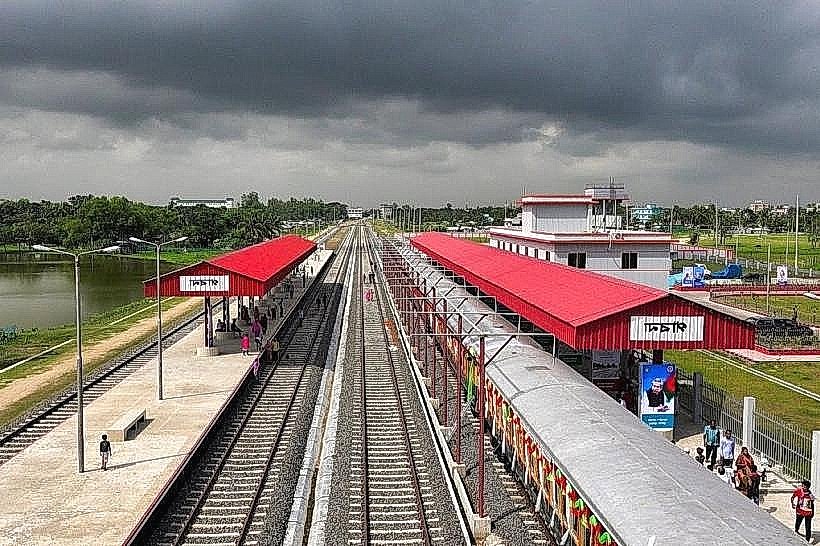
Rail: Pabna Railway Station (opened 2018) connects the city to the national grid.
Road: The Lalon Shah Bridge and Bangabandhu Bridge provide primary road links to Dhaka (approx. 5 hours) and Khulna.
Air: The city relies on Ishwardi Airport (IRD) for domestic logistics, though passenger commercial flights are currently limited; the nearest active major airport is Shah Makhdum (RJH) in Rajshahi (90 km).
Local: Movement is conducted via Easy-bikes, CNGs, and cycle rickshaws.
Safety & "Red Zones"
The safety level is generally high. As of January 2026, visitors should monitor local news regarding the February 12 national elections; avoid political gatherings at Indira Junction or the Town Hall. There are no "red zones," but exercise standard urban vigilance at the Pabna Central Bus Terminal at night.
Digital & Financial Infrastructure
Average internet speed is 40–80 Mbps, with 5G available in Shalgaria and the university areas. The city is the birthplace of Square Pharmaceuticals, ensuring a high concentration of corporate banking and ATM infrastructure. While cards are accepted in major hotels and pharmacies, the local economy remains largely cash-based (BDT).
Climate & Air Quality
Humid subtropical climate. In January 2026, the weather is mild and dry (13°C–26°C). Air quality is often Unhealthy (AQI 160–180) during the winter months due to regional dust and emissions from the local industrial belt, particularly the hosiery and textile mills.
Culture & Social Norms
Pabna is famous for its hosiery industry and handloom sarees. Socially, it is a mix of academic openness (home to Pabna University of Science & Technology) and traditional values. Modest dress is standard. Tipping (5–10%) is common in restaurants like those found in the Ratnodweep Resort.
Local Cost Index
1 Espresso: 140 BDT ($1.18)
1 Standard Lunch: 280 BDT ($2.35)
1 Short Easy-bike Trip: 20 BDT ($0.17)
1 Liter of Petrol: 130 BDT ($1.10)
Nearby Day Trips
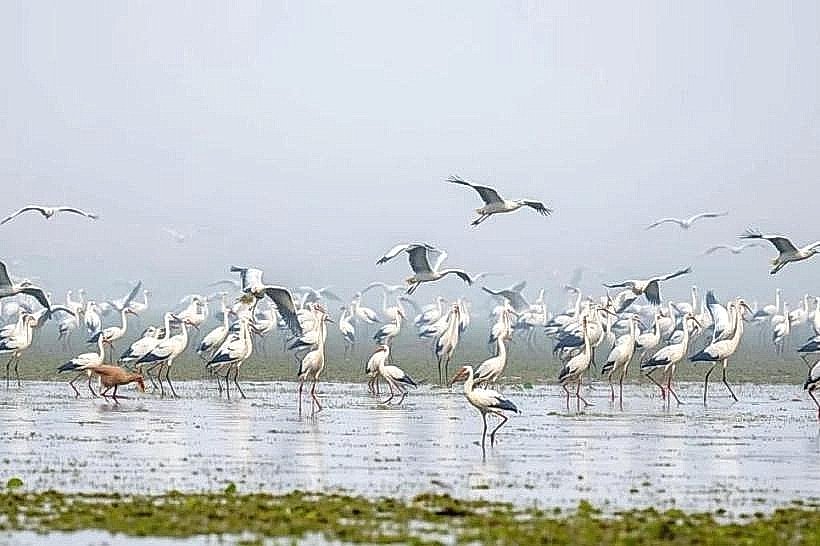
Chalan Beel: One of the largest wetlands in Bangladesh, offering vast water vistas during the monsoon (30 km north).
Jagannath Temple (Handiyal): A 15th-century terracotta temple (approx. 40 km from the city).
Ruppur Nuclear Power Plant: Bangladesh's first nuclear power station, visible from the Ishwardi-Paksey area.
Facts & Legends
Pabna is the only city in Bangladesh with a hospital so famous that its name ("Pabna") is colloquially used across the country to refer to mental health care. A local legend at the Anukul Chandra Ashram suggests that the saint Thakur Anukul Chandra predicted the region's industrial rise centuries before the first factory was built.