Information
City: TinosCountry: Greece
Continent: Europe
Tinos, Greece, Europe
Tinos is the third-largest island of the Cyclades, located between Andros and Mykonos. Historically recognized as the religious heart of Greece, the island has evolved into a premier destination for marble craftsmanship, gastronomy, and trekking.
Historical Timeline
Antiquity: Known as "Ophioussa" (island of snakes) and "Hydroussa" (island of water). It served as a major religious center for the cults of Poseidon and Amphitrite.
Venetian Rule (1207–1715): Tinos was the last Aegean stronghold to fall to the Ottomans. The Venetians established a feudal system and built the fortress of Exomvourgo, influencing the island's high Catholic population.
1823 Discovery: The discovery of the icon of the Virgin Mary during the Greek War of Independence turned the island into a national symbol of hope and a primary pilgrimage site.
Urban Layout & Districts
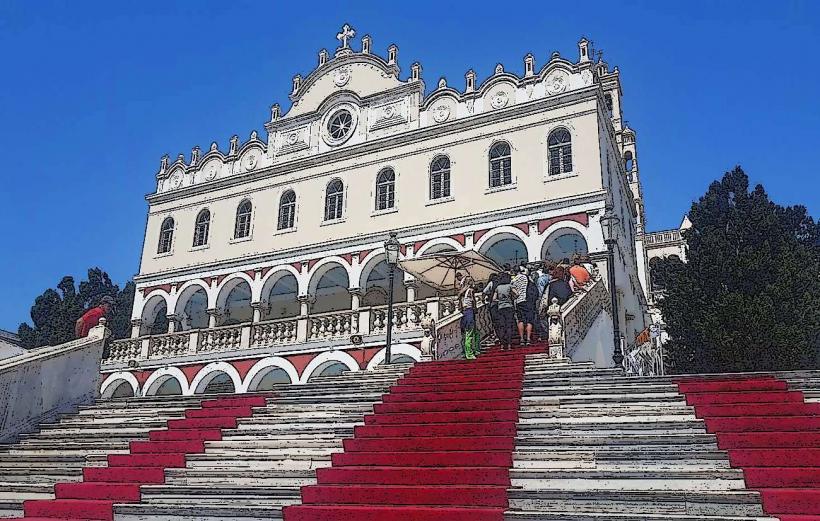
Chora (Tinos Town): The capital and main port, dominated by the wide uphill "Megalochari" avenue leading to the central church.
Pyrgos: The largest village, located in the north; it is an open-air museum of marble architecture and the island's artistic hub.
Volax: A unique settlement in the center of the island, built among giant, smooth granite boulders of unknown geological origin.
Kardiani & Ysternia: "Balcony" villages perched on steep slopes overlooking the sea, known for their marble-paved alleys and neoclassical houses.
Top Landmarks
Our Lady of Tinos (Evangelistria): A massive marble complex housing the miraculous icon. It is the most important pilgrimage site in the Greek Orthodox world.
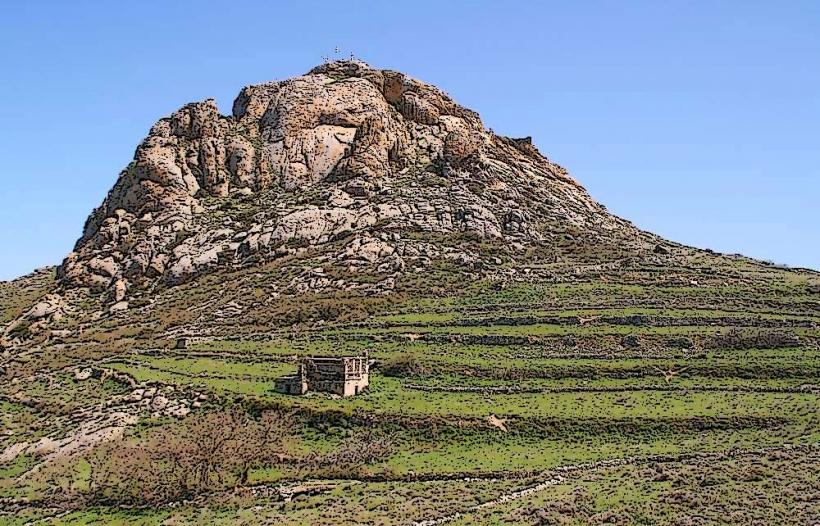
Exomvourgo: A 559m granite mountain featuring the ruins of the Venetian capital and fortress, providing a 360-degree view of the Cyclades.
The Dovecotes: Over 600 elaborate stone structures decorated with geometric patterns (circles, triangles, rhombi), originally built to house pigeons.
Museum of Marble Crafts: Located in Pyrgos; a world-class facility detailing the history of marble quarrying and sculpture on the island.
Monastery of Kechrovouni: A large, fortress-like convent where Saint Pelagia lived, featuring traditional Cycladic architecture.
Transportation & Infrastructure (2026)
Sea: No airport. Accessible via ferry from Rafina (2–4 hours) or Piraeus (4–5 hours). It is a major hub for inter-island connections to Mykonos (20 mins) and Syros.
Road: A wide but winding road network. Rental cars are necessary for the northern villages.
Bus: The KTEL service is highly active, especially during the August 15th festival.
Digital: 5G is universal in Chora and Pyrgos. 2026 initiatives have implemented digital guides for the 150km of marked hiking trails.
Safety & Environment
Safety: Exceptionally safe with very low crime rates.
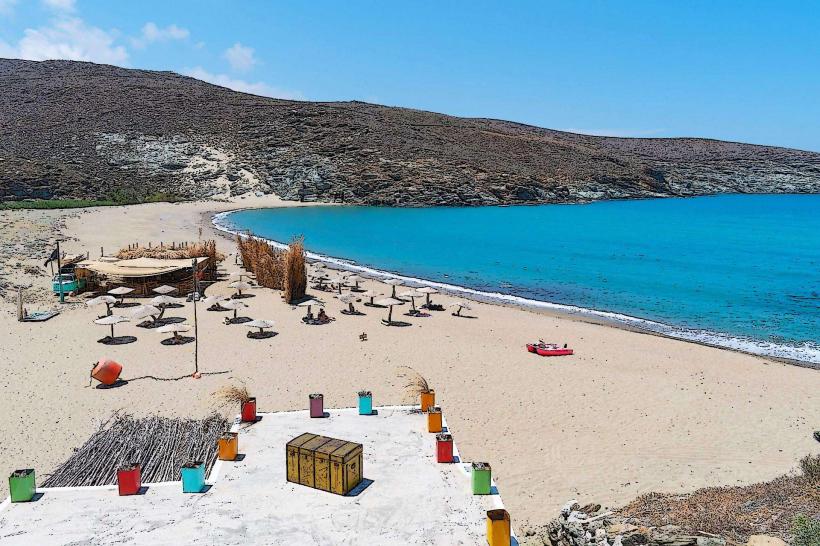
Wind: Known as the "Island of Aeolus," Tinos experiences extremely strong Meltemi winds, particularly in the northern bays like Kolymbithra.
Water: Water scarcity is a significant issue; desalination plants provide the main supply. Tap water is generally not recommended for drinking.
Gastronomy & Economy
Tinos is currently regarded as the "gastronomic capital" of the Cyclades.
Local Products: Louza (cured pork), Artichokes of Komi, and Graviera cheese.
Marble Trade: Tinos marble (green and white) has been used in the Louvre, Buckingham Palace, and the Church of the Holy Sepulchre.
Wine: The island has seen a resurgence in high-altitude viticulture, particularly for the Assyrtiko and Mavrotragano varieties grown in the volcanic soil of Falatados.
Local Cost Index (2026)
1 Espresso (Freddo): €3.50–€5.00
1 Standard Lunch: €20.00–€35.00
1 Ferry Ticket (Rafina-Tinos): €35.00–€60.00
1 Hand-carved Marble Souvenir: €25.00+
Facts & Legends
Legend says the giant boulders of Volax are the remains of a battle between the Titans and the Gods. A verified historical fact: The marble sculpture tradition of Tinos is included in the UNESCO Intangible Cultural Heritage list, and the island is home to the preparatory school for fine arts that feeds into the Athens School of Fine Arts.