Information
City: ToursCountry: France
Continent: Europe
Tours, France, Europe
Tours is a city in central-western France located between the Loire and Cher rivers. It serves as the administrative center of the Indre-et-Loire department and is the primary gateway to the Loire Valley châteaux region.
Visual Characteristics
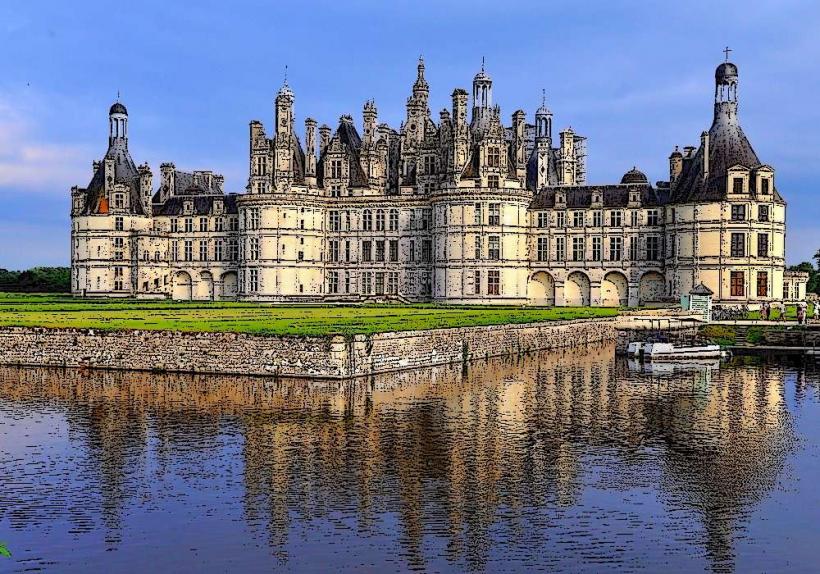
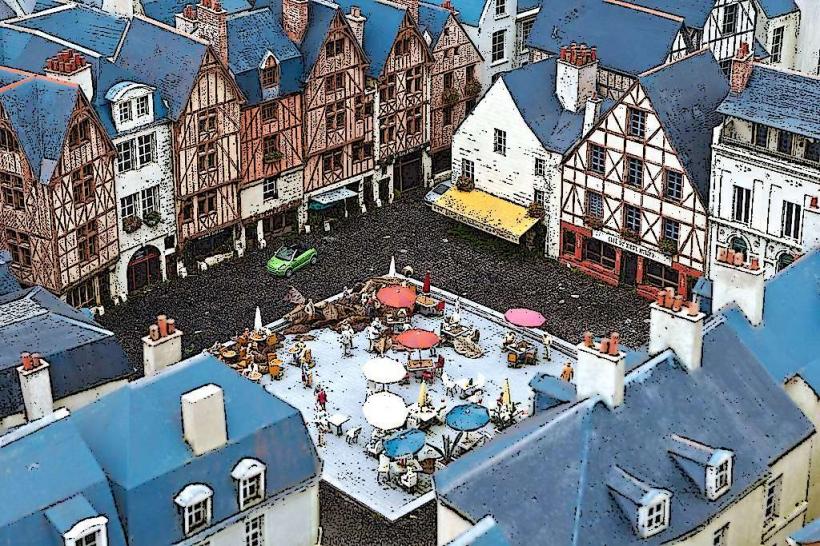
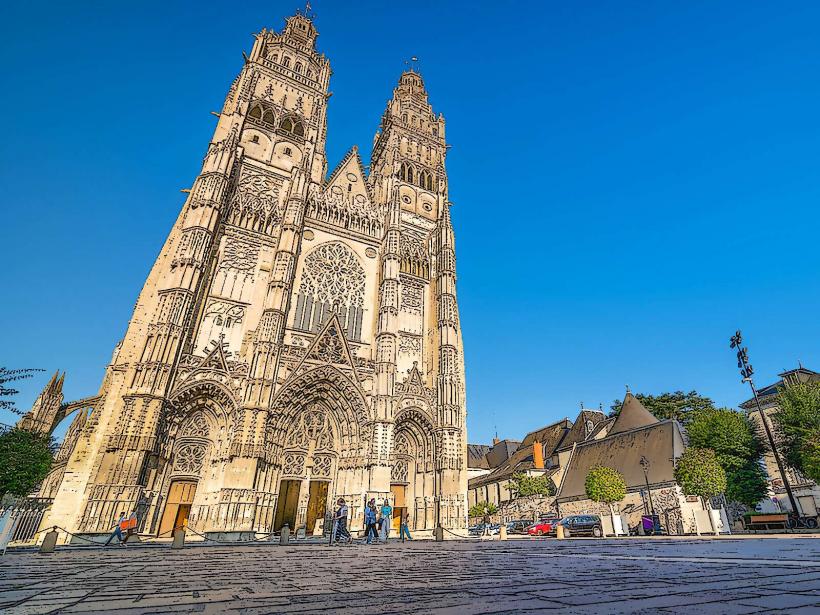
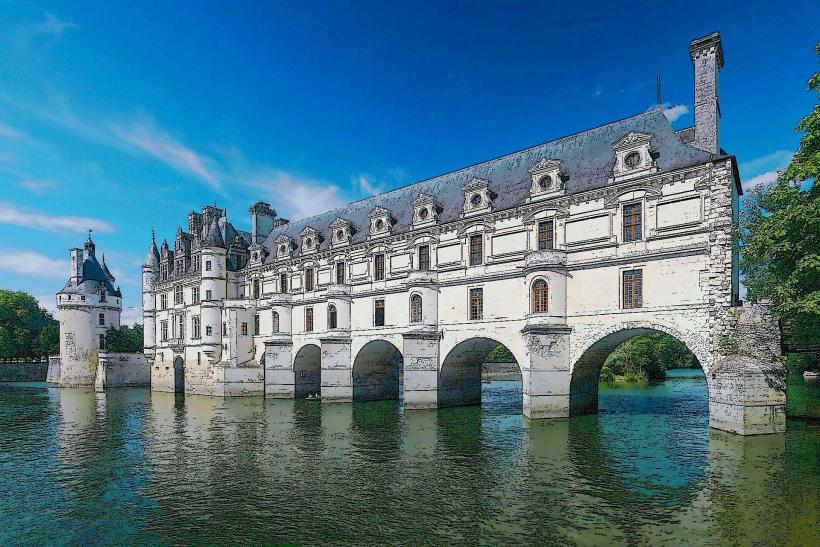
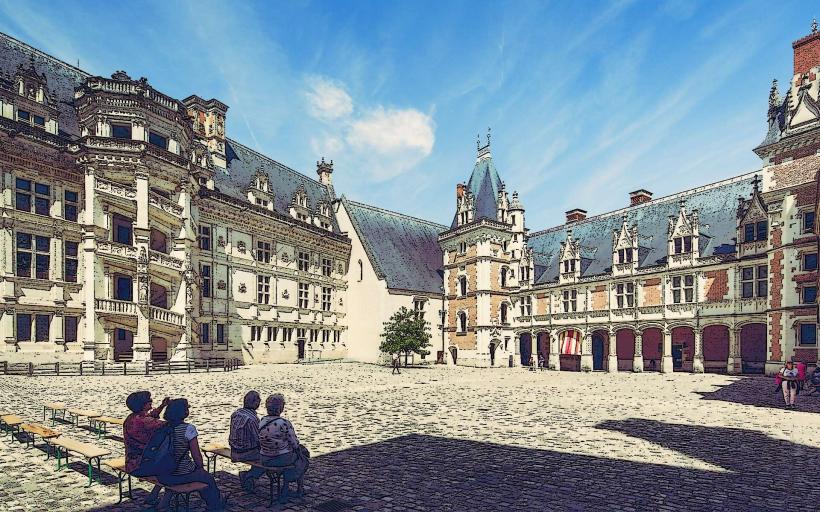
The urban landscape features a contrast between the medieval "Vieux Tours" district, dominated by 15th-century timber-framed houses, and the wide 18th-century neoclassical boulevards of the city center. Construction materials consist primarily of white tuffeau stone and slate roofing. The skyline is anchored by the Cathédrale Saint-Gatien, which displays a progression from Flamboyant Gothic to Renaissance styles. The city is noted for its extensive floral displays and manicured public gardens, such as the Jardin des Prébendes d'Oé.
Location & Access Logistics
Tours is positioned 240 kilometers southwest of Paris. It is accessible via the A10 motorway and two major railway stations: Gare de Tours (city center) and Gare de Saint-Pierre-des-Corps (TGV hub 3km east), with high-speed rail links to Paris in 1 hour and 15 minutes. The Fil Bleu transit network operates a 15-kilometer tramway line (Line A) and an extensive bus system. Tours Val de Loire Airport (TUF) is located 6 kilometers northeast of the center.
Historical & Ecological Origin
Originally the Gallic settlement of Caesarodunum, the city became a major pilgrimage site in the 4th century following the death of Saint Martin of Tours. During the 15th and 16th centuries, Tours served as the de facto capital of France under the Valois kings. Geologically, the city occupies a flat alluvial plain between two rivers, which has historically necessitated the construction of significant stone bridges, such as the 18th-century Pont Wilson.
Key Highlights & Activities
Visitors can traverse the pedestrianized Place Plumereau to observe medieval domestic architecture. The Cathédrale Saint-Gatien offers access to a collection of 13th-century stained glass and the tombs of the children of Charles VIII. The Musée des Beaux-Arts, housed in the former Archbishop’s Palace, features a massive cedar tree planted in 1804 and works by Mantegna and Delacroix. Cycling is a primary activity, as Tours is a central hub for the "Loire à Vélo" trail.
Infrastructure & Amenities
The city center contains numerous public restrooms, particularly near the Jean Jaurès tram stop and the Les Halles market. Reliable 5G cellular coverage is available throughout the metropolitan area. The "Véliti" bike-sharing service provides short-term rentals at various automated stations. The Les Halles de Tours is a permanent indoor food market providing regional produce and services.
Best Time to Visit
The climate is most favorable from May to September, with temperatures averaging between 18°C and 25°C. For photography, the morning light is best for the Cathedral facade, while the evening light illuminates the timber-framed buildings of Vieux Tours. The "Guinguette de Tours," an open-air riverside cafe and performance space, operates on the banks of the Loire from May through September.
Facts & Legends
Tours is often cited as the place where the "purest" form of the French language is spoken, devoid of regional accents. A local historical oddity is the "Tour Charlemagne," the only remaining segment of a massive medieval basilica that was once the largest in Christendom before its destruction during the French Revolution. Legend holds that the city's wine heritage began when Saint Martin's donkey nibbled on grapevines, accidentally discovering the benefits of pruning.
Nearby Landmarks
Cathédrale Saint-Gatien: 0.8km East of center
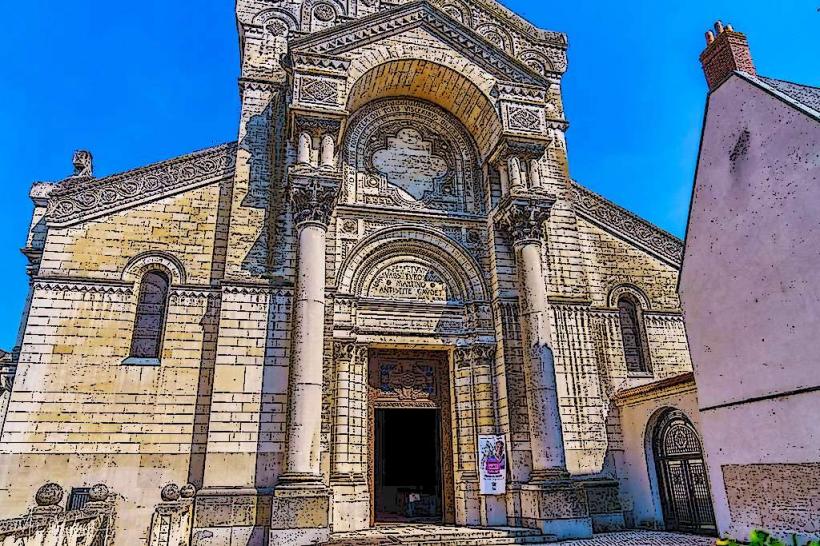
Basilique Saint-Martin: 0.4km West
Place Plumereau: 0.5km West
Musée des Beaux-Arts: 0.7km East
Jardin Botanique de Tours: 1.5km West